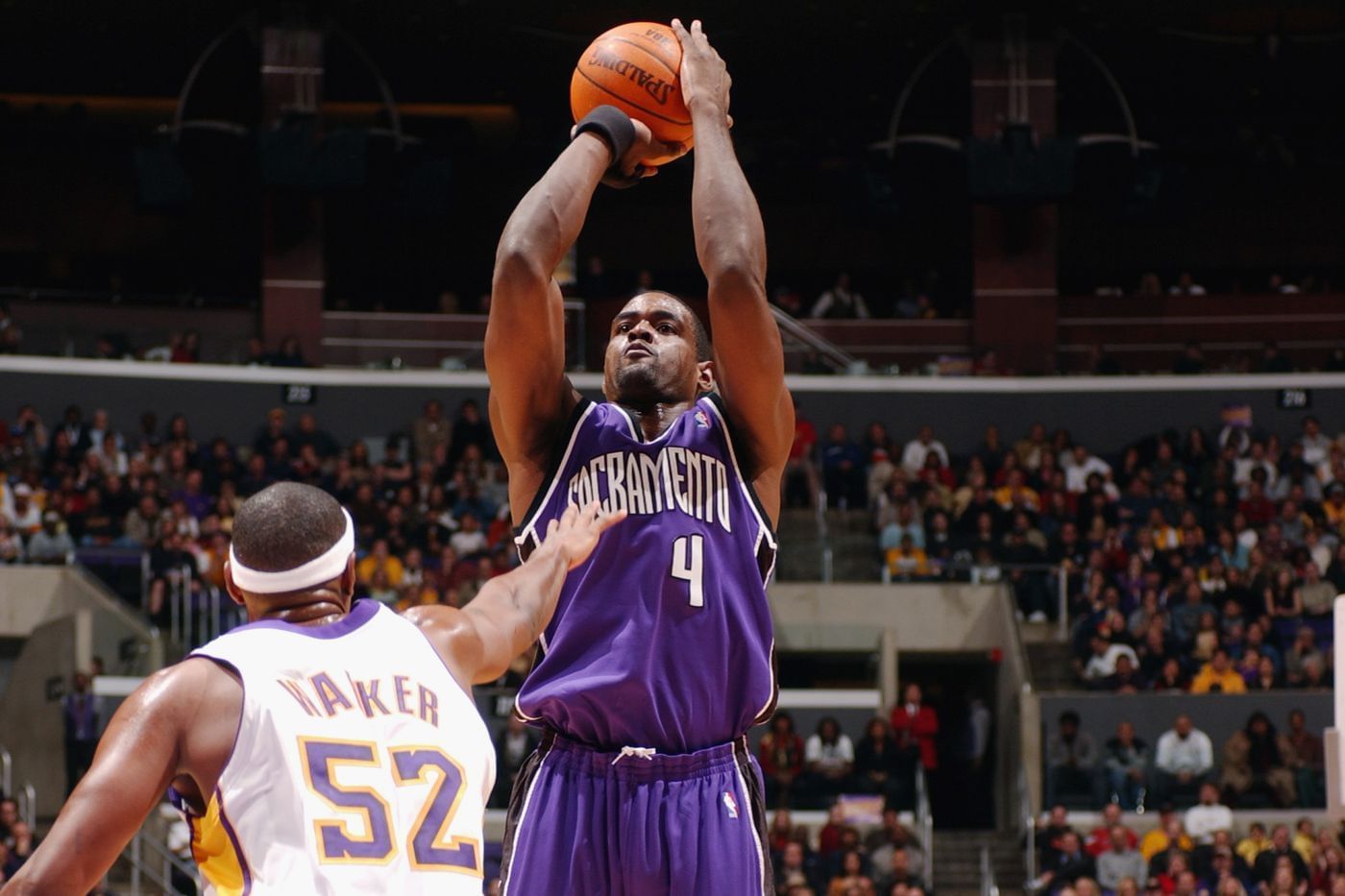
Game 6 of the 2002 Western Conference Finals between the Los Angeles Lakers and the Sacramento Kings stands as one of the most intensely debated, heavily scrutinized, and consequential contests in the history of the National Basketball Association (NBA). Played on May 31, 2002, at the Staples Center in Los Angeles, this matchup captured the raw drama of a fierce Pacific Division rivalry while leaving an enduring legacy defined by officiating controversies, elite individual performances, and shifting league dynamics.
Historical Context and Series Stakes
To understand the weight of 2002 Western Conference Finals Game 6, one must examine the broader trajectory of the 2001-02 NBA season. The Sacramento Kings, coached by Rick Adelman, played a mesmerizing brand of "Sacramento Greatest Show on Court" basketball, characterized by brilliant passing, high-velocity ball movement, and offensive efficiency. Led by Chris Webber, Vlade Divac, Peja Stojaković, Mike Bibby, and Doug Christie, the Kings captured the best record in the Western Conference with a 61-21 mark.
Standing in their way were the Los Angeles Lakers, the two-time defending NBA champions seeking a three-peat under head coach Phil Jackson. Built around the dominant interior force of Shaquille O'Neal and the perimeter brilliance of Kobe Bryant, the Lakers remained the undisputed heavyweights of the league. However, the regular-season standings and head-to-head matchups indicated that the Kings had closed the gap, transforming what was once a lopsided rivalry into a true clash of titans.
| Sacramento Kings (61-21) | Los Angeles Lakers (58-24) |
|---|---|
| Rick Adelman (Head Coach) | Phil Jackson (Head Coach) |
| Chris Webber (Power Forward) | Shaquille O'Neal (Center) |
| Mike Bibby (Point Guard) | Kobe Bryant (Shooting Guard) |
| Vlade Divac (Center) | Robert Horry (Forward) |
| Peja Stojaković / Doug Christie | Derek Fisher / Rick Fox |
The series itself was a heavyweight prize fight, oscillating between Sacramento's fluid ball control and Los Angeles's overwhelming star power. Entering Game 6, the Kings held a 3-2 series lead, meaning a single victory on the road in Los Angeles would propel Sacramento into the NBA Finals for the first time since the franchise relocated to California. The pressure on the Lakers was absolute; facing elimination on their home floor, their championship dynasty hung in the balance.
The Flow of the Game: Momentum and Climax
From the opening tip, Game 6 lived up to its billing as a high-stakes dramatic spectacle. The Sacramento Kings established control early, utilizing their precise passing game to counter the defensive presence of Shaquille O'Neal. Mike Bibby orchestrated the offense with clinical precision, while Chris Webber consistently found space against the Lakers' frontcourt.
As the game progressed into the second half, the intensity ratcheted upward. The Lakers leaned heavily on O'Neal, who delivered a historic individual performance. O'Neal finished the night with 41 points and 17 rebounds, relentlessly punishing the Kings' interior defenders and forcing Sacramento into foul trouble. Kobe Bryant contributed significantly with 31 points, 11 rebounds, and 5 assists, carrying the scoring load during stretches when the Lakers' offense stalled.
The fourth quarter developed into a tense, possession-by-possession battle. Neither team managed to secure a comfortable cushion, and every whistle carried immense weight. Sacramento maintained a narrow advantage deep into the period, sitting just minutes away from closing out the series. However, a flurry of scoring, defensive stops, and controversial officiating decisions fundamentally altered the closing moments of the contest.
The Officiating Controversy and the Fourth Quarter
What elevated 2002 Western Conference Finals Game 6 from a thrilling postseason game into an eternal talking point was the officiating in the fourth quarter. The Lakers attempted 27 free throws in the final period alone—more than the entire Sacramento team attempted during the entire game. This statistical anomaly became the centerpiece of decades of analysis, fan debate, and media scrutiny.
The distribution of whistles heavily favored the aggressive drives of the Lakers while penalizing physical defense by the Kings. Several key Sacramento players, including Chris Webber and Vlade Divac, found themselves in precarious foul trouble, ultimately altering how aggressively they could contest shots near the rim. Prime among the debated sequences was physical contact under the basket, loose-ball fouls, and perimeter calls that disrupted Sacramento's defensive rhythm.
Years later, the controversy gained renewed traction following allegations made by former NBA referee Tim Donaghy in 2008. While Donaghy did not officiate Game 6, his allegations regarding referee bias and game manipulation in other series cast a retrospective shadow over the 2002 playoffs. Although the NBA steadfastly defended the integrity of the contest and independent reviews found no definitive proof of systematic match-fixing in this specific game, the visual evidence of the fourth-quarter free-throw disparity remains etched in the collective memory of basketball history.
Key Player Performances and Box Score Dynamics
Analyzing the raw statistics of Game 6 reveals a fiercely contested matchup where individual brilliance clashed with structural foul trouble.
- Shaquille O'Neal (Lakers): 41 points, 17 rebounds, 5 blocks. O'Neal was virtually unstoppable in the paint, though his 9-for-17 shooting from the free-throw line kept the door open for Sacramento for much of the night.
- Kobe Bryant (Lakers): 31 points, 11 rebounds, 5 assists. Bryant provided essential secondary scoring and clutch perimeter play while playing heavy minutes under elimination pressure.
- Mike Bibby (Kings): 30 points, 4 assists. Bibby orchestrated the Kings' offense with composure, hitting critical jump shots and free throws to keep Sacramento ahead during regulation.
- Chris Webber (Kings): 26 points, 13 rebounds, 8 assists. Webber flirted with a triple-double but was severely hampered by foul trouble in the second half, limiting his aggressiveness on defense.
The Lakers ultimately secured a 106-102 victory, forcing a decisive Game 7 back in Sacramento.
Comparative Breakdown: Game 6 vs. Game 7
While Game 6 captured the headlines due to its free-throw disparity and late-game drama, Game 7 served as the definitive conclusion to the series. Examining the two games side by side highlights how momentum shifted back and forth between the two elite squads.
| Metric / Aspect | Game 6 (Los Angeles) | Game 7 (Sacramento) |
|---|---|---|
| Winner | Los Angeles Lakers (106-102) | Los Angeles Lakers (112-106, OT) |
| Lakers Free Throws (4th Quarter) | 27 attempts | Standard regulation distribution |
| Series Standing Entering Game | Sacramento led 3-2 | Series tied 3-3 |
| Defining Factor | 41 points by Shaq, fourth-quarter fouls | Overtime execution, clutch shooting |
| Outcome Impact | Extended series to a Game 7 | Sent Lakers to the 2002 NBA Finals |
Legacy and Aftermath in NBA History
The reverberations of 2002 Western Conference Finals Game 6 extended far beyond that single evening in May. Two days later, the Lakers defeated the Kings in a dramatic Game 7 overtime thriller, advancing to the NBA Finals where they swept the New Jersey Nets to capture their third consecutive championship.
For the Sacramento Kings, Game 6 represented the absolute peak and the most agonizing near-miss in franchise history. The roster core gradually dispersed in subsequent years, and the franchise entered a prolonged playoff drought that lasted nearly two decades. To this day, mention of the 2002 series evokes visceral reactions from Sacramento supporters who view the game as a classic example of championship inertia favoring established dynasties over rising contenders.
For the NBA as an organization, the game became a watershed moment for discussions surrounding referee transparency, league oversight, and the perception of fairness. The league subsequently implemented more rigorous monitoring systems and referee evaluations, striving to minimize officiating controversies on the sport's biggest stages.
Frequently Asked Questions
Why is 2002 Western Conference Finals Game 6 so controversial?
The game is controversial primarily due to the stark free-throw disparity in the fourth quarter, where the Los Angeles Lakers shot 27 free throws compared to just 9 for the Sacramento Kings. This statistical outlier, combined with crucial fouls called against Sacramento's star players, fueled enduring debates about officiating fairness.
Did Tim Donaghy officiate Game 6?
No. Former NBA referee Tim Donaghy did not officiate Game 6 of the 2002 Western Conference Finals. However, his subsequent 2008 allegations regarding game-influencing behavior in the NBA brought renewed scrutiny to the 2002 postseason as a whole.
Who won the 2002 Western Conference Finals?
The Los Angeles Lakers won the series 4-3. After winning Game 6 at home, they secured the series victory by defeating the Sacramento Kings in Game 7 on the road in overtime.
What was Shaquille O'Neal's stat line in Game 6?
Shaquille O'Neal dominated the paint with 41 points, 17 rebounds, and 5 blocks, anchoring the Lakers' offense and forcing the Kings into significant defensive foul trouble.
How did the series impact the Sacramento Kings franchise?
The loss prevented the Kings from reaching the NBA Finals during their peak competitive window. The roster eventually turned over, and the franchise entered a lengthy rebuilding phase that tested the patience of one of the league's most passionate fan bases.
Next Actions and Further Exploration
For those examining the structural evolution of modern professional basketball, reviewing full game archives, official league post-mortem reports, and contemporary sports journalism offers a complete picture of the era. Understanding Game 6 requires balancing the exceptional athletic achievements on the floor with the administrative and officiating realities that continue to define sports history.