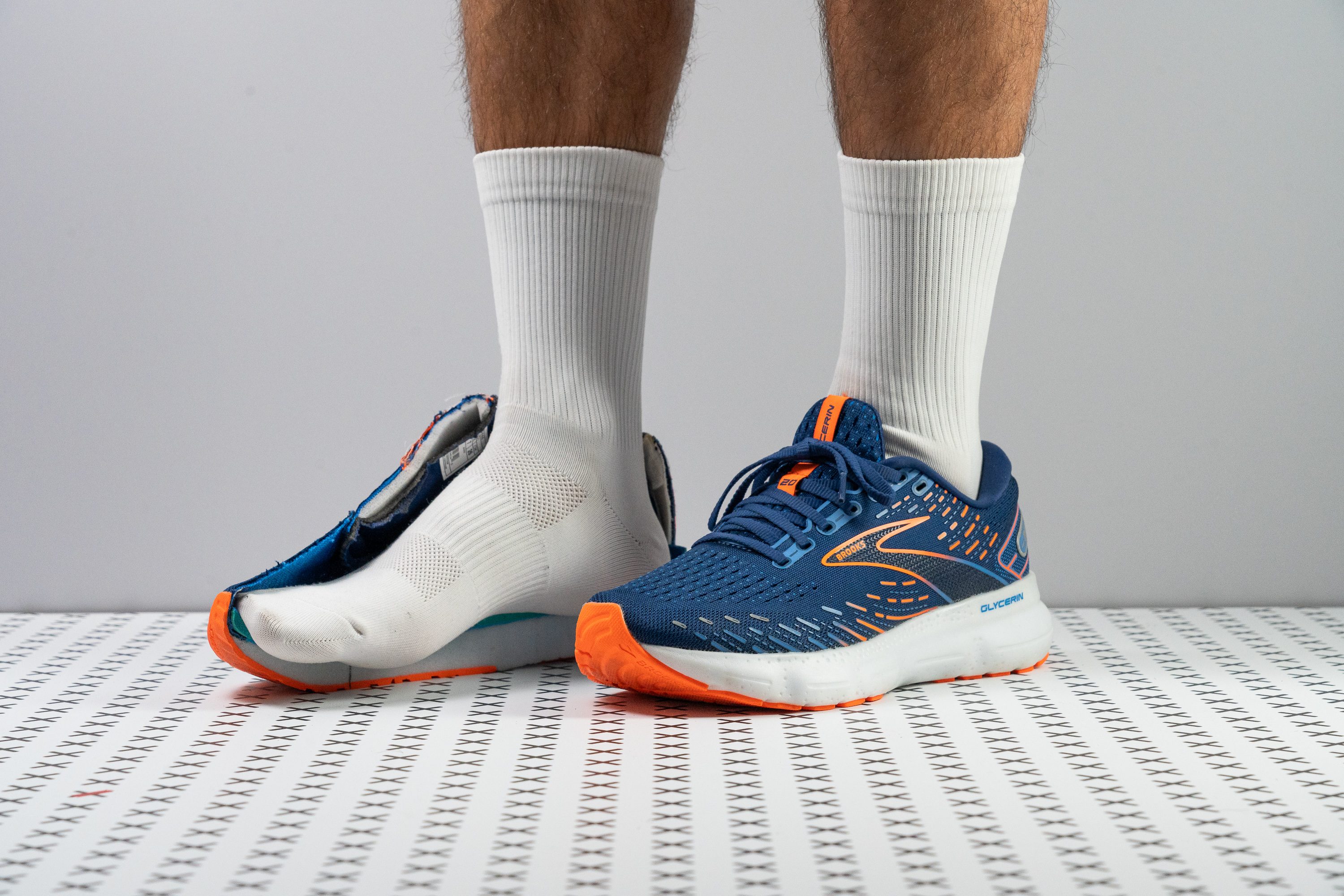
The Brooks Ghost series represents one of the most reliable and enduring daily running shoes in the marketplace. While iterative updates consistently refine cushion formulations, upper meshes, and structural geometries, understanding the technical specifications, performance traits, and design philosophy behind these neutral road running shoes helps runners determine whether a specific edition fits their biomechanical needs and training volume.
Introduction to the Brooks Ghost Legacy and the 20th Generation
The running footwear industry moves at a rapid pace, yet certain model families maintain legendary status through decades of consistent performance. The Brooks Ghost line has long served as a benchmark for neutral daily mileage, striking a fine balance between plush underfoot cushioning, structural integrity, and breathable durability. When evaluating a milestone iteration like the twentieth generation of the Ghost series, runners must look beyond marketing terminology to examine how midsole foams, drop heights, upper constructions, and outsole configurations work together.
Resolving any ambiguity regarding numbering conventions in running shoes requires recognizing that brands sometimes shift nomenclature, but the core identity of the Ghost remains steadfast: a versatile, highly cushioned neutral road shoe designed for everything from recovery jogs to long weekend distance efforts. This comprehensive guide breaks down the essential technical aspects, performance characteristics, sizing nuances, and purchasing considerations associated with this tier of running footwear, ensuring you can make an informed decision for your training regimen.
Core Technical Specifications and Midsole Evolution
At the heart of any running shoe evaluation lies the midsole construction. Over successive generations, the Ghost line has transitioned through various foam technologies, moving toward lighter, more responsive blends that maintain durability over hundreds of miles.
Cushioning Composition and Foam Technology
Modern neutral daily trainers rely heavily on engineered EVA-based or nitrogen-infused foam compounds. Nitrogen infusion, a technique where liquid nitrogen is forced into the foam compound under high pressure and heat before expanding, creates microscopic closed-cell bubbles that yield a lighter, softer, and more springy ride without sacrificing compressive resilience.
- Energy Return: Unlike purely soft foams that absorb energy and create a sluggish feel, nitrogen-infused variants snap back quickly, aiding toe-off efficiency.
- Durability: The cell structure resists packing out prematurely, ensuring that the twentieth iteration maintains a consistent ride profile from mile one to mile four hundred.
- Temperature Stability: Advanced compounds maintain their durometer (firmness rating) across varying weather conditions, preventing the shoe from feeling like a brick in freezing temperatures or overly mushy on hot summer asphalt.
Heel-to-Toe Drop and Stack Heights
The geometric profile of the shoe dictates how your foot strikes the ground and transitions through the gait cycle. The traditional standard for the Ghost series has centered around a balanced heel-to-toe drop, which accommodates heel strikers while offering enough platform for midfoot and forefoot runners.
- Stack Height: Moderate-to-high stack heights provide ample underfoot protection against sharp rocks, road debris, and the high-frequency impact forces generated during concrete running.
- Drop Measurement: A standard 12mm drop has historically defined the Ghost, though subtle modifications in newer iterations aim to create a slightly more natural roll while retaining the heel cushioning that many loyalists prefer.
Upper Construction, Breathability, and Fit
A midsole can perform exceptionally well, but if the upper causes friction, hot spots, or lateral slippage, the shoe fails. Modern engineering utilizes engineered mesh uppers mapped with varying densities of knit patterns to balance lockdown and ventilation.
Engineered Air Mesh
The upper material must perform two competing functions: secure the midfoot securely during cornering and stride extension while allowing internal heat and moisture to escape.
- Targeted Zones: Open-weave mesh panels are placed across the forefoot and instep to maximize airflow, while tighter, multi-layer weaves reinforce the heel counter and eyestays.
- 3D Fit Print Technology: Instead of heavy, stitched overlays that can wrinkle and cause blisters, screen-printed structural overlays provide strategic stretch and structure precisely where needed, reducing overall weight.
Internal Comfort and Collar Padding
The heel collar, tongue construction, and internal lining significantly influence step-in comfort.
- Plush Collar: Generous memory-foam or high-density foam padding wraps the ankle, preventing slippage without causing Achilles tendon irritation.
- Gusseted Tongues: Many modern daily trainers integrate a partially gusseted tongue that stays centered throughout the run, preventing annoying lateral migration that can create pressure points across the top of the foot.
Outsole Durability and Traction Performance
Road running shoes face abrasive surfaces, wet asphalt, and varying weather conditions. The outsole design of a reliable daily trainer must combine blown rubber for cushioning and flexibility with high-abrasion carbon rubber in high-wear zones.
| Outsole Zone | Material Type | Primary Function | Durability Expectation |
|---|---|---|---|
| Heel Strike Zone | High-Abrasion Carbon Rubber | Absorbs initial impact and resists early wear from heel striking. | Exceptional (Lasts 400+ miles for most runners) |
| Midfoot Transition | Flex Grooves & Blown Rubber | Promotes smooth transition and flexibility through the gait cycle. | Moderate-High (Balances grip with weight savings) |
| Forefoot Toe-Off | Strategic Rubber Placement | Enhances traction during propulsion and push-off phases. | High (Resists shearing forces on pavement) |
Wet-Weather Grip and Surface Versatility
While road shoes are not intended for technical trail running, they must maintain reliable traction on wet painted lines, metal subway grates, and slick asphalt. Multi-directional traction lugs and strategic flex grooves allow the rubber to conform to micro-imperfections in the pavement, reducing the risk of slippage during aggressive cornering or acceleration.
Comparing Daily Neutral Trainers
To understand where the Ghost series fits within the broader ecosystem of neutral running shoes, it is helpful to compare its key characteristics against other prominent options in the category.
| Shoe Model | Primary Cushioning Feel | Heel-to-Toe Drop | Best Suited For | Target Mileage Range |
|---|---|---|---|---|
| Brooks Ghost Series | Balanced, versatile, dependable | 12mm (traditional) | Everyday training, recovery runs, walking | 350 - 500 miles |
| Brooks Pegasus Equivalent | Responsive, slightly firmer air-pod feel | 10mm | Daily miles, uptempo versatile training | 300 - 450 miles |
| Asics Cumulus Series | Plush, soft, high-stack comfort | 8mm - 10mm | Long distance comfort, high-impact recovery | 400 - 500 miles |
| Saucony Ride Series | Balanced, slightly snappy and agile | 8mm | Daily versatile runs, varied paces | 350 - 450 miles |
Common Mistakes to Avoid When Purchasing and Using Daily Trainers
Maximizing the lifespan and performance of your running footwear requires avoiding several common pitfalls associated with sizing, rotation, and maintenance.
- Neglecting Sizing Up: Running feet swell significantly during longer efforts due to increased blood flow and heat accumulation. Buying your exact casual shoe size often leads to black toenails and blisters; most runners benefit from sizing up by a half-size.
- Failing to Rotate Shoes: Running in the exact same pair of shoes day after day prevents the midsole foam from fully decompressing and recovering its original cellular memory. Implementing a two-shoe rotation doubles the effective lifespan of both pairs.
- Ignoring Outsole Wear Patterns: Examining the bottom of your old running shoes provides invaluable insight into your biomechanics. Uneven wear can indicate excessive pronation, weak hip stabilizers, or the need for specific gait assessments.
- Machine Washing and Drying: Exposing technical running shoes to high heat in a clothes dryer destroys the adhesives holding the outsole and upper together and breaks down the nitrogen-infused foam cells prematurely. Always air-dry running shoes at room temperature with the insoles removed.
Frequently Asked Questions
Are Brooks Ghost shoes suitable for walking and standing all day long?
Yes. The supportive structure, balanced cushioning, and durable outsole make the Ghost series exceptionally popular among nurses, retail workers, and individuals who spend long hours standing on hard concrete floors, as well as casual walkers seeking all-day comfort.
How many miles can I expect to get out of a pair of modern daily running shoes?
Most high-quality neutral daily trainers yield between 300 and 500 miles of use. Lighter runners with efficient biomechanics may stretch this toward the higher end, while heavier runners or those running primarily on abrasive asphalt may notice a degradation in midsole shock absorption closer to the 300-mile mark.
Is a 12mm heel-to-toe drop better for heel strikers?
A higher drop places less strain on the Achilles tendon and calf muscles by keeping the heel slightly elevated, which naturally favors runners who strike the ground with their heel first. Midfoot and forefoot strikers often prefer lower drops, but many still enjoy the Ghost for its predictable, smooth ride.
Can I use these running shoes for gym workouts and cross-training?
While they excel at linear forward motion like running and walking, neutral running shoes feature high, cushioned stacks and flexible uppers that provide less lateral stability for heavy weightlifting, agility ladders, or side-to-side court sports. For lateral movements, cross-training or weightlifting shoes with flat, stable bases are recommended.
How should I clean my running shoes if they get muddy?
Remove the insoles and laces, then gently scrub the upper and outsole using a soft-bristled brush, lukewarm water, and a mild detergent or specialized footwear cleaner. Rinse thoroughly and stuff them with dry paper towels to absorb internal moisture while air-drying away from direct sunlight or heat sources.
Practical Recommendations and Next Actions
When selecting your next pair of daily trainers, prioritize fit and comfort over aesthetic colorways or marketing buzzwords. Visit a specialty running store if possible to have your gait analyzed and your feet measured under load, as foot volume and arch height dictate the ideal fit far more than nominal sizing numbers. If you are transitioning from a lower-drop shoe to a traditional higher-drop daily trainer, introduce the new footwear gradually into your weekly mileage rotation to allow your calf muscles and Achilles tendons to adapt to the altered geometry.