BPC-157 is a synthetic pentadecapeptide that has garnered significant attention in biomedical research for its purported regenerative, gastroprotective, and angiogenic properties. When investigating the intersection of BPC-157 and blood pressure regulation, current scientific data primarily originates from preclinical animal studies rather than robust human clinical trials. While some exploratory models suggest potential interactions with nitric oxide pathways and vascular tone, definitive clinical guidelines or therapeutic approvals for managing hypertension or cardiovascular parameters in humans do not currently exist.
Introduction to BPC-157: Structure and Preclinical Context
Body Protection Compound-157 (BPC-157) is a peptide consisting of 15 amino acids (Gly-Glu-Pro-Pro-Pro-Gly-Lys-Pro-Ala-Asp-Asp-Ala-Gly-Leu-Val), derived originally from a protective gastric juice protein known as body protection compound. In the landscape of peptide research, it has been studied extensively for its ability to accelerate the healing of various tissues, including tendon, muscle, ligament, and gastrointestinal mucosa.
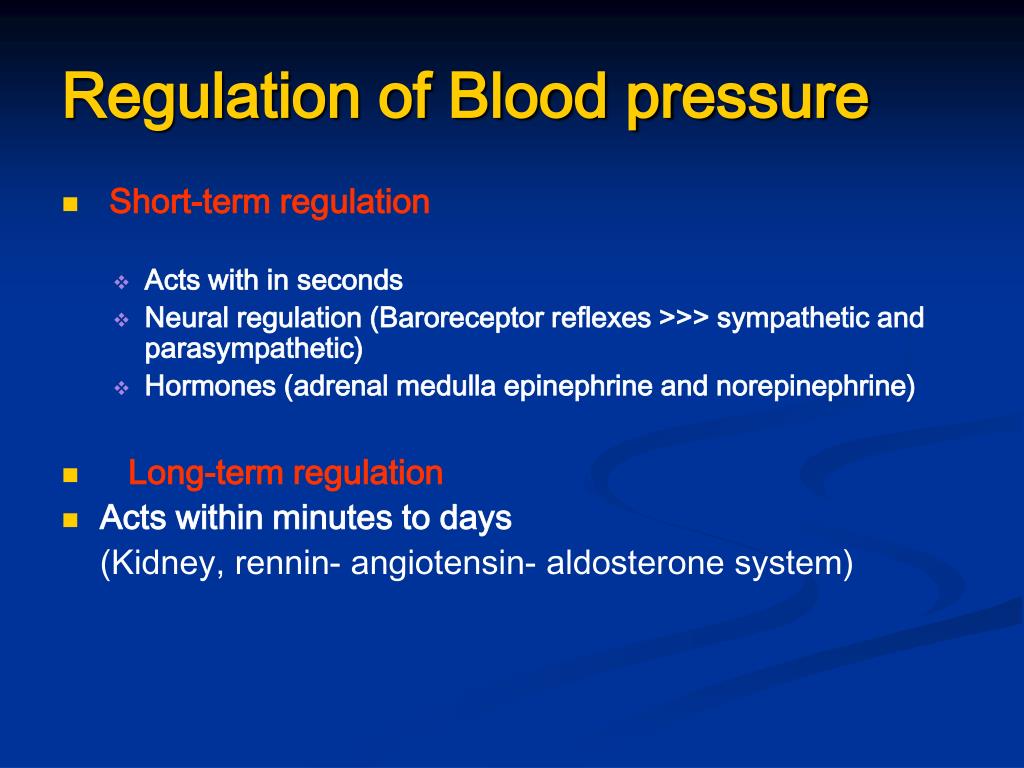
However, as researchers expand their focus into systemic physiological responses, questions frequently arise regarding how exogenous peptides influence the cardiovascular system. Blood pressure regulation is a complex, tightly controlled physiological mechanism involving the autonomic nervous system, the renin-angiotensin-aldosterone system (RAAS), endothelial factors, and renal function. Analyzing whether BPC-157 impacts this intricate network requires a rigorous examination of available laboratory evidence, pharmacokinetic properties, and the inherent limitations of current scientific literature.
The Mechanistic Hypothesis: Nitric Oxide and Vascular Tone
To understand how BPC-157 might theoretically interact with blood pressure, researchers often look at its influence on endothelial function and vasoactive mediators. The primary mechanism cited in scientific literature regarding BPC-157's vascular effects involves the nitric oxide (NO) system.
Nitric oxide is a potent endogenous vasodilator produced by endothelial cells. It plays a critical role in maintaining vascular tone, regulating systemic blood pressure, and preventing platelet aggregation. Preclinical studies suggest that BPC-157 may modulate the nitric oxide pathway by counteracting L-NAME (an NOS inhibitor) or by upregulating nitric oxide synthesis under specific pathological conditions, such as ischemic injury or toxic stress.
- Endothelial Modulation: By interacting with NO pathways, BPC-157 has been observed in animal models to influence blood vessel constriction and relaxation.
- Counter-Regulation: In certain experimental models of hypertension or hypotension induced by chemical agents, BPC-157 administration appeared to exert a stabilizing effect on systemic blood pressure, maintaining hemodynamic equilibrium.
- Angiogenesis: The peptide promotes the formation of new blood vessels (angiogenesis) via the VEGFR2 signaling pathway, which indirectly alters vascular architecture over long-term tissue repair cycles.
Despite these fascinating laboratory observations, it is vital to recognize that modifying pathways in a controlled rodent model does not equate to a predictable, safe, or regulated therapeutic effect in human hypertensive patients.
Evaluating the Evidence: Animal Studies vs. Human Clinical Data
The most critical barrier in understanding the relationship between BPC-157 and blood pressure regulation is the severe lack of human clinical trials. Nearly all peer-reviewed literature examining BPC-157 consists of in vitro cellular assays and in vivo animal models (predominantly rats and mice).
| Research Dimension | Preclinical Findings (Animal Models) | Clinical Reality (Human Application) |
|---|---|---|
| Primary Subjects | Rodents (rats, mice) subjected to induced pathology. | Insufficient robust, randomized, double-blind human trials. |
| Hemodynamic Observations | Documented modulation of blood pressure shifts under induced stress or shock. | Lack of standardized dosing, long-term safety data, or efficacy profiles for blood pressure control. |
| Regulatory Status | Investigational laboratory compound; not approved by regulatory bodies like the FDA. | Not approved for human consumption; frequently classified as an unapproved new drug or prohibited substance by athletic agencies (e.g., WADA). |
| Toxicity and Safety | Low acute toxicity observed in short-term animal trials. | Unknown long-term risks, potential cumulative side effects, and lack of standardized purity verification. |
Because human physiology, autonomic reflex loops, and cardiovascular comorbidities differ significantly from rodent models, translating these findings directly to human blood pressure management is scientifically premature.
Potential Cardiovascular Risks and Confounding Factors
For individuals experimenting with research-grade peptides, understanding the potential risks associated with unverified cardiovascular interactions is paramount. Unregulated peptides purchased from online chemical vendors are often not subjected to pharmaceutical-grade manufacturing standards, introducing risks of contamination, incorrect dosing, and purity issues.
Furthermore, individuals with pre-existing cardiovascular conditions—such as essential hypertension, atherosclerosis, arrhythmias, or heart failure—rely on precise, clinically validated pharmacological interventions (e.g., ACE inhibitors, beta-blockers, calcium channel blockers). Introducing an experimental compound that modulates vascular tone or nitric oxide synthesis can unpredictably interfere with standard medical therapies, potentially causing dangerous blood pressure fluctuations or adverse drug interactions.
Regulatory Landscape and Safety Disclaimer
From a regulatory standpoint, BPC-157 is classified as an unapproved substance in many jurisdictions. Major regulatory agencies, including the U.S. Food and Drug Administration (FDA), have not approved BPC-157 for any medical condition, and it is frequently categorized under categories that restrict compounding pharmacies from producing it without an investigational new drug application. Additionally, the World Anti-Doping Agency (WADA) places BPC-157 on its prohibited list under the category of S0 (Non-Approved Substances), banning its use in competitive sports due to its pharmacological activity and potential performance- or recovery-enhancing properties.
Disclaimer: The following information is intended strictly for educational and informational purposes and does not constitute medical advice. Readers seeking guidance on blood pressure regulation, hypertension management, or cardiovascular health should consult a qualified, licensed healthcare professional.
Frequently Asked Questions
Does BPC-157 directly lower high blood pressure?
There is no clinical evidence proving that BPC-157 lowers high blood pressure in humans. While some animal studies indicate that the peptide can help stabilize blood pressure parameters during acute physiological stress or shock via nitric oxide pathways, these findings have not been validated in human clinical trials.
Can BPC-157 be safely used by people taking hypertension medication?
No safety data exists regarding the co-administration of BPC-157 with prescription antihypertensive medications. Because BPC-157 may interact with vascular tone and nitric oxide pathways, combining it with blood pressure drugs could lead to unpredictable and potentially dangerous cardiovascular effects.
Is BPC-157 approved for medical use?
No. BPC-157 is an investigational research compound and is not approved by regulatory agencies like the FDA for human therapeutic use. Most available products are sold strictly for laboratory research purposes and lack human-grade safety testing.
Why do some athletes and fitness enthusiasts talk about BPC-157 and cardiovascular health?
Interest in BPC-157 stems primarily from its reputation for accelerating soft tissue, tendon, and gastrointestinal healing in preclinical studies. Discussions surrounding cardiovascular parameters usually arise from theoretical concerns about how systemic peptide administration might alter blood vessel formation and vascular tone.
What are the main limitations of current BPC-157 research?
The primary limitation is the total absence of large-scale, randomized, placebo-controlled human clinical trials. Almost all existing literature is derived from animal models, which cannot reliably predict long-term safety, efficacy, or side effect profiles in human populations.
Practical Next Actions
For individuals currently monitoring their cardiovascular health, the most effective and safe approach involves relying on evidence-based strategies. If you have concerns about blood pressure regulation, schedule an appointment with a primary care physician or a cardiologist. Utilize clinically validated blood pressure monitoring devices, adhere strictly to prescribed pharmacological treatments, and discuss any interest in dietary supplements or peptides transparently with a qualified medical professional to avoid unforeseen adverse interactions.