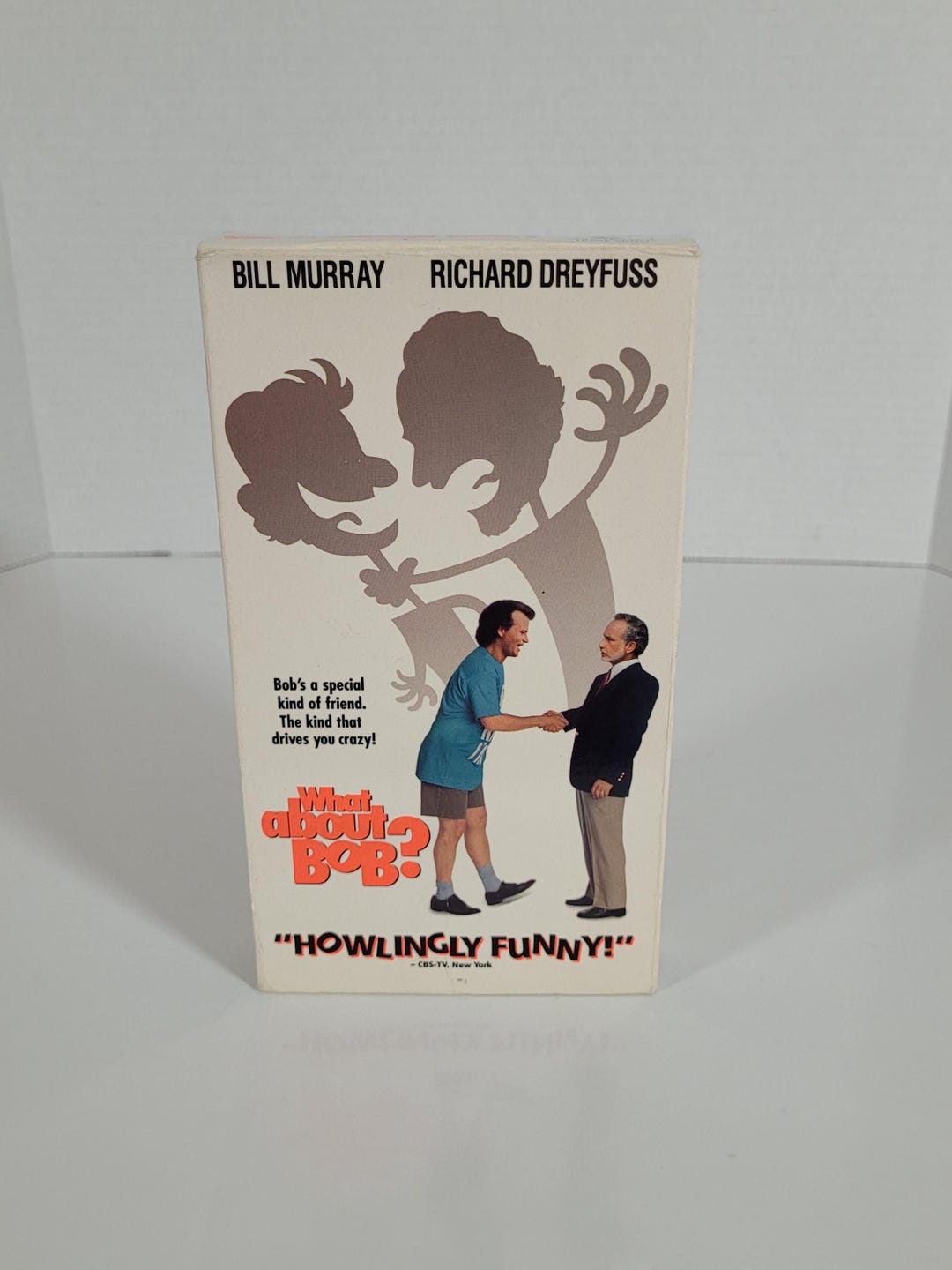
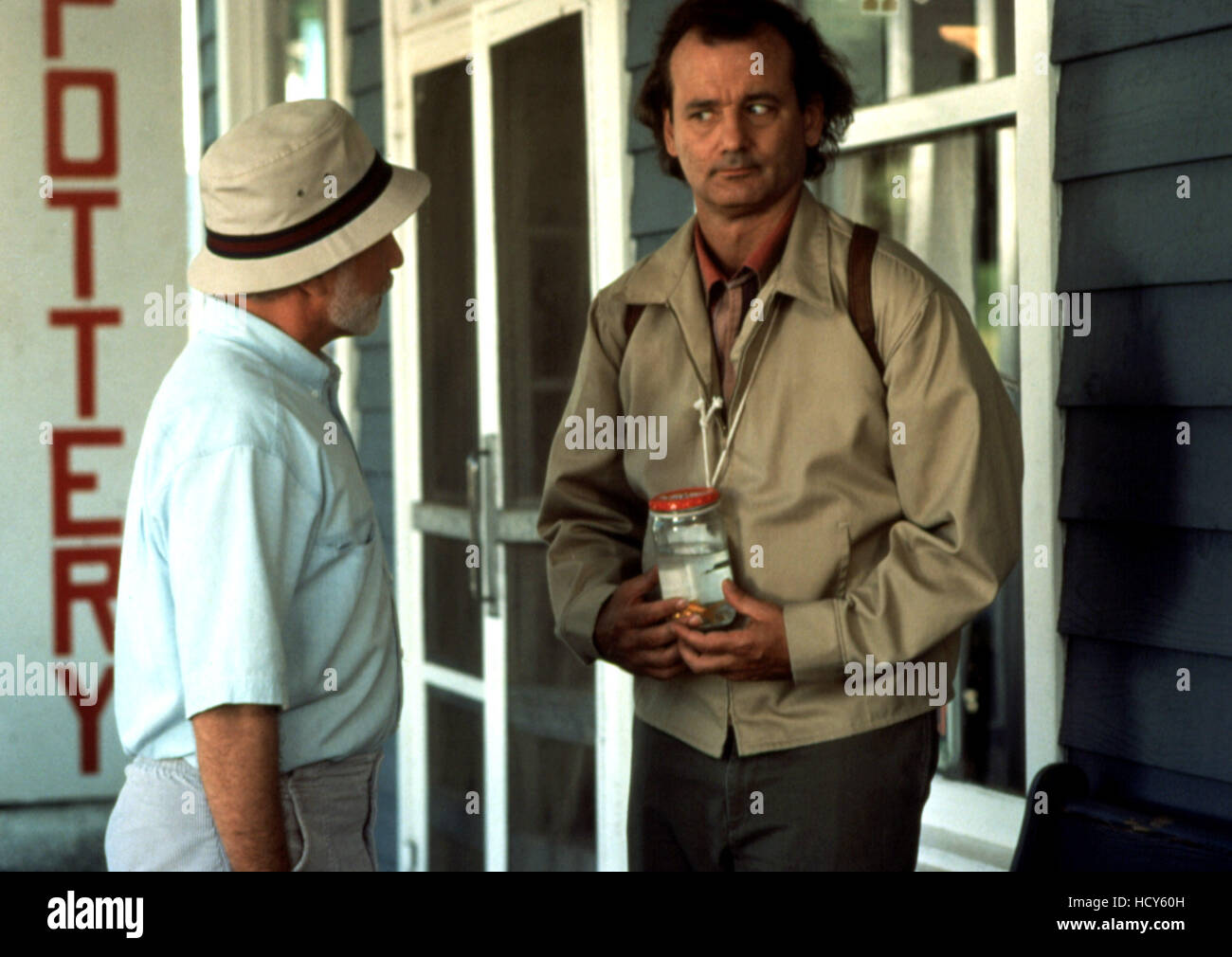
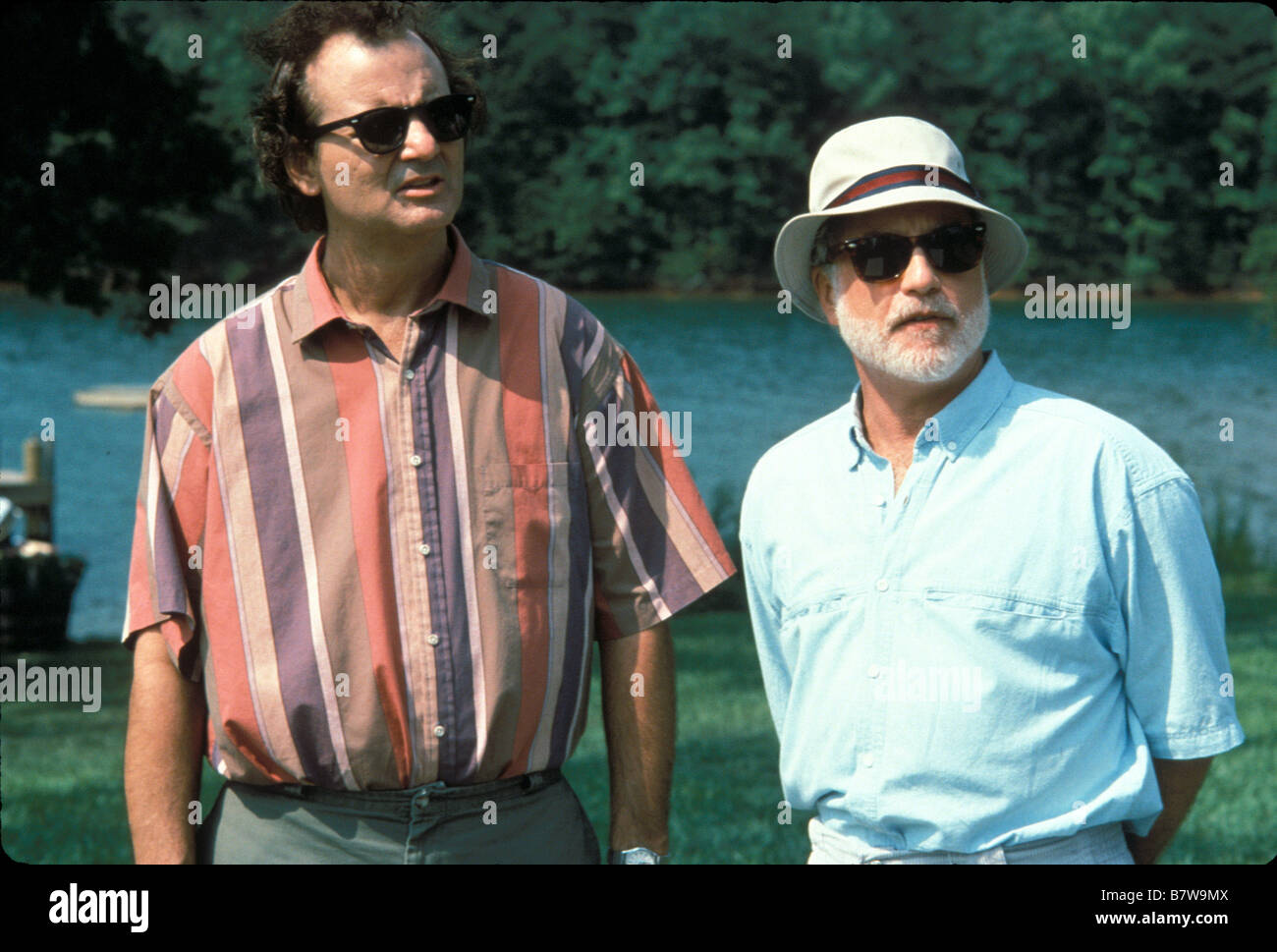
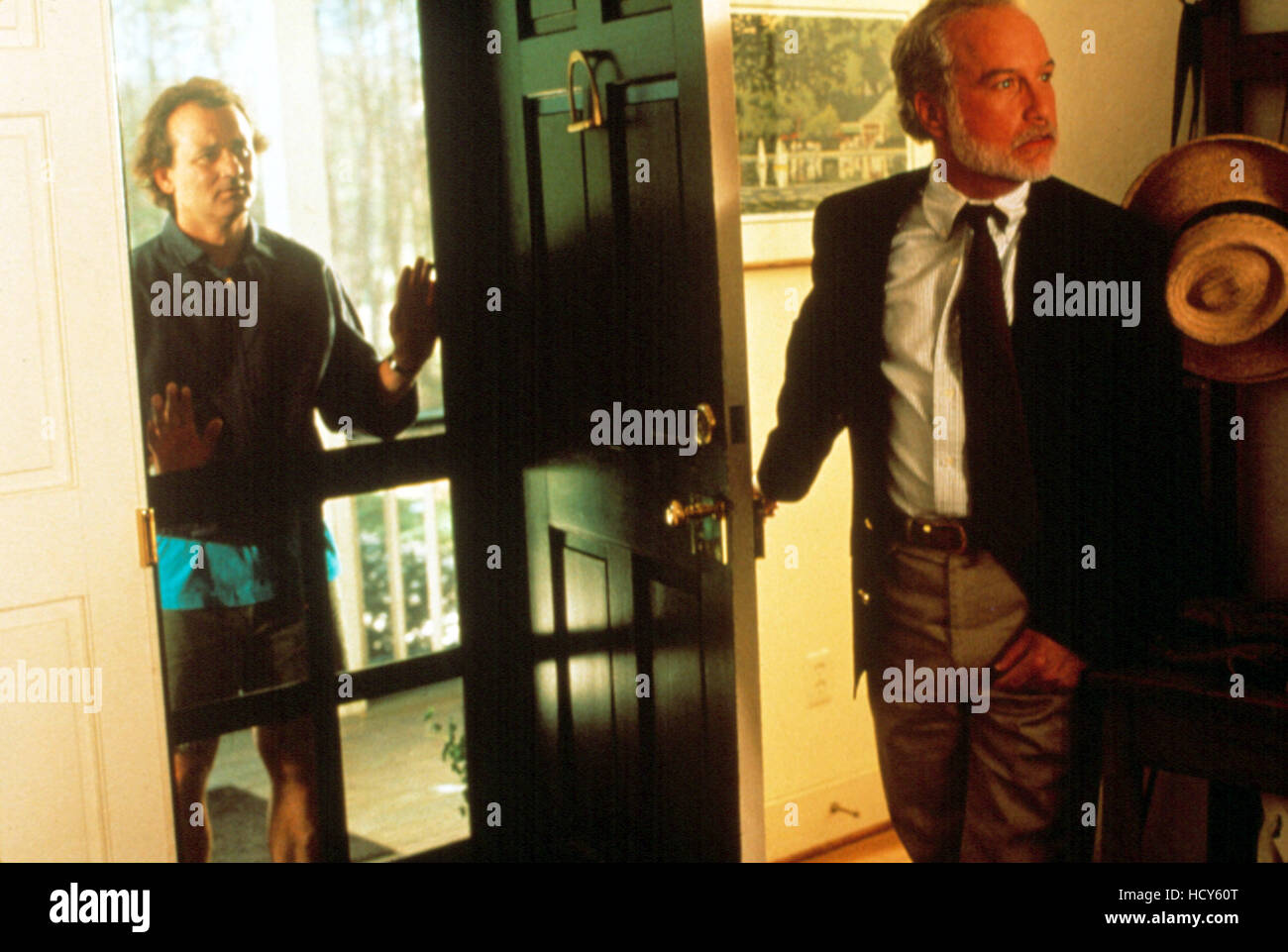
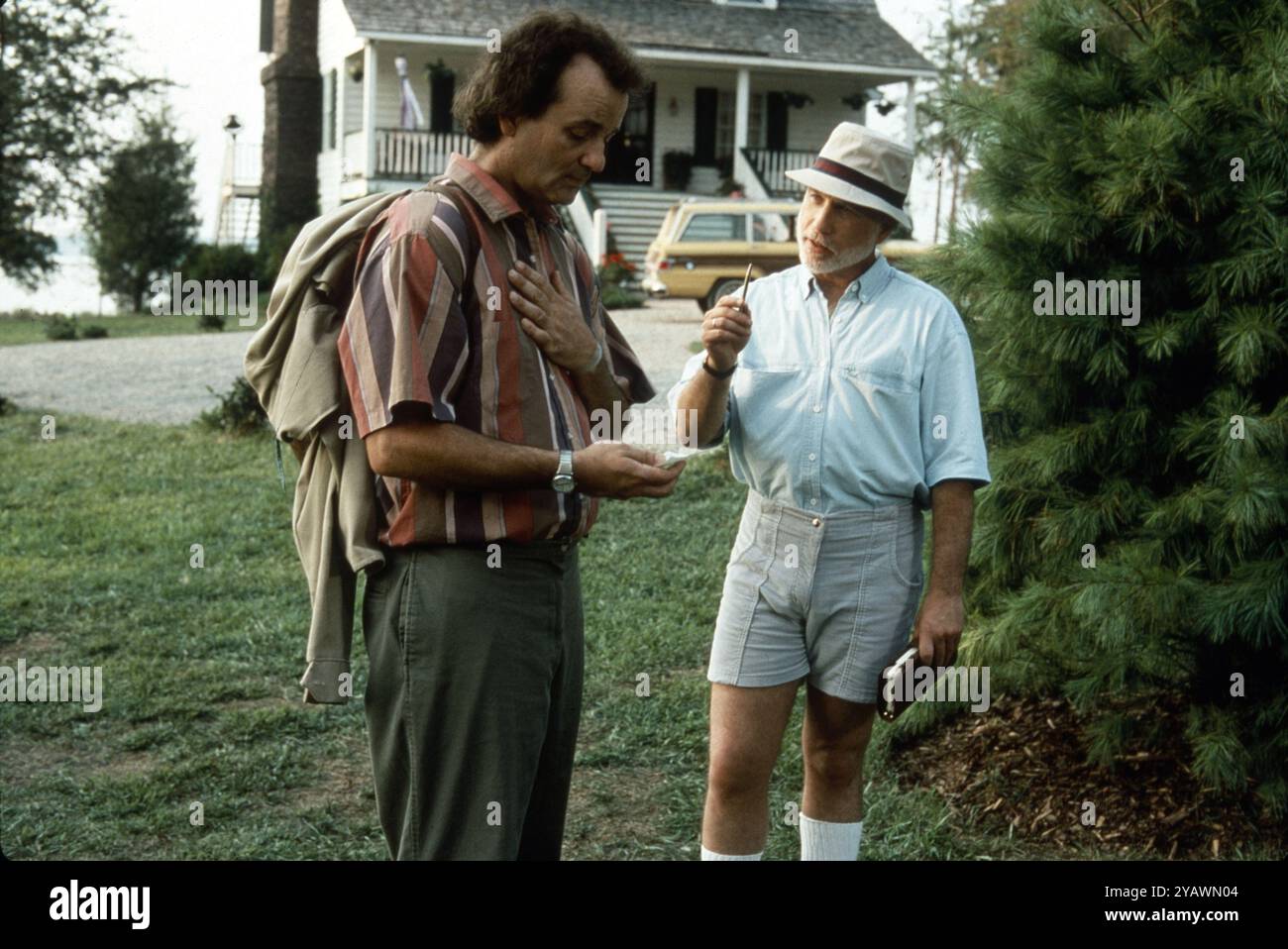
The 1991 comedy starring Bill Murray and Richard Dreyfuss is titled What About Bob? Directed by Frank Oz, the film follows Bob Wiley (Murray), a multi-phobic psychiatric patient who tracks down his ego-driven therapist, Dr. Leo Marvin (Dreyfuss), during the doctor's family vacation. It remains a celebrated touchstone of 90s cinema for its sharp script and the legendary friction between its lead actors.
Released on May 17, 1991, What About Bob? stands as a masterclass in "annoying houseguest" comedy. While it is ostensibly a story about mental health and professional boundaries, it is better remembered for the explosive chemistry—both scripted and real—between its two leads. As we look at the film from the perspective of 2026, its 35th anniversary year, the movie has transitioned from a summer blockbuster into a permanent fixture of comedic history.
This deep dive examines the production history, the psychological archetypes of the characters, the infamous on-set tensions, and where the film stands in the modern landscape of digital streaming and physical media.
The Premise: A Collision of Personalities
At its core, What About Bob? is a subversion of the traditional doctor-patient dynamic. Bob Wiley is introduced as a man paralyzed by a thousand fears: germs, elevators, sailing, and being alone. His previous therapist, desperate to offload him, refers him to Dr. Leo Marvin, a man whose professional success is matched only by his towering narcissism. Leo is on the verge of promoting his new book, Baby Steps, and is preparing for an interview with "Good Morning America" at his summer home in Lake Winnipesaukee.
The conflict arises when Bob, unable to cope with Leo’s one-month vacation, uses a fake suicide threat to track the doctor down. What follows is a slow-motion car crash of boundaries. Bob doesn't just find Leo; he ingratiates himself with Leo's wife, Fay (Julie Hagerty), and their two children, Anna and Siggy.
The genius of the screenplay by Tom Schulman (who also wrote Dead Poets Society) lies in the inversion of "sanity." As Bob becomes increasingly functional and beloved by Leo’s family, the "sane" Dr. Marvin descends into a murderous, obsessive rage. By the third act, the roles have effectively swapped: the patient is cured by the family’s affection, and the doctor is driven catatonic by his patient’s existence.
The "Baby Steps" Philosophy and Its Real-World Impact
One of the most enduring legacies of the film is the concept of "Baby Steps." In the movie, Dr. Marvin’s book suggests that huge, daunting tasks can be overcome by focusing on tiny, manageable increments. "Baby steps to the door, baby steps to the elevator."
While the film presents this as a somewhat shallow self-help gimmick designed to sell books, the concept of incremental progress is actually a cornerstone of Cognitive Behavioral Therapy (CBT). In 2026, the term "baby steps" remains part of the common vernacular, often used without people even realizing they are quoting a 1991 comedy.
Bob’s literal interpretation of the advice—physically inching his way across a room—is where the comedy finds its legs. It highlights the gap between clinical theory and the lived experience of someone struggling with severe anxiety. Murray’s performance manages to make Bob’s intrusive behavior feel innocent rather than malicious, which is essential for the audience to stay on his side as he systematically ruins Leo’s life.
Behind the Scenes: The Famous Murray-Dreyfuss Feud
The tension on screen between Bob and Leo was bolstered by a very real, very intense animosity between Bill Murray and Richard Dreyfuss. Accounts from the set suggest that the production was anything but a vacation.
The Conflict of Acting Styles
Richard Dreyfuss was a classically trained, Academy Award-winning actor known for his intense preparation and adherence to the script. Bill Murray, a veteran of Saturday Night Live and Second City, was a master of improvisation and spontaneous energy. This "clash of worlds" created an environment where Dreyfuss was frequently frustrated by Murray’s antics.
Notable Incidents
In various interviews over the decades, Dreyfuss has recounted how Murray's behavior ranged from eccentric to confrontational. In one documented instance, Murray allegedly threw director Frank Oz into a lake. In another, during a dinner, Murray reportedly became frustrated with Dreyfuss and threw an ashtray at him (or, by some accounts, a glass).
Dreyfuss famously described Murray as an "Irish drunken bully." Conversely, Murray’s camp suggested that Dreyfuss was overly stiff and took himself too seriously for a comedy. Regardless of the personal toll, this friction translated into an incredible performance dynamic. Every time Leo Marvin winces at Bob’s "Ahoy!" or "Gilles de la Tourette!" outburst, the audience is seeing a version of Dreyfuss’s genuine exasperation.
Technical Specifications and Cast Overview
To understand why the film worked, one must look at the ensemble. While Murray and Dreyfuss are the magnets, the supporting cast provides the necessary ground for the comedy to land.
| Actor | Character | Role/Archetype | Notable Contribution |
|---|---|---|---|
| Bill Murray | Bob Wiley | The "Lovable" Pest | Brought improvisational physical comedy; made the character empathetic. |
| Richard Dreyfuss | Dr. Leo Marvin | The Narcissistic Professional | Provided the "straight man" foil; his descent into madness is the film's climax. |
| Julie Hagerty | Fay Marvin | The Compassionate Enabler | Her airy, kind-hearted nature provides the contrast to Leo's rigidity. |
| Charlie Korsmo | Siggy Marvin | The Relatable Youth | His "Death Therapy" scenes with Bob are among the film's funniest moments. |
| Kathryn Erbe | Anna Marvin | The Rebellious Teen | Represents the family's frustration with Leo's controlling nature. |
Filming Locations: The Illusion of Lake Winnipesaukee
While the movie is set in New Hampshire, it was actually filmed at Smith Mountain Lake in Moneta, Virginia. The production team chose this location because the real Lake Winnipesaukee lacked the specific "look" they wanted for the Marvin vacation home. The house used in the film became a local landmark, and the "Lake Winnipesaukee" tourism board still occasionally fields questions about the movie decades later.
Critical and Commercial Legacy
Upon its release in 1991, What About Bob? was a significant commercial success, grossing over $63 million against a budget of approximately $35 million. Critically, it was praised for its sharp wit and the performances of its leads, though some critics at the time found the ending—where Leo attempts to blow Bob up—a bit too dark for a PG-rated comedy.
In the years since, its reputation has only grown. It is frequently cited as one of Bill Murray’s top five performances, showcasing his ability to play a character who is simultaneously annoying, pathetic, and endearing. For Dreyfuss, it remains a testament to his range; few actors can play "losing one's mind" with as much comedic precision as he does in the film's final act.
Themes of Mental Health
Looking at the film through a 2026 lens, the portrayal of mental health is surprisingly nuanced for a 90s comedy. While Bob’s phobias are played for laughs, the movie also suggests that the "professional" medical establishment (represented by Leo) can be cold, clinical, and more interested in prestige than people. Bob’s "cure" doesn't come from a pill or a textbook, but from being accepted by a family that treats him like a human being rather than a diagnosis.
How to Watch "What About Bob?" in 2026
For those looking to revisit this classic or experience it for the first time, availability remains high due to its status as a "catalogue essential."
- Streaming Platforms: As of 2026, What About Bob? is a staple on platforms owned by Disney (such as Disney+ or Hulu, depending on regional licensing), as the film was originally distributed by Touchstone Pictures.
- Digital Purchase/Rental: It is available in 4K HDR on major VOD storefronts like Apple TV, Amazon Prime Video, and Google Play. The 4K restoration, completed for the film's 30th anniversary, significantly improved the clarity of the lush Virginia greenery and the detail in the "Death Therapy" explosion sequence.
- Physical Media: Collectors can find the movie on Blu-ray and a limited edition 4K Ultra HD disc. These physical editions often include retrospective interviews, though notably, Murray and Dreyfuss have rarely participated in the same bonus features.
Troubleshooting and Common Viewer Questions
When watching What About Bob?, viewers often have questions about the specific conditions Bob suffers from or the logistics of the production.
Is "Death Therapy" a real thing?
In the film, Bob helps Leo's son, Siggy, overcome his fear of diving by telling him they are doing "Death Therapy." This is not a real psychological practice. In the context of the movie, it's a comedic invention that highlights Bob’s unorthodox (and often dangerous) ways of helping the Marvin children, which further infuriates the "by-the-book" Leo.
What is the song Bob hums?
Throughout the movie, Bob hums and sings a variety of tunes, most notably a cheerful, wordless melody that signifies his growing comfort. Bill Murray's penchant for humming was largely improvised, intended to make Bob seem like he was constantly trying to soothe his own internal anxieties.
Does the book Baby Steps exist?
While the book is the central plot device of the movie, it was never released as a real-world self-help book. However, its influence is so vast that many real-world psychology blogs and productivity gurus use the "What About Bob?" analogy to explain the benefits of breaking down large goals.
The Psychological Breakdown: Why Leo Marvin Snaps
The film is often analyzed by psychology students for its portrayal of "counter-transference." This is a phenomenon where a therapist develops an emotional reaction to a patient. In Leo's case, his counter-transference is purely negative.
Leo’s identity is built on being the smartest person in the room. He views himself as a healer and a celebrity. When Bob enters his private sanctuary—his family home—and begins to solve the family's problems (problems Leo couldn't fix), Leo’s ego is shattered. The comedy stems from the fact that Bob isn't trying to destroy Leo; he is trying to love him. To a narcissist like Leo, unearned and unconditional love from a "lesser" person is the ultimate insult.
FAQ: Frequently Asked Questions
Why did Bill Murray and Richard Dreyfuss hate each other?
The animosity was largely due to a clash of professional temperaments. Murray was prone to improvising and unpredictable behavior, while Dreyfuss preferred a structured, disciplined environment. The high-pressure environment of a big-budget comedy set exacerbated these differences, leading to several verbal and nearly physical confrontations.
Where was "What About Bob?" filmed?
The movie was primarily filmed at Smith Mountain Lake in Moneta, Virginia. Despite the script placing the action at Lake Winnipesaukee in New Hampshire, the Virginia location provided the ideal aesthetic and weather conditions for the production's summer schedule.
Is the movie suitable for children?
What About Bob? is rated PG. It contains some mild language and a scene involving a large explosion and a character appearing catatonic, but it is generally considered a family-friendly comedy. Its themes of family dynamics and overcoming fear resonate well with older children and teenagers.
What happened to the house from the movie?
The "Marvin" house is a private residence located on the shores of Smith Mountain Lake. Over the years, it has undergone renovations, but it remains a point of interest for fans of the film who boat past the property.
Who directed "What About Bob?"?
The film was directed by Frank Oz. Oz is also famous for his work as a puppeteer (performing characters like Yoda, Miss Piggy, and Fozzie Bear) and for directing other comedy classics like The HouseSitter and Bowfinger.
Final Recommendation for Viewers
If you are looking for a comedy that balances slapstick humor with deep psychological insight, What About Bob? is an essential watch. Its enduring popularity is a testament to the fact that everyone has felt like a "Bob" at some point—anxious and seeking connection—or a "Leo," feeling like the world is slowly driving them toward a breaking point.
To get the most out of the experience, pay close attention to the background actors and the reactions of the Marvin family members. While Murray and Dreyfuss are the stars, the way the family gradually shifts their allegiance from the rigid father to the chaotic stranger is where the heart of the movie truly lies. Whether you're watching it for the "baby steps" or the legendary "Don't Hassle Me, I'm a Local" t-shirt, this 1991 gem remains as funny in 2026 as it was on its opening weekend.