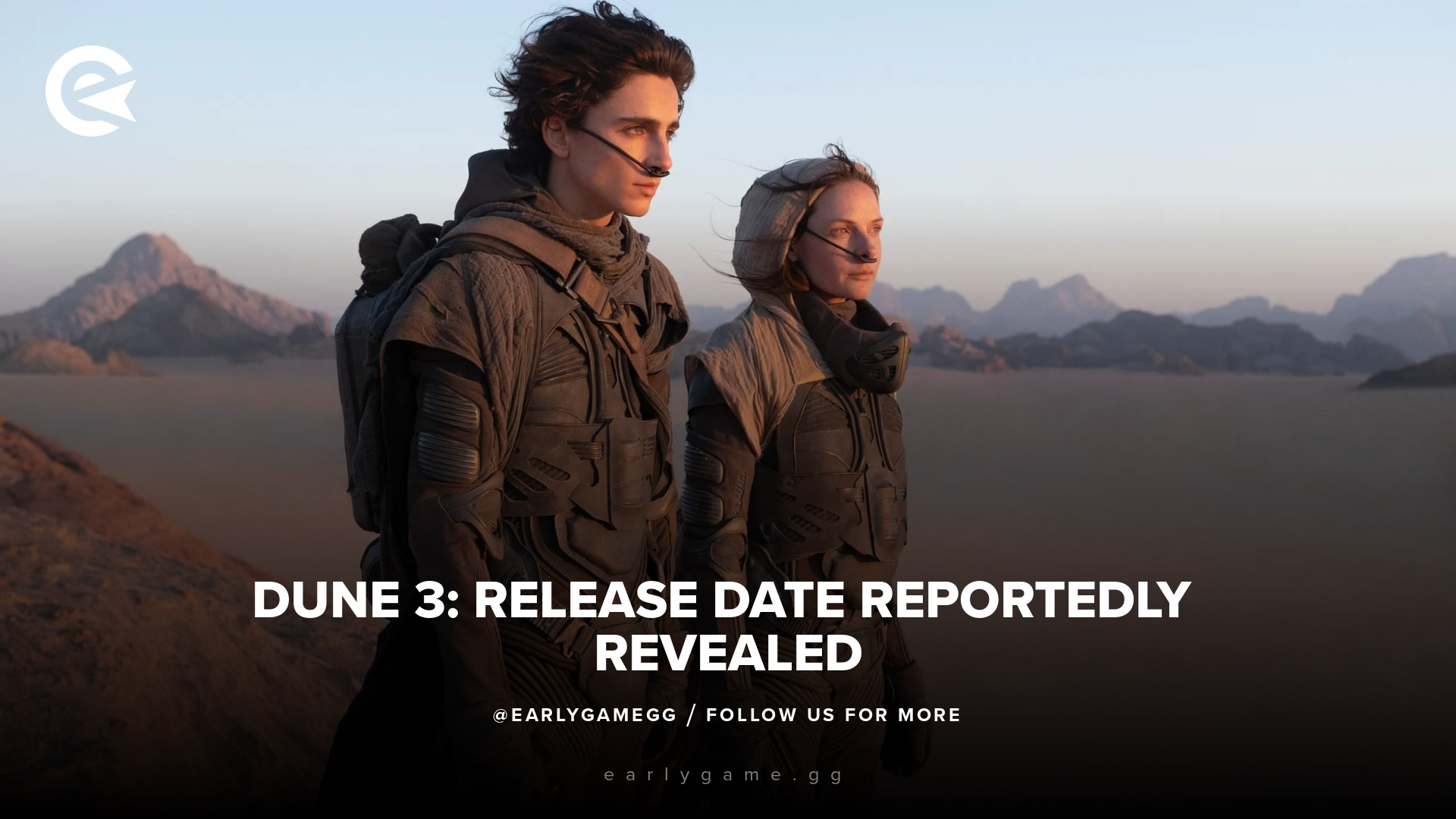
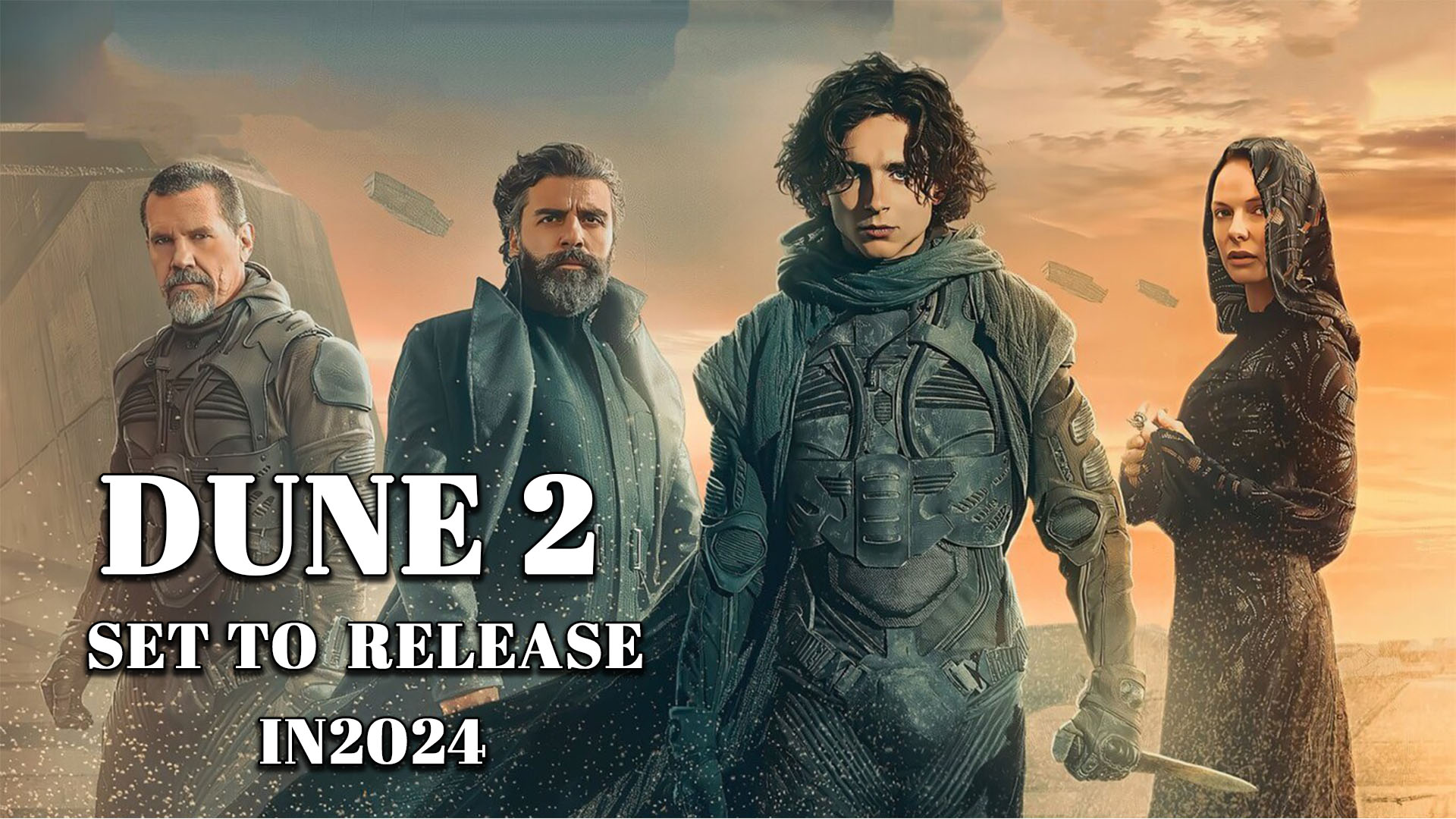
The release of Dune: Part Three—adapting Frank Herbert's Dune Messiah—is anticipated following the massive theatrical success of Denis Villeneuve's first two installments in 2021 and 2024, though Warner Bros. and Legendary Entertainment have slated the film for December 18, 2026. This timeline aligns with the distinct production cycles required for epic science fiction blockbusters, balancing script development, complex visual effects, and principal photography.
The Cultural and Cinematic Context of the Dune Franchise
The modern cinematic journey through Frank Herbert’s universe began long before Denis Villeneuve cameras started rolling. For generations of science fiction enthusiasts, the prospect of a faithful, high-budget adaptation of the seminal 1965 novel felt like an impossible dream. David Lynch’s 1984 adaptation, while maintaining a cult following for its distinct aesthetic and atmospheric ambition, was famously hampered by studio interference, compressed theatrical runtimes, and technological limitations of the era. Subsequent television miniseries by the Sci-Fi Channel in the early 2000s offered deeper fidelity to the text but lacked the cinematic scope and visual grandeur required to capture the scale of Arrakis.
When Denis Villeneuve took the helm of the franchise, his stated vision was to split the dense, complex narrative of the first novel into two distinct cinematic parts. This approach allowed the pacing to breathe, giving audiences time to absorb the political intrigue, ecological themes, and religious subtext of Herbert's universe without sacrificing action or world-building. Dune (2021) and Dune: Part Two (2024) achieved critical acclaim and commercial dominance, grossing over a billion dollars combined worldwide. This success fundamentally changed the Hollywood landscape, proving that complex, hard-science-fiction epics could achieve massive mainstream appeal.
As a result, the conversation rapidly shifted from whether the story would be completed to when the third installment would materialize. While fans sometimes reference an "18-year anticipation" metaphorically—reflecting the long drought of definitive, prestige adaptations since the early 2000s or the generational gap between past cinematic attempts—the actual production timeline for Villeneuve's trilogy is moving at a deliberate, measured pace designed to maintain uncompromising quality.
Decoding the Production Timeline and the 2026 Release Window
Understanding why major cinematic projects require years of gestation involves looking past simple scheduling to examine the realities of modern tentpole filmmaking. Following the release of Dune: Part Two in March 2024, Warner Bros. and Legendary officially dated Dune: Part Three for December 18, 2026. This multi-year gap is not indicative of development hell or production delays; rather, it represents the standard operational window required to bring a universe of this magnitude from the page to the screen.
Denis Villeneuve has consistently maintained that he would only move forward with a third film if the script surpassed the quality of the second and if he felt creatively rejuvenated. Adapting Dune Messiah presents unique narrative challenges. Unlike the first novel, which follows a traditional hero's journey structure culminating in victory and ascension, Dune Messiah is a subversion of that journey. It deals with the corrupting nature of religious fanaticism, political stagnation, and the tragic consequences of absolute power. Translating this cerebral, morally ambiguous text into a compelling cinematic narrative requires meticulous screenwriting.
| Production Phase | Estimated Timeframe | Key Focus Areas |
|---|---|---|
| Script Development | 2024 – Early 2025 | Adapting Dune Messiah, refining character arcs, thematic alignment with Herbert's text. |
| Pre-Production | Mid 2025 – Late 2025 | Location scouting, costume design, storyboarding complex visual sequences, casting. |
| Principal Photography | Late 2025 – Early 2026 | On-location shoots in deserts, soundstage work, capturing practical effects and dialogue. |
| Post-Production | 2026 – Late 2026 | Complex VFX rendering, sound design by Hans Zimmer and team, color grading, editing. |
Adapting Dune Messiah: Narrative Challenges and Expectations
The transition from Dune: Part Two to Dune: Part Three involves a significant narrative time jump. In Frank Herbert's universe, Dune Messiah takes place roughly twelve years after the events of the first novel. Paul Atreides is now the Emperor of the known universe, presiding over a religious jihad carried out in his name by the Fremen—a holy war that has claimed billions of lives across the galaxy.
This thematic shift is crucial for understanding why the production requires careful handling. Mainstream audiences who grew accustomed to rooting for Paul Atreides as an underdog freedom fighter must confront his transformation into a tragic, tyrannical figure trapped by the terrible purpose of his own prescient visions. Villeneuve has noted that the third film will serve as a conclusion to Paul's specific narrative arc, bringing closure to the trilogy before potentially leaving the broader universe untouched, given that subsequent books like Children of Dune grow increasingly esoteric and difficult to adapt.
Furthermore, the technical demands of realizing Dune Messiah on screen are immense. The novel introduces new factions, political conspiracies involving the Spacing Guild, the Bene Tleilax, and resurrected characters such as a ghola of Duncan Idaho. Translating these dense sci-fi concepts into visually grounded, cinematic realities demands months of collaborative work between production designers, costume specialists, and digital effects artists.
Cast, Crew, and Creative Continuity
One of the primary drivers of confidence among fans regarding the third installment is the retention of the core creative team. Denis Villeneuve has repeatedly confirmed his return to the director's chair, ensuring stylistic consistency across the trilogy. Greig Fraser, whose cinematography defined the stark, naturalistic aesthetic of Arrakis and Giedi Prime, is expected to helm the camera work, utilizing digital and IMAX formats to maintain the signature look of the franchise.
Similarly, composer Hans Zimmer is anticipated to return, continuing his groundbreaking sonic exploration of the desert planet. Zimmer's score for the first two films relied on unique, custom-built instruments, vocal chants, and synthesized soundscapes that became as iconic to the modern era of the franchise as the visual design.
On the performance front, the core ensemble cast is expected to reprise their roles to reflect the aging and political maturation of the characters:
- Timothée Chalamet as Paul Atreides, navigating the burden of emperorship and religious deification.
- Zendaya as Chani, whose ideological divergence from Paul forms the emotional core of the narrative conflict.
- Florence Pugh as Princess Irulan, maneuvering through court intrigue and political survival.
- Anya Taylor-Joy as Alia Atreides, assuming her unique and complex role within the unfolding geopolitical landscape.
Frequently Asked Questions
Is Dune 3 based on the book Dune Messiah?
Yes, Dune: Part Three will adapt Frank Herbert's second novel in the series, Dune Messiah. This book continues the story of Paul Atreides twelve years into his reign as Emperor, exploring the dark consequences of the holy war fought in his name and the complex political conspiracies arrayed against him.
Why is there a multi-year gap between Dune 2 and Dune 3?
The gap between releases is driven by the intensive requirements of high-budget science fiction production. Director Denis Villeneuve spent time developing a rigorous screenplay adaptation before moving into pre-production, principal photography, and extensive visual effects and sound design phases required to meet the franchise's cinematic standards.
Will Dune 3 be the final movie in the franchise directed by Denis Villeneuve?
Denis Villeneuve has stated that Dune: Part Three will serve as his final contribution to the cinematic franchise. He views the trilogy—encompassing the first novel and Dune Messiah—as a complete thematic arc centered on the warning against charismatic leaders, after which he intends to step away from the universe.
How does Dune Messiah differ in tone from the first two movies?
While the first two films follow a grand, epic hero's journey structure, Dune Messiah is a deconstruction of that archetype. It adopts a more intimate, psychological, and tragic tone, focusing on political paranoia, religious disillusionment, and the inescapable nature of prophecy rather than large-scale planetary warfare.
Strategic Next Steps for Franchise Fans
For enthusiasts tracking the development of the third installment, staying informed through verified entertainment industry trades and official studio announcements is the most reliable approach. Avoid speculative reports regarding leaked casting or altered release dates, as major studio timelines are subject to standard post-production adjustments. Revisiting Frank Herbert's Dune Messiah ahead of the premiere provides the ideal contextual foundation for understanding the narrative themes Villeneuve intends to bring to the screen.