Filing Form 1099-MISC requires businesses to accurately report miscellaneous income—such as rent, prizes, and medical payments—to both the Internal Revenue Service (IRS) and the recipients by specific deadlines to avoid costly penalties. Navigating the nuances of independent contractor reporting, threshold requirements, and filing procedures can often feel overwhelming for small business owners, freelancers, and accounting professionals alike.
Understanding the Purpose and Evolution of Form 1099-MISC
Form 1099-MISC (Miscellaneous Information) is an information return used by businesses to report certain types of financial transactions made to non-employees in the course of a trade or business. For many years, this single form served as the universal tool for reporting both non-employee compensation and various types of miscellaneous income. However, significant structural changes implemented by the IRS transformed how businesses report payments.
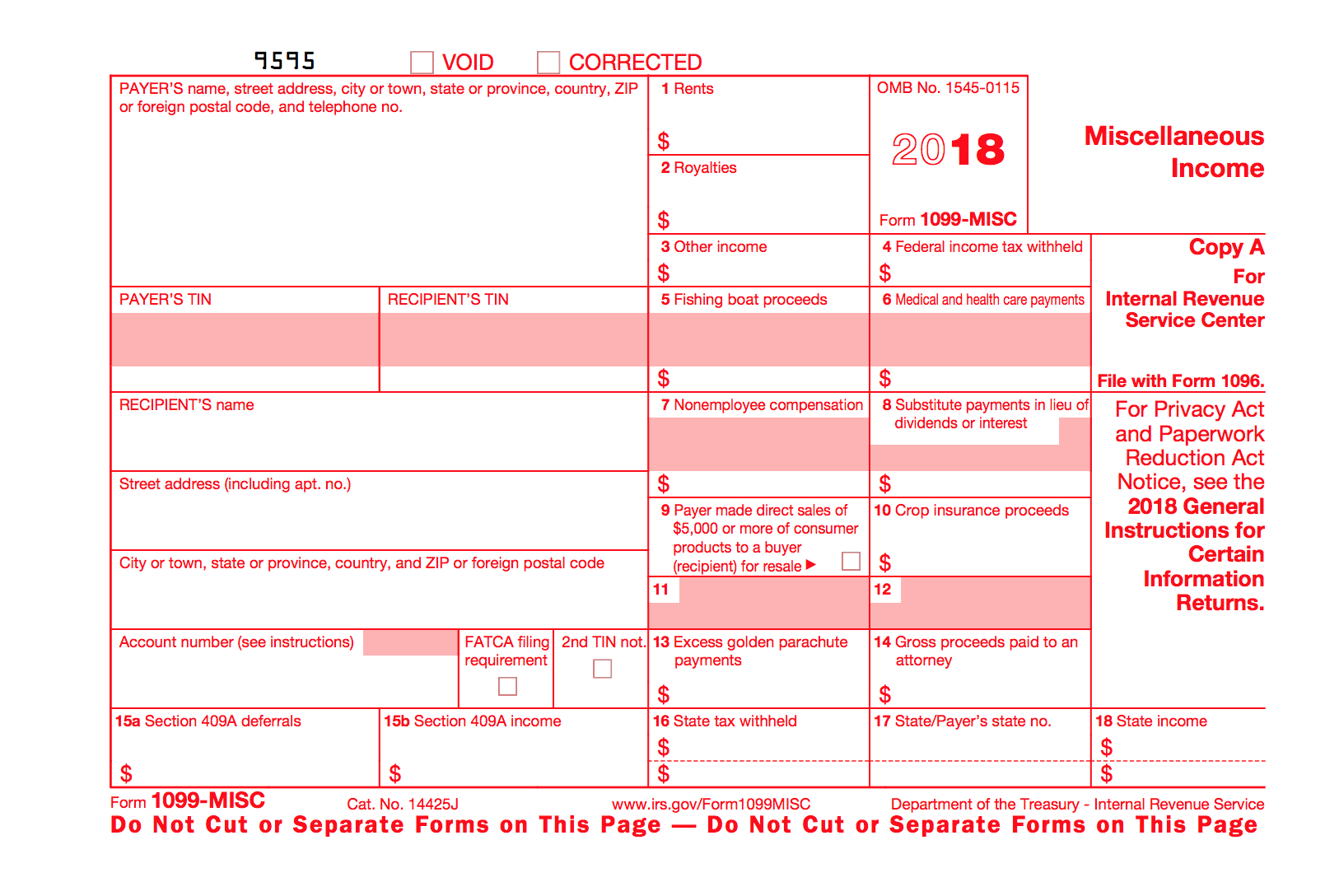
The most notable shift occurred when the IRS reintroduced Form 1099-NEC (Nonemployee Compensation) to report payments made to independent contractors, freelancers, and vendors. Prior to this separation, Form 1099-MISC handled these payments in Box 7. Today, Form 1099-NEC is strictly designated for nonemployee compensation, while Form 1099-MISC has reverted to its original, narrower focus: reporting miscellaneous types of income that do not fit neatly into standard wage or compensation reporting structures.
Understanding this division is essential for compliance. Mistakenly reporting independent contractor labor on a 1099-MISC instead of a 1099-NEC can trigger automated processing errors, delayed notices, and potential penalties from tax authorities. Payers must carefully evaluate the exact nature of the payment to determine which form applies.
Who Must File Form 1099-MISC?
The legal obligation to file Form 1099-MISC falls upon any individual, business, or entity engaged in a trade or business that makes specified types of payments during the calendar year.
Trade or Business Requirement
The requirement applies strictly to business-related transactions. Personal expenses, such as hiring a contractor to paint your personal residence, generally do not trigger a 1099 filing requirement. However, if a landlord rents out commercial property or a residential duplex as part of a rental business, they are considered engaged in a trade or business and must issue the form when payment thresholds are met.
Exempt Entities
While most business structures—including sole proprietorships, partnerships, limited liability companies (LLCs), and S corporations—must file, certain recipients are exempt from receiving a 1099-MISC. Payments made to corporations (both C and S corporations) generally do not require a 1099, with specific exceptions such as payments for legal services, medical and healthcare payments, and gross proceeds paid to attorneys. Additionally, payments made to tax-exempt organizations, government agencies, and corporate vendors are typically exempt.
To verify whether a payee is exempt or requires a 1099, businesses should request a completed Form W-9 (Request for Taxpayer Identification Number and Certification) before releasing any funds. This document provides the legal name, tax classification, and Taxpayer Identification Number (TIN) needed for reporting.
Key Thresholds and Types of Income Reported on Form 1099-MISC
Form 1099-MISC covers a diverse range of payment categories. Each category carries a specific dollar threshold that triggers the filing requirement. If total payments to a single recipient meet or exceed the statutory threshold within the calendar year, reporting is mandatory.
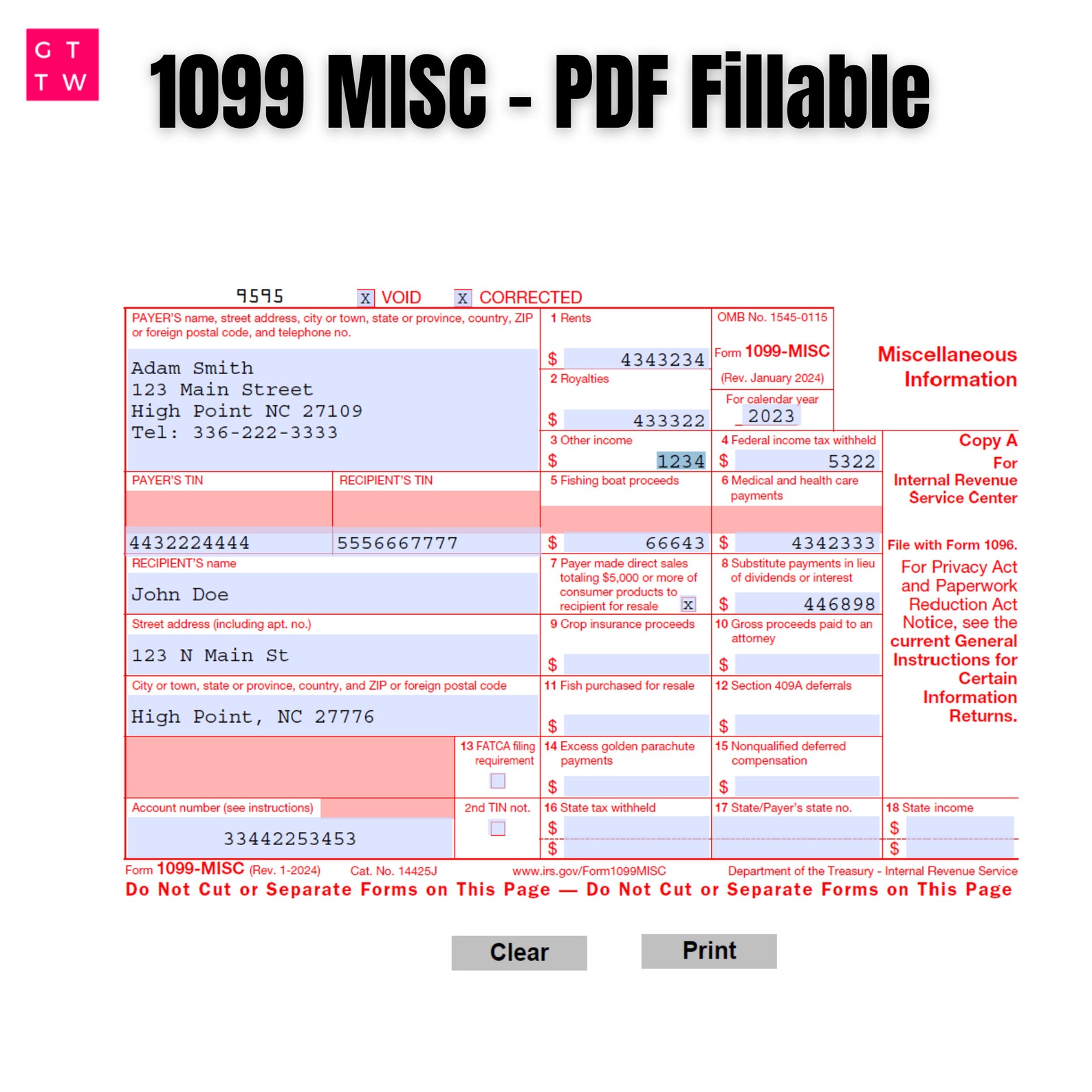
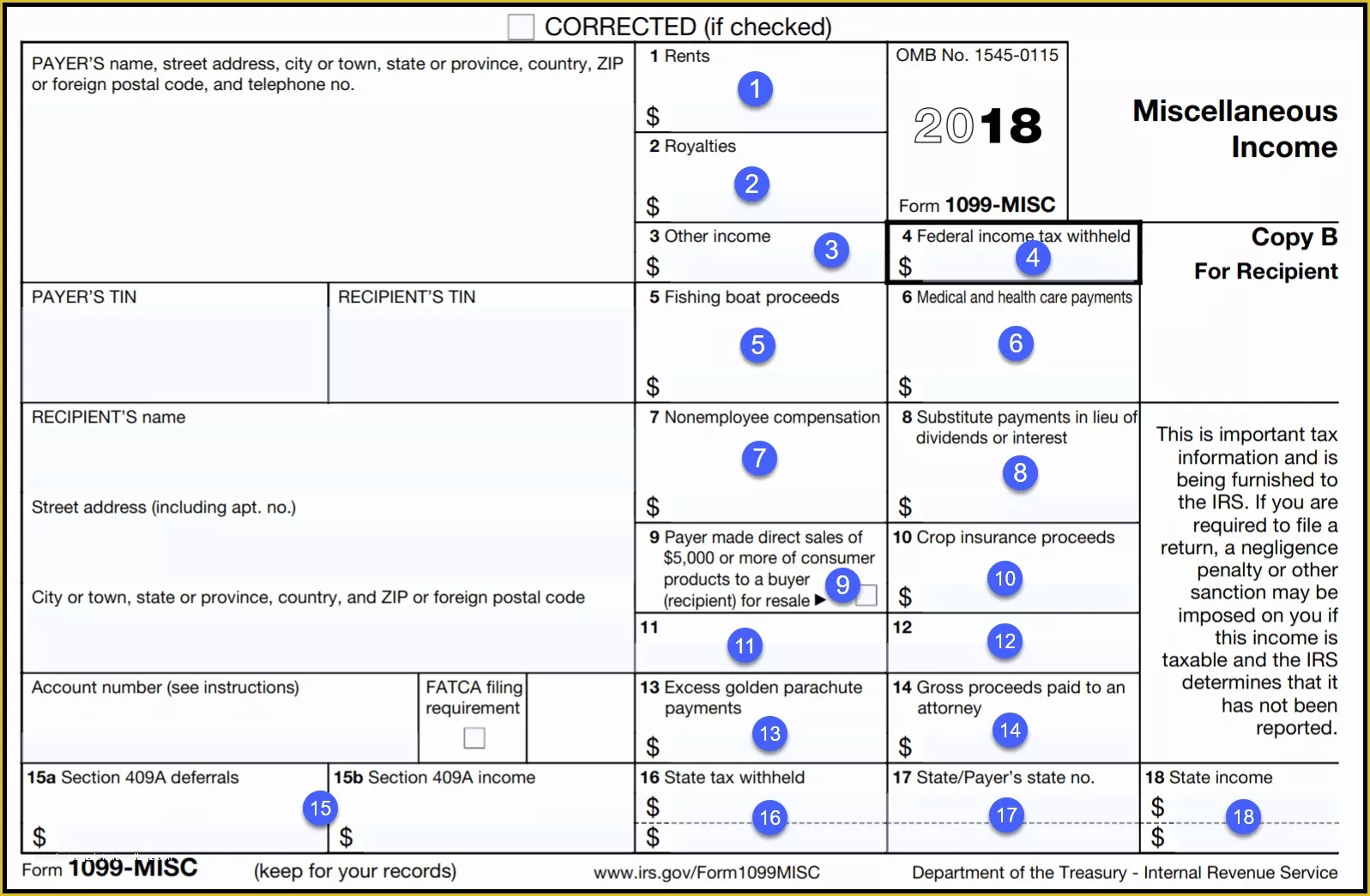
| Income Type | Reporting Threshold | Box Location on Form 1099-MISC |
|---|---|---|
| Rents | $600 or more | Box 1 |
| Prizes and Awards | $600 or more | Box 3 |
| Other Income Payments | $600 or more | Box 3 |
| Medical and Healthcare Payments | $600 or more | Box 6 |
| Direct Sales (Consumer Products for Resale) | $5,000 or more (retail value) | Box 7 |
| Crop Insurance Proceeds | $600 or more | Box 9 |
| Gross Proceeds Paid to an Attorney | $600 or more | Box 10 |
| Section 409A Deferrals | Variable | Box 12 |
Detailed Breakdown of Major Boxes
- Box 1 (Rents): Includes real estate rentals paid for office space, machinery rentals, and land rent. However, if rent is paid to a real estate agent or property manager, the business typically reports the payment to the agent, and the agent files the 1099 for the property owner.
- Box 3 (Other Income): Captures taxable prizes, awards, punitive damages, and awards that do not represent wages. It is also used for hobby income or death benefits paid by an employer.
- Box 6 (Medical and Healthcare Payments): Requires reporting of payments made to physicians, pharmacies, or other suppliers and providers of medical services in the course of your trade or business. Corporations providing healthcare services are not exempt from this box.
- Box 10 (Gross Proceeds Paid to an Attorney): Unlike standard attorney fees (which go on Form 1099-NEC), gross proceeds paid to an attorney in connection with legal services—often stemming from settlements—must be reported on Form 1099-MISC regardless of whether the attorney is incorporated.
Deadlines and Filing Procedures
Meeting IRS filing deadlines is critical to avoiding statutory penalties. The filing calendar involves two distinct sets of dates: furnishing forms to recipients and filing copies with the IRS.
Key Deadlines
- Furnishing to Recipients: Payers must provide Copy B of Form 1099-MISC to the recipient by January 31 of the year following the payment.
- Filing with the IRS (Paper): If filing paper forms, the deadline is typically February 28.
- Filing with the IRS (Electronic): If filing electronically through the IRS Filing Information Returns Electronically (FIRE) system or modern successor platforms, the deadline is extended to March 31.
Electronic Filing Mandates
The IRS has significantly lowered the electronic filing threshold for information returns. Under current Treasury regulations, if a business files a total of 10 or more information returns (combining all variants of 1099s, W-2s, and other returns) during the calendar year, electronic filing is mandatory. Relying on paper filing when subject to the e-filing mandate can result in severe failure-to-file penalties.
Common Mistakes and Troubleshooting Form 1099-MISC Errors
Even experienced administrators make errors when preparing information returns. Recognizing and troubleshooting these mistakes prevents costly correspondence with tax agencies.
1. Confusing 1099-MISC with 1099-NEC
The most frequent error is reporting independent contractor service fees in Box 3 of Form 1099-MISC instead of filing Form 1099-NEC. Independent contractor compensation must always be reported on Form 1099-NEC. Using the wrong form can cause system mismatch errors and require filing corrected returns.
2. Missing or Incorrect Taxpayer Identification Numbers (TINs)
If a payee's name and TIN do not match IRS records, the IRS will issue a CP2109 notice (commonly known as a "B-Notice"). Payers must promptly address backup withholding requirements and request updated W-9 documentation from the contractor to resolve discrepancies.
3. Missing Filing Deadlines
Failing to file or furnish forms on time triggers escalating penalty tiers based on how late the filing occurs. Businesses should utilize accounting software or trusted third-party e-file providers to automate tracking and submission.
Frequently Asked Questions
Do I need to issue a 1099-MISC if I paid an independent contractor through PayPal or credit card?
No. Payments settled through third-party payment networks (such as PayPal, Stripe, or credit card processors) are reported by the payment platform on Form 1099-K. To prevent double-reporting, businesses should exclude these transactions when calculating direct cash, check, or ACH payments that meet the $600 threshold for 1099 reporting.
Are LLCs exempt from receiving a Form 1099-MISC?
It depends on the LLC's tax classification. Single-member LLCs treated as disregarded entities or partnerships generally must receive a 1099 if payment thresholds are met. However, LLCs taxed as C corporations or S corporations are typically exempt. Always rely on the entity classification stated on the contractor’s completed Form W-9.
What should I do if I discover an error on a filed Form 1099-MISC?
If you discover an incorrect amount or payee detail after filing, you must submit a corrected return immediately. Check the "CORRECTED" box at the top of the Form 1099-MISC, complete the form with the accurate information, and file the corrected copy with the IRS while furnishing a corrected copy to the recipient.
Does a landlord need to issue a 1099-MISC for property repairs?
Yes. If you operate a rental real estate business and pay an unincorporated handyman, plumber, or contractor $600 or more for repairs and maintenance during the year, you must issue a Form 1099-NEC (for labor) or Form 1099-MISC (depending on the exact service classification). Always collect a W-9 before work begins.
What penalties apply for failing to file Form 1099-MISC on time?
IRS penalties for late or incorrect information returns scale based on the delay duration and the size of the business. Penalties apply per form for failing to file with the IRS and failing to furnish copies to recipients. Intentional disregard of filing requirements incurs substantially higher, uncapped fines.
For specific legal or accounting advice tailored to your business structure and operational jurisdiction, consult a certified public accountant (CPA) or qualified tax professional to ensure full compliance with federal and state reporting regulations.