Effective public speaking relies on thorough preparation, strategic message structuring, and deliberate physical delivery to engage audiences and communicate ideas with clarity and impact. Whether presenting to a corporate boardroom, lecturing in an academic hall, or delivering a community keynote, mastering the art of public speaking transforms anxious energy into confident, persuasive communication.
Understanding the Fundamentals of Public Speaking
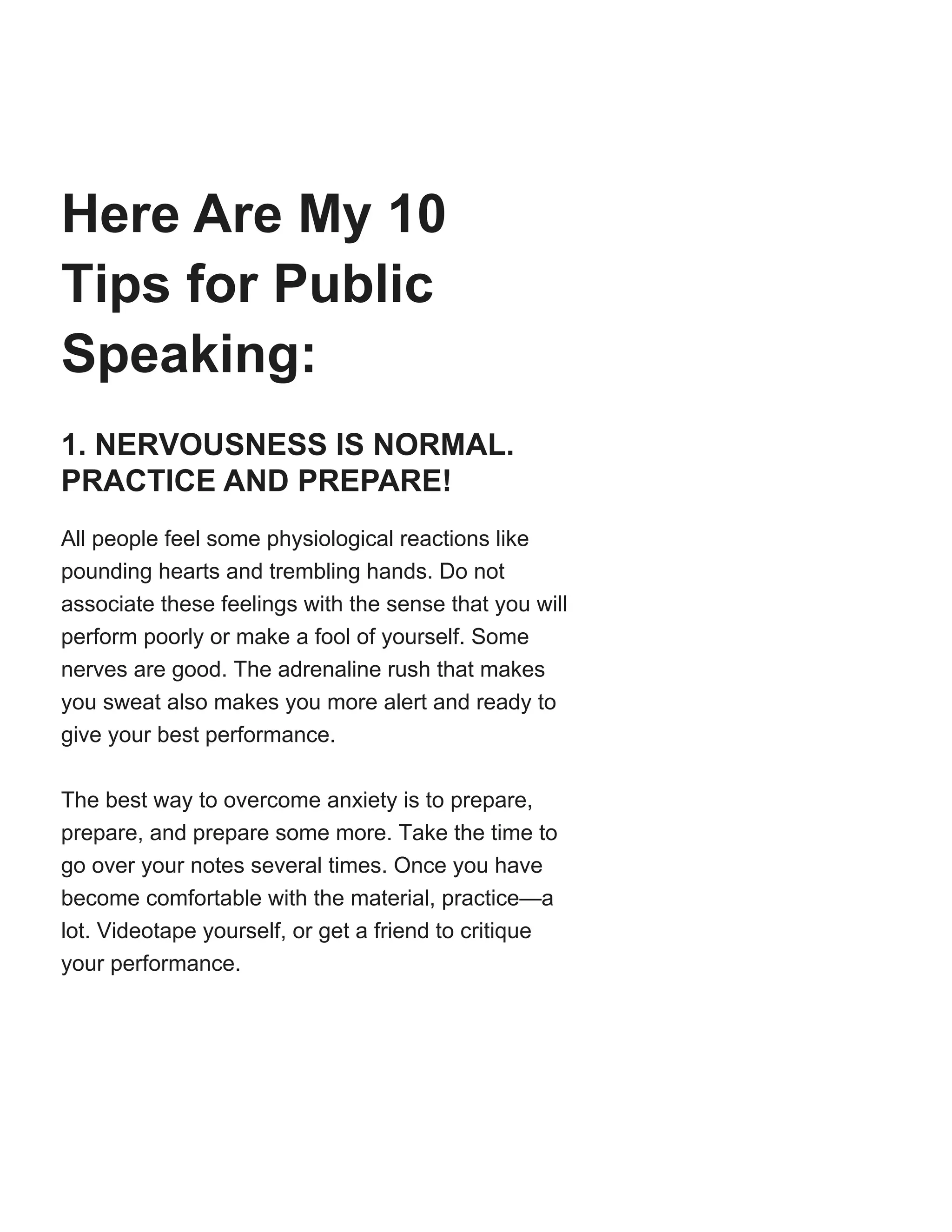
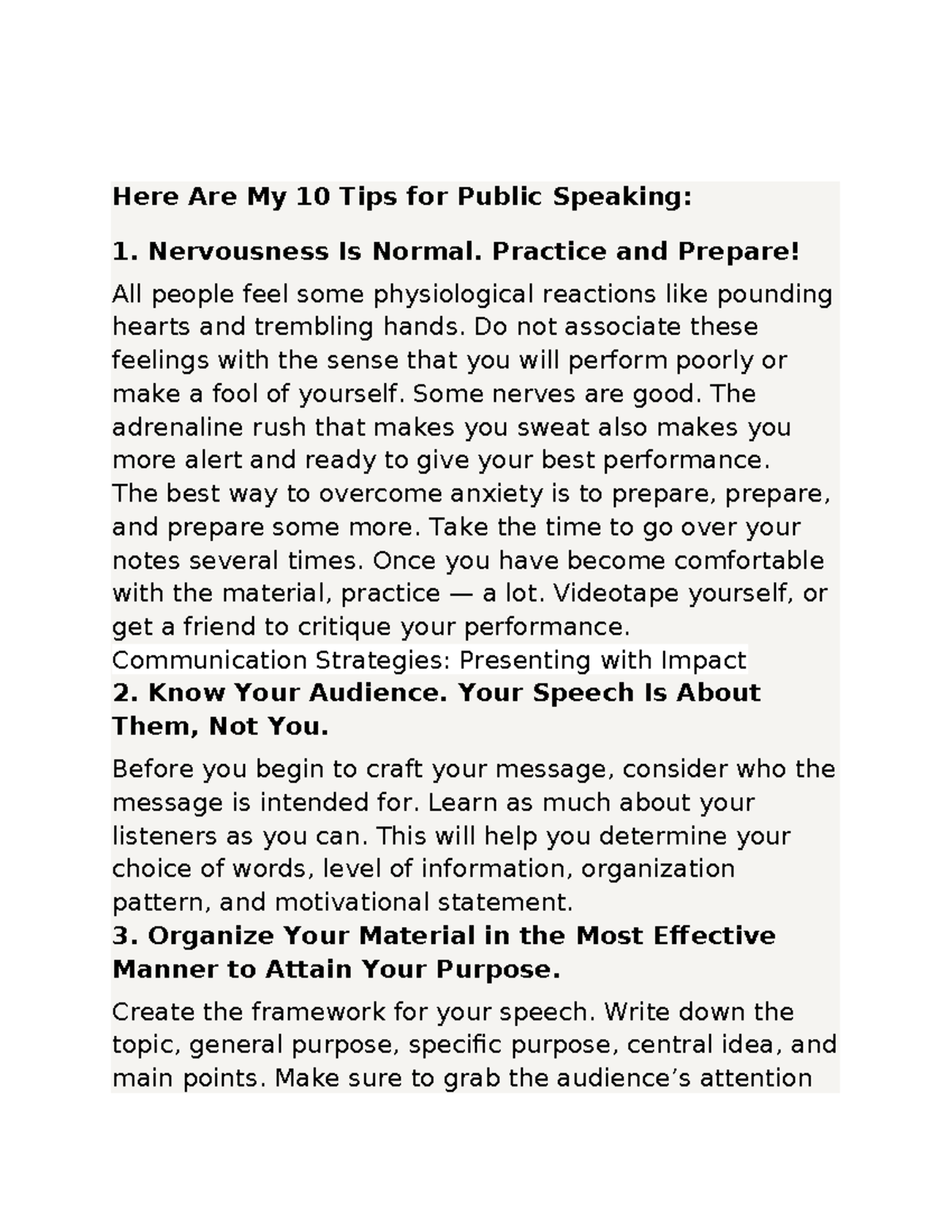
Public speaking is more than just reading a script aloud to a room full of people; it is an active exchange of energy, ideas, and emotion between a speaker and an audience. Many individuals experience glossophobia, the clinical term for the fear of public speaking, which manifests as a physiological stress response including elevated heart rates, dry mouths, and racing thoughts. Recognizing that this anxiety is a normal biological reaction is the first step toward managing it effectively.
Before diving into the core techniques, it is essential to establish what public speaking is not. It is not a performance where you must play an entirely different persona. Rather, it is an amplification of your authentic professional voice. By focusing on the audience's needs rather than your own internal anxieties, you shift the dynamic from a stressful evaluation to a collaborative learning experience.
1. Know Your Audience Inside and Out
The cornerstone of any successful presentation is a deep understanding of who is sitting in the room. Tailoring your language, tone, and examples to the specific demographics, professional backgrounds, and expectations of your listeners ensures your message resonates.
- Analyze Demographics: Consider the age, professional seniority, and cultural background of your audience. A technical deep-dive that captivates software engineers will alienate a room of executive stakeholders.
- Identify Pain Points: Ask yourself what problem your audience is trying to solve. When you structure your speech around answering their pressing questions, engagement increases organically.
- Adjust Complexity: Calibrate your vocabulary and industry acronyms to match the listeners' expertise level. When introducing advanced concepts, provide clear definitions without sounding condescending.
2. Structure Your Content with a Clear Arc
A disorganized speech leaves listeners confused and exhausted. Every effective presentation follows a classic structural arc: a compelling introduction that states the core premise, a well-supported body that explores key arguments, and a memorable conclusion that calls the audience to action.
Your introduction should capture attention immediately through a striking statistic, a brief relevant anecdote, or a provocative question. Avoid starting with generic housekeeping items or lengthy apologies. The body of your speech should contain no more than three primary points; cognitive load research shows that human working memory struggles to retain more than a handful of distinct concepts at once.
3. Practice Deliberately, Not Just Mechanically
Memorizing a speech word-for-word often leads to disaster if you lose your place, resulting in robotic delivery and heightened panic. Instead, practice deliberate rehearsal by focusing on the flow of your ideas, transition phrases, and core milestones.
- Use Outline Cards: Rely on concise bullet points rather than dense paragraphs of text to keep yourself on track.
- Rehearse in Environment: If possible, practice in the actual room where you will speak. Familiarize yourself with the acoustics, lighting, and physical boundaries of the stage.
- Time Yourself: Always run through your presentation at conversational speed to ensure you stay well within your allotted window, leaving adequate time for questions.
4. Master Non-Verbal Communication and Body Language
Studies in human communication consistently demonstrate that non-verbal cues—such as posture, facial expressions, and hand gestures—carry immense weight in how a message is received. Standing with an open posture projects confidence and authority.
Avoid pacing back and forth nervously or crossing your arms defensively. Instead, use purposeful movement on stage to emphasize transitions between major points. Maintain natural eye contact by scanning different sections of the room rather than staring fixedly at the back wall or a single friendly face.
5. Harness the Power of Vocal Variety
Monotone delivery is the fastest way to lose an audience's attention, regardless of how compelling your underlying data might be. Cultivating vocal variety involves modulating four distinct elements of your speech:
- Pitch: Raise or lower your natural vocal register to emphasize emotional shifts or highlight critical takeaways.
- Pace: Speed up slightly to convey excitement or urgency, and slow down deliberately when introducing complex ideas that require digestion.
- Volume: Lower your voice momentarily to draw an audience in, creating intimacy, and project cleanly to reach the back of the room during climactic moments.
- Pauses: Strategic silence is a powerful tool. A two-second pause after a major statement allows the audience to absorb the impact of your words.
6. Utilize Visual Aids Sparingly and Effectively
Visual aids, such as slide decks or physical props, should serve exclusively to reinforce your spoken words, not replace them. A common mistake is packing slides with dense paragraphs of text that the speaker simply reads aloud.
Keep text to an absolute minimum—relying on high-impact imagery, minimalist charts, or single-word focal points. If an audience is busy reading a wall of text on a projector screen, they have stopped listening to your voice. Ensure all visual elements are accessible, using high-contrast color palettes and legible font sizes suitable for the furthest viewer in the room.
7. Reframe Anxiety into Excitement
Physiologically, anxiety and excitement share identical markers: elevated adrenaline, increased heart rate, and heightened alertness. Telling yourself to "calm down" when you are terrified is psychologically difficult because your nervous system is primed for action.
Instead, practice cognitive reappraisal by telling yourself, "I am excited to share this important information." This simple reframing tricks your brain into interpreting physical arousal as positive anticipation rather than impending doom. Deep diaphragmatic breathing—inhaling slowly for four seconds, holding for four, and exhaling for four—also activates the parasympathetic nervous system to lower physical tension.
8. Engage Your Audience Interactively
A speech should rarely feel like a one-way lecture. Inviting audience participation transforms passive listeners into active stakeholders in your presentation.
- Rhetorical Questions: Pose questions that prompt mental reflection without requiring verbal answers.
- Polls and Show of Hands: For smaller or medium-sized groups, asking attendees to raise their hands on a specific topic provides real-time data on your audience's composition.
- Q&A Integration: Dedicate the final portion of your time to addressing questions. Anticipate difficult or skeptical inquiries in advance so you can answer them with poise and factual backing.
9. Public Speaking Comparison and Strategy Matrix
To help you select the right approach for your upcoming speaking engagement, review the comparison matrix below detailing format characteristics, preparation intensity, and primary audience engagement styles.
| Format Type | Primary Objective | Prep Intensity | Ideal Visual Aid | Audience Interaction Level |
|---|---|---|---|---|
| Keynote Address | Inspire and set a thematic tone | High (Weeks of rehearsal) | Cinematic minimalist slides | Low (Primarily Q&A at end) |
| Corporate Pitch | Persuade stakeholders / Secure buy-in | Very High (Data validation) | Detailed financial/metric charts | Moderate (Frequent interruptions/questions) |
| Academic Lecture | Educate and transfer deep knowledge | Moderate (Curriculum-based) | Structured outlines / Diagrams | Moderate (Interactive classroom style) |
| Lightning Talk | Deliver concise, high-impact points | Extreme (Strict time limits) | Single focal image per point | None (Strictly timed delivery) |
10. Learn from Every Single Performance
No speaker delivers a flawless presentation every single time. True mastery comes from critical self-evaluation and a willingness to iterate.
Record your presentations whenever possible—either via video or audio—and review them objectively. Look for nervous verbal tics (such as excessive use of "um," "uh," or "like"), awkward physical postures, or sections where your pacing dragged. Furthermore, actively solicit constructive feedback from trusted colleagues or event organizers. Treat every speaking opportunity as a laboratory for continuous improvement.
Frequently Asked Questions
How can I stop saying "um" and filler words while speaking?
Filler words usually occur when your brain is searching for the next thought while your mouth keeps moving. To eliminate them, replace the filler sound with absolute silence. Practice pausing deliberately for one to two seconds whenever you feel a filler word approaching. Over time, audiences perceive silence as thoughtful consideration rather than hesitation.
What should I do if I completely lose my place during a presentation?
First, do not panic; the audience rarely notices a brief pause as much as you do. Take a slow, deep breath, look down at your outline cards to find your next major heading, and resume speaking at a calm pace. If necessary, briefly summarize your last sentence to bridge the gap smoothly.
How do I handle hostile or difficult audience members during a Q&A?
Maintain your composure and respond with professional neutrality. Listen to the core of their critique without taking it personally, validate any legitimate aspect of their perspective, and pivot back to objective facts or data. If an individual attempts to hijack the session with a prolonged debate, politely offer to continue the discussion offline once the main event concludes.
Is it acceptable to read from a script during a public speech?
Reading word-for-word from a script is generally discouraged because it flattens vocal variety and destroys natural eye contact. If you must use a manuscript due to regulatory or legal requirements, practice lifting your head at the end of every sentence, using your finger to track your place so you can look directly at the audience while delivering key clauses.
How long should I practice before delivering a high-stakes presentation?
For a standard 20-to-30-minute presentation, aim for four to six targeted practice sessions spread across several days. Avoid cramming all your rehearsal hours into the night before, as mental fatigue will degrade your delivery and heighten anxiety on the day of the event.
Next Steps for Public Speaking Success
Begin your journey by recording a three-minute audio clip of yourself speaking about a familiar topic, then review it to identify your natural vocal patterns and common filler words. Incorporate one or two techniques from this guide into your next low-stakes meeting or presentation, gradually building your confidence for larger, high-visibility stages.