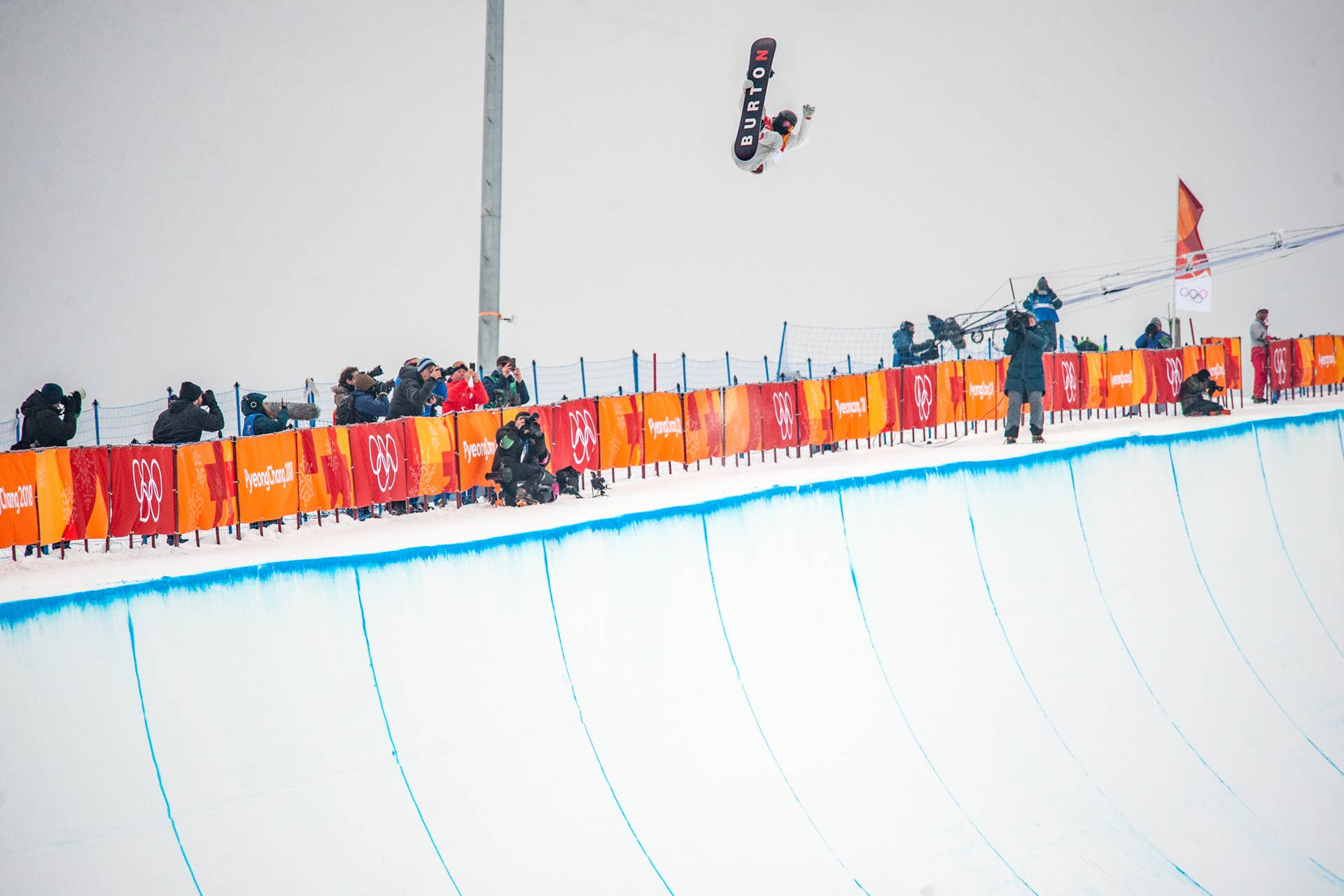
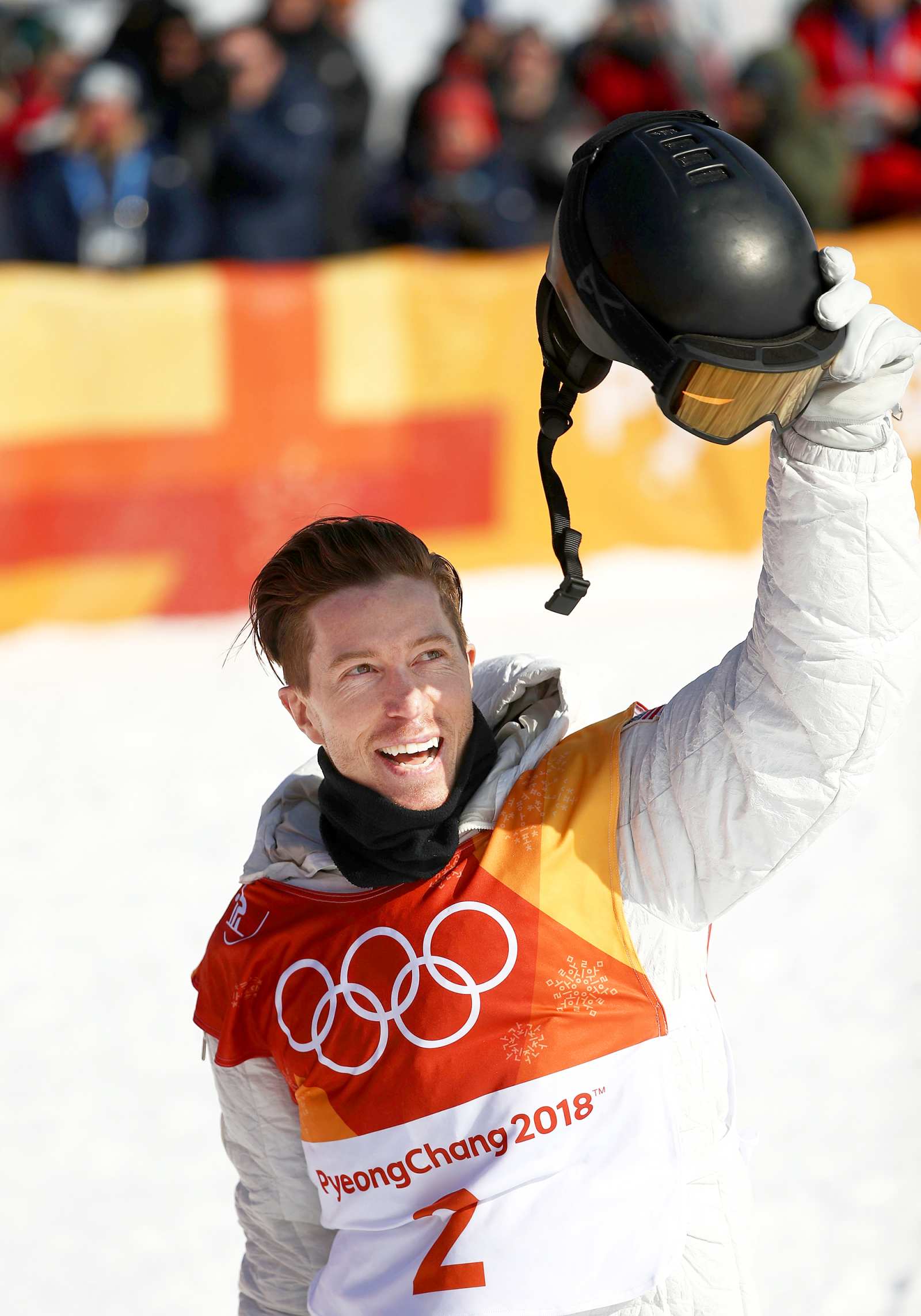
Shaun White’s gold-medal-winning performance in the men's halfpipe at the 2018 PyeongChang Winter Olympics is available through official Olympic channel archives on YouTube. This iconic run, which earned a score of 97.75, represents a definitive moment in competitive snowboarding, showcasing White's ability to execute back-to-back 1440s under immense pressure during his final attempt.
The Significance of the 2018 PyeongChang Halfpipe Final
The 2018 Winter Olympics men's halfpipe final is widely regarded as one of the most dramatic contests in the history of the sport. Coming into the event, Shaun White was a seasoned veteran looking to reclaim his dominance after a disappointing finish in 2014. The competition featured a high caliber of riders, including Japan’s Ayumu Hirano and Australia’s Scotty James, both of whom had posted formidable scores that pushed the technical requirements of the discipline to new heights.
Shaun White’s final run is frequently analyzed by enthusiasts and athletes alike because it represents a "clutch" performance—the ability to perform at a world-class level when the margin for error is nonexistent. Trailing Hirano after two runs, White required a near-flawless display to secure the gold. His decision to include a sequence of back-to-back 1440s—a technical maneuver that requires immense spatial awareness and core strength—solidified his win and serves as a masterclass in professional halfpipe progression.
How to Locate Authentic Footage on YouTube
Because Olympic broadcasting rights are highly protected, the availability of footage on YouTube can vary by region. The primary source for viewing this event is the official Olympic YouTube channel. To ensure you are watching the high-definition, verified recording of the event, follow these guidelines:
- Access the Official Channel: Navigate to the official Olympics YouTube channel. Using search terms like "Shaun White 2018 halfpipe gold medal run" will typically filter out lower-quality user uploads in favor of the official rights-holder content.
- Verify the Source: Look for the "Verified" checkmark next to the channel name. Official Olympic content is uploaded under the "Olympics" or "IOC" umbrella.
- Regional Restrictions: Due to licensing agreements between the International Olympic Committee (IOC) and national broadcasters (such as NBC in the United States), certain full-event replays may be geo-blocked. If you are unable to view the content, the platform will typically display a message indicating the video is not available in your country.
- Utilize Playlists: The official channel often organizes content by "Games" or "Sport." Browsing their specific playlists for the PyeongChang 2018 event is more efficient than scrolling through an unorganized video feed.
Technical Breakdown of the Winning Run
To appreciate the 2018 victory, one must understand the technical difficulty of the maneuvers performed. The halfpipe competition is judged on amplitude, difficulty, variety, execution, and progression. White’s winning run was characterized by:
- Frontside Double Cork 1440: This involves two off-axis flips combined with four full rotations. Executing this is physically demanding, requiring the rider to maintain stability while rotating at high speeds.
- Cab Double Cork 1440: This is the switch-stance version of the rotation. The transition from a frontside 1440 to a switch-stance 1440 is exceptionally difficult because the rider must adjust their balance and vision mid-run.
- Amplitude: Judges look for how high the rider travels above the lip of the halfpipe. White consistently hit the "tranny" with enough speed to clear the deck, demonstrating superior transition management.
Comparison of Top Contenders (PyeongChang 2018)
| Rider | Country | Final Run Score | Key Feature |
|---|---|---|---|
| Shaun White | USA | 97.75 | Consecutive 1440s |
| Ayumu Hirano | Japan | 95.25 | Technical precision |
| Scotty James | Australia | 92.00 | Creative switch maneuvers |
The Evolution of Halfpipe Snowboarding Post-2018
The performance in 2018 acted as a catalyst for the sport. Following this victory, the technical ceiling for halfpipe snowboarding increased drastically. Riders began experimenting with triple corks and even more complex variations of the 1440 and 1620 rotations. Watching the 2018 footage today in 2026 allows viewers to see the foundation upon which modern professional riders are currently building their routines.
The influence of White’s career and this specific win is visible in the way modern halfpipe courses are constructed. Engineers now build transitions that are slightly steeper and higher to accommodate the increased speed and amplitude that the 2018 final proved was possible.
Troubleshooting Common Viewing Issues
If you encounter difficulties while trying to watch the video, consider the following technical checkpoints:
- Cache and Cookies: Sometimes, browser cache can interfere with geo-location detection. If you are in a territory where the content should be available but isn't loading, try clearing your browser data or using an incognito window.
- Platform Updates: As of 2026, YouTube’s interface may vary based on your device. Ensure your application is updated to the latest version to maintain compatibility with high-bitrate video streaming.
- Internet Stability: The 2018 Olympic footage is often available in 1080p or 4K. If the video buffers frequently, check your connection speed. A stable connection of at least 15 Mbps is recommended for smooth playback of high-resolution sports highlights.
- Copyright Content Claims: If you see "Video Unavailable," it is almost always a result of territorial licensing. There is no manual "fix" for this other than accessing the content through the authorized broadcaster for your specific region.
Frequently Asked Questions
Why does the video for the 2018 halfpipe run sometimes appear blocked? The Olympic Games operate under a complex network of broadcasting rights. The IOC sells rights to specific regional networks. If you are located in a region where a local broadcaster has exclusive digital rights, the YouTube version may be restricted to prevent competition with the paid or local cable services.
Was the 97.75 score considered controversial? At the time, the score was widely accepted by the judging panel, though it sparked debate among fans of Ayumu Hirano regarding the weighting of specific tricks versus overall flow. The scoring criteria prioritize the difficulty of the technical maneuvers, and White’s back-to-back 1440s were mathematically the most difficult components presented that day.
Can I find better angles of the run elsewhere? While various fan-edited videos exist, the official Olympic channel is the only source that provides the original broadcast feed with the professional camera angles intended for the judges. Fan uploads are often lower resolution or cropped from the official feed.
Does this video represent the highest score in history? No. While it was the highest score of the 2018 event, subsequent years in the sport have seen riders push the technical difficulty further. However, in the context of the 2018 Olympics, it remains the gold standard for that specific competition.
How can I learn more about the judging criteria for 2018? The FIS (International Ski Federation) publishes rulebooks for each season. You can search the FIS archive for the 2018 PyeongChang Judging Guidelines to understand how amplitude, style, and technicality were weighted during that specific Olympic cycle.
Final Recommendation
For the best experience, navigate directly to the Olympics YouTube channel and utilize the search bar within that specific channel. If you are a student of the sport, watch the footage in 0.5x speed to observe how White shifts his weight during the transition from the first to the second 1440. This provides a clear understanding of the mechanical requirements for competitive halfpipe snowboarding. By focusing on the official channel, you ensure support for the organization that preserves the history of these athletic achievements while receiving the highest possible visual quality.