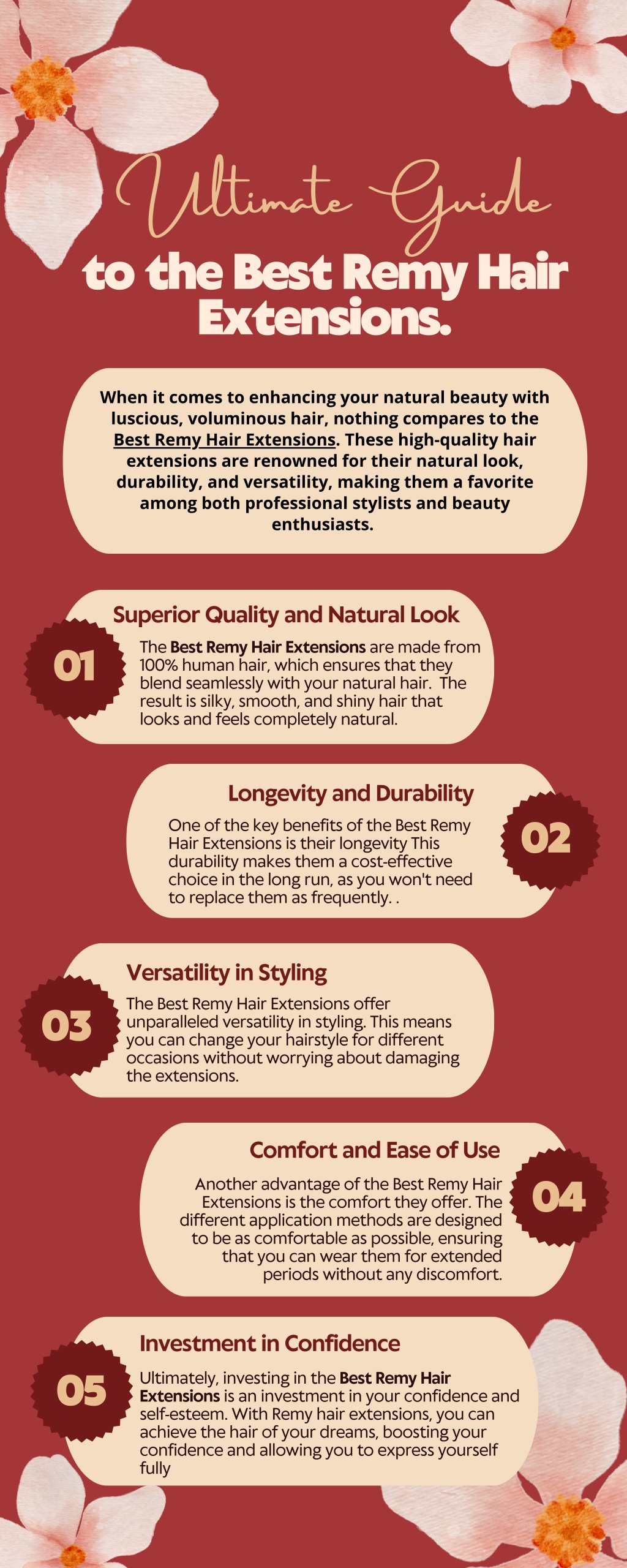
To find the best Remy hair for your specific needs, you must match the hair’s origin and weight to your natural texture and lifestyle. For fine-to-medium textures, Indian or European Remy provides the most seamless blend, while Brazilian or Peruvian Remy offers the density required for thicker, high-volume styles.
The term "Remy" has become a staple in the hair extension industry, yet its definition is often misunderstood or diluted by marketing jargon. As we move through 2026, the hair extension market has become more sophisticated, with consumers demanding higher transparency regarding sourcing, processing, and longevity. Choosing the "best" Remy hair is no longer just about the price tag; it involves a technical understanding of cuticle alignment, hair origin, and the specific application method that suits your daily routine.
The Technical Definition: What Makes Hair "Remy"?
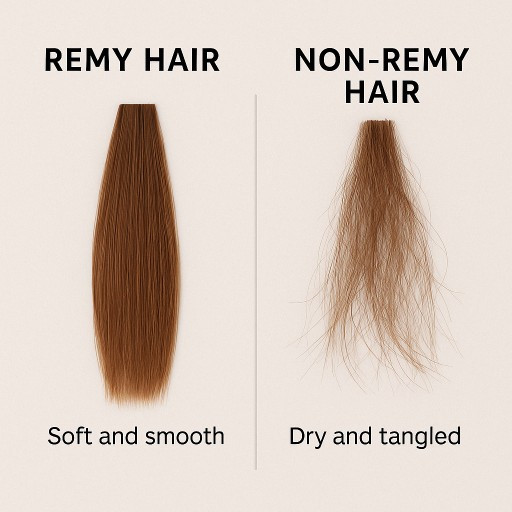
Before choosing a specific type, it is essential to understand the technical requirements of Remy hair. The defining characteristic of Remy hair is that the cuticles—the outermost, scale-like layer of the hair strand—remain intact and are meticulously aligned in the same direction from root to tip.
When hair is collected "non-Remy," the strands are gathered in a pile without regard for direction. To prevent these opposing cuticles from snagging on each other and causing immediate matting, manufacturers typically strip the cuticles using an acid bath and coat the hair in a heavy layer of silicone. This creates a temporary shine that disappears after a few washes, leading to irreparable tangling.
In contrast, true Remy hair bypasses the acid-stripping process. Because the cuticles are aligned, the hair maintains its natural moisture-retention capabilities, remains soft, and reflects light naturally. In 2026, premium Remy hair is further distinguished by the method of collection, often categorized as "Virgin Remy," which implies the hair has never been chemically colored or permed prior to being harvested.
Categorizing Remy Hair by Origin and Texture
The geographic origin of Remy hair dictates its diameter, strength, and natural wave pattern. While modern processing can alter these characteristics, the raw base material is the most significant predictor of how the hair will behave over six to twelve months.
Indian Remy Hair: The Versatile Standard
Indian hair remains the most widely available and sought-after Remy hair in the world. It is naturally fine to medium in texture, which makes it an exceptional match for a broad demographic of users. Because it has a natural wave and high protein content, it can be easily styled straight or curled.
Most Indian Remy hair is sourced from temples, where it is donated as a religious offering. This "temple hair" is often the highest quality because it is cut directly from the donor’s head in a ponytail, ensuring perfect cuticle alignment from the start. It is lightweight and airy, making it comfortable for full-head installations without feeling overly heavy.
Brazilian Remy Hair: Volume and Durability
Brazilian hair is prized for its thickness and durability. It is typically coarser than Indian hair and has a high density, which provides a significant amount of natural volume. If you have naturally thick hair or are looking for a "bombshell" look with plenty of body, Brazilian Remy is often the superior choice.
One of the key benefits of Brazilian hair is its resistance to frizz. Even in humid conditions, the hair tends to hold its style better than finer textures. In 2026, it continues to be a favorite for sew-in weaves and wig construction due to its ability to withstand frequent heat styling.
Peruvian and Malaysian Remy Hair: The Middle Ground
Peruvian hair has grown in popularity as a multipurpose option. It is coarser than Indian hair but thinner than Brazilian. This "middle ground" makes it incredibly easy to blend with a variety of hair types. It is famously lightweight; you can wear multiple bundles of Peruvian hair without the scalp tension often associated with heavier extensions.
Malaysian hair is known for its extreme silkiness and high shine. When first installed, it may appear very glossy, but after a few washes, it settles into a more natural, matte-satin finish. It is excellent for those with very fine, straight hair who want to add length without adding too much "grit" or texture.
European and Russian Remy Hair: The Premium Tier
For those with very fine, Caucasian hair textures, European or Slavic Remy hair is considered the "gold standard." These hairs are naturally light in color (reducing the need for harsh bleaching) and have a very small diameter. Because this hair is rarer and sourced in smaller quantities, it is significantly more expensive. However, for a user seeking a 100% undetectable blend with fine natural hair, the investment is often justified by the hair's longevity, which can exceed 18 months with proper care.
Drawing Techniques: Single Drawn vs. Double Drawn
When purchasing Remy hair, you will encounter the terms "Single Drawn" and "Double Drawn." This refers to the manual process of sorting the hair by length within a single bundle.
- Single Drawn: This bundle contains hair of varying lengths. For example, an 18-inch bundle will have some 18-inch strands, but also 14-inch and 12-inch strands. This mimics the natural growth pattern of human hair, which is naturally tapered at the ends. It is more affordable but can look "thin" at the bottom if the quality is low.
- Double Drawn: In this process, technicians manually remove the shorter hairs from the bundle. A 20-inch double-drawn bundle is thick from the root all the way to the very tip. This provides a high-glamour, blunt-cut look. For users in 2026 looking for maximum volume, double-drawn Remy is the preferred technical specification.
Selecting the Attachment Method for Your Lifestyle
The "best" Remy hair is also defined by how it is attached to your head. Your daily activity level and hair health should dictate this choice.
| Method | Best For | Longevity | Maintenance Level |
|---|---|---|---|
| Clip-ins | Occasional wear, beginners | 6–12 months (removable) | Low |
| Tape-ins | Fine hair, seamless blending | 6–8 weeks per application | Moderate |
| Sew-in Weft | Thick hair, active lifestyles | 8–10 weeks per application | High |
| K-Tip (Keratin) | 360-degree movement, thin hair | 3–5 months | High |
| I-Tip (Micro-bead) | No heat or glue application | 2–3 months | Moderate |
Tape-In Remy Extensions
In 2026, tape-ins remain the most requested professional method for Remy hair. The extensions consist of thin wefts with a medical-grade adhesive strip. They lay completely flat against the head, making them invisible even in high ponytails. Because the weight is distributed across a wider section of hair, they are the safest option for those with thinning hair or fragile follicles.
Keratin Bond (K-Tip) Extensions
K-Tips involve small bundles of Remy hair attached to the natural hair using a heated keratin protein bond. This is a highly technical "strand-by-strand" method. It allows for the most natural movement, as the hair can rotate 360 degrees. However, it requires a certified stylist for both installation and removal to ensure no damage occurs to the natural hair.
Maintenance: Protecting Your Investment
Even the highest quality Remy hair will degrade if not maintained with a specific regimen. Since the hair is no longer attached to a scalp, it does not receive natural oils (sebum) to stay hydrated.
- Sulfate-Free Products: Sulfates are surfactants that strip moisture. Always use sulfate-free and paraben-free shampoos. In 2026, pH-balanced formulas (around 4.5 to 5.5 pH) are recommended to keep the hair cuticles sealed and smooth.
- Brushing Technique: Use a loop brush or a wide-tooth comb. Always start detangling from the ends and work your way up to the roots. This prevents putting unnecessary tension on the attachment points.
- Heat Protection: While Remy hair can handle heat, it is not invincible. Always apply a professional-grade heat protectant before using flat irons or curling wands. Limit heat styling to 350°F (175°C) to prevent the hair from becoming brittle.
- Sleeping Habits: Never sleep with wet extensions. This is the primary cause of matting at the root. Braid the hair loosely and use a silk or satin pillowcase to reduce friction during the night.
Cost Considerations and Pricing in 2026
The price of Remy hair is influenced by length, weight (usually measured in grams), and color. In 2026, a standard 100g bundle of high-quality Indian Remy hair typically ranges from $150 to $250. Double-drawn hair or specialized colors like "Ice Blonde" or "Balayage" can increase the price by 30% to 50% due to the additional labor required for sorting and lifting the color without damaging the cuticle.
Extreme low prices (e.g., a full head of hair for $50) are a significant red flag. These products are often "Remy-mixed," containing a blend of synthetic fibers or animal hair, or they are non-Remy hair coated in silicone. These will typically become unusable after the first or second wash.
Common Mistakes to Avoid When Buying Remy Hair
One of the most frequent errors is failing to account for "head shape" and "hair density." Buying hair that is significantly thicker than your natural hair can lead to a "shelf" effect, where the transition between your hair and the extensions is painfully obvious. Always consult with a stylist to determine the total grams needed for a realistic blend—usually 100g to 150g for length, and 50g to 75g for just volume.
Another mistake is ignoring the "Processing" label. If the hair is labeled as "Floor Hair" or "Fallen Hair," it is not Remy. This hair is collected from salon floors or hairbrushes and has scrambled cuticles. Only purchase hair explicitly labeled as "Cuticle Aligned" or "Single Donor" to ensure you are getting authentic Remy quality.
Frequently Asked Questions
Can I dye my Remy hair extensions?
Yes, because Remy hair has an intact cuticle, it can be dyed. However, it is always safer to go darker than lighter. Bleaching or lifting color requires opening the cuticle, which can lead to dryness. It is highly recommended to perform a strand test first or have a professional colorist handle the process to maintain the hair's integrity.
How long does a typical set of Remy hair last?
The lifespan depends on the origin and care. Indian and Brazilian Remy typically last 6 to 9 months with daily wear. Premium European or Russian Remy can last 12 to 18 months. Using the correct professional products and avoiding excessive salt water or chlorine exposure will maximize this timeframe.
Is "Virgin" hair always better than "Remy" hair?
Not necessarily. "Virgin" refers to the hair being unprocessed (no chemicals or dyes), while "Remy" refers to the cuticle direction. You can have Remy hair that has been colored (Non-Virgin Remy). For most people who want a specific shade like platinum blonde or mahogany, "Remy" hair that has been professionally colored is the best choice, as it is ready to wear.
Why is my Remy hair tangling at the nape of the neck?
Tangling at the nape is usually caused by friction against clothing (like wool coats or scarves) and sweat. This is common even with high-quality hair. To prevent this, ensure you are brushing that specific area frequently throughout the day and applying a light hair oil to the ends to reduce friction.
Is Remy hair ethically sourced?
In 2026, ethical sourcing is a major industry focus. Reputable brands now provide "Traceability Reports" that confirm the hair was sourced through fair-trade practices, such as temple donations in India where proceeds support the local community, or direct purchases from donors at fair market rates. Always look for brands that are transparent about their supply chain.
Final Recommendation
To choose the best Remy hair for you, begin by assessing your natural hair's diameter. If you have fine hair, prioritize Indian or European Single-Drawn Remy for its lightweight feel and natural taper. If you have medium-to-thick hair and desire a high-impact look, opt for Brazilian Double-Drawn Remy. Regardless of the origin, ensure the product is guaranteed "Cuticle Aligned" and invest in sulfate-free maintenance products to ensure your extensions remain vibrant and tangle-free for the duration of their lifespan.