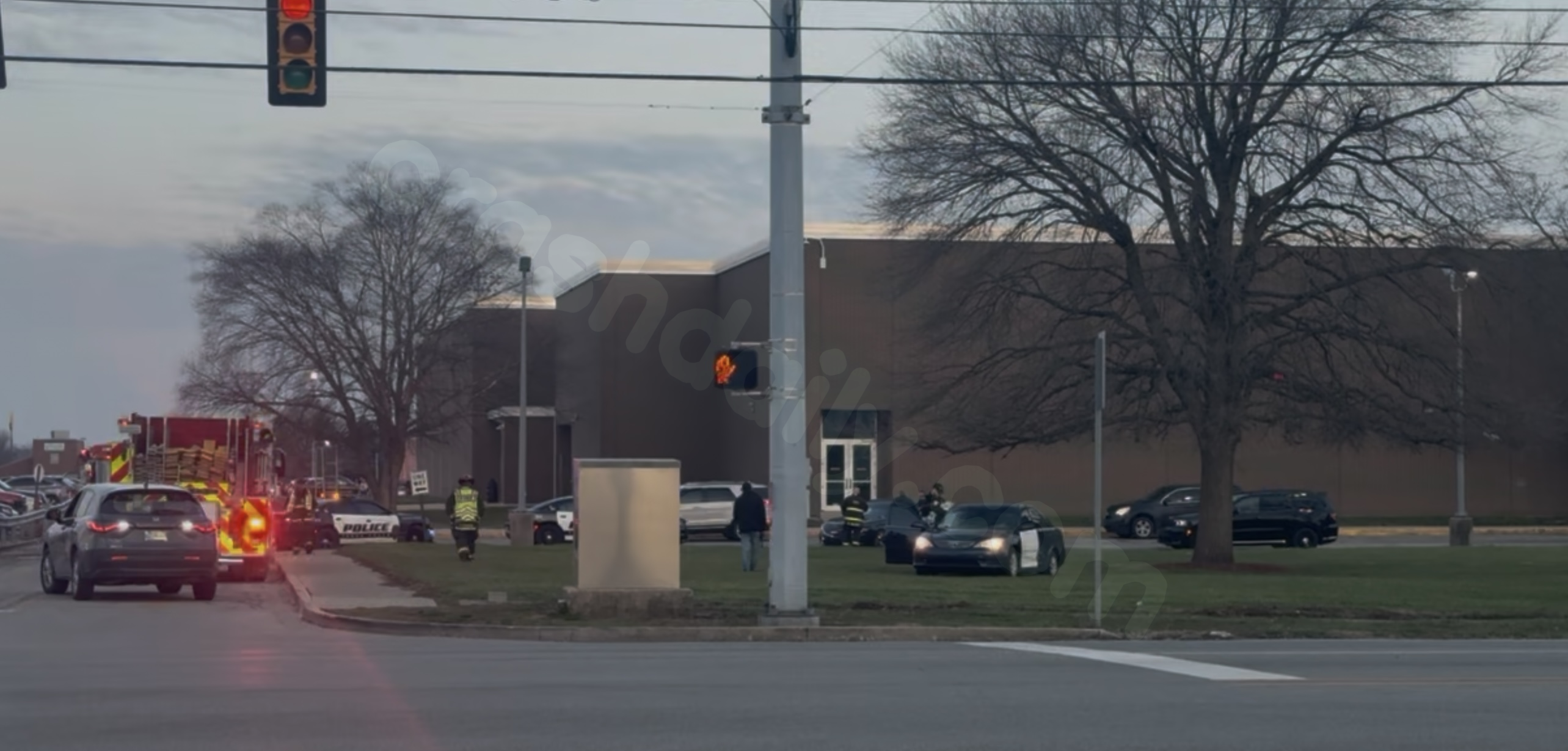
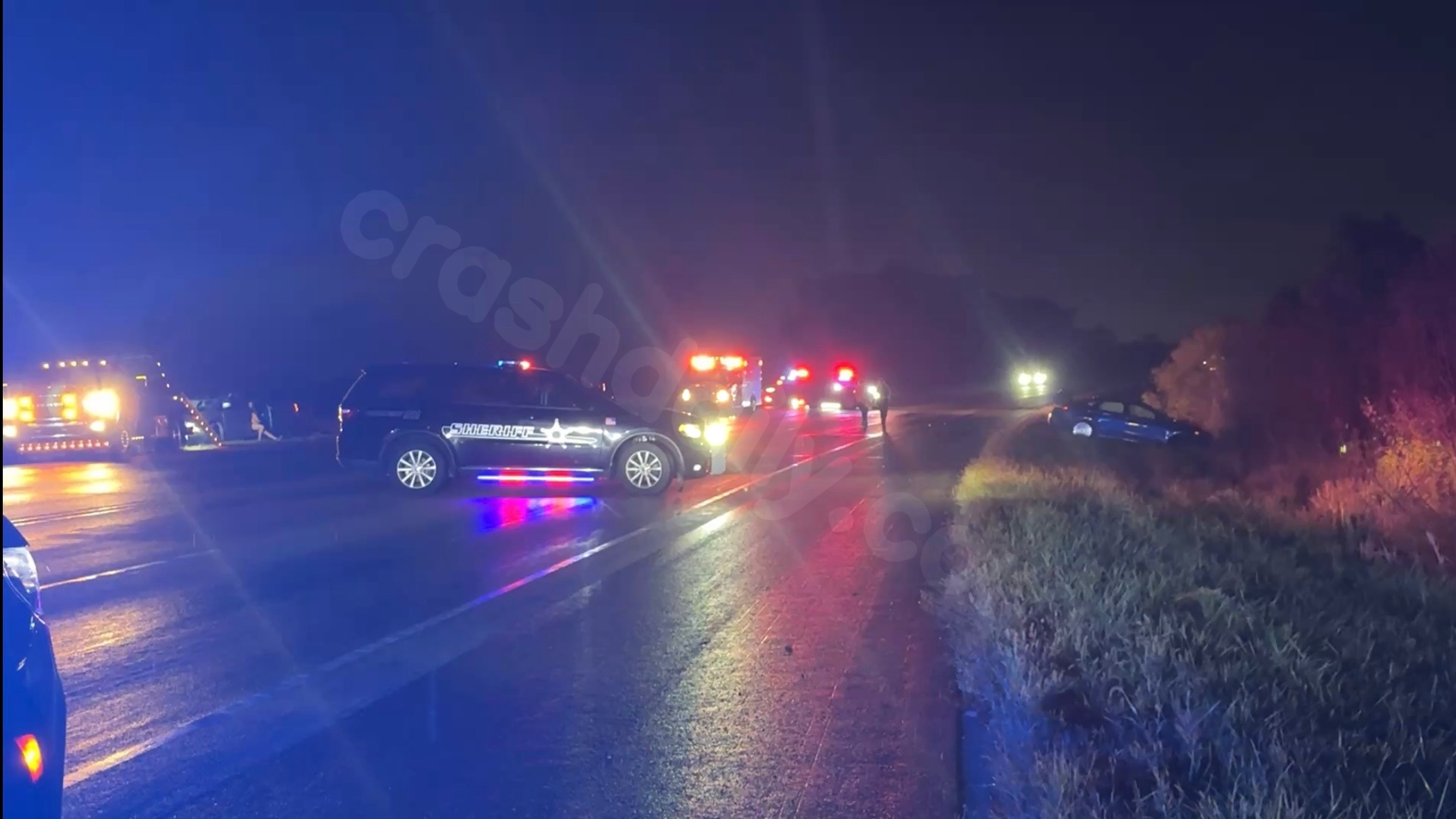
If you are encountering a major crash on I-70 in Terre Haute today, the Indiana Department of Transportation (INDOT) and Indiana State Police (ISP) District 32 are the primary authorities managing the scene. Drivers should expect significant lane closures, especially between Mile Markers 1 and 15, and are advised to utilize detour routes such as US-40 or SR-46.
Current Incident Overview and Real-Time Monitoring
When a major crash occurs on I-70 in Terre Haute, the immediate priority for motorists is obtaining accurate, real-time information to navigate the disruption. As of 2026, the Indiana Department of Transportation (INDOT) has integrated advanced ITS (Intelligent Transportation Systems) across the I-70 corridor to provide instantaneous updates.
For those currently caught in traffic or planning a route through Vigo County, the INDOT 511 system remains the most reliable source for road conditions. This service provides a live-look at traffic cameras, speeds, and specific incident reports. The Terre Haute stretch of I-70 is particularly sensitive to disruptions due to its role as a primary artery for transcontinental freight.
How to Access Official Updates
- INDOT 511 Mobile App: Provides GPS-based alerts for accidents within a 10-mile radius of your current location.
- ISP District 32 Twitter/X: The Indiana State Police Terre Haute Post often provides the first official confirmation of fatalities, lane blockages, and expected clearance times.
- Local News Outlets: Stations such as WTHI-TV and WTWO provide aerial coverage and ground-level reporting for significant incidents involving semi-trucks or multiple vehicles.
Navigating a major crash requires an understanding of where the bottleneck is occurring. In Terre Haute, the most frequent sites for major accidents are the interchanges at US-41 (Exit 7) and SR-46 (Exit 11). If the crash is located between these points, traffic often spills over into the city’s surface streets, creating a secondary wave of congestion.
Why I-70 in Terre Haute is a High-Risk Corridor
The stretch of I-70 passing through Terre Haute and Vigo County is historically one of the most dangerous segments of highway in Indiana. Several technical and geographical factors contribute to the frequency and severity of crashes in this area.
The "Crossroads of America" Logistics Pressure
Terre Haute serves as a critical junction where I-70 intersects with US-41 and US-150. As of 2026, the volume of commercial motor vehicle (CMV) traffic has reached record highs. Large rigs traveling between St. Louis and Indianapolis often encounter fatigue-related issues or mechanical failures in this region. The high density of semi-trucks means that even a minor "fender bender" can quickly escalate into a multi-vehicle pileup involving hazardous materials or massive debris fields.
Infrastructure and Lane Configuration
The physical design of I-70 in Terre Haute includes several "blind" rises and curves that limit sight distance for high-speed traffic. When a vehicle stalls or a primary accident occurs, following drivers have limited time to react. Furthermore, the aging infrastructure of the Wabash River Bridge often necessitates maintenance work, leading to narrowed lanes and sudden "merge-left" or "merge-right" requirements that catch inattentive drivers off guard.
Environmental Factors
Vigo County is prone to sudden weather shifts, including heavy fog from the Wabash River and lake-effect snow patterns that can reach south into West Central Indiana. These conditions drastically reduce traction on the I-70 asphalt, leading to hydroplaning and high-speed loss of control.
Emergency Response Procedures on I-70
When a "major crash" is dispatched, a multi-agency response is triggered to secure the scene, provide medical aid, and restore the flow of traffic. Understanding this process can help stranded motorists estimate how long a closure might last.
Immediate Scene Stabilization
The Indiana State Police (ISP) usually takes the lead on interstate accidents. Their first priority is "scene freezing"—blocking enough lanes to protect first responders from secondary collisions. This is why a crash in the eastbound lanes might result in the closure of the westbound "fast lane" as well; it provides a safety buffer for Fire and EMS crews.
Medical and Extraction Teams
For crashes involving entrapment, the Terre Haute Fire Department and Honey Creek Fire District deploy heavy extraction tools (the "Jaws of Life"). Patients are typically transported to Union Hospital or Terre Haute Regional Hospital, both of which are equipped to handle high-level trauma. In extreme cases, LifeLine or AirEvac helicopters may land directly on the interstate, requiring a total stoppage of traffic in both directions.
The Reconstruction Phase
If a crash results in a fatality or critical injury, the ISP Crash Reconstruction Team must map the scene before the vehicles can be moved. This is a technical process involving drones, 3D laser scanners, and physical measurements. While frustrating for delayed drivers, this evidence is legally required for insurance and criminal proceedings. Motorists should expect closures of 4 to 6 hours when reconstruction teams are called.
Rerouting and Detour Options
When I-70 is blocked, the influx of interstate traffic into Terre Haute can overwhelm local roads. Choosing the right detour depends on whether the crash is east or west of the US-41 interchange.
| Current Location | Suggested Detour Route | Notes for Drivers |
|---|---|---|
| Eastbound near Illinois Line | Exit at Darwin Rd or US-40 | Use US-40 (National Ave) to bypass Terre Haute city center. |
| Westbound at Mile Marker 15 | Exit at SR-46 North | Take SR-46 to US-40 West; avoid the mall area during peak hours. |
| Central Terre Haute (Exit 7) | US-41 to Davis Ave | Use secondary arterials like Margaret Ave to move east/west. |
| Heavy Semi Traffic | Remain on I-70 if possible | Most local Terre Haute bridges have lower weight limits than the interstate. |
Navigating US-40 (The National Road)
Historically, US-40 served as the main east-west route before the interstate system. Today, it remains the primary backup. However, it is lined with traffic lights and pedestrian crossings. If you are rerouting a heavy commercial vehicle, be aware of the "stop-and-go" nature of US-40 through the heart of Terre Haute, which can cause overheating and brake wear.
Legal and Insurance Considerations After a Crash
Being involved in a major crash on a high-speed corridor like I-70 involves complex legal ramifications, particularly in Indiana, which follows a comparative fault system.
Reporting Requirements
Under Indiana Code, any accident resulting in injury, death, or property damage exceeding $1,000 must be reported immediately. On I-70, this is usually handled by the ISP. Ensure you obtain a "crash report number" before leaving the scene or the hospital, as this is the primary document required by insurance adjusters.
The Role of Commercial Insurance
Because many Terre Haute I-70 crashes involve semi-trucks, the insurance process is often more rigorous. Commercial carriers have "go-teams" of investigators who may arrive at the scene shortly after the police. It is critical for involved parties to document the scene with their own photos—focusing on skid marks, weather conditions, and signage—if it is safe to do so.
Legal Time Limits
In Indiana, the statute of limitations for personal injury claims is generally two years from the date of the accident. However, if the crash involved a government vehicle (such as an INDOT truck or a police cruiser), the notice requirements are much shorter—often as little as 180 days.
Safety Protocols for Navigating I-70 Construction Zones
In 2026, I-70 continues to undergo various "Next Level Indiana" infrastructure improvements. These construction zones are often the site of "today's" major crashes due to narrowed lanes and shifting traffic patterns.
- Maintain Following Distance: In a work zone, the standard two-second rule should be doubled. Rear-end collisions are the most common type of crash on I-70 near Terre Haute.
- The "Move Over" Law: Indiana law requires drivers to move over one lane or significantly slow down for stationary emergency vehicles, including tow trucks and highway maintenance crews. Failure to do so results in heavy fines and can cause catastrophic secondary accidents.
- Avoid Distractions: The Terre Haute stretch of I-70 features multiple overhead digital signs. Focus on the road ahead rather than trying to read long-form news updates on your phone while moving through the congestion.
FAQ: I-70 Traffic and Accidents in Terre Haute
How long does it usually take to clear a major crash on I-70?
For a standard two-vehicle accident without serious injuries, clearance typically takes 1 to 2 hours. However, if a semi-truck has overturned or spilled its cargo (especially hazardous materials), the closure can last 8 to 12 hours. If a fatality is involved, expect at least a 4-hour delay for reconstruction.
Where can I find live camera feeds of I-70 in Terre Haute?
The INDOT 511 website and mobile app offer live access to "TrafficWise" cameras. Key cameras are located at the I-70 and US-41 interchange, the Wabash River Bridge, and the SR-46 exit. These feeds allow you to see the actual tailback length before you commit to a route.
Is US-40 a faster alternative when I-70 is backed up?
Not necessarily. While US-40 moves parallel to I-70, it is governed by numerous traffic signals and a lower speed limit (30-45 mph through the city). If the I-70 delay is reported as less than 20 minutes, it is usually faster to stay on the interstate. For "major crashes" involving total closures, US-40 is the necessary alternative.
What should I do if my vehicle breaks down on I-70 in a high-traffic zone?
If possible, move the vehicle to the right shoulder as far as possible from the travel lanes. Turn on hazard lights and stay inside the vehicle with your seatbelt fastened. Use the INDOT "Hoosier Helpers" service if available, or call the ISP dispatch. Walking on the shoulder of I-70 near Terre Haute is extremely dangerous due to the high volume of semi-truck traffic.
Why are there so many semi-truck crashes on this specific stretch?
Terre Haute is a primary refueling and rest stop between major Midwestern hubs. The transition from high-speed rural driving to the more complex, multi-lane interchange environment of Terre Haute creates "speed differentials" where trucks may not be able to slow down as quickly as passenger vehicles when traffic bunches up.
Practical Recommendations for Drivers
If you are currently facing a major delay on I-70 in Terre Haute, your first action should be to verify the exit number nearest to you. If you have not yet reached Exit 11 (SR-46) or Exit 7 (US-41), consider exiting early and using the state road network to bypass the city.
For those traveling long-distance, consider stopping at one of the Terre Haute travel centers (such as the Flying J or Love's) to wait out the initial clearance phase of a major crash. This is often safer and less stressful than sitting in a miles-long "dead-stop" queue on the interstate where the risk of being rear-ended by an inattentive driver remains high. Always keep an emergency kit in your vehicle, including water and a portable charger, as I-70 closures in West Central Indiana can leave motorists stranded for extended periods during the winter or peak summer travel months.