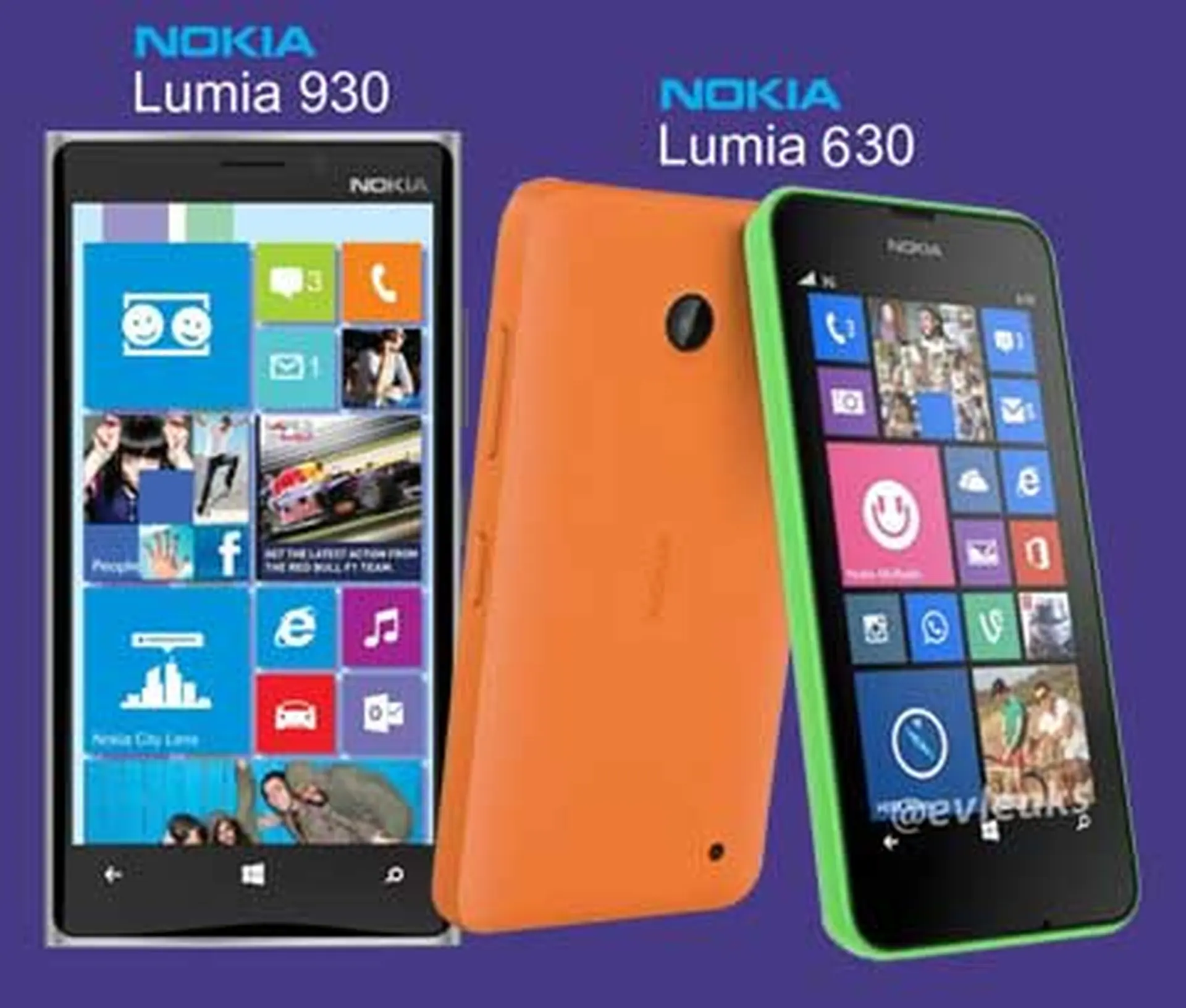
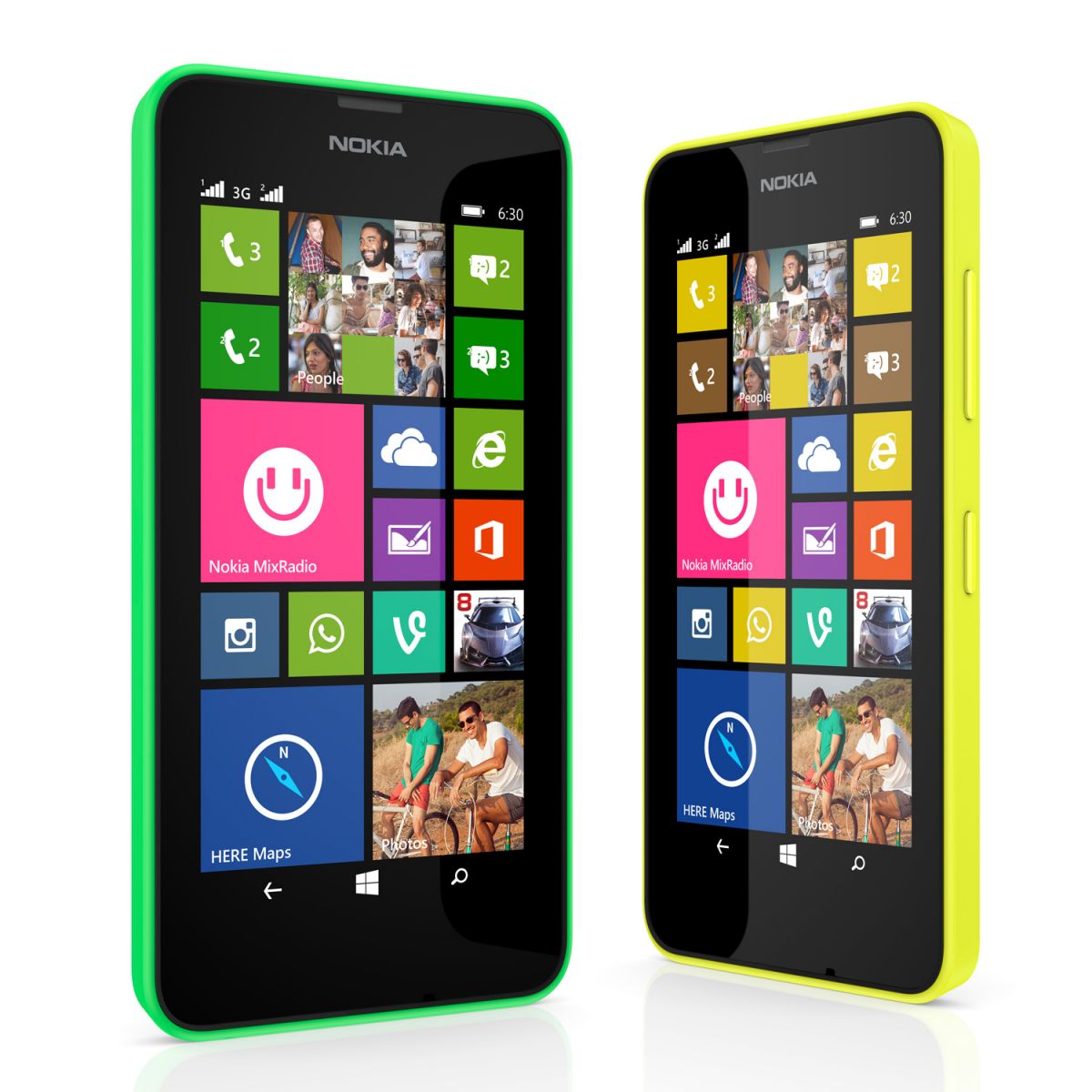
The Nokia Lumia 630, released in 2014, was a pivotal smartphone that marked the transition from Nokia’s hardware dominance to Microsoft’s ecosystem integration. As the first device to ship with Windows Phone 8.1, it offered a budget-friendly entry point into a mobile OS that once promised a "third way" alongside Android and iOS.
The Strategic Importance of the Lumia 630
When the Lumia 630 was announced at Microsoft’s Build conference in April 2014, the mobile landscape was undergoing a significant shift. High-end flagship sales were stabilizing, but the "value" segment was exploding. Nokia had previously found massive success with the Lumia 520, and the Lumia 630 was designed to capture that same lightning in a bottle while introducing several "firsts" for the Windows Phone platform.
Internally known by the codename "Moneypenny," the Lumia 630 was not just another hardware release; it was a showcase for the Windows Phone 8.1 update. This update brought the platform closer to parity with its competitors by introducing the Action Center (notifications), Cortana (the digital assistant), and the Word Flow keyboard. From a hardware perspective, the 630 was the first Lumia to ditch physical capacitive navigation buttons in favor of on-screen software keys, a move that would become standard across the industry years later.
In 2026, looking back at this device allows us to analyze the height of the "affordable premium" strategy that defined the final years of the Windows Phone era. While the hardware may seem humble by modern standards, its optimization and design philosophy remain a masterclass in maximizing limited resources.
Detailed Technical Specifications
The Lumia 630 was engineered to balance cost and performance. By utilizing the Qualcomm Snapdragon 400 chipset, Microsoft ensured that the device felt snappy in daily navigation, even if it lacked the raw power of the flagship Lumia 930 or 1520.
| Feature | Specification |
|---|---|
| Release Date | May 2014 |
| Display | 4.5-inch IPS LCD, ClearBlack technology |
| Resolution | 480 x 854 pixels (~218 ppi density) |
| Protection | Corning Gorilla Glass 3 |
| Processor | Qualcomm Snapdragon 400 (28nm) |
| CPU | Quad-core 1.2 GHz Cortex-A7 |
| GPU | Adreno 305 |
| RAM | 512 MB |
| Internal Storage | 8 GB, expandable via microSD (up to 128 GB) |
| Main Camera | 5 MP, f/2.4, 28mm (wide), AF |
| Front Camera | None |
| Battery | 1830 mAh, removable Li-Ion |
| Connectivity | Wi-Fi 802.11 b/g/n, Bluetooth 4.0, MicroUSB 2.0 |
| Sensors | Accelerometer, SensorCore |
| Operating System | Windows Phone 8.1 (Upgradeable to Windows 10 Mobile) |
Display and ClearBlack Technology
The 4.5-inch display utilized Nokia’s proprietary ClearBlack technology. This wasn't just a marketing buzzword; it involved a sequence of polarizing layers that reduced reflections and significantly improved outdoor visibility. While the 480x854 resolution was low even for 2014, the IPS panel provided excellent viewing angles and color reproduction that often surpassed competing budget Android devices of the time.
The 512MB RAM Limitation
One of the most debated aspects of the Lumia 630 was its 512MB of RAM. By 2014, Android budget phones were moving toward 1GB. Microsoft argued that the efficiency of the Windows Phone NT kernel allowed for a smooth experience with less memory. While general UI navigation was indeed fluid, the 512MB ceiling created a "digital divide" in the app store. High-end games and certain heavy applications were frequently "not available for your device," a factor that eventually frustrated the enthusiast community.
Design Philosophy and Build Quality
Nokia was renowned for its industrial design, and the Lumia 630 carried the torch of the "Fabula" design language. The device featured a removable polycarbonate shell available in vibrant colors: bright orange, bright green, bright yellow, white, and black.
The build quality was exceptional for its price bracket. Unlike the creaky plastics found on many contemporary budget phones, the Lumia 630 felt like a solid block of material. The matte finish on the colored shells was resistant to fingerprints and scratches, making it a favorite for users who preferred not to use a case. Furthermore, the ergonomic "pill-shaped" design made it one of the most comfortable devices to hold in one hand, fitting naturally into the palm.
Software Innovations: The Windows Phone 8.1 Debut
The Lumia 630 was the vehicle for Windows Phone 8.1, which was arguably the most significant update in the platform's history. Before this, Windows Phone lacked a centralized notification system. The 630 introduced the "Action Center," allowing users to swipe down to see missed alerts and toggle settings like Wi-Fi and Bluetooth.
Another major inclusion was Cortana. While digital assistants are ubiquitous in 2026, in 2014, Cortana was a serious competitor to Siri and Google Now. It featured a unique "Notebook" system that allowed users to control exactly what the assistant knew about them, providing a level of transparency that was ahead of its time.
The 630 also introduced SensorCore. This was a low-power motion-sensing solution that allowed the phone to track steps and physical activity without draining the battery. It turned the Lumia 630 into a viable fitness tracker, integrating directly with the Bing Health & Fitness app.
Imaging and Multimedia Performance
Nokia’s heritage in imaging was present in the Lumia 630, albeit in a scaled-back form. The 5-megapixel rear camera featured autofocus but lacked a flash. In daylight, the sensor produced surprisingly good images with accurate color balance and decent dynamic range, thanks largely to the sophisticated post-processing algorithms inherited from the PureView department.
However, the lack of a front-facing camera was a controversial omission. As the "selfie" trend was exploding in 2014, the Lumia 630’s inability to take front-facing photos or handle video calls via Skype (without turning the phone around) was a significant drawback for younger demographics.
In terms of audio, the device featured a single rear-firing speaker. While it lacked bass, it was exceptionally loud and clear. The inclusion of a microSD slot allowed the 630 to function as a dedicated MP3 player, a role many of these devices still serve for collectors in 2026.
Market Variants: The Lumia 630 vs. Lumia 635
To address different market needs, Microsoft released two primary versions of this hardware. The Lumia 630 was the 3G-only model, available in both Single SIM and Dual SIM configurations. The Dual SIM version was particularly popular in emerging markets like India and Brazil, where users frequently swapped between carriers to save on data costs.
The Lumia 635 was the 4G LTE version. Identical in almost every other hardware aspect (though often featuring a glossy shell rather than matte), the 635 was the variant pushed heavily by carriers in the United States and Europe. The 635 later received a mid-cycle refresh with 1GB of RAM, which addressed many of the performance complaints leveled at the original 630.
The Long-Term Legacy of the Lumia 630
In 2026, the Lumia 630 serves as a historical marker for several reasons. It was one of the last devices to carry the "Nokia" branding on the chassis before Microsoft fully transitioned to the "Microsoft" brand for the Lumia 535 and subsequent models.
The Peak of Platform Efficiency
The Lumia 630 remains a testament to what software optimization can achieve. Modern mobile operating systems are significantly more resource-heavy; it is almost unthinkable to run a modern version of Android or iOS on a quad-core processor with 512MB of RAM. The Lumia 630’s ability to provide a smooth, stutter-free interface on such modest hardware is still studied by UI/UX designers interested in low-power computing.
The Downfall of the App Gap
Conversely, the 630 also highlights why the Windows Phone ecosystem eventually collapsed. The hardware was excellent, and the OS was beautiful, but the "App Gap"—the lack of popular third-party applications—was exacerbated by the 512MB RAM limit. Developers were often unwilling to optimize their apps for lower-memory Windows devices, leading to a diminished user experience compared to the Android alternatives that were rapidly improving.
Durability and Sustainability
Many Lumia 630 units are still functional today. The combination of a removable battery and a rugged polycarbonate shell meant these phones were built to last. In an era of non-removable glass backs and planned obsolescence, the 630 stands as a reminder of a time when smartphones were designed to be modular and resilient.
Comparing the Lumia 630 to its Peers
To understand the 630's place in history, we must compare it to its predecessor and its LTE sibling.
| Feature | Lumia 520 (Predecessor) | Lumia 630 (Base) | Lumia 635 (LTE) |
|---|---|---|---|
| Display Size | 4.0 inches | 4.5 inches | 4.5 inches |
| Processor | Snapdragon S4 (Dual-core) | Snapdragon 400 (Quad-core) | Snapdragon 400 (Quad-core) |
| Network | 3G | 3G (Dual SIM option) | 4G LTE |
| OS at Launch | Windows Phone 8 | Windows Phone 8.1 | Windows Phone 8.1 |
| Navigation | Capacitive Keys | On-screen Keys | On-screen Keys |
| Battery | 1430 mAh | 1830 mAh | 1830 mAh |
Frequently Asked Questions
Can I still use a Lumia 630 in 2026?
Technically, yes, but with severe limitations. The Microsoft Store for Windows Phone 8.1 and Windows 10 Mobile has been shut down for years. You can no longer download apps or sync Microsoft accounts easily. However, the device can still be used for basic calling (where 3G networks exist), SMS, offline music playback, and photography.
Did the Lumia 630 get the Windows 10 Mobile update?
Yes, the Lumia 630 was eligible for the official Windows 10 Mobile upgrade. However, due to the 512MB of RAM, the performance was notably slower than on Windows Phone 8.1. Many enthusiasts chose to "roll back" to 8.1 using the Windows Device Recovery Tool to maintain the device's original speed.
How do I transfer photos from a Lumia 630 today?
The easiest way is to connect the device to a computer via a MicroUSB cable. The Lumia 630 uses the Media Transfer Protocol (MTP), which is still recognized by modern Windows 11/12 and macOS systems. Alternatively, you can save photos to a microSD card and move the card to another device.
Why does the Lumia 630 have no flash or front camera?
These were cost-saving measures implemented by Nokia and Microsoft to keep the retail price as low as possible. At launch, the Lumia 630 was positioned as a high-volume budget device, and removing the flash and front-facing sensor allowed them to undercut competitors while still offering a quad-core processor and a high-quality display.
Is the battery in the Lumia 630 replaceable?
Yes. The back shell pops off easily, allowing users to swap the BL-5H battery. This is one of the features that contributes to the device's longevity, as users can still find third-party replacement batteries online.
Practical Recommendation for Collectors and Enthusiasts
If you are looking to acquire a Lumia 630 in 2026 for a collection or as a "digital detox" phone, prioritize finding one with a matte shell, as the glossy variants (typically the 635) tend to show significantly more wear and tear.
For those interested in the history of mobile OS development, the Lumia 630 remains a perfect example of "Peak Windows Phone." It embodies the era's unique design language and the fluid, typography-based interface that once challenged the status quo. While it is no longer a viable daily driver for the modern internet, its hardware durability and the sheer boldness of its color palette ensure it remains a favorite among tech historians.