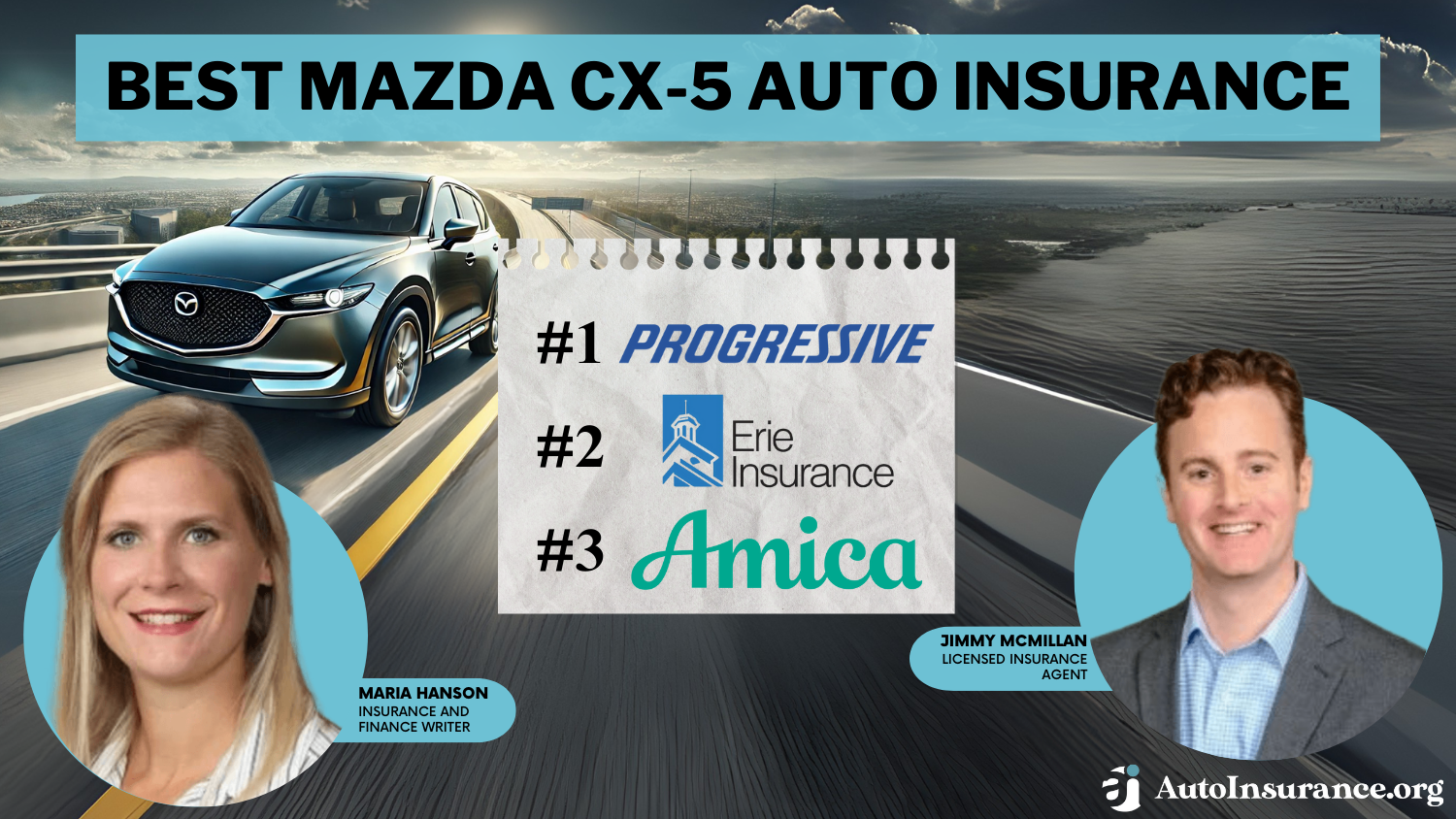
The Mazda CX-5 is generally categorized as a mid-range compact SUV, with annual insurance premiums typically ranging between $1,400 and $1,900 for an average driver in the United States. Factors such as geographic location, personal driving history, chosen coverage limits, and the specific trim level of the vehicle significantly influence these costs.
Understanding the Landscape of Mazda CX-5 Insurance
The Mazda CX-5 has established a reputation as a segment leader in driving dynamics and interior refinement. However, when evaluating the cost of ownership, insurance premiums are often overlooked until the bill arrives. In 2026, the cost of insuring this vehicle remains relatively stable compared to its peers, as the CX-5 is widely viewed by insurers as a safe, reliable vehicle with a well-documented history of safety features.
Insurance companies determine premiums based on a statistical analysis of risk. This risk profile for the Mazda CX-5 is composed of the cost of parts, the frequency of claims for the model, and the safety technology integrated into its design. Because the CX-5 is a mass-market vehicle, repair parts are generally accessible, which keeps "property damage liability" and "collision" costs lower than those of luxury-branded SUVs with proprietary, high-cost components.
Core Variables Influencing Your Premium
It is a common misconception that insurance premiums are tied solely to the vehicle model. While the Mazda CX-5 is the starting point, your personal profile acts as a multiplier or divisor for the base rate.
Driving History and Risk Assessment
The most significant variable in your insurance premium is your personal history. Drivers with a record of at least three to five years without accidents or moving violations consistently receive lower quotes. Insurance companies utilize the Comprehensive Loss Underwriting Exchange (C.L.U.E.) report to verify your past claims. Even if you are driving the same Mazda CX-5 as a neighbor, your premiums will diverge sharply if your risk profiles differ.
Geographic Rating Territories
Insurance rates are localized. If you live in an urban center with high rates of vehicle theft, vandalism, or dense traffic congestion, your premiums for the CX-5 will naturally be higher than if you reside in a rural area. Insurers divide the country into "rating territories," where they calculate the statistical likelihood of an event occurring in your zip code.
Coverage Limits and Deductibles
The structure of your policy is a direct lever for cost management. A "full coverage" policy—which includes liability, collision, and comprehensive—will cost significantly more than state-mandated minimums. Choosing a higher deductible (e.g., $1,000 instead of $500) lowers your monthly or annual premium, as you are assuming more of the financial responsibility for a minor accident.
Comparing the Mazda CX-5 Across Trim Levels
While many insurers calculate premiums based on the vehicle identification number (VIN) which identifies the specific model, they also account for the initial MSRP. The Mazda CX-5 offers several trims, from the entry-level Select to the premium Signature.
Higher-end trims are equipped with advanced driver-assistance systems (ADAS), such as 360-degree view monitors, adaptive front lighting, and advanced radar cruise control. While these systems make the car safer and potentially lower your likelihood of a collision, they also make the vehicle more expensive to repair if damaged. Consequently, insuring a top-tier Signature trim can occasionally be more expensive than insuring a base trim due to the higher cost of sensors and sophisticated electronics found in the bumpers and mirrors.
| Trim Level Focus | Estimated Complexity/Cost | Impact on Insurance |
|---|---|---|
| Select / Base | Lower | Baseline premium |
| Preferred / Touring | Moderate | Standard premium |
| Turbo / Premium Plus | Higher | Slightly elevated |
| Signature | Highest | Maximum premium |
The Role of Safety Technology in Premiums
Mazda’s "i-Activsense" safety suite is a significant factor in how insurers view the CX-5. This suite includes features like Smart City Brake Support, Lane Departure Warning, and Blind Spot Monitoring. Because these features are designed to mitigate the severity of accidents—or prevent them entirely—they can often result in small, policy-specific discounts.
When requesting quotes in 2026, it is vital to disclose every safety feature your CX-5 possesses. If your insurance agent does not specifically ask about these features, provide them proactively. Insurers often have internal discount codes for vehicles equipped with autonomous emergency braking systems, as these are proven to reduce the number of rear-end collision claims.
Strategic Steps to Reduce Insurance Costs
Lowering your insurance premium requires a combination of behavioral changes and policy adjustments. Because the Mazda CX-5 is an affordable vehicle to insure, these strategies can result in significant percentage savings.
- Bundle Policies: If you own a home or rent an apartment, bundling your Mazda CX-5 auto insurance with your property insurance can trigger a multi-policy discount that often exceeds 10-15%.
- Telematics Programs: Many insurance carriers in 2026 offer mobile apps or plug-in devices that track your driving behavior. If you are a conservative driver—meaning you avoid hard braking, rapid acceleration, and late-night driving—participating in these programs can lead to substantial discounts.
- Annual Mileage Reporting: If your driving habits have changed—for example, if you are now working from home more frequently—ensure your insurer has an accurate estimate of your annual mileage. Driving fewer miles per year reduces your risk exposure and should lower your premium.
- Credit-Based Insurance Scores: In states where it is legally permitted, your credit score influences your insurance premium. Maintaining a strong credit history is one of the most effective long-term strategies for keeping auto insurance costs manageable.
Common Pitfalls and Troubleshooting
When researching your insurance cost, you may encounter widely varying online quotes. Understanding why these discrepancies exist can prevent frustration.
- The "Average" Trap: Online insurance calculators often use an "average" driver profile. If you have a recent speeding ticket or an accident on your record, your actual quote will likely be significantly higher than the average figures published in general articles.
- Coverage Gaps: Ensure that the quotes you are comparing include identical coverage limits. A quote that looks suspiciously low might only include state-mandated minimum liability, which provides insufficient protection in a serious accident.
- Non-Disclosure: Failing to list all household drivers who have access to the Mazda CX-5 can lead to a denied claim in the event of an accident. Always disclose all licensed drivers in your household.
If your insurance costs seem disproportionately high, contact your current agent to request a "policy review." Ask them to clarify your current discount eligibility and ensure that your vehicle's safety features are correctly noted in their database. If the price remains uncompetitive, it is advisable to shop the policy with at least three different national carriers to benchmark your rate.
Next Actions for Mazda CX-5 Owners
To secure the best possible insurance rate for your vehicle, begin by auditing your current policy against your actual needs. Check if your liability limits are sufficient to protect your personal assets, as raising your limits is often surprisingly inexpensive.
Once you have verified your coverage needs, perform a side-by-side comparison. Utilize the official websites of at least three reputable insurers to generate personalized quotes using your specific VIN. This ensures that the insurance carrier has the precise data on the safety equipment and trim level of your Mazda CX-5. If you are currently paying significantly more than the local average for your demographic, initiate the switch to a provider that offers better rates or deeper discounts for safe driving and multi-policy bundles.