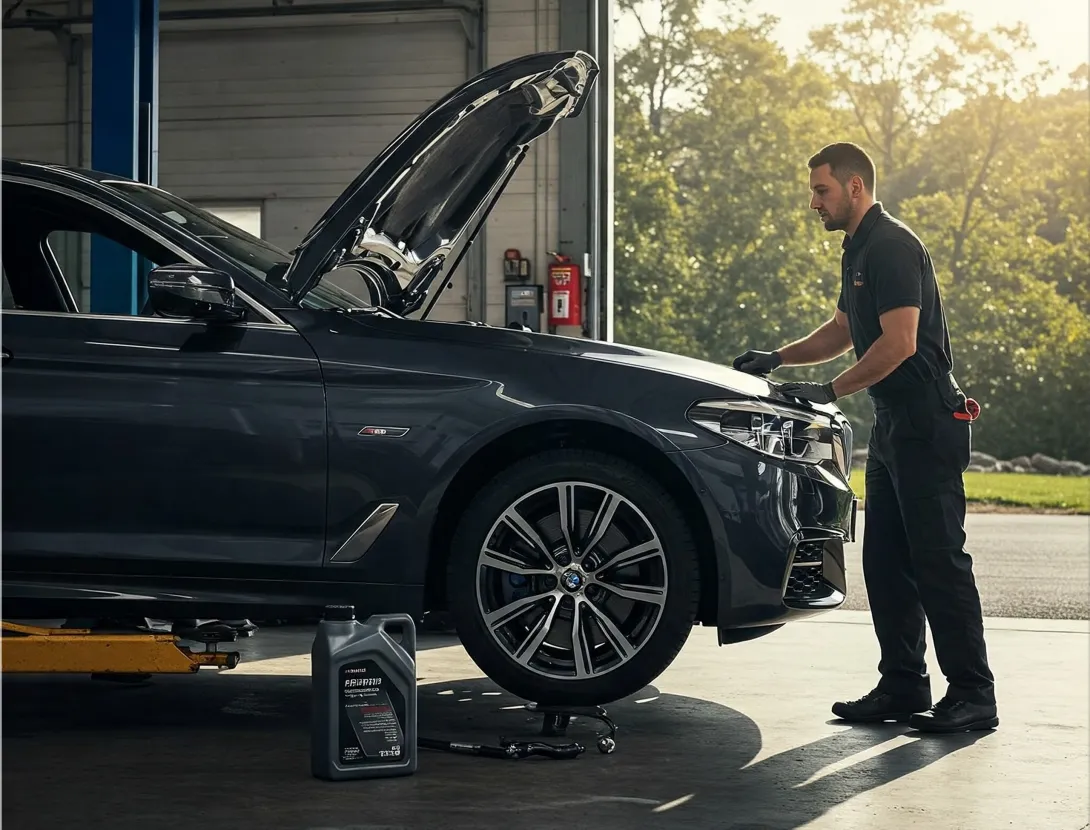
The single most critical fact about the BMW 340i oil change schedule is that the factory-recommended 15,000-mile or 12-month interval—driven by BMW's Condition Based Service (CBS) and Longlife-01 or Longlife-14 FE/15 FE standards—is widely considered by master technicians to be twice as long as ideal for long-term engine longevity, making a proactive 5,000-to-7,500-mile interval essential for mitigating carbon buildup and protecting the B58 turbocharged inline-six engine.
Maintaining a high-performance luxury sports sedan like the BMW 340i—equipped with the celebrated B58 engine—requires strict adherence to maintenance intervals, but understanding how those intervals function in the real world is vital. When BMW introduced the F30 generation 340i for the 2016 model year (continuing through its production run), it marketed the vehicle with extended maintenance plans that relied heavily on onboard diagnostic computers and synthetic fluid chemistry. While modern synthetic oils and advanced filtration systems have vastly improved durability compared to older petroleum-based formulations, blindly trusting the maximum dashboard mileage counter can introduce cumulative mechanical risks. This guide explores the engineering mechanics behind the BMW 340i oil change schedule, the discrepancies between factory guidelines and expert recommendations, fluid specifications, procedural best practices, and cost factors to help you protect your investment in 2026.
Understanding the BMW B58 Engine and Lubrication Demands
To appreciate why oil change intervals matter so much for the 340i, one must examine the beating heart of the vehicle: the B58B30 engine. Displacing 3.0 liters with a single twin-scroll turbocharger, closed-deck block, and direct fuel injection, the B58 is renowned for its thermal efficiency, tuning potential, and structural reliability. However, high-output turbocharged engines place extraordinary demands on their engine oil.
Engine oil in a turbocharged car performs multiple concurrent functions:
- Tribological Lubrication: Reducing friction between rapidly moving metallic surfaces such as the crankshaft journals, camshafts, and piston rings.
- Thermal Regulation: Absorbing and transferring intense heat away from the turbocharger's core assembly and combustion chambers.
- Hydraulic Actuation: Supplying stable hydraulic pressure to the VANOS variable valve timing system.
- Contaminant Suspension: Trapping soot, unburnt fuel particles, and microscopic wear metals until the filter captures them.
Because the B58 utilizes a closed-deck aluminum block and runs high boost pressures, managing operating temperatures is critical. When oil remains in service for extended periods, it undergoes thermal breakdown, viscosity shear, and additive depletion. Understanding this baseline chemistry clarifies why the factory maintenance schedule is a frequent topic of debate among automotive engineers.
The Factory Schedule vs. Real-World Driving Conditions
BMW’s Condition Based Service (CBS) system actively monitors various vehicle parameters—including fuel consumption, ambient operating temperatures, cold starts, and average trip lengths—to calculate remaining oil life. Under ideal laboratory conditions, the factory software permits intervals up to 15,000 miles or 12 months, whichever comes first.
| Interval Type | Mileage Range | Timeframe | Primary Driver | Recommended Application |
|---|---|---|---|---|
| Factory CBS Maximum | Up to 15,000 miles | 12 months | Optimized highway cruising, low idle time, ideal climate | Lease vehicles within short-term warranty windows |
| Enthusiast / Real-World | 5,000 to 7,500 miles | 6 to 12 months | Mixed commuting, spirited driving, short trips, heavy traffic | Long-term ownership, modified/tuned engines, peace of mind |
| Severe Service | 3,000 to 5,000 miles | 6 months | Frequent cold starts, track days, extreme climates, heavy idling | High-mileage or dedicated track-day cars |
While the CBS system adapts to driving habits, it is fundamentally optimized around fleet emissions standards and manufacturer-backed maintenance incentives. Independent BMW specialists and master mechanics universally recommend cutting the factory interval in half. Short trips—where the engine oil never reaches its optimal operating temperature of approximately 200°F to 212°F—lead to fuel dilution in the crankcase. Unburnt gasoline washes past the piston rings, thins out the lubricating film, and accelerates chemical breakdown.
Furthermore, direct-injection engines like the B58 inject fuel directly into the combustion chamber rather than the intake tract. While this improves efficiency and power delivery, it means intake valves are constantly exposed to blow-by gases and oil vapor from the positive crankcase ventilation (PCV) system. Fresh, high-quality oil minimizes volatile organic compounds escaping into the intake tract, keeping the intake valves cleaner for longer.
Selecting the Correct Oil and Filter Specifications
Using incorrect fluids during a BMW 340i oil change can compromise engine safety, invalidate warranty claims, and trigger premature component wear. The B58 engine requires synthetic oils that meet strict BMW approval standards.
Viscosity and Certification Standards
For most climates, a fully synthetic 0W-20 or 5W-30 oil carrying official BMW Longlife-01 (LL-01), Longlife-01 FE, Longlife-14 FE, or Longlife-15 FE certification is required. The specific approval code depends on the exact model year and whether the vehicle is equipped with specific emissions equipment, though LL-01 and LL-15 FE remain the most common designations. Always cross-reference the owner's manual or the label under the hood to confirm the correct formulation for your specific build date.
Oil Filter Requirements
A proper oil change requires more than just draining the pan and filling it back up; it demands a high-efficiency replacement filter. Original Equipment Manufacturer (OEM) or Original Equipment Supplier (OES) filters—such as Mann-Filter, Mahle, or Hengst—should always be utilized. These filters use synthetic-blend paper media capable of trapping sub-micron particles without collapsing under the high-flow oil pressure generated by the B58 oil pump. Cheap aftermarket filters risk media disintegration, which can circulate debris through the oil galleries and cause catastrophic engine damage.
Step-by-Step Overview of the BMW 340i Oil Change Procedure
While many owners prefer to have dealership technicians or independent Euro-specialist shops perform routine service, understanding the mechanical workflow provides valuable insight into the maintenance process.
- Preparation and Warm-Up: Run the engine for a few minutes to bring the oil up to operating temperature, allowing suspended particulates to mix thoroughly into the fluid. Safely elevate the vehicle using a professional-grade hydraulic lift or heavy-duty jack stands.
- Accessing the Drain Plug and Filter: Remove the underbody plastic aerodynamic splash shields. Locate the aluminum oil pan drain plug and the cartridge-style oil filter housing located at the top-front of the engine bay.
- Draining the Old Oil: Place a catch pan beneath the drain plug. Remove the plug carefully—noting that the exhaust downpipe runs nearby and remains extremely hot—and allow the oil to drain completely. Replace the crush washer or plug assembly (many modern BMW applications utilize single-use composite or aluminum drain plugs).
- Replacing the Filter and O-Rings: Remove the plastic filter housing cap using the appropriate socket tool. Discard the old paper filter element and replace the rubber O-rings on the cap, lubricating them lightly with fresh engine oil. Install the new filter element and torque the housing cap to the factory specification printed on the cap itself (typically 25 Nm).
- Refilling and Leveling: Reinstall the drain plug and torque to specification. Fill the engine with the exact volume of certified synthetic oil (the B58 typically takes approximately 6.5 liters/quarts, but always verify via dipstick or electronic measurement).
- Resetting the CBS Indicator: Start the engine, check for leaks under pressure, and reset the CBS service interval via the iDrive menu or instrument cluster button sequence.
Financial Considerations and Ownership Costs
Budgeting for routine maintenance on a luxury performance car is an essential part of responsible ownership. Dealership oil changes for a BMW 340i typically range from $150 to $250, reflecting high labor rates and the cost of specialized synthetic oil and OEM filters. Independent European service shops generally charge between $100 and $175 for the same service.
For DIY enthusiasts, performing the job at home reduces costs to the price of materials alone: roughly $60 to $90 for six to seven quarts of approved oil and an OEM filter kit. However, because the B58 lacks a traditional dipstick on certain production runs (relying solely on an electronic oil level sensor accessed via the iDrive display), DIYers must be meticulous about measuring drained fluid volume and refilling accurately to avoid overfilling or underfilling.
Frequently Asked Questions
Can I use any synthetic 5W-30 oil from an auto parts store in my BMW 340i?
No. Standard off-the-shelf synthetic oils often lack the specific additive packages required by BMW engineering standards. Using non-approved oils can lead to increased valve train wear, sludge accumulation, and potential warranty denials. Always ensure the bottle explicitly lists BMW LL-01 or LL-15 FE certification.
Does the B58 engine consume oil between changes?
It is normal for modern high-performance turbocharged engines to consume minor amounts of oil—up to one quart every 1,000 to 1,500 miles under aggressive driving conditions. Checking the electronic oil level monitor regularly through the iDrive system is essential to prevent running the engine low on lubrication.
How do I reset the oil service light after changing the oil myself?
You can reset the CBS reminder via the instrument cluster by turning the ignition on without starting the engine, holding the trip odometer reset button until the service menu appears, navigating to the oil change prompt, and holding the button again until "Reset Requested?" appears, then confirming the reset.
Is it necessary to change the oil filter every single time?
Yes. Every single oil change must include a brand-new filter element and fresh O-rings. Reusing an old filter allows trapped contaminants to re-enter the fresh oil supply immediately, drastically reducing the protective lifespan of the new fluid.
What happens if I ignore the 12-month time limit and only go by mileage?
Even if you drive fewer than 7,500 miles in a year, oil degrades over time due to oxidation, moisture absorption from short trips, and chemical contamination from combustion byproducts. Changing the oil at least once a year is mandatory to prevent acid buildup and internal corrosion.
Conclusion and Next Actions
The single key fact about the BMW 340i oil change schedule—that cutting the factory 15,000-mile interval down to 5,000 to 7,500 miles is the gold standard for engine longevity—serves as the cornerstone of reliable B58 ownership. By prioritizing proactive fluid changes, insisting on certified BMW Longlife oils, and utilizing OEM filtration components, you protect your turbocharged inline-six against premature wear, carbon contamination, and thermal degradation. To take action today, check your iDrive service menu to see when your last oil change was performed, inspect your oil level, and schedule your next service with an approved fluid specification.