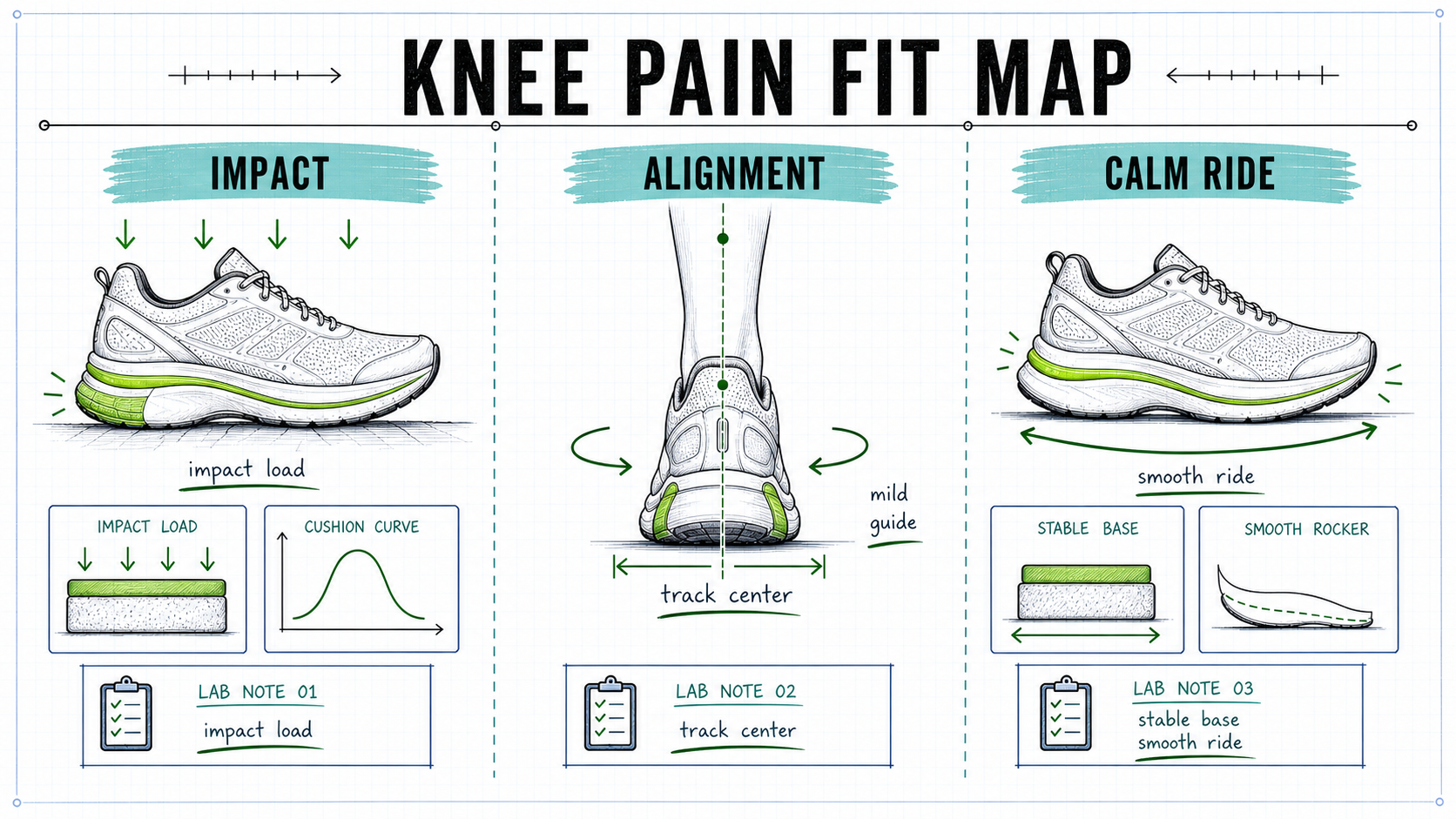
Finding the right footwear can significantly reduce joint stress by altering biomechanics, improving shock absorption, and promoting proper alignment from the ground up, though specialized therapeutic shoes work best as part of a comprehensive management plan supervised by a healthcare professional.
When dealing with chronic joint discomfort, individuals often look toward lifestyle modifications, physical therapy, and medical interventions to find relief. Among these interventions, footwear is frequently scrutinized. Many people wonder whether specific shoes can genuinely alleviate joint discomfort, or if the market is filled with clever marketing claims devoid of scientific backing. To understand how footwear impacts the lower extremities, it is necessary to examine the complex biomechanical relationship between the feet, ankles, knees, and hips. Every step a person takes generates ground reaction forces that travel up the kinetic chain. When these forces are mismanaged due to unsupportive or poorly designed shoes, joints absorb excessive shock, potentially exacerbating conditions like osteoarthritis, patellofemoral pain syndrome, and tendinitis.
This article provides an in-depth look at how shoes influence lower limb mechanics, the specific design features that mitigate joint stress, the differences between various footwear categories, and how to select the right pair for your unique anatomical and lifestyle needs.
Understanding the Biomechanical Connection Between Feet and Knees
The human body functions as an interconnected kinetic chain. The foot acts as the primary interface with the ground, setting the foundation for every movement. If the foot pronates excessively (rolls inward) or supinates (rolls outward), it forces the lower leg to internally or externally rotate. This rotation travels directly to the knee joint, altering the tracking of the patella ( kneecap) and unevenly distributing weight across the tibial and femoral cartilage surfaces. Over time, this uneven loading pattern can accelerate wear and tear, leading to pain and inflammation.
Clinical research demonstrates that footwear modifying this kinetic chain can alter knee adduction moment—a primary biomechanical indicator of load on the medial (inner) compartment of the knee joint. Shoes with rigid stability features, cushioned midsoles, or specialized rocker bottoms can reduce the peak loads experienced by the joint during the stance phase of gait. However, it is vital to recognize that shoes are not a standalone cure. They function as external medical or ergonomic tools designed to optimize movement patterns, reduce peak impact forces, and complement physical therapy regimens focused on strengthening the quadriceps, hamstrings, and hip abductors.
Key Footwear Features That Relieve Joint Stress
When evaluating footwear for joint comfort, consumers must look beyond aesthetic appeal and examine the structural components that dictate mechanical performance. Not all athletic or comfort shoes are engineered to reduce lower extremity stress. The following features are critical when assessing whether a shoe can help manage joint discomfort.
Shock Absorption and Midsole Cushioning
The midsole is the primary zone responsible for absorbing impact forces. Materials like ethylene-vinyl acetate (EVA) and polyurethane (PU) provide varying degrees of cushioning. High-cushion shoes reduce the initial spike in ground reaction force when the heel strikes the pavement. For individuals with knee osteoarthritis, this reduction in shock can translate to decreased discomfort during prolonged walking or standing.
Stability and Motion Control
Over-pronation is a common contributor to joint misalignment. Stability shoes feature firmer foam densities on the medial side (known as posting) or wider bases that resist excessive inward rolling. By maintaining a neutral foot position throughout the gait cycle, these shoes prevent the tibia from rotating excessively, thereby protecting the knee from abnormal twisting forces.
Rocker Bottoms and Flexible Soles
Rocker-sole shoes feature a curved bottom that promotes a smooth transition from heel strike to toe-off. This design reduces the bending moment at the knee and ankle, requiring less muscular effort from the lower limbs during propulsion. Conversely, highly flexible soles allow the foot to move naturally, which can be beneficial for strengthening intrinsic foot muscles, though individuals with acute joint flare-ups often require more structured support.
Categorizing Therapeutic and Supportive Footwear Options
The footwear market offers several distinct categories tailored to different needs, ranging from everyday walking shoes to specialized medical devices. Understanding these categories helps consumers make informed purchasing decisions based on their specific diagnoses and activity levels.
| Footwear Category | Primary Design Focus | Best Suited For | Key Limitations |
|---|---|---|---|
| Neutral Cushioned Shoes | Maximum shock absorption, soft midsoles, high flexibility | General joint fatigue, high-arch feet, shock-sensitive joints | Lacks structural support for over-pronation |
| Stability / Motion Control | Firm medial posting, structured heel counters, wide base | Over-pronation, flat feet, knee pain linked to poor alignment | Can feel stiff, heavy, or restrictive |
| Rocker-Bottom Shoes | Curved sole geometry, reduced forefoot and knee flexion | Arthritis, hallux rigidus, forefoot pressure relief | Requires an adjustment period; may affect balance |
| Custom Orthotics & Supportive Inserts | Personalized arch support, mechanical correction | Specific structural abnormalities, severe biomechanical flaws | Requires removable factory insoles; high initial cost |
Navigating these options requires balancing comfort with structural necessity. For example, a person with high arches and rigid joints generally benefits from high cushioning to make up for a lack of natural shock absorption. On the other hand, someone with flexible flat feet and medial knee pain typically requires a stability shoe with firm arch support to prevent the joint from collapsing inward with every step.
Common Misconceptions Regarding Footwear and Joint Pain
The marketplace is filled with exaggerated claims regarding therapeutic footwear, making it essential to separate evidence-based design from marketing hype. One prevalent myth is that "softest is always best." While ultra-plush, highly cushioned shoes feel comfortable initially, they can sometimes cause instability, forcing the stabilizing muscles around the ankle and knee to work harder to maintain balance.
Another misconception is that expensive specialty footwear guarantees pain relief. Price does not always correlate with biomechanical efficacy. A moderately priced athletic shoe with appropriate stability features and a removable insole often outperforms a costly specialty shoe that does not match the wearer's specific foot geometry. Furthermore, relying entirely on shoes without addressing core weakness, muscle imbalances, or weight management limits the potential for long-term relief. Footwear should be viewed as an assistive strategy rather than a complete medical treatment.
Practical Steps for Choosing and Fitting Supportive Shoes
Selecting the right pair of shoes involves careful measurement, physical assessment, and gradual adaptation. Rushing into a new pair of structured shoes without an adjustment period can lead to new discomfort in the feet, calves, or hips as the body adapts to corrected alignment.
- Assess Your Foot Type: Determine whether you have high arches, neutral arches, or flat feet by performing a simple wet-foot test or consulting a podiatrist.
- Shop Later in the Day: Feet naturally swell throughout the day. Shop for shoes in the afternoon or evening to ensure an accurate fit.
- Verify Removable Insoles: Ensure the shoe has a removable sock liner if you plan to use custom orthotics or specialized medical inserts.
- Check for Flexibility and Rigidity: The shoe should bend at the ball of the foot, not in the middle of the arch, and the heel counter should resist being squished easily.
- Break Them In Gradually: Wear new shoes for only an hour or two at a time during the first week to allow your musculoskeletal system to adjust safely.
Disclaimer: The information provided in this article is for educational purposes only and does not constitute medical advice. Individuals experiencing persistent or severe joint pain should consult a qualified physician, physical therapist, or podiatrist for a comprehensive evaluation and personalized treatment plan.
Frequently Asked Questions
Can walking in the wrong shoes make knee pain worse?
Yes, wearing unsupportive, overly worn, or improperly fitted shoes can alter your natural gait and increase the physical load on your joints. Shoes without adequate shock absorption or arch support allow excessive foot pronation, which forces the lower leg to twist and places abnormal stress on the cartilage and surrounding ligaments of the knee.
Are expensive orthopedic shoes necessary for relief?
Not necessarily. While some individuals with severe structural deformities require custom footwear or medical-grade bracing, many people find significant relief using standard athletic, walking, or stability shoes that offer proper cushioning and arch support. The key is matching the shoe's mechanical properties to your specific foot structure rather than focusing on price tags.
Do running shoes help with knee pain during daily walking?
High-quality running or walking shoes often provide excellent cushioning and impact reduction, making them a popular choice for mitigating joint discomfort. However, neutral running shoes may lack the structural stability required by individuals who over-pronate. Assessing your gait is essential before choosing an athletic shoe for joint protection.
How often should supportive shoes be replaced?
Most athletic and walking shoes lose their structural integrity and shock-absorbing capacity after approximately 300 to 500 miles of use, or roughly every six to twelve months of regular wear. Even if the outer sole looks intact, the internal midsole foam compresses over time and ceases to provide adequate protection for your joints.
Can shoe inserts or orthotics replace therapeutic shoes?
In many cases, over-the-counter arch supports or custom orthotics can transform a neutral, comfortable shoe into a supportive therapeutic device. Orthotics correct specific biomechanical misalignments at the foot level, reducing the kinetic chain forces transmitted up to the knee. However, they must be paired with shoes that have adequate interior depth and a stable base.
Conclusion and Next Actions
Finding relief from joint discomfort involves a multifaceted approach where footwear plays a foundational role. By selecting shoes with appropriate cushioning, stability features, and proper fit, you can reduce the mechanical stress transmitted to your knees with every step. To take the next step toward effective pain management, evaluate your current footwear for wear and tear, consult a healthcare professional or podiatrist to understand your unique biomechanical needs, and invest in supportive options designed to keep you moving comfortably.