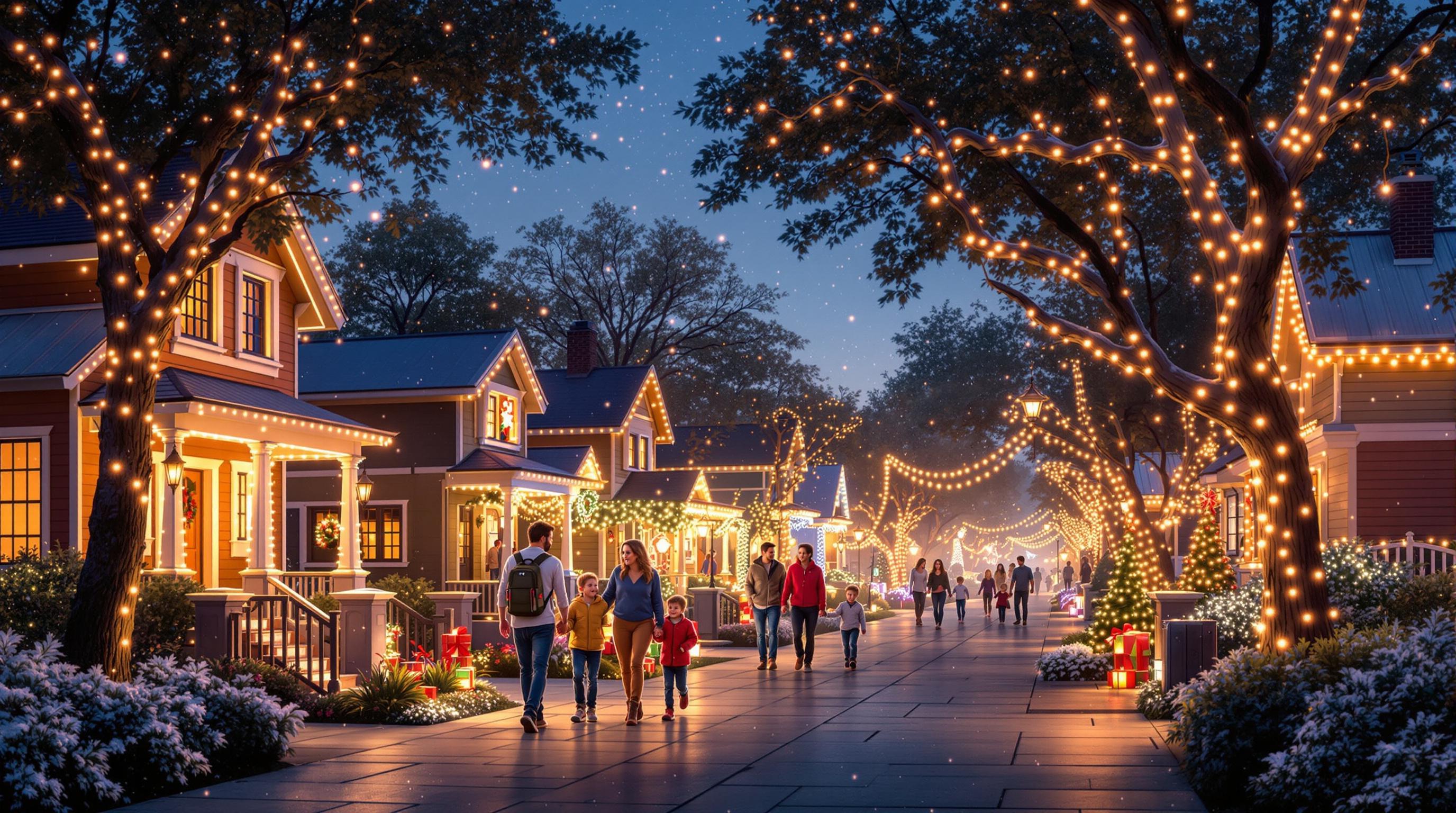
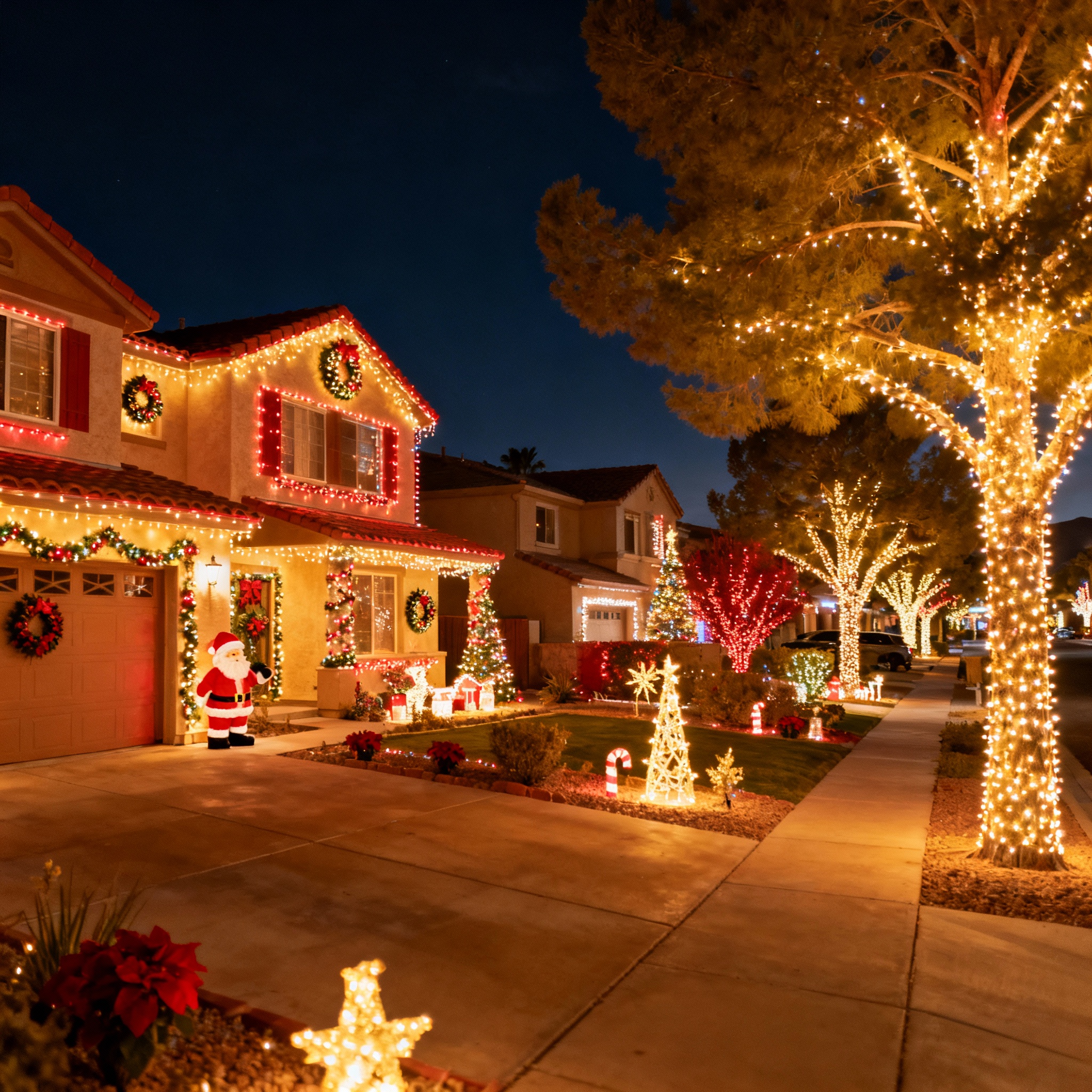
A good neighborhood for Christmas lights is defined by high resident participation, a cohesive thematic approach, and accessible infrastructure that accommodates spectators. These areas often feature a "critical mass" of decorated homes, organized traffic flow, and specific traditions—such as synchronized music or charity collections—that elevate the experience from a simple drive-by to a community event.
The Anatomy of a Premier Holiday Lighting Destination
Finding a neighborhood that warrants a dedicated trip requires looking beyond individual decorations. In 2026, the standard for a "good" neighborhood has shifted from mere quantity to a sophisticated blend of technology, tradition, and community organization. To truly qualify as a destination, a neighborhood must exhibit a collective spirit that transforms residential streets into an immersive holiday environment.
High Density and Participation Rates
The primary metric of a superior lighting neighborhood is the participation rate. A street where only one or two houses are brightly lit can feel disjointed. In contrast, "Christmas light destinations" typically boast participation rates exceeding 70% of the homes on a given block. This density creates a "tunnel" effect of light, where the glow from one property bleeds into the next, creating a continuous visual experience. High density is often the result of long-standing neighborhood traditions or informal competitions between neighbors that have spanned decades.
Thematic Cohesion and Neighborhood Identity
Many of the most famous holiday neighborhoods adopt a specific theme. You might find a "Candy Cane Lane" where every house features red and white striped poles, or a "Nutcracker Square" where oversized wooden soldiers guard every driveway. This thematic cohesion suggests a level of organization and cooperation that usually translates to a better viewing experience. It indicates that the residents are not just decorating their own homes, but are contributing to a larger, curated aesthetic for the enjoyment of the public.
Infrastructure and Accessibility
A neighborhood’s physical layout significantly impacts its quality as a lighting destination. Wide streets, ample curbside parking, and the presence of cul-de-sacs are ideal for vehicular viewing. For neighborhoods that encourage walking, well-maintained sidewalks and low-speed traffic are essential. As of 2026, many top-tier neighborhoods have begun implementing temporary one-way traffic patterns during peak viewing hours (typically 6:00 PM to 9:00 PM) to prevent gridlock and ensure the safety of pedestrians and local residents alike.
Key Indicators of a "Must-Visit" Lighting District
When scouting for the best locations this 2026 season, certain indicators can help you distinguish a mediocre display from a professional-grade community effort.
Historical Longevity
The best neighborhoods for Christmas lights are rarely "one-hit wonders." Locations that have been featured in local news or dedicated holiday apps for several consecutive years are the most reliable. These areas often have established committees or Homeowners Associations (HOAs) that provide guidelines or even financial incentives for residents to participate. Historical longevity also means the residents have mastered the logistical challenges of hosting thousands of visitors, such as managing trash and coordinating with local law enforcement for traffic control.
Technological Sophistication
In 2026, the "good" neighborhood has moved far beyond static incandescent bulbs. Look for areas that showcase:
- RGB Pixel Mapping: Displays where every individual bulb can be programmed to change color, allowing for complex animations and patterns across the facade of a home.
- Musical Synchronization: Neighborhoods where multiple houses sync their lights to a localized FM radio frequency. This requires a high degree of technical coordination between neighbors to ensure the "show" is seamless.
- Interactive Elements: Some advanced neighborhoods now include QR codes or apps that allow visitors to "vote" for their favorite house or trigger specific light sequences from their smartphones.
Charitable Integration
Often, the highest quality neighborhoods are those that use their popularity for a cause. Many premier light displays set up collection bins for local food banks or partner with nonprofits to accept digital donations. The presence of a charitable component often signals a more organized and welcoming environment, as the residents are motivated by more than just personal holiday cheer; they are operating a community-service event.
Planning Your 2026 Holiday Light Tour
To maximize the enjoyment of a high-quality lighting neighborhood, planning is essential. The popularity of these areas means that without a strategy, you may spend more time in traffic than viewing lights.
Timing and Peak Hours
Most neighborhood displays begin the weekend after Thanksgiving and run through New Year’s Day. However, the "sweet spot" for viewing is typically the second and third weeks of December.
- Weeknights vs. Weekends: Mondays through Wednesdays are significantly less crowded.
- Optimal Window: Arrive just after dusk (usually around 5:30 PM) to beat the primary rush, which typically peaks between 7:00 PM and 8:30 PM.
- Weather Considerations: A crisp, clear night is standard, but a light snowfall can enhance the atmosphere of LED displays, provided the roads remain safe for travel.
Logistics and Navigation Tools
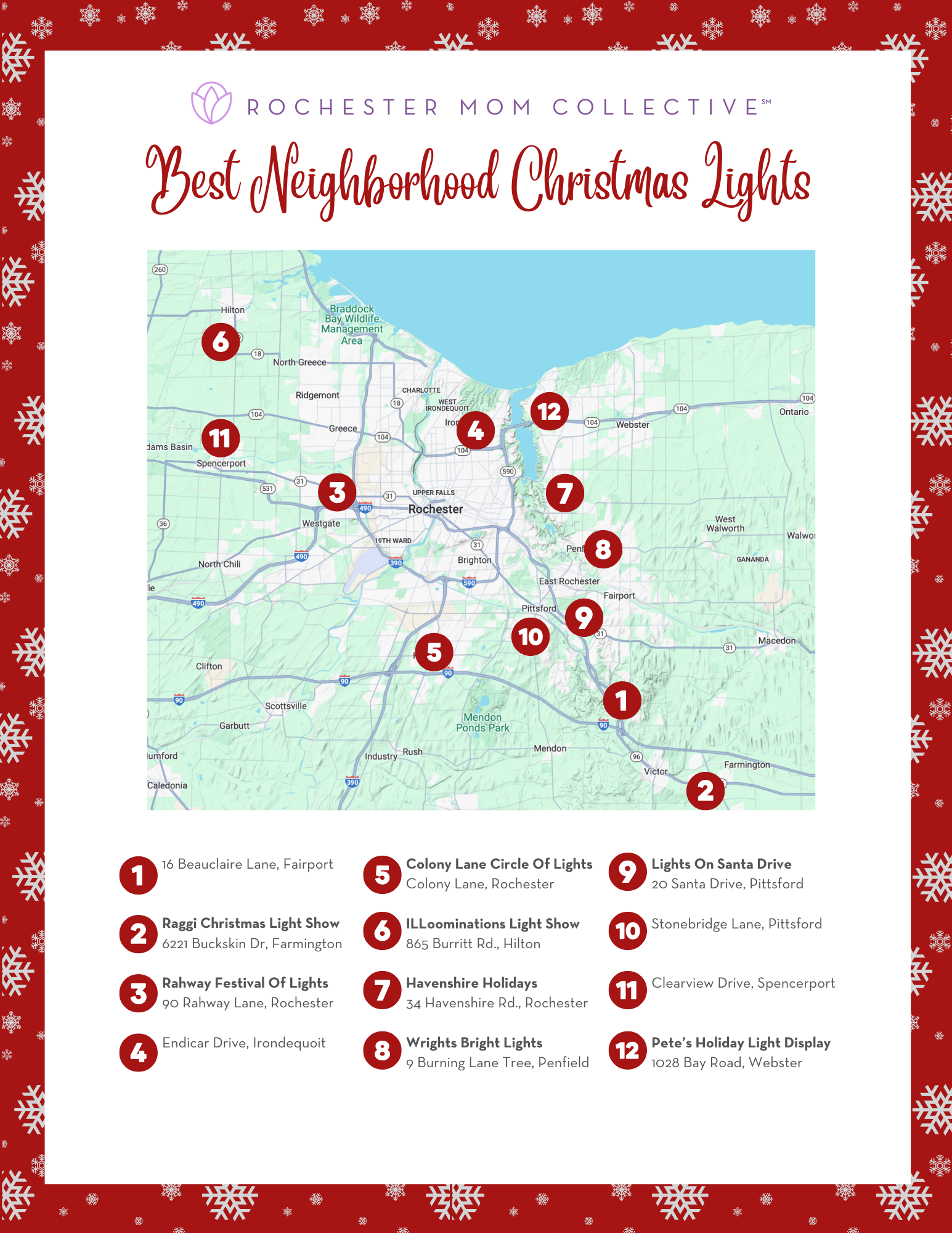
In 2026, several digital tools have become indispensable for finding and navigating these neighborhoods. Apps like Nextdoor’s "Cheer Map" allow residents to mark their homes as decorated, providing a heat map of the most active areas. Local community blogs and "Best of [City]" lists are also excellent resources for discovering hidden gems that may not have reached national fame but offer high-quality local displays.
| Feature | Drive-Through Neighborhoods | Walk-Through Districts | Commercial Light Parks |
|---|---|---|---|
| Cost | Usually Free (Donations encouraged) | Free | Paid Admission ($20-$50 per car) |
| Pace | Controlled by traffic flow | Self-paced | Controlled by vehicle line |
| Social Aspect | Private (Inside your car) | High (Socializing with others) | Moderate |
| Tech Level | Varies by house | Often high/interactive | Professional/Industrial |
| Best For | Families with small children | Photographers and couples | Those seeking a guaranteed "show" |
The Role of Community Organization
What separates a "good" neighborhood from a "great" one is often the invisible hand of community organization. In premier locations, neighbors often meet as early as September to discuss themes, order bulk supplies of replacement bulbs, and coordinate "lighting-up" dates.
HOA and Municipal Support
In some high-end residential areas, the Homeowners Association plays a pivotal role. They may hire professional installation crews to decorate common areas, gates, and streetlamps, which provides a consistent backdrop for the individual homes. Furthermore, some municipalities recognize the tourism value of these neighborhoods and may provide additional police patrols for traffic management or extra trash collection services during the month of December.
Resident Investment
The financial and temporal investment required to maintain a top-tier lighting neighborhood is substantial. High-quality LED displays for a single home can cost thousands of dollars in initial hardware, plus the "hidden" costs of electricity and storage. When you visit a good neighborhood, you are witnessing thousands of collective man-hours of labor. This investment is what creates the sense of "magic" that keeps visitors returning year after year.
Etiquette and Spectator Safety
Because these displays are located in residential areas, a "good" neighborhood can only remain so if visitors practice proper etiquette. The sustainability of these traditions depends entirely on the relationship between the residents and the public.
- Respect Private Property: Never walk onto a resident’s lawn or porch unless there is a clearly marked "photo op" area. Stay on the sidewalk or the street.
- Manage Your Lights: If you are driving, turn your headlights to "parking lights" or low beams if safety permits, but never drive with your lights completely off. This allows you to see the displays better without blinding pedestrians or other drivers.
- Keep Noise Levels Down: Avoid loud music (other than the synchronized FM stations) and shouting. Remember that while it is a festive event for you, it is a Tuesday night at home for the residents.
- No Littering: This is the fastest way to get a neighborhood display shut down for future years. If you bring snacks or drinks, ensure all trash stays in your vehicle.
- Follow Traffic Flow: Many popular streets will have "No Left Turn" or "One Way Only" signs posted temporarily. Adhering to these is crucial for preventing gridlock.
Emerging Trends in 2026 Neighborhood Displays
As we move through the 2026 holiday season, several new trends are defining what makes a neighborhood "good" for Christmas lights.
Sustainability and Solar Integration
With rising energy consciousness, many top-tier neighborhoods have transitioned 100% to high-efficiency LED technology. Some advanced homes are now utilizing dedicated solar-battery arrays to power their displays, reducing the strain on the local grid and demonstrating that large-scale holiday joy can be environmentally responsible.
Augmented Reality (AR) Enhancements
A nascent but growing trend in 2026 is the use of AR. In certain tech-forward neighborhoods, viewing a house through a specific mobile app reveals digital overlays—such as Santa’s sleigh flying over the roof or virtual snow falling on the lawn—that are not visible to the naked eye. This adds a secondary layer of "hidden" content for those who are tech-savvy.
Year-Round Infrastructure
Some of the most dedicated neighborhoods have begun installing "permanent" holiday lighting. These are high-end, color-changing LED tracks tucked under the eaves of the house that are nearly invisible during the day but can be programmed for any holiday. This allows for more complex architectural lighting that is perfectly straight and professionally calibrated, raising the overall aesthetic standard of the neighborhood.
Frequently Asked Questions
What time do most neighborhood Christmas lights turn off?
In most professional-grade neighborhoods, displays are active from 5:00 PM or 5:30 PM until approximately 10:00 PM on weeknights and 11:00 PM on weekends. Many residents use automated timers to ensure the lights do not disturb neighbors late into the night. It is best to arrive no later than 9:00 PM to ensure you see the full displays.
Is it better to walk or drive through a lighting neighborhood?
This depends on the neighborhood’s layout. If the area has wide sidewalks and houses are close together, walking provides a much more intimate and detailed experience, allowing you to see smaller decorations and hear any localized music. However, if the neighborhood is sprawling with large lots, driving is more practical. Always check local forums or apps to see if a neighborhood is designated as "walk-only" on certain nights.
Do I have to pay to see lights in a residential neighborhood?
While 99% of residential displays are free to view, it is common to see donation boxes for local charities. Some extremely popular private "walk-through" displays on large estates may request a small donation to cover the cost of electricity or to support a specific cause, but this is the exception rather than the rule.
How can I find the most "underrated" neighborhoods?
To find locations that aren't over-crowded, look for newer suburban developments or neighborhoods that have a high population of young families. These areas are often in the process of building their holiday traditions and may offer high-quality displays without the two-hour traffic lines found in more famous districts.
What should I do if a neighborhood is too crowded?
If you arrive and the traffic is at a standstill, the best course of action is to find a legal parking spot several blocks away and walk in, provided there are sidewalks. Alternatively, have a "Plan B" neighborhood nearby that is less well-known. Never block residential driveways or fire hydrants in an attempt to get a better view.
Final Recommendation for 2026
To find the best neighborhood for Christmas lights this year, prioritize community-organized districts that have a history of participation. Start your search on local community apps in early December, and aim to visit on a Tuesday or Wednesday evening to avoid the largest crowds. For the best experience, look for a neighborhood that offers a mix of traditional nostalgia and modern LED synchronization, and always remember to bring a small cash or digital donation to support the charitable causes many of these residents represent.