In 2026, the phenomenon of a comedian from Saturday Night Live dominates the scene by leveraging multi-platform visibility, transitioning from traditional sketch comedy to leading roles in major motion pictures and high-traffic digital media. This dominance is characterized by a strategic blend of late-night television stability, podcasting influence, and high-fashion brand partnerships that redefine modern stardom.
The Evolution of Saturday Night Live as a Career Launchpad
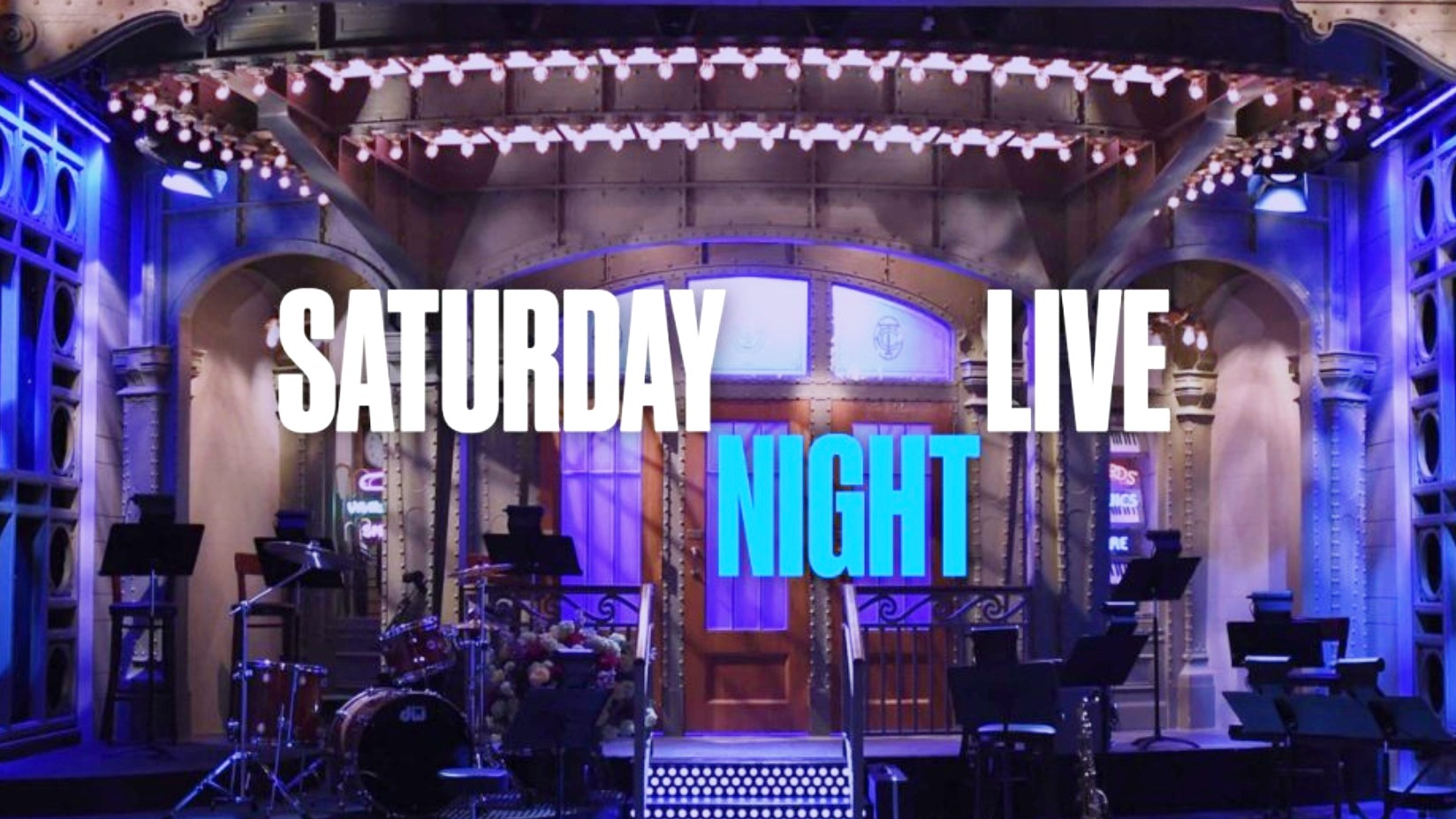
The concept of "dominating the scene" has undergone a radical transformation since the early days of the "Not Ready for Prime Time Players." In the 1970s and 80s, success was defined by a transition to a multi-film deal or a sitcom. By 2026, the landscape has shifted toward a total media saturation model. A comedian from Saturday Night Live now utilizes the show not just as a performance venue, but as a centralized hub for a global personal brand. This shift is most evident in how current cast members maintain high-profile external projects simultaneously with their tenure at 30 Rockefeller Plaza.
The structural changes within NBC and the broader entertainment industry have facilitated this. The traditional "seven-year contract" remains, but the flexibility allowed for "repertory players" to film features or record award-winning podcasts during the off-season has created a new breed of celebrity. These individuals do not merely wait for a breakout character; they cultivate a digital-first audience that follows them from Saturday night broadcasts to Monday morning streaming platforms.
This dominance is further amplified by the 50th-anniversary milestone of the show, which occurred in 2025. The halo effect of that celebration has elevated the current roster to a level of prestige and recognition not seen in decades. As we move through 2026, the industry looks to these performers as the primary engines of cultural conversation, bridging the gap between legacy television and the fragmented world of social media virality.
Case Study: How Bowen Yang Redefined the Breakout Star
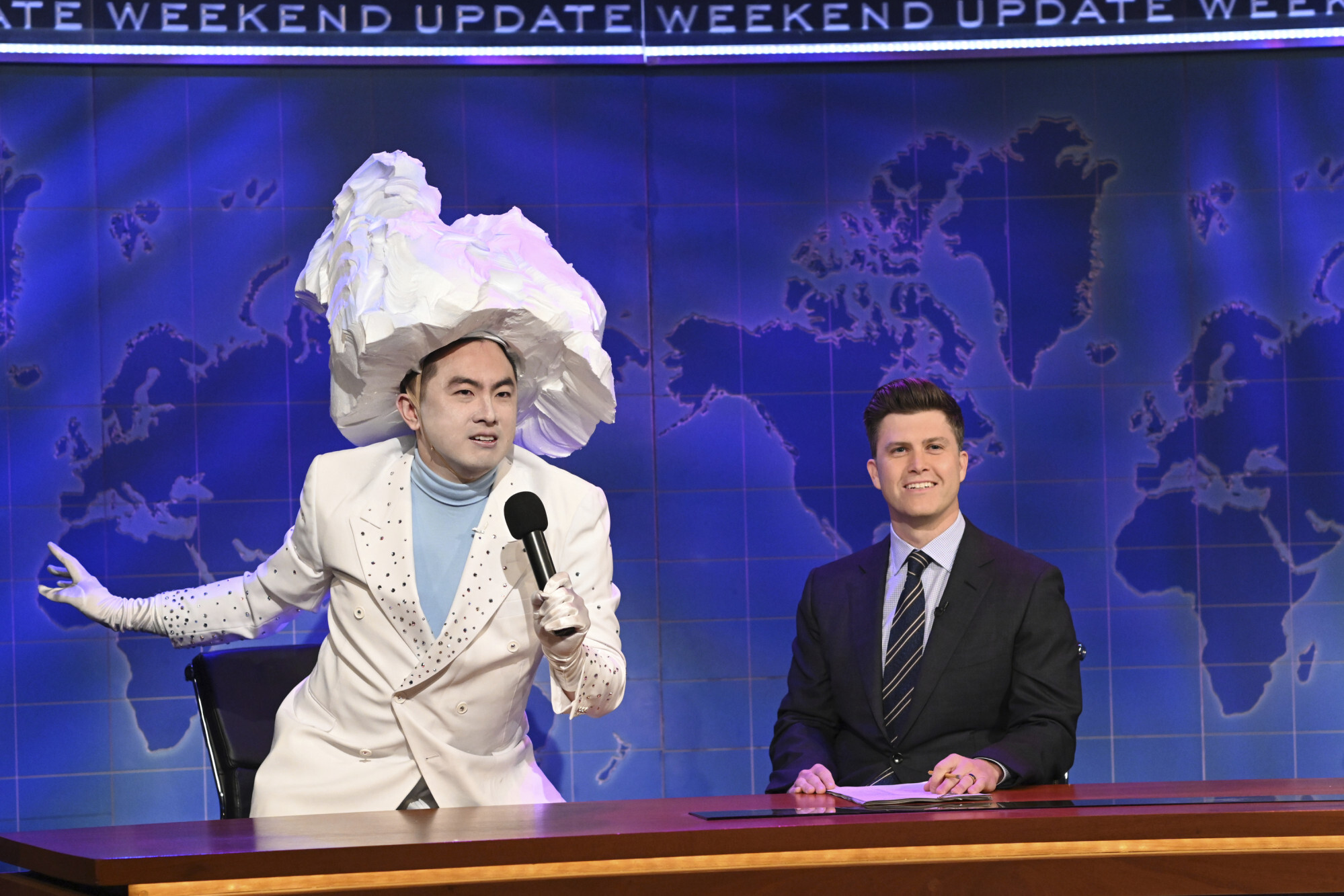
When discussing how a comedian from Saturday Night Live dominates the scene today, the trajectory of Bowen Yang serves as the definitive blueprint. Joining the show initially as a writer in 2018 before moving to the cast in 2019, Yang has transformed into a cultural icon who commands attention across multiple sectors. By 2026, his influence is no longer confined to the "Weekend Update" desk; it extends into the highest tiers of the film industry and the fashion world.
Yang’s dominance is built on the "high-low" comedy methodology. He can oscillate between niche internet references and broad, physical comedy that appeals to a global audience. His work on the Las Culturistas podcast, co-hosted with Matt Rogers, has become a cornerstone of modern pop-culture critique, influencing the very "culture" the show satirizes. This dual-track career—being both a satirist of the scene and a central figure within it—allows him to dominate the narrative in a way few predecessors could.
In 2026, the impact of his role in the Wicked film adaptations (released in late 2024 and 2025) continues to resonate, proving that an SNL comedian can successfully integrate into massive franchise IP without losing their comedic edge. This transition is a key marker of "dominating the scene": the ability to maintain a distinct, authentic voice while operating within the most commercial segments of Hollywood.
The Technical Infrastructure of Modern Comedy Stardom
To understand how these performers maintain such a high level of influence, one must look at the technical and logistical side of their career management. A comedian from Saturday Night Live dominates the scene by mastering four distinct pillars of modern entertainment:
- Digital Virality and Clip Culture: Performance segments are now written with "shareability" in mind. A sketch that "dominates" isn't just one that gets laughs in the studio; it’s one that generates millions of views on social platforms within hours of airing.
- Podcasting as a Retention Tool: Unlike the stars of the 90s who disappeared between seasons, 2026 stars use podcasts to maintain a direct, weekly connection with their fanbase, fostering "parasocial" loyalty that translates to ticket and ticket sales.
- Cross-Generational Appeal: The most dominant comedians bridge the gap between "Gen Z" humor (fast-paced, meta-referential) and the traditional tastes of older "Gen X" and "Boomer" SNL loyalists.
- Brand Synergy: By 2026, cast members are frequently seen in high-fashion campaigns (e.g., Loewe, Gucci) or as faces of major tech and lifestyle brands, moving beyond the "goofy comedian" trope into the realm of "tastemaker."
This infrastructure allows a performer to stay relevant even during the show's hiatus. The "dominance" is not a seasonal event but a year-round presence. This is managed through sophisticated talent agencies and digital marketing teams that treat the comedian as a comprehensive media entity rather than just an actor.
Comparative Analysis of SNL Dominance Eras
To contextualize the current dominance of performers in 2026, it is helpful to compare the "Breakout Archetypes" of different eras. This table illustrates how the metrics of success have evolved from purely domestic box office numbers to a multi-dimensional influence score.
| Era | Primary Representative | Dominance Metric | Primary Medium | Key Transition |
|---|---|---|---|---|
| The Movie Star Era (90s) | Adam Sandler / Chris Rock | Domestic Box Office | Film | Stand-up to Lead Actor |
| The Prestige Era (00s) | Tina Fey / Amy Poehler | Critical Acclaim / Writing | TV / Books | Performer to Showrunner |
| The Hader/Wiig Era (10s) | Bill Hader / Kristen Wiig | Character Versatility | Indie & Studio Film | Sketch to Dramatic Acting |
| The Omnichannel Era (2026) | Bowen Yang / Ego Nwodim | Digital Reach / Cross-Platform | Multi-Media | Creator to Cultural Icon |
As shown in the table, the 2026 era focuses on "Omnichannel" presence. A comedian from Saturday Night Live dominates the scene today because they are not forced to choose between being a writer, a podcaster, a fashion icon, or a dramatic actor; they are expected to be all four simultaneously.
Navigating the Challenges of High-Visibility Dominance
While the rewards of dominating the scene are substantial, the pressures in 2026 are unprecedented. The "always-on" nature of modern stardom means that every public appearance, social media post, and sketch performance is subject to intense scrutiny. For a comedian from Saturday Night Live, the challenge lies in balancing the "edginess" required for comedy with the "brand safety" required for high-level sponsorships and film roles.
Furthermore, the competition for attention is fiercer than ever. With the rise of AI-generated content and the continued fragmentation of streaming services, a comedian must work twice as hard to remain the center of the cultural zeitgeist. Those who dominate do so by remaining "human" and "unpredictable" in an increasingly curated digital world. They lean into live performances and stand-up tours—such as the massive 2026 "SNL Alumni & Friends" stadium circuit—to prove their skills in a non-digital environment.
Success also requires a deep understanding of the "Algorithm." Comedians now work closely with digital strategists to ensure their content is optimized for various platforms. This technical layer of career management is often invisible to the audience but is essential for maintaining the status of "dominating the scene."
The Economic Impact of a Dominant SNL Alumnus
The financial implications of an SNL comedian "dominating the scene" are significant for the network and the individual. In 2026, a breakout star can command:
- Eight-figure film contracts: Transitioning from a weekly salary on SNL to a major studio lead.
- Massive podcast ad revenue: Top-tier comedy podcasts can generate millions in annual revenue through direct-response and brand-awareness advertising.
- Touring revenue: Stand-up tours for "dominant" performers often sell out theaters and arenas globally, with ticket prices rivaling major musical acts.
- Endorsement deals: High-fashion and luxury brand partnerships have become a new revenue stream that was largely unavailable to previous generations of comedians.
This economic power gives the performer more leverage in their contract negotiations with NBC. It is common in 2026 for dominant cast members to negotiate "limited appearance" deals, allowing them to stay on the show while pursuing their multimillion-dollar external ventures. This "hybrid model" ensures that SNL keeps its biggest stars as long as possible, while the stars use the show as a recurring marketing platform for their other projects.
Frequently Asked Questions
Who is the most successful SNL comedian in 2026?
Currently, Bowen Yang and Ego Nwodim are considered the most dominant "scenestealers" due to their blend of viral sketch performances, successful podcasts, and significant roles in both independent and blockbuster cinema. Their ability to remain relevant across multiple demographics—from Gen Z on TikTok to Gen X on network TV—sets them apart.
How does someone get on Saturday Night Live in 2026?
The recruitment process has expanded beyond traditional improv theaters like The Groundlings or Second City. While those remain important, NBC talent scouts now heavily monitor social media platforms, independent podcast networks, and viral stand-up clips. Many 2026 cast members were "discovered" after building their own significant digital following.
Is SNL still relevant for a comedian's career?
Yes, SNL remains the most powerful "accelerant" in comedy. While a performer can become famous on social media, the "SNL" brand provides a level of institutional legitimacy and industry access that is difficult to replicate independently. It serves as a finishing school for the technical aspects of television production and high-pressure performance.
Do SNL comedians still do stand-up?
Most dominant performers in 2026 maintain active stand-up careers. In fact, many use their SNL fame to launch global tours during the summer hiatus. Stand-up is seen as the "purest" form of their craft and a necessary way to maintain their comedic voice away from the constraints of network television scripts.
How has the 50th Anniversary changed the show?
The 50th-anniversary celebration in 2025 acted as a massive "rebranding" for the show, reminding the industry of its legacy while introducing the "new guard" to a broader audience. This has led to increased investment from NBCUniversal and a higher caliber of guest hosts and musical guests throughout the 2025-2026 season.
Final Recommendation for Aspiring Comedians
For those looking to understand how a comedian from Saturday Night Live dominates the scene, the key takeaway is the importance of versatility and ownership. In 2026, it is not enough to be a "good actor" or a "funny writer." One must be a creator who understands the technicalities of digital distribution, the nuances of brand building, and the importance of maintaining a direct line of communication with an audience.
The path to dominance involves using the platform of SNL to launch a wider ecosystem of content. Aspiring performers should focus on developing a unique "POV" (Point of View) that can be translated into sketches, podcasts, and long-form storytelling. By the time they reach the halls of 30 Rock, they should already be "dominating" their own smaller scene, making their transition to the national stage a natural evolution rather than a lucky break.
For fans and industry observers, watching how these stars navigate the complexities of 2026 offers a glimpse into the future of celebrity. The "SNL Comedian" is no longer just a television character; they are a multi-media powerhouse who defines the cultural landscape.