Accessing ASX data in real time requires a subscription through a licensed broker, a financial data vendor, or a specialized API provider. While the Australian Securities Exchange (ASX) provides 20-minute delayed data for free on many public platforms, live streaming prices involve exchange fees and specific technical requirements. In 2026, investors can choose between retail brokerage apps, professional-grade terminals like IRESS, or developer-focused APIs for algorithmic trading.
Understanding ASX Data Tiers: Real-Time vs. Delayed
The distinction between real-time and delayed data is the most fundamental concept for anyone looking to trade on the Australian Securities Exchange. For the casual observer, a 20-minute delay is standard and free of charge across most news sites and basic portfolio trackers. However, for active traders, this delay is an eternity.
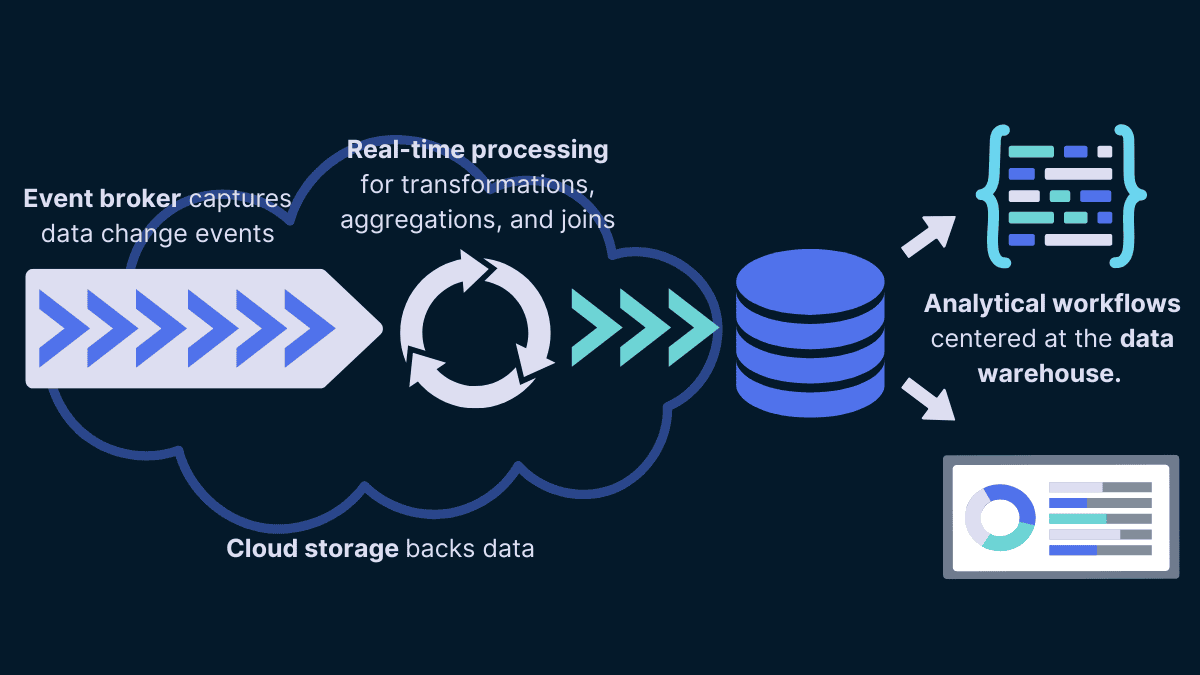
Real-time data reflects the immediate state of the market. It includes every bid, ask, and trade the moment it occurs on the exchange’s matching engine. In 2026, the technology behind this delivery has moved almost entirely to low-latency cloud environments, but the core licensing structures remain strictly governed by the ASX.
Why Does the 20-Minute Delay Exist?
The ASX, like most global exchanges, monetizes its data. By providing delayed data for free, they allow for general public awareness while charging professional and active participants for the competitive advantage of live information. This revenue helps maintain the exchange's technical infrastructure, including the ASX Net—the high-speed fiber network connecting financial institutions to the exchange.
Level 1 vs. Level 2 Data
When you seek real-time data, you must choose between two primary depth levels:
- Level 1 (Top of Book): This provides the current best bid (the highest price a buyer is willing to pay) and the current best ask (the lowest price a seller is willing to accept), along with the last traded price and cumulative volume. This is usually sufficient for most retail investors.
- Level 2 (Market Depth): This reveals the full "order book." You can see multiple layers of bids and asks, showing exactly how much volume is waiting at various price points. This is essential for day traders who need to gauge supply and demand imbalances before placing a trade.
Primary Sources for Real-Time ASX Data
In 2026, the ecosystem for accessing live data has diversified, offering solutions for everyone from hobbyists to institutional quantitative analysts.
1. Online Retail Brokers
Most Australian investors get their real-time data directly through their brokerage platform. Major players like CommSec, NABtrade, and Stake offer live data, but the "real-time" aspect often comes with conditions.
- Click-to-Refresh: Some "free" real-time tiers require the user to manually click a button to see the latest price. This is not true streaming data.
- Streaming Data: This updates automatically without user intervention. Brokers often charge a monthly fee (e.g., $10–$25 AUD) for this service, though many waive the fee if the user executes a certain number of trades per month.
2. Professional Trading Terminals
For professional traders and wealth managers, retail brokerage apps are often too slow or lack advanced charting. IRESS remains the industry standard in Australia. It provides high-frequency streaming data, sophisticated technical analysis tools, and direct market access (DMA). Other international options like Bloomberg and FactSet also provide ASX data, though at a significantly higher price point geared toward institutional desks.
3. Financial Data APIs
Developers and algorithmic traders use Application Programming Interfaces (APIs) to pipe real-time ASX data directly into their own software or spreadsheets. Providers like Alpha Vantage, Intrinio, and specialized Australian vendors offer WebSocket or REST API connections. These services are categorized by their "latency"—the delay between the exchange event and the data reaching the user's code.
Technical Infrastructure and Data Delivery
The journey of a price update from the ASX Liquidity Centre (ALC) in Artarmon, Sydney, to your screen is a complex feat of engineering.
The Role of the ASX Liquidity Centre (ALC)
The ALC is the physical hub where the ASX matching engines reside. Most real-time data providers co-locate their servers within this facility to minimize the distance data must travel. For high-frequency traders (HFT), even the length of the fiber optic cable matters. For a standard real-time user in 2026, the data usually travels from the ALC to a vendor’s cloud server (such as AWS or Azure) before being broadcast to the end-user via the internet.
Protocols: ITCH, OUCH, and FIX
Behind the scenes, data is transmitted using specific protocols.
- ITCH: This is the protocol used for the ASX’s outbound data feed. It is a high-speed, binary protocol designed for one-way delivery of market events.
- FIX (Financial Information eXchange): This is the industry standard for two-way communication, typically used for sending orders to the exchange and receiving confirmations.
- WebSockets: Most modern web-based trading platforms use WebSockets to push real-time updates to your browser. Unlike traditional HTTP requests, WebSockets keep a persistent connection open, allowing for instantaneous data flow.
Costs and Subscription Models in 2026
Real-time data is rarely free because the ASX charges "Exchange Fees" for every individual or professional user who accesses their live feed. These fees are passed on by your service provider.
| User Type | Typical Access Method | Estimated Monthly Cost (AUD) | Features |
|---|---|---|---|
| Retail Investor | Broker App (e.g., CommSec) | $0 - $20 | Level 1, Streaming or Click-to-Refresh |
| Active Day Trader | Professional Terminal (IRESS) | $60 - $200 | Level 2 Market Depth, Advanced Charting |
| Software Developer | Real-Time API | $100 - $500+ | Raw JSON/Binary feeds, WebSocket access |
| Institutional Desk | Bloomberg/FactSet | $3,000+ | Full global integration, deep analytics |
Private vs. Professional User Classification
A critical factor in your cost is how you are classified.
- Private Investors: Use the data solely for personal, non-commercial investment purposes. They enjoy significantly lower exchange fees.
- Professional Users: Include anyone working in the financial services industry, managing money for others, or using the data for a business. Professional fees can be ten times higher than private fees for the exact same data feed.
How to Set Up Real-Time ASX Data: A Step-by-Step Guide
If you are ready to move beyond delayed prices, follow these steps to ensure a stable and cost-effective setup.
Step 1: Define Your Data Needs
Do you need to see the full order book (Level 2), or is the current price (Level 1) enough? If you are a long-term investor, Level 1 is sufficient. if you are scalping or day trading, Level 2 is non-negotiable.
Step 2: Choose a Delivery Method
- For Desktop/Web: Look for providers that offer a "Streaming" toggle.
- For Mobile: Ensure your broker’s app supports "Push" updates so you aren't constantly refreshing.
- For Excel/Google Sheets: Use a provider that offers an Add-in or a simple API integration.
Step 3: Complete the Exchange Agreement
When you sign up for real-time data, you will be required to sign a digital "Subscriber Agreement" from the ASX. This document legally confirms your status as a private or professional user. Accuracy here is vital; misrepresenting your status can lead to back-dated fee invoices and account suspension.
Step 4: Verify Your Connection
Once active, compare your feed against a known delayed source. If your price is moving while the delayed source remains static, your real-time feed is operational. Check for "heartbeat" indicators on professional platforms, which confirm the data connection is live even during periods of low trading volume.
Common Challenges and Troubleshooting
Even with a high-end subscription, technical issues can occur. Understanding these common pitfalls can save you from trading on "stale" data.
Latency and "Slippage"
Latency is the time it takes for data to travel. In 2026, even with 5G and high-speed fiber, internet congestion can cause a delay of several hundred milliseconds. This can lead to "slippage," where the price you see on your screen has already changed by the time your order reaches the exchange. To mitigate this, professional traders use wired ethernet connections rather than Wi-Fi.
Data Gaps and Sequence Errors
Occasionally, a packet of data may be lost in transit. High-quality trading platforms have "sequence checking" built-in. If a packet is missed, the software will detect a gap in the sequence numbers provided by the ASX feed and automatically request a re-transmission. If you notice "jumps" in your price charts, it may be a sign of a poor connection causing data gaps.
The "Click-to-Refresh" Trap
Many investors believe they have real-time data when they actually have "Real-Time on Demand." This means you see the live price only at the exact second you hit a button. If the market moves two seconds later, your screen remains unchanged. For active trading, always ensure your subscription specifically mentions "Streaming Data."
Comparison of Top Real-Time Data Providers (2026)
Selecting the right provider depends on the balance between cost and performance.
- CommSec (IRESS ViewPoint): Excellent for established retail traders. It offers a bridge between simple brokerage and professional tools. Fees are often waived for high-volume traders.
- IG Markets: A strong choice for those who trade both ASX shares and international markets. Their L2 Dealer platform provides sophisticated market depth.
- Selfwealth: Known for flat-fee brokerage, they offer real-time data as an add-on "Premium" service, which is ideal for cost-conscious investors who still want live prices.
- TradingView: Increasingly popular in 2026 for its superior UX. Users can buy a direct ASX data feed for a small monthly fee to power their advanced web-based charts.
Regulatory and Compliance Considerations
The distribution of ASX data is governed by strict rules set by both the ASX and the Australian Securities and Investments Commission (ASIC).
Data Redistribution Rules
It is important to note that a personal subscription to real-time data does not grant the right to redistribute that data. If you are a developer building an app, you cannot simply buy a retail feed and display it to your users. You must obtain a "Vendor Information Agreement" from the ASX, which involves significantly higher costs and reporting obligations.
Security and Accuracy
ASIC requires that brokers provide "best execution" for their clients. This is only possible if the broker is using high-quality, real-time data. When choosing a provider, ensure they are an "ASX Market Participant" or a licensed data vendor to guarantee the accuracy and integrity of the prices you are seeing.
FAQs
Can I get real-time ASX data for free?
True streaming real-time data is almost never "free" because the ASX charges an underlying exchange fee. However, many brokers offer it for $0 if you meet a minimum trading requirement (e.g., two trades per month). "Click-to-refresh" data is also frequently offered for free to account holders.
What is the difference between ASX Trade and ASX 24 data?
ASX Trade refers to equities (shares) and ETFs. ASX 24 refers to derivatives, such as SPI 200 futures and interest rate products. These are separate feeds and often require separate subscriptions.
Is real-time data necessary for long-term investing?
No. If you are buying shares to hold for five years, a 20-minute delay is irrelevant. Real-time data is a tool for timing entries and exits in volatile markets or for those trading on intraday technical patterns.
How do I get ASX data into Microsoft Excel in real time?
You can use the "Stocks" data type in Excel for delayed data. For real-time data, you will need a provider that offers an RTD (Real-Time Data) server or a dedicated Excel Add-in, such as those provided by IRESS or various financial API vendors.
Does real-time data include Chi-X (Cboe Australia) prices?
The Australian market is fragmented between the ASX and Cboe Australia (formerly Chi-X). A "consolidated feed" includes prices from both. If your provider only shows ASX data, you might be missing trades happening on the Cboe platform, which can represent up to 20% of the daily volume.
Recommendation for Next Actions
To begin using real-time ASX data, first audit your current brokerage account. Most Australian brokers have a "market data" or "subscriptions" section in their settings where you can toggle real-time data on. If you are an active trader, consider upgrading to a dedicated platform like IRESS ViewPoint or TradingView with an integrated ASX data feed. For those building custom tools, start with a trial from a reputable financial API provider to test their WebSocket stability before committing to a professional-tier subscription. Always ensure you have classified yourself correctly as a "Private User" to avoid unnecessary institutional fees.