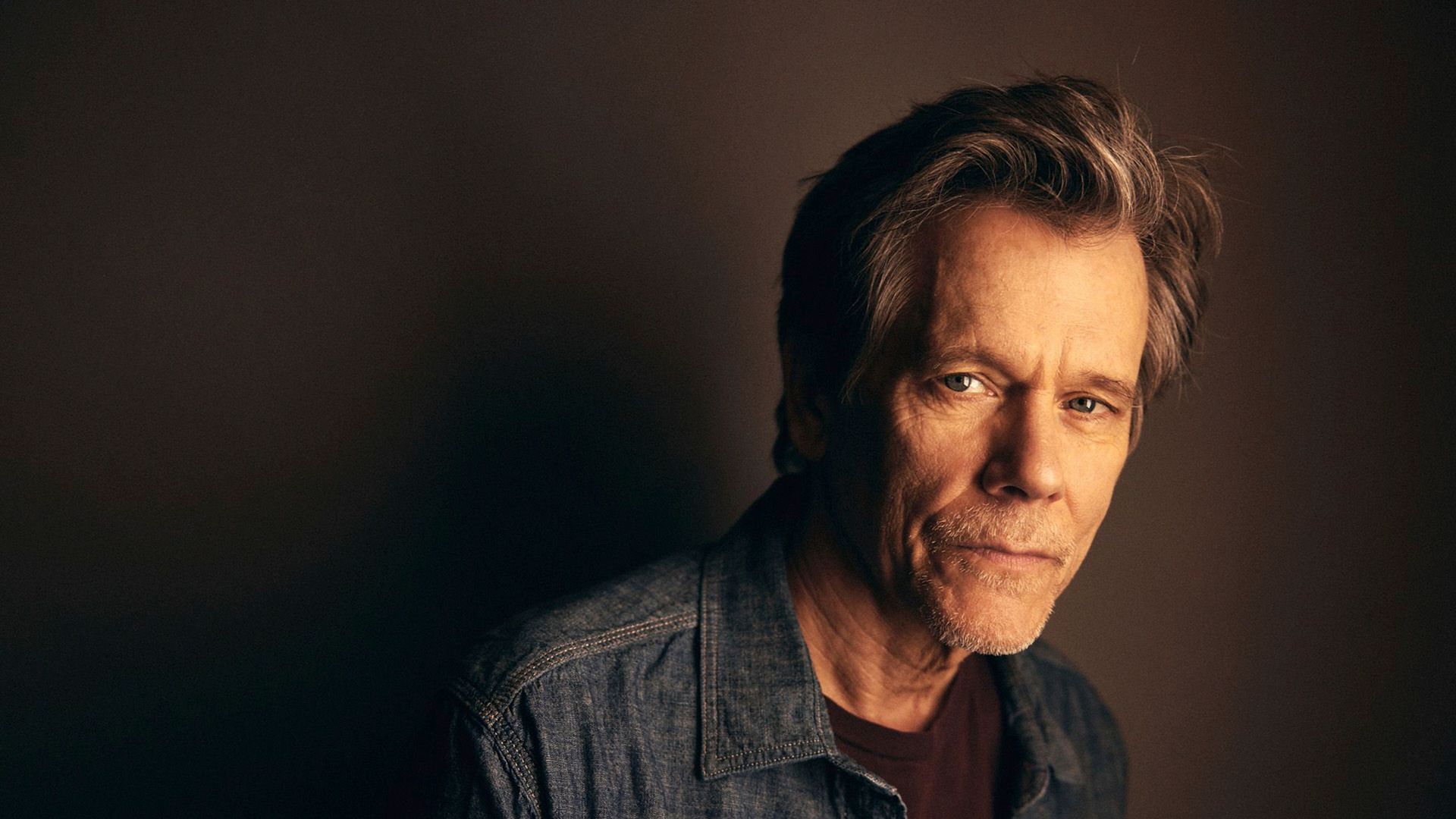
The career of Aaron Paul represents a deliberate evolution from television archetype to a versatile character actor, defined by his ability to anchor emotionally complex narratives. His trajectory—marked by his breakout as Jesse Pinkman and subsequent transition into diverse, identity-focused roles—highlights how an actor’s professional choices redefine their public persona and artistic range within the modern film industry.
The Foundation: Establishing an Identity in Television
For many, Aaron Paul is inextricably linked to the character of Jesse Pinkman in the acclaimed series Breaking Bad (2008–2013). This role was not merely a performance; it served as a crucible for Paul’s professional identity. The character, initially conceived as a temporary narrative device, evolved into the moral heartbeat of the series, providing Paul the platform to demonstrate a rare command of vulnerability, rage, and existential decay.
The cultural impact of Breaking Bad created a specific, high-stakes typecasting challenge. In the years immediately following the series, Paul had to navigate the tension between the commercial appeal of his most recognizable role and the desire to pursue projects that interrogated different facets of his craft. This period of his career was essential for establishing the technical baseline that allowed him to move into more nuanced cinematic territory.
Transitioning to Film: Strategic Departures
Transitioning from long-form television to film requires a shift in performance economy. While television allows for character development over dozens of hours, film demands that an actor establish an internal logic and identity within a restricted timeframe. Paul’s early post-Breaking Bad projects, such as Need for Speed (2014) and Eye in the Sky (2015), illustrate the range of his efforts to recalibrate his public image.
Need for Speed placed Paul in the traditional Hollywood lead role—the stoic, action-oriented protagonist. Conversely, Eye in the Sky showcased his capacity for ensemble-based, dialogue-heavy drama. This juxtaposition reveals a deliberate strategy: alternating between high-visibility blockbuster ventures and smaller, character-driven pieces. By balancing these, Paul maintained his commercial viability while consistently pushing the boundaries of his perceived range.
The Intersection of Identity and Subject Matter
In films like Hellion (2014) and The Path (2016–2018), Paul moved away from the "outsider" persona that defined his early work, instead exploring themes of institutional critique, domestic dysfunction, and spiritual desperation. The characterization in these works is defined by a deep exploration of identity—often focusing on men attempting to reconcile their pasts with the burden of societal expectations.
The role of Eddie Lane in The Path is particularly illustrative. As a member of a cult-like movement experiencing a crisis of faith, Paul was required to portray a character whose core identity was being actively dismantled. This performance moved past the reactive style of acting often associated with his earlier works, demanding instead a more internal, observational approach. It underscored a shift in his filmography toward characters who are defined by their internal moral conflicts rather than their external circumstances.
Comparative Analysis: Character Archetypes
To understand Paul’s trajectory, it is helpful to categorize his roles based on their narrative function and the identity challenges they present. The following table provides a comparison of select roles that define his professional evolution.
| Film/Series | Character | Archetype | Primary Identity Conflict |
|---|---|---|---|
| Breaking Bad | Jesse Pinkman | The Reluctant Criminal | Moral guilt and self-worth |
| Eye in the Sky | Steve Watts | The Ethical Operator | Duty vs. conscience in warfare |
| The Path | Eddie Lane | The Disillusioned Believer | Truth vs. collective identity |
| El Camino | Jesse Pinkman | The Survivor | Trauma and the quest for redemption |
| Westworld | Caleb Nichols | The Rebellious Everyman | Determinism vs. free will |
This progression reveals a clear movement from the victim of circumstance to the architect of his own moral dilemmas. Paul’s work in 2026 continues to lean toward roles where the character's internal landscape is the primary site of conflict, mirroring his growth from a television breakout to a seasoned dramatic actor.
Technical Craft: The Evolution of Performance
As an actor, Paul’s technical approach has moved toward a more minimalist expression of emotion. In his earlier work, his performance was often characterized by high-intensity outbursts and overt displays of physical and emotional distress. This was appropriate for the heightened reality of Breaking Bad. However, in more recent cinematic projects, his technique has shifted toward "economy of motion"—conveying complexity through subtle facial shifts and controlled vocal cadences.
This shift is a hallmark of an actor transitioning from the frantic pacing of cable television to the contemplative potential of independent and auteur-driven film. By reducing the volume of his performances, he allows the audience to project their own understanding of identity onto the character, creating a more intimate viewing experience.
Challenges of Sustained Relevance
Maintaining a trajectory of growth in the film industry requires more than just artistic selection; it requires navigating the cycles of industry attention. Paul has frequently cited the difficulty of avoiding "legacy" roles that risk overshadowing new, more experimental work. The 2019 return to the role of Jesse Pinkman in El Camino: A Breaking Bad Movie was a calculated closure of a historical chapter. By revisiting that identity, he was able to definitively signal the end of one era of his career, thereby liberating his future projects from the constant expectation of reprising his most famous role.
The challenge now, as of 2026, involves finding roles that are both artistically challenging and commercially sustainable. This necessitates a move toward production and creative involvement. As actors reach a certain tier of maturity, they often find that the most effective way to manage their identity in film is to participate in the selection and development of the scripts themselves, rather than functioning solely as an interpretive vessel.
The Role of Genre in Character Development
Paul has demonstrated an interest in genre-bending, particularly in science fiction and thriller contexts. These genres provide a unique laboratory for identity exploration. In Westworld, for example, his role as Caleb Nichols examined the nature of human agency in a world governed by algorithms. Science fiction acts as a mirror, allowing Paul to explore identity in a vacuum where social norms are removed, forcing his characters to define themselves through choices that are stripped of standard societal context.
This genre experimentation serves as a bridge for the actor. It allows him to retain his status as a "bankable" performer while satisfying his creative need to engage with abstract questions regarding what constitutes a person’s identity—a consistent thread throughout his varied filmography.
Practical Implications for Aspiring Performers
For students of acting or those interested in the industry, the career of Aaron Paul offers a roadmap on the importance of "career pacing." The most significant takeaway is that growth is often found by alternating between roles that validate one’s past success and roles that explicitly challenge the audience's assumptions about one’s capabilities.
- Diversification: Never commit exclusively to one genre or archetype for more than three consecutive projects.
- The Power of Silence: Recognize that in film, emotional intensity is often more effectively communicated through stillness than through active, externalized display.
- Narrative Ownership: As an actor grows, seeking roles that align with their personal interests in themes (such as morality, loyalty, or existential dread) creates a more cohesive body of work.
Future Perspectives in 2026
As the film industry continues to prioritize the intersection of character-led narratives and high-concept premises, Paul is well-positioned to continue his trajectory. His career demonstrates that "identity" in film is not a static state but a performance that evolves through a series of choices. Whether he continues to occupy the space of the stoic observer or pivots toward more comedic or surrealistic roles, the common denominator remains his commitment to portraying characters who are fundamentally trying to understand their place in a world that is rarely accommodating.
The path from a troubled youth on television to a thoughtful lead in contemporary cinema is not an accident of circumstance, but the result of a deliberate, sustained focus on the craft of acting as a tool for exploring the human condition. For the viewer, this journey provides a satisfying progression, allowing us to watch an actor learn to inhabit the complexities of the human identity in real-time.
Frequently Asked Questions
What was the turning point for Aaron Paul’s career after his time on television? The turning point was his deliberate shift toward varied film roles that actively contrasted with his role as Jesse Pinkman. By accepting projects like Eye in the Sky and engaging in character-study dramas like The Path, he demonstrated that his range extended far beyond the archetype that brought him fame.
How does Aaron Paul’s performance style compare to his earlier, more reactive roles? His early style was defined by intense, explosive, and highly reactive performances. His current style utilizes an economy of motion and vocal control, where the emotional weight is conveyed through subtlety, silence, and internal focus rather than physical outbursts.
Why are roles in science fiction important to his professional identity? Science fiction allows Paul to strip away societal norms and explore the base components of human identity. By placing his characters in environments where their choices define their humanity, he is able to tackle existential questions that are harder to explore in standard contemporary dramas.
How does an actor successfully navigate the risk of being typecast in a single, famous role? Success is achieved through strategic role selection that explicitly contrasts with the famous character, paired with the eventual "closure" of that chapter—such as returning to the role in a self-contained feature film—which allows the audience to move on and accept the actor in new, distinct personas.
What is the best way to analyze an actor's "journey" through their work? To analyze an actor's journey, one must look at the thematic through-lines of their choices. Rather than looking at the popularity of the films, one should examine the specific conflicts the characters face and how those characters' growth mirrors the actor's own maturation in their craft.
Final Recommendation
To fully appreciate Aaron Paul’s evolution, viewers should look beyond his most popular works and examine his performances in independent character dramas. Start by comparing a pivotal mid-career performance in The Path against his later work in genre-focused science fiction. This contrast highlights his growth in subtlety and his continued engagement with the theme of identity under pressure.