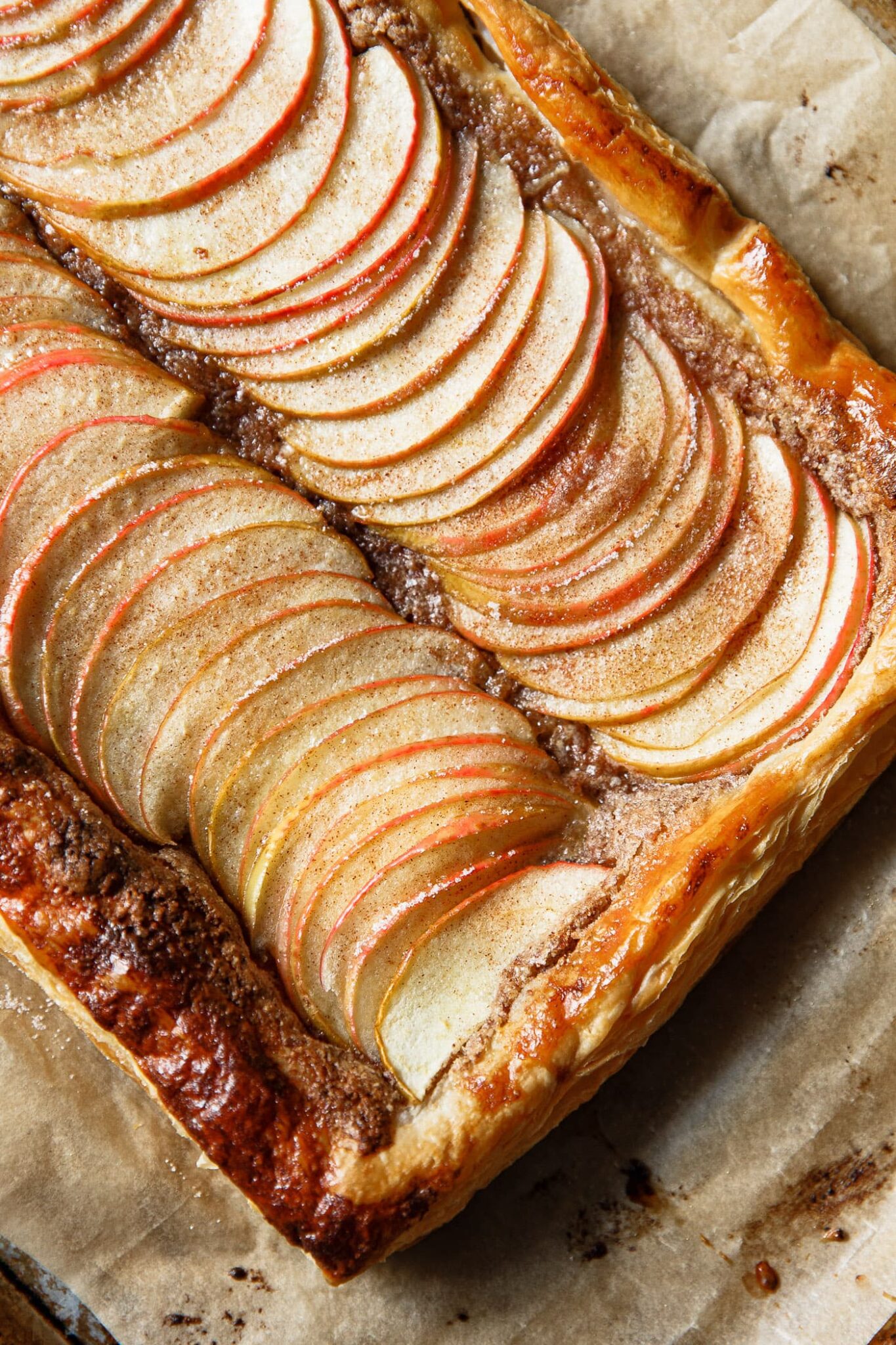
The French apple tart, popularized by Ina Garten through her Barefoot Contessa cookbooks and television programs, is a quintessential dessert that balances a crisp, buttery pastry crust with the delicate sweetness of caramelized apples and a refined apricot glaze. This recipe relies on high-quality ingredients and a precise technique for layering apple slices to achieve a professional, bakery-style finish that serves as a centerpiece for any gathering.
The Foundation: Understanding the Ingredients
The success of an Ina Garten-style French apple tart rests primarily on the quality of the components. Unlike American-style apple pies, which are often deep-dish and heavily spiced with cinnamon and nutmeg, the French tart is thin, elegant, and focused on the purity of the fruit.
For the pastry, known as a pâte brisée, the essential elements are high-fat, unsalted butter and ice-cold water. The goal is to keep the butter in small, pea-sized chunks throughout the dough. When these chunks melt in the oven, they create layers of steam, resulting in a flaky, light texture. Using a food processor is the standard method for this recipe, as it minimizes the heat transferred from your hands to the butter, ensuring the fat remains solid until baking begins.
The apples of choice are typically firm varieties such as Granny Smith or Cortland. These apples hold their structural integrity during the high-heat roasting process, preventing the tart from becoming mushy. The glaze, made from apricot preserves, provides the signature sheen and a touch of acidity that cuts through the richness of the butter in the crust.
Equipment Requirements for Professional Results
To replicate the results seen on Barefoot Contessa, specific equipment is required. Using the wrong size or material for your pan will fundamentally alter the outcome of the pastry.
- 10-inch or 11-inch Tart Pan: A loose-bottomed tart pan is essential. It allows for the easy removal of the tart without damaging the delicate, scalloped edges of the crust.
- Food Processor: While you can cut butter into flour by hand, the food processor is recommended for consistency, allowing you to pulse the mixture until it reaches the desired "coarse meal" consistency.
- Mandoline or Sharp Chef’s Knife: Uniformity is the secret to a beautiful presentation. Using a mandoline ensures every apple slice is of identical thickness, which guarantees that they all cook at the same rate.
- Pastry Brush: A natural or silicone brush is necessary for applying the apricot glaze evenly once the tart has finished baking.
Step-by-Step Preparation Guide
Creating this tart requires a structured approach. The process can be broken down into three distinct phases: dough preparation, filling construction, and the final glazing.
1. Preparing the Pâte Brisée
Start by combining the dry ingredients with the cold butter in the food processor. Pulse only until the butter is the size of peas. Slowly add ice water until the dough just begins to clump together. It is vital not to over-process; if the dough becomes a single, dense mass, the crust will be tough rather than flaky. Shape the dough into a disc, wrap it in plastic, and refrigerate for at least 30 minutes to let the gluten rest.
2. Rolling and Assembly
Roll the chilled dough on a lightly floured surface to a diameter slightly larger than your tart pan. Carefully transfer the dough to the pan, pressing it firmly into the corners and against the sides. Trim the excess by rolling a pin over the top of the pan. Refrigerate the pan again—this "chill time" prevents the crust from shrinking significantly when exposed to the high heat of the oven.
3. Arranging the Apples
Peel, core, and slice the apples. Arrange them in tight, overlapping concentric circles starting from the outer edge and working toward the center. This overlapping pattern is not just for aesthetics; it allows the apples to stay moist while the edges caramelize. Sprinkle the tops with granulated sugar. A touch of butter cut into small slivers can be placed over the apples to assist in the caramelization process.
4. Baking and Finishing
Bake the tart at a high temperature, typically around 375°F to 400°F (190°C–200°C), until the crust is golden brown and the apples are tender. The final step is the glaze. Heat the apricot preserves with a splash of water (or, optionally, Calvados or brandy) in a small saucepan. Strain the mixture to remove any large fruit chunks and brush the hot liquid over the warm apples. This gives the tart its iconic, jewel-like finish.
Comparison of Tart Components
Choosing the right ingredients affects the final flavor profile and texture.
| Component | Standard Selection | Rationale |
|---|---|---|
| Apples | Granny Smith | High acidity and firmness for better texture. |
| Fat | Unsalted Butter | Superior flavor and control over salt content. |
| Glaze | Apricot Preserves | Provides neutral, bright sweetness and shine. |
| Sugar | Granulated White | Clean sweetness without molasses overtones. |
Common Troubleshooting and Pro-Tips
Even experienced bakers can encounter issues with tart-making. Here are solutions to the most common pitfalls:
- The Crust is Shrinking: This is usually due to the dough being warm when it enters the oven. Always ensure the dough is thoroughly chilled in the tart pan before it hits the heat.
- The Bottom is Soggy: Ensure the tart is placed on the lower rack of the oven to ensure the base crust bakes through. If your oven has a "pizza stone" setting, utilizing a preheated stone can help crisp the bottom of the crust.
- Apples are Unevenly Cooked: If some slices are thicker than others, they will take longer to soften. If you lack a mandoline, focus on knife consistency rather than speed.
- The Glaze is Too Thick: If your apricot preserves are chunky or very thick, add a teaspoon of water at a time while heating to achieve a syrup-like consistency that flows easily from the brush.
Serving and Storage
The French apple tart is best served at room temperature, which allows the butter in the crust to set and the flavors of the apples to mellow. It is not traditionally served with heavy whipped cream, though a light dusting of powdered sugar or a small scoop of vanilla bean ice cream on the side can be an excellent accompaniment.
If you are planning to store the tart, keep it in an airtight container at room temperature for up to two days. Avoid placing it in the refrigerator, as the moisture will cause the crisp crust to lose its texture and turn soft. If the crust loses its crunch, you can briefly reheat it in a 350°F oven for five to ten minutes to crisp the pastry, though the glaze may become slightly sticky.
Frequently Asked Questions
Can I use store-bought puff pastry instead of the traditional pâte brisée? Yes, while Ina Garten’s specific recipe often calls for a homemade shortcrust pastry, high-quality, all-butter puff pastry can be used. It will result in a much lighter, more shattered-texture crust, though it will lack the structural density of the traditional French tart.
What is the purpose of the apricot glaze? Beyond adding a professional, glossy shine, the apricot glaze provides a slight acidity that balances the sweetness of the sugar and the richness of the butter. It also acts as a seal, keeping the top apple slices from drying out or browning too quickly after the tart is pulled from the oven.
Can I make the dough ahead of time? Absolutely. The dough can be prepared and kept in the refrigerator for up to three days or frozen for up to a month. If freezing, allow it to thaw slowly in the refrigerator overnight before rolling it out.
Is it necessary to use a tart pan with a removable bottom? It is highly recommended. A standard pie plate will make it difficult to remove the slices cleanly without breaking the delicate crust. A removable bottom allows you to push the tart out and slice it on a flat surface, ensuring perfect portions.
Can I substitute other fruits in this recipe? The technique is adaptable to firm pears (such as Bosc or Anjou), which are often paired with almonds or frangipane. However, if you swap the fruit, consider the water content; very juicy fruits like plums or berries may require a thicker crust or a layer of ground nuts to absorb excess moisture.
How do I prevent the apples from turning brown during prep? If you are slicing a large quantity of apples, toss them in a small amount of lemon juice. The citric acid will inhibit oxidation, keeping the slices vibrant and bright until they are arranged and placed in the oven.
Final Recommendation
To master this recipe, start by ensuring your ingredients are perfectly cold and your apple slices are consistent in thickness. Practice the concentric circle arrangement to ensure even cooking. The primary goal of an Ina Garten-style tart is balance: a firm, flaky crust meeting tender, slightly caramelized fruit. By focusing on the temperature of your dough and the precision of your knife work, you can produce a result that mirrors the high standards of a professional patisserie. Aim to serve the tart within a few hours of baking for the ideal textural contrast between the crisp crust and the soft, glazed fruit.