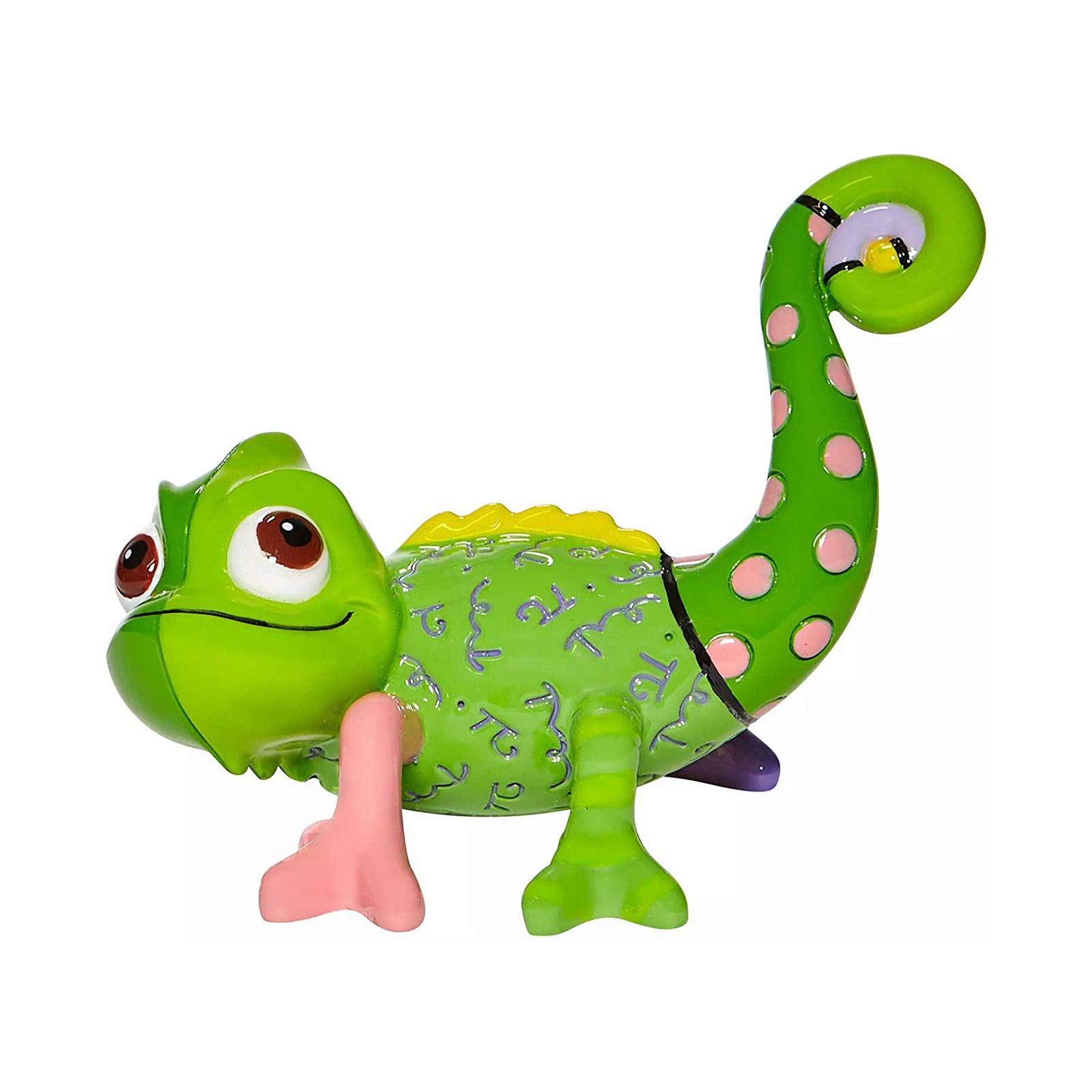
Pascal is a chameleon. Specifically, he is depicted as a small, expressive, and highly intelligent green chameleon who serves as Rapunzel's best friend and loyal confidant throughout the 2010 Disney animated film Tangled and its subsequent spin-offs. His character design blends the physical traits of real-world chameleons with anthropomorphic personality traits that allow him to communicate complex emotions without the use of human speech.
The Taxonomic Identity of Pascal
While Pascal is a stylized, animated character, his design is clearly modeled after the chameleon family (Chamaeleonidae). In the context of the film’s visual development, the animation team at Walt Disney Animation Studios focused on creating a companion for Rapunzel that could reflect her emotions and provide a sense of grounded companionship within the isolated setting of the tower.
In biology, chameleons are renowned for their zygodactylous feet—toes arranged in two opposing groups—which allow them to grip branches securely. Pascal exhibits this feature, along with his iconic prehensile tail and independently rotating eyes. While the film takes creative liberties, such as his high level of intelligence and ability to understand intricate human plans, his species is unmistakably identified by his color-changing capabilities and his physical silhouette.
Artistic Interpretation vs. Biological Reality
In the real world, chameleons change color primarily for communication with other chameleons (to signal intent, dominance, or reproductive status) and for thermoregulation. In Tangled, Pascal’s color-changing ability is amplified for narrative effect. He often turns colors that match his surroundings or reflect his immediate emotional state—such as turning bright red when he is angry or light pink when he is comfortable.
This artistic choice serves as an external manifestation of Rapunzel’s internal world. Because Rapunzel spends the majority of her youth in isolation, Pascal acts as the audience’s window into her feelings. By observing his color shifts, viewers understand the emotional weight of a scene before Rapunzel even speaks. This use of "emotional camouflage" is a hallmark of Disney’s character design philosophy, where the sidekick character is engineered to support the protagonist’s narrative arc.
The Role of the Sidekick in Animated Cinema
Pascal fits into the classic "silent sidekick" trope, a tradition that includes characters like Abu from Aladdin or Mushu from Mulan. However, Pascal distinguishes himself by being the primary source of emotional stability for the main character.
Emotional Support and Motivation
In the tower, Pascal is more than just a pet; he is Rapunzel’s only peer. Because he does not speak, the audience and Rapunzel must rely on non-verbal cues. This dynamic forces the audience to pay closer attention to visual storytelling. When Rapunzel is hesitant to leave the tower, Pascal is the one who provides the push. When Flynn Rider (Eugene Fitzherbert) enters the scene, Pascal serves as the immediate skeptic, acting as a surrogate for the audience’s initial distrust of the thief.
Comparative Analysis of Famous Disney Companions
To understand why Pascal resonates so well with audiences, it is helpful to compare his function against other iconic animated companions.
| Character | Film | Species | Primary Role |
|---|---|---|---|
| Pascal | Tangled | Chameleon | Emotional support/Guardian |
| Abu | Aladdin | Monkey | Comic relief/Sidekick |
| Olaf | Frozen | Snowman | Comic relief/Innocent observer |
| Sebastian | The Little Mermaid | Crab | Advisor/Conflicted authority |
| Meeko | Pocahontas | Raccoon | Curious partner |
As shown in the table, Pascal differs from the purely comedic relief characters. While he is certainly funny, his primary narrative function is to facilitate the growth of the lead character, Rapunzel, by challenging her decisions and validating her desires.
Character Design and Technical Implementation
The animation of Pascal required a sophisticated understanding of reptilian movement paired with human-like expressions. The animators at Disney utilized a process of "exaggerated reality." While a real chameleon moves slowly and methodically, Pascal is capable of rapid, snappy movements that emphasize his energetic personality.
The Challenge of Expression
One of the most difficult aspects of animating a reptile is the fact that they generally lack facial muscles that allow for a wide range of human-like expressions. To solve this, the artists gave Pascal large, expressive eyes and a highly flexible body. By manipulating his body language—the tilt of his head, the curl of his tail, and the way he stands—they were able to convey a full range of human emotions, including skepticism, joy, protectiveness, and stubbornness.
The Evolution of the Model
Throughout the production of Tangled, Pascal went through several design iterations. Early sketches explored different species of lizards, but the team settled on the chameleon because of its inherent "magical" quality—specifically the ability to blend in, which perfectly mirrors the stealthy, observant nature of the character. By 2026, Pascal remains one of the most beloved examples of "non-speaking" character design in modern animation history, frequently cited in animation masterclasses as a case study for visual communication.
Practical Considerations for Fans
For fans of the film interested in the real-world biology of chameleons, it is essential to distinguish between the film’s depiction and the reality of pet care.
- Environmental Needs: Real chameleons require complex terrariums with specific UV lighting, humidity control, and precise temperature gradients. They are generally considered "display" animals rather than interactive "pets" like dogs or cats.
- Handling: While Pascal is constantly perched on Rapunzel’s shoulder, real chameleons often find human interaction stressful. Frequent handling can lead to health issues in captive reptiles.
- Diet: Chameleons are insectivores. In the film, Pascal is often seen "eating" whatever is available, but in reality, they have a strict diet of crickets, dubia roaches, and other feeder insects.
While Pascal is a charming representative of the species, prospective pet owners should conduct extensive research through specialized herpetological societies before considering a chameleon as a companion.
Frequently Asked Questions
Is Pascal a lizard or a chameleon?
Pascal is both. A chameleon is a highly specialized family of lizards. By identifying as a chameleon, he is classified biologically within the order Squamata (scaled reptiles). He is specifically designed to resemble a Veiled Chameleon, which is one of the most common species kept in captivity, though his vibrant, shifting colors are a creative exaggeration.
Why does Pascal change colors?
In Tangled, Pascal changes colors to mirror his emotional state and to blend in with his environment as a form of protection. Biologically, real-world chameleons change color for thermoregulation (adjusting to light and heat) and to communicate mood, such as aggression toward rivals or attraction to mates.
Does Pascal talk in any of the films?
No, Pascal does not possess the ability to speak human language. He communicates entirely through facial expressions, color changes, and chittering sounds. This silence is a core component of his character, forcing other characters to interact with him on an empathetic level rather than a verbal one.
Is Pascal an accurate representation of a chameleon?
He is an accurate representation in terms of anatomy—such as his independent eyes and zygodactylous feet—but his personality is entirely anthropomorphized. His intelligence, problem-solving skills, and intense loyalty to Rapunzel are human traits projected onto the lizard’s design to serve the story.
What is the significance of Pascal’s color shifts?
The color shifts serve as a visual narrative tool. Because Rapunzel lives a life of isolation, the filmmakers needed a way for her to have a dialogue without a human partner. Pascal’s color changes act as a "sidekick dialogue," providing the audience with immediate feedback on how a scene is affecting Rapunzel.
Next Steps for Fans
If you are interested in the animation techniques that brought Pascal to life, the best resources are the "Behind the Scenes" documentaries included with the Tangled home media releases and the various animation tutorials provided by Disney’s educational programs. Those interested in the biological inspiration can look into reputable herpetological associations to learn about the actual care requirements of the Chamaeleonidae family. Whether you view him as a master of stealth or simply as the best friend a princess could have, Pascal remains an essential pillar of the Tangled universe.