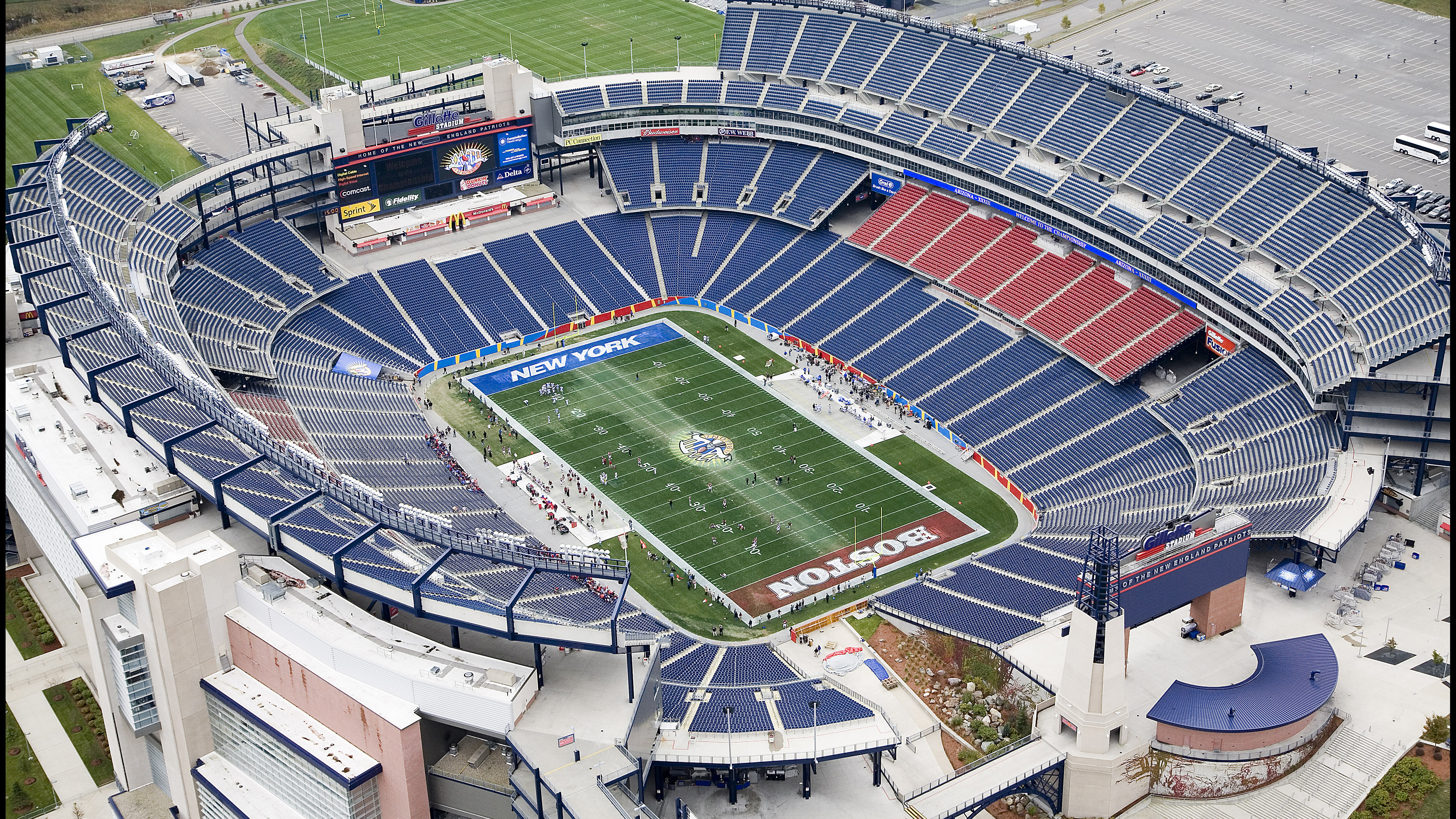
Gillette Stadium is located in the town of Foxborough, Massachusetts. Situated approximately 28 miles southwest of downtown Boston and 20 miles northeast of Providence, Rhode Island, this multi-purpose facility serves as the home stadium for the New England Patriots of the National Football League and the New England Revolution of Major League Soccer.
Understanding the Geographic Context of Foxborough
When discussing the location of Gillette Stadium, it is essential to distinguish between a stadium's mailing address and its broader regional integration. Foxborough is a suburban town located in Norfolk County, Massachusetts. While many visitors associate the stadium with the nearby metropolis of Boston—given that the teams playing within its walls represent the New England region—the physical footprint of the stadium is entirely contained within the borders of Foxborough.
The selection of Foxborough for the stadium's site in the early 2000s was a strategic decision influenced by land availability, highway access, and the desire to build a facility that could serve as a regional anchor. Unlike inner-city stadiums that often face space constraints and limited parking, the location in Foxborough allowed for the development of the "Patriot Place" complex, which surrounds the stadium with retail, dining, and hospitality options.
Transportation and Access Infrastructure
Because the stadium is located in a suburban setting rather than a dense urban center, the infrastructure supporting travel to and from the site is distinct from city-based venues. The stadium sits directly adjacent to U.S. Route 1, a primary arterial road that connects the Greater Boston area to Providence.
For those planning a trip to the stadium, understanding the local geography is crucial for logistical planning:
- Highway Connectivity: Most traffic flows from I-95 or I-495 to access Route 1. During major events, traffic management plans are strictly enforced by local and state police to mitigate congestion in the town of Foxborough.
- Public Transit Limitations: Unlike stadiums located in the heart of cities like Boston or New York, Gillette Stadium does not have a permanent, daily commuter rail stop directly at the facility. During specific events, the Massachusetts Bay Transportation Authority (MBTA) may operate specialized "event trains," but these are seasonal and event-dependent rather than a standard daily service.
- Parking Dynamics: Since the stadium is located in a lower-density area, it relies on expansive parking lots surrounding the venue. These lots are managed by the stadium operations team and are essential components of the site's accessibility strategy.
Regional Significance and Identity
The identity of Gillette Stadium is inextricably linked to the "New England" brand. By adopting a regional identifier rather than a city-specific one, the New England Patriots and the New England Revolution have successfully unified a fan base that spans six states. However, this regional branding can sometimes lead to confusion for travelers who assume the stadium is located within the city limits of Boston.
The stadium's location provides a unique balance. It benefits from the economic engine and cultural influence of the Boston-Cambridge-Newton metropolitan area, while simultaneously offering a localized fan experience that is physically separate from the city's urban core.
Table: Geographic and Logistical Comparison of Regional Sports Venues
| Venue Name | Location | Primary Setting | Access Type |
|---|---|---|---|
| Gillette Stadium | Foxborough, MA | Suburban | Primarily Road/Highway |
| Fenway Park | Boston, MA | Urban | Public Transit/Walking |
| TD Garden | Boston, MA | Urban | Integrated Rail Hub |
| Amica Mutual Pavilion | Providence, RI | Urban | Downtown/Walking |
Operational Implications of the Foxborough Location
Operating a professional sports facility in a suburban town like Foxborough presents specific challenges and advantages. The primary advantage is the ability to control a vast amount of land, which facilitates the growth of the Patriot Place development. This creates an "all-day" destination experience that would be significantly harder to replicate in a land-locked urban environment.
Conversely, the location necessitates a heavy reliance on private vehicle transportation. Event organizers, municipal planners, and local law enforcement must coordinate heavily to ensure that the influx of 65,000+ people does not paralyze local town traffic. This requires a sophisticated series of traffic management protocols, including contraflow traffic lanes on Route 1 during departures, which are specific to this location's design.
Historical Context of the Site
Before Gillette Stadium was constructed, the site was occupied by Foxboro Stadium, which opened in 1971. The decision to demolish the original structure and build a new, modernized stadium on the same site reflects the long-term commitment of the organization to this specific location. Choosing to remain in Foxborough—despite rumors over the decades regarding potential moves to city centers—solidified the town's role as a major sports hub in the Northeast.
Frequently Asked Questions
Is Gillette Stadium in Boston? No, Gillette Stadium is not in Boston. It is located in the town of Foxborough, Massachusetts, which is approximately 28 miles away from the city of Boston. While it is the home stadium for teams that bear the name "New England," the facility itself resides within the municipal boundaries of Foxborough.
How do I get to Gillette Stadium via public transportation? Public transportation to the stadium is limited. The MBTA provides commuter rail service specifically for certain events, such as Patriots games or major concerts. These trains typically originate from Boston’s South Station or Providence, but they are not regular, daily services. You must verify if an event train is scheduled for your specific date before relying on this method.
Why is the stadium in Foxborough and not in a major city? The location was chosen to allow for a large, purpose-built facility with significant surrounding parking and land for commercial development, such as Patriot Place. A suburban location provides the scale necessary to accommodate massive game-day infrastructure that would be difficult to integrate into the dense, historic fabric of a city like Boston.
What is the best way to travel to the stadium for a concert or game? Driving via U.S. Route 1 is the most common method of travel. Because parking is onsite and managed by the stadium, purchasing a parking pass in advance is highly recommended. For those who prefer not to drive, ride-sharing services are available, though they often face high demand and surge pricing during post-event egress.
Does the location of the stadium affect ticket prices or access? The location contributes to the overall event experience, specifically regarding the "destination" nature of Patriot Place. While the physical location does not inherently set ticket prices, the cost of attendance should include travel planning—such as the price of a parking pass or the cost of a rideshare—which is a necessary consideration for a suburban venue.
Recommendations for Future Planning
When planning your visit to Gillette Stadium, your first step should be to consult the official stadium website for the specific event you are attending. Requirements for parking, gate opening times, and available shuttle or public transit options can change based on the nature of the event.
If you are traveling from outside the region, prioritize lodging either in the suburban areas surrounding Foxborough or closer to the highway corridors of I-95 to ensure easier access to the stadium. For international or out-of-state visitors, renting a car is typically the most reliable way to maintain control over your arrival and departure times, given the venue's suburban geography. Always account for significant traffic delays on Route 1, particularly during the two hours leading up to an event and the hour following its conclusion.