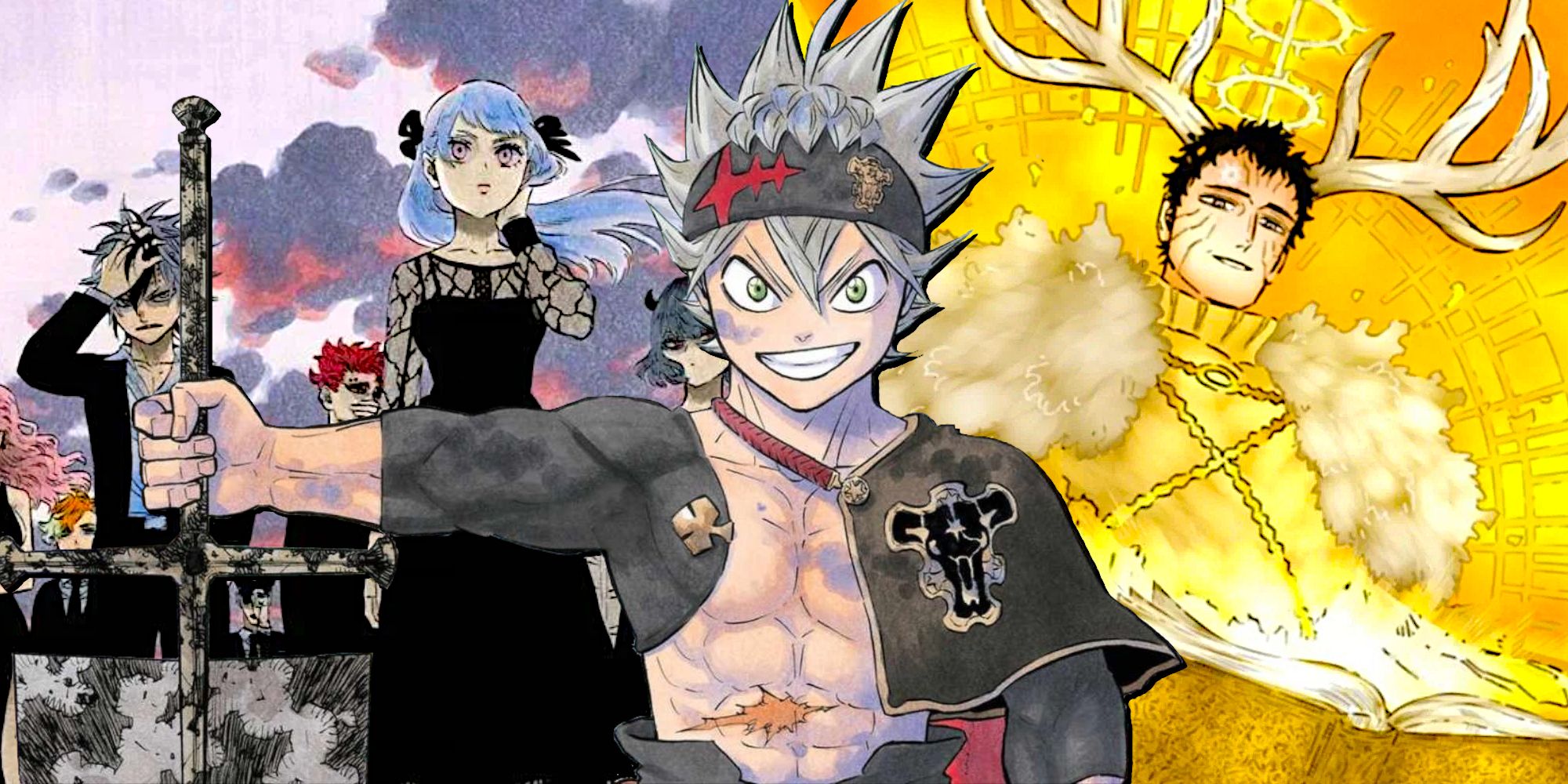
Black Clover is primarily categorized as a Shonen action-fantasy manga and anime series. It centers on the journey of Asta, a young boy born without magic in a world where magic is everything, as he strives to become the Wizard King. By blending classic tropes of the "zero-to-hero" narrative with high-stakes magical combat and team-based dynamics, it exemplifies the quintessential modern Shonen spirit.
Defining the Shonen Categorization
To understand what genre Black Clover belongs to, one must first look at the demographic classification of the source material. The term "Shonen" originates from the Japanese word shōnen, which translates to "boy." In the context of manga and anime publication, Shonen refers to works primarily aimed at a young male audience, typically ranging from ages 12 to 18. However, in the modern era of 2026, these demographics have broadened significantly, with fans of all genders and ages engaging with the material.
Black Clover was serialized in Weekly Shōnen Jump, a premier magazine that has published legendary titles such as Dragon Ball, One Piece, and Naruto. Because it follows the editorial guidelines and narrative conventions of this publication, it is fundamentally tied to the Shonen genre. Its structure revolves around the themes of perseverance, the power of friendship, hard work, and the pursuit of a prestigious goal, which are the thematic bedrocks of this demographic.
The Fantasy and Action Elements
While Shonen is a demographic, the genre of the story within that demographic is high-fantasy action. The world of Black Clover is defined by the existence of magical energy, known as "mana," which every citizen of the Clover Kingdom possesses to varying degrees. The narrative structure is built upon a rigid power hierarchy where the ability to wield magic determines one's social standing and professional path.
The action sequences in Black Clover are characterized by:
- Magic Systems: Each character is born with a specific Grimoire that determines their magic attribute (e.g., wind, fire, water, or more exotic types).
- Tactical Combat: Battles often shift from raw power displays to strategic cooperation between members of the various Magic Knight squads.
- Scale Escalation: As the series progresses, the threats evolve from local kingdom conflicts to supernatural existential threats, requiring the protagonists to push their limits and discover new abilities.
The "Zero-to-Hero" Narrative Archetype
A defining characteristic of Black Clover's genre profile is its reliance on the classic "underdog" archetype. Asta’s inability to use magic, combined with his ambition to reach the highest rank in his society (the Wizard King), creates a narrative tension that drives the entire plot. This trope is a hallmark of the Shonen genre, mirroring the trajectories seen in earlier genre staples.
Unlike many protagonists who are "chosen ones" or gifted with inherent talent, Asta must compensate for his lack of magic with extreme physical conditioning and the use of anti-magic weapons found within his unique five-leaf clover Grimoire. This struggle against systemic inequality—where his lack of magic is seen as a social failure—provides a grounded emotional core to the high-fantasy setting.
Comparative Genre Analysis
To better understand where Black Clover fits, it is helpful to compare its components against other popular works of the same era. While the genre is broadly "Shonen Fantasy," it borrows elements from "Battle Royale" style team dynamics and "Dungeon Crawler" exploration aesthetics.
| Feature | Black Clover | Comparison (Classic Shonen) |
|---|---|---|
| Primary Goal | Become the Wizard King | Become the Hokage/Pirate King |
| Power Source | Mana and Grimoires | Chakra / Devil Fruit / Ki |
| Team Structure | Magic Knight Squads | Ninja Teams / Pirate Crews |
| Protagonist Style | Physical grit vs. Magic | Technique-based / Specialty |
| Theme | Overcoming social barriers | Achieving recognition |
The Role of Magic Knight Squads
The organization of the Magic Knight squads serves as a crucial sub-genre element: the "Military Fantasy." By enrolling the characters in distinct, competing squads, the series introduces elements of institutional rivalry, internal politics, and squad-based training arcs. This structure allows the story to expand its cast significantly, giving each member of the Black Bulls—Asta's squad—a unique background and specialized magical role. This diversity ensures that the action remains varied and that the narrative can explore different facets of the kingdom’s history and societal problems.
Common Misconceptions Regarding the Genre
A common point of confusion for new viewers is whether Black Clover should be classified under "Comedy" or "Dark Fantasy." While the show features comedic moments, particularly the boisterous personality of Asta and the quirks of his teammates, these do not shift the genre. Rather, they serve as "levity," a common pacing tool in Shonen to balance the intensity of life-or-death battles.
Similarly, while there are dark themes—such as corruption, child abuse, and the history of the Elves—the series does not adopt the cynical, grim tone associated with "Dark Fantasy." The emphasis remains on optimism, the triumph of the human spirit, and the maintenance of a social order that, despite its flaws, is worth protecting.
How to Categorize Black Clover for Research
If you are looking to categorize or search for content related to Black Clover, it is best to use the following multi-layered descriptors:
- Primary Demographic: Shonen.
- Primary Genre: High Fantasy / Action.
- Sub-genres: Magical Adventure, Supernatural, Military Fantasy.
By utilizing these labels, you can effectively find similar series that share the same pacing, character development arcs, and world-building styles. The blend of high-energy combat and a deep, lore-heavy world makes it a definitive example of mid-2010s to 2020s Shonen output.
FAQ: Understanding the Genre
Is Black Clover considered an Isekai? No. An "Isekai" is a genre defined by a protagonist being transported from their home world to another. While Black Clover features a magical world, the main character Asta is born and raised in that world.
Does the genre change as the story progresses? No, the core genre remains consistent. However, the scope of the world-building expands significantly. As the series moves into later arcs, it incorporates more political intrigue and "inter-dimensional" threats, but it remains firmly within the Shonen Action/Fantasy framework.
Can Black Clover be considered a "Battle Shonen"? Yes. "Battle Shonen" is a sub-genre of Shonen where the primary driver of the plot and character development is the conflict and confrontation between opponents. Because the Magic Knight system is centered on protecting the kingdom through combat, it is a perfect example of this sub-genre.
Why is Black Clover sometimes compared to older anime? It is often compared to older "Big Three" series like Naruto or Bleach because it adheres to many of the structural conventions that made those shows popular, such as a clear hierarchy of power, training arcs, and an underdog protagonist with an intense drive.
Is it appropriate for all ages? The series is generally rated for teenagers (TV-14). While it is an action show, it contains fantasy violence, some instances of mild language, and thematic elements that may be intense for younger children.
Next Steps for Fans
If you are interested in the specific genre aspects of Black Clover, the best way to explore further is by watching or reading the series from the beginning, focusing on how the "Magic Knight" system is introduced in the early volumes. If you enjoy the tactical combat, search for other series under the "Shonen Battle" tag to find similar titles. If you are interested in the fantasy world-building, look for lore-heavy Shonen series that prioritize magic systems and historical world events.