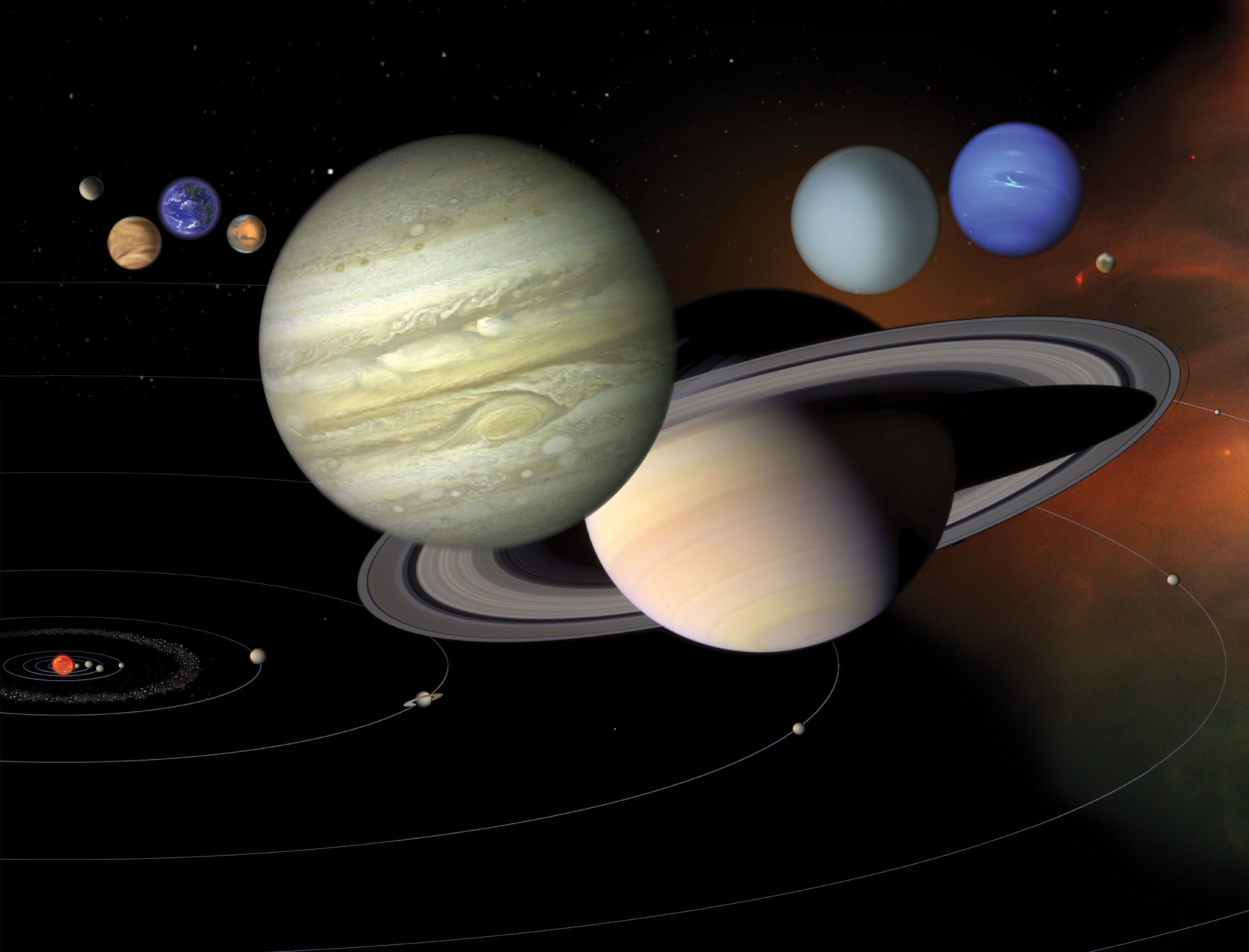
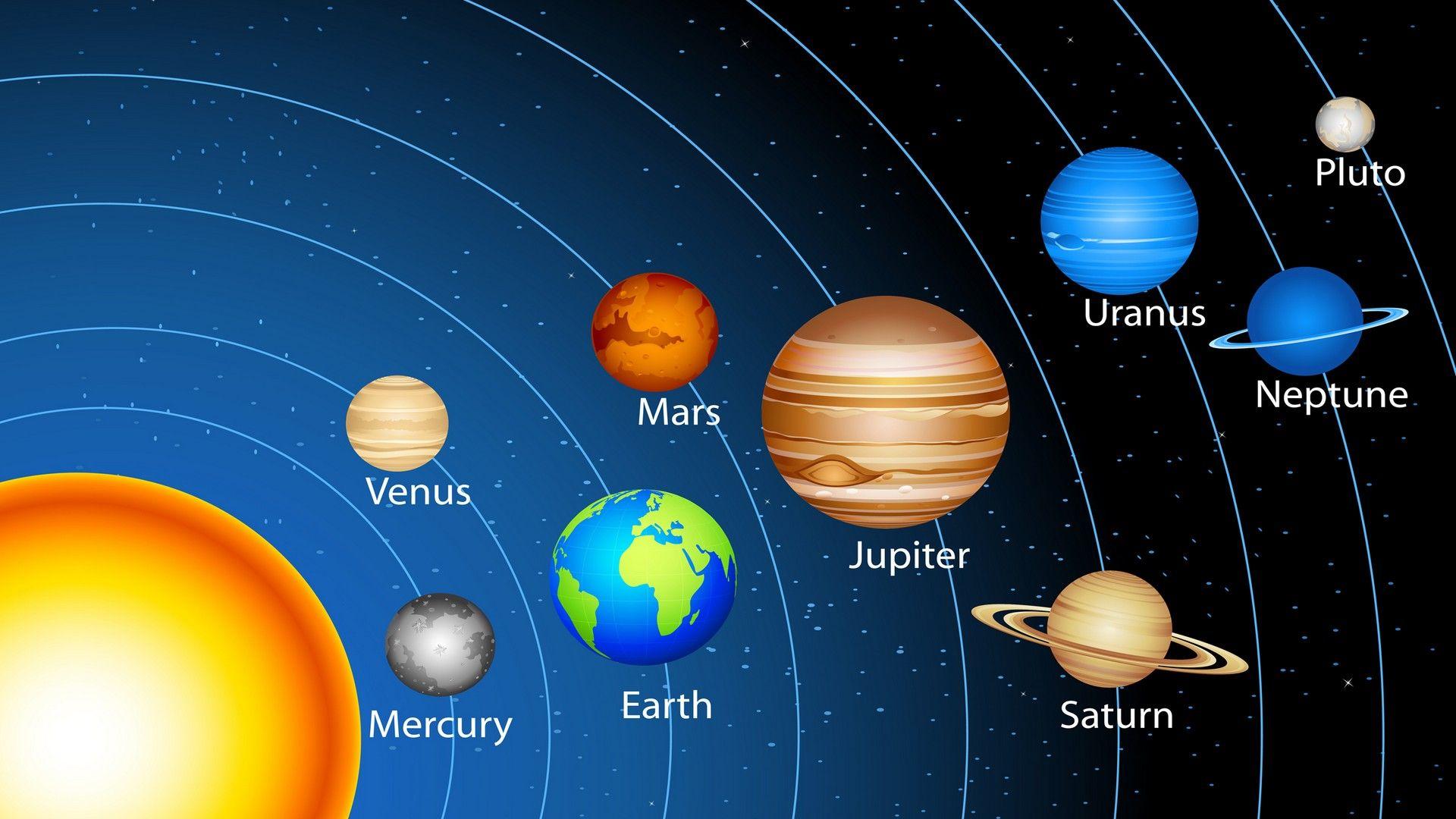
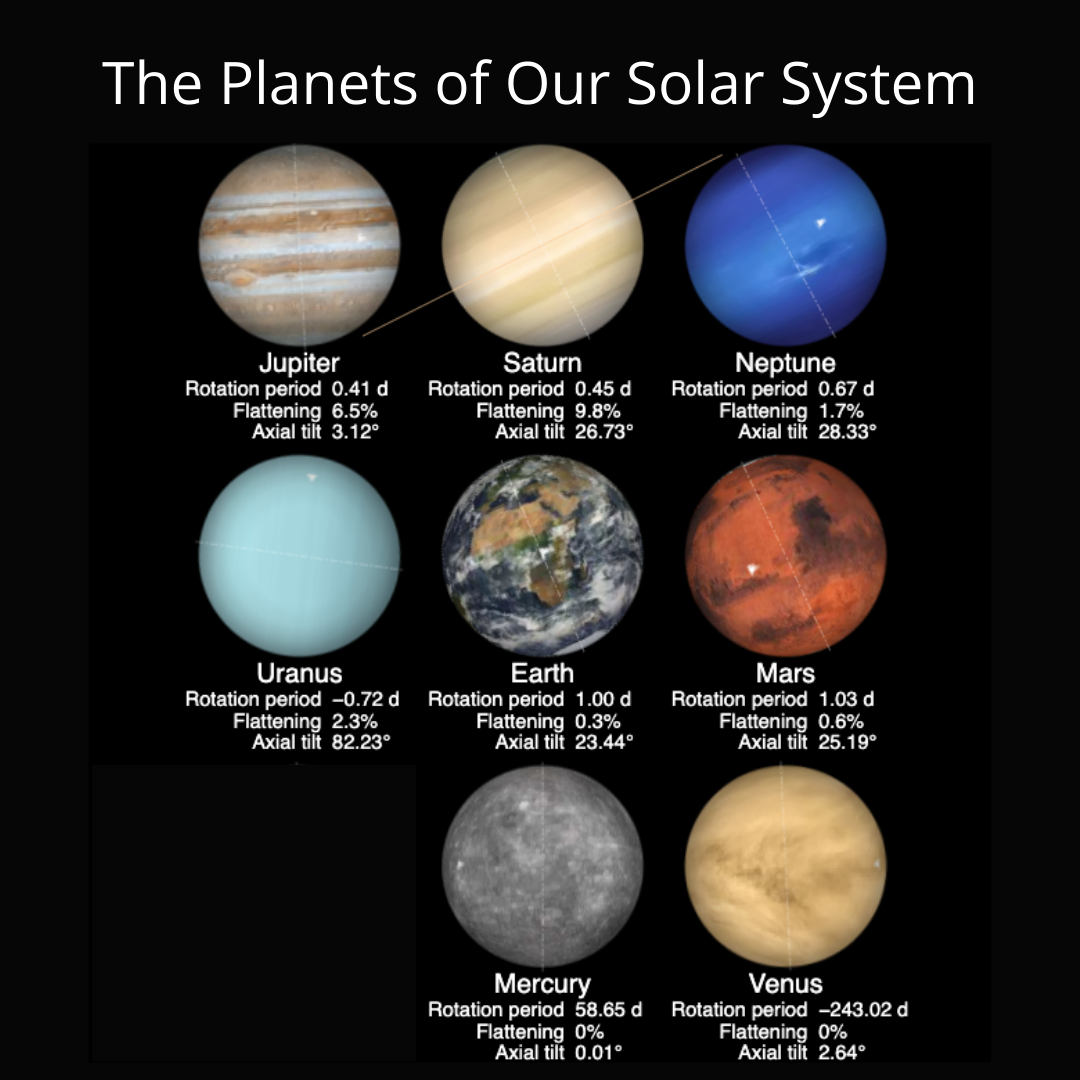
As of 2026, there is no direct observational evidence confirming the existence of a hidden "Planet Nine" in our solar system. However, the scientific community maintains a strong hypothesis that a massive, trans-Neptunian object exists based on gravitational anomalies observed in the orbital patterns of distant, small icy bodies located in the Kuiper Belt.
The Origin of the Planet Nine Hypothesis
The search for a ninth planet is not a modern pursuit of fringe science, but a rigorous extension of celestial mechanics. The hypothesis gained significant traction in 2016 when Caltech researchers Konstantin Batygin and Mike Brown published findings suggesting that the peculiar orbits of several extreme trans-Neptunian objects (eTNOs) were not coincidental.
These distant objects, which reside far beyond the orbit of Neptune, follow paths that appear clustered together in space. Under standard gravitational models, these orbits should be randomized over the billions of years since the solar system’s formation. The fact that they share a common orientation suggests the influence of a large, unseen gravitational "shepherd." According to mathematical models and computer simulations, a planet with a mass approximately five to ten times that of Earth, orbiting at a distance hundreds of times further from the Sun than Earth is, would provide the necessary gravitational tug to keep these objects in their observed configurations.
Why We Cannot Find It Yet
The primary challenge in locating this suspected body is its immense distance and low luminosity. If Planet Nine exists, it is likely situated in an extremely eccentric, elongated orbit that takes it far into the outer reaches of the solar system—potentially 400 to 800 astronomical units (AU) from the Sun. For context, Neptune is roughly 30 AU from the Sun.
At such distances, a planet receives very little solar radiation to reflect back toward Earth, rendering it essentially invisible to standard optical telescopes. It would also move very slowly against the backdrop of distant stars, making it difficult to detect through traditional "blink" surveys—a process where astronomers compare images taken months or years apart to identify moving objects. Unlike the discovery of Neptune, which was predicted based on perturbations in the orbit of Uranus, Planet Nine is being hunted in the "dark" sky, requiring specialized deep-space survey instruments.
Evaluating the Evidence: Current Scientific Perspectives
While the orbital clustering of eTNOs serves as the cornerstone for the hypothesis, the scientific community remains divided. Some astronomers argue that the observed clustering might be a result of "observational bias." Because telescopes are primarily pointed in specific directions when searching for distant objects, the data collected might simply reflect the limitations of where and how we have looked, rather than a physical reality in the outer solar system.
However, subsequent analyses have continued to support the gravitational model. Simulations run by groups at various institutions, including the University of Michigan and the Vera C. Rubin Observatory (formerly the Large Synoptic Survey Telescope) team, consistently show that a super-Earth or mini-Neptune could account for the statistical anomalies found in the Kuiper Belt.
Comparison of Known Planets and the Predicted Planet Nine
| Feature | Inner/Outer Planets | Suspected Planet Nine |
|---|---|---|
| Distance from Sun | 0.4 to 30 AU | 400 to 800 AU (Predicted) |
| Mass | Variable (0.05 to 318 Earth masses) | 5 to 10 Earth masses |
| Orbital Period | 88 days to 165 years | 10,000 to 20,000 years |
| Detection Status | Directly observed | Theoretically inferred |
| Primary Proof | Optical/Infrared observation | Orbital clustering of eTNOs |
Advanced Surveys and Future Detection Methods
The search for Planet Nine has evolved significantly over the past decade. As of 2026, researchers are utilizing more sensitive survey data to scrub the skies for any faint, slow-moving signatures. The Vera C. Rubin Observatory plays a critical role here. By conducting a multi-year deep survey of the southern sky, it provides the temporal data required to differentiate between distant background noise and the potential movement of a massive, cold world.
Another avenue of research involves "gravitational lensing" and high-precision astrometry. If a planet of this size exists, its movement—however slight—would eventually be detectable by ultra-precise instruments. Additionally, researchers are refining models of how such a planet might have formed. Some theories suggest it could be a "captured" rogue planet—a world ejected from a nearby star system—that became gravitationally bound to our Sun early in the solar system's history.
Common Misconceptions About the Search
It is essential to distinguish the Planet Nine hypothesis from historical "Planet X" theories or fringe apocalyptic claims.
- The "Planet X" Confusion: In the early 20th century, Percival Lowell searched for a "Planet X" to explain perceived anomalies in Neptune’s orbit. Those anomalies were later proven to be incorrect based on more accurate mass estimates of Neptune provided by the Voyager 2 mission. The modern search for Planet Nine is entirely distinct and relies on different mathematical data.
- No Threat to Earth: Even if Planet Nine is confirmed, it is not a "hidden" planet about to collide with Earth. Its orbit is confined to the extreme outer edges of the solar system, meaning it stays thousands of times further away from us than the Moon or even the outer gas giants.
- Not a Replacement for Pluto: The search for Planet Nine does not change the status of Pluto. The classification of planets by the International Astronomical Union (IAU) is based on the object clearing its orbital neighborhood, which Pluto does not do. Planet Nine, being massive enough to dominate its own orbit despite its distance, would meet the IAU criteria if discovered.
Frequently Asked Questions
Why is Planet Nine not visible with amateur telescopes? Planet Nine is hypothesized to be incredibly faint, likely with a magnitude far beyond the reach of any consumer-grade or mid-range observatory. It reflects very little light, and its distance makes it appear stationary even when monitored over many years.
Could the orbital anomalies be caused by something else? Yes, though none are as compelling as the planet hypothesis. Theories include the influence of a disk of small icy bodies, a primordial black hole, or even subtle systemic errors in the way we track distant objects. However, none of these alternatives currently match the observational data as effectively as a large, singular planet.
What happens if we confirm it exists? Confirmation would fundamentally change our understanding of solar system formation. It would provide clues about the migration of planets during the early stages of our solar system and perhaps explain why our system looks so different from the compact exoplanetary systems discovered around other stars.
Are there other candidate "planets" in the outer reaches? There are many "dwarf planets" and trans-Neptunian objects like Sedna or Eris, but these are small, icy bodies. Planet Nine would be the first major planetary discovery in the solar system since Neptune was identified in 1846.
The Next Steps in Discovery
The quest for Planet Nine remains one of the most exciting endeavors in modern astronomy. As computational power increases and new sky-survey data becomes available, the "search space" for the planet is narrowing. If the planet exists, the continued accumulation of data regarding distant Kuiper Belt objects will eventually lead to its detection, either by spotting the object itself or by ruling out the gravitational influence hypothesis, which would force astronomers to reconsider the dynamics of our outer solar system. For now, it remains a tantalizing "ghost" in our mathematical models, waiting for the right telescope to catch a glimpse of its faint signature.