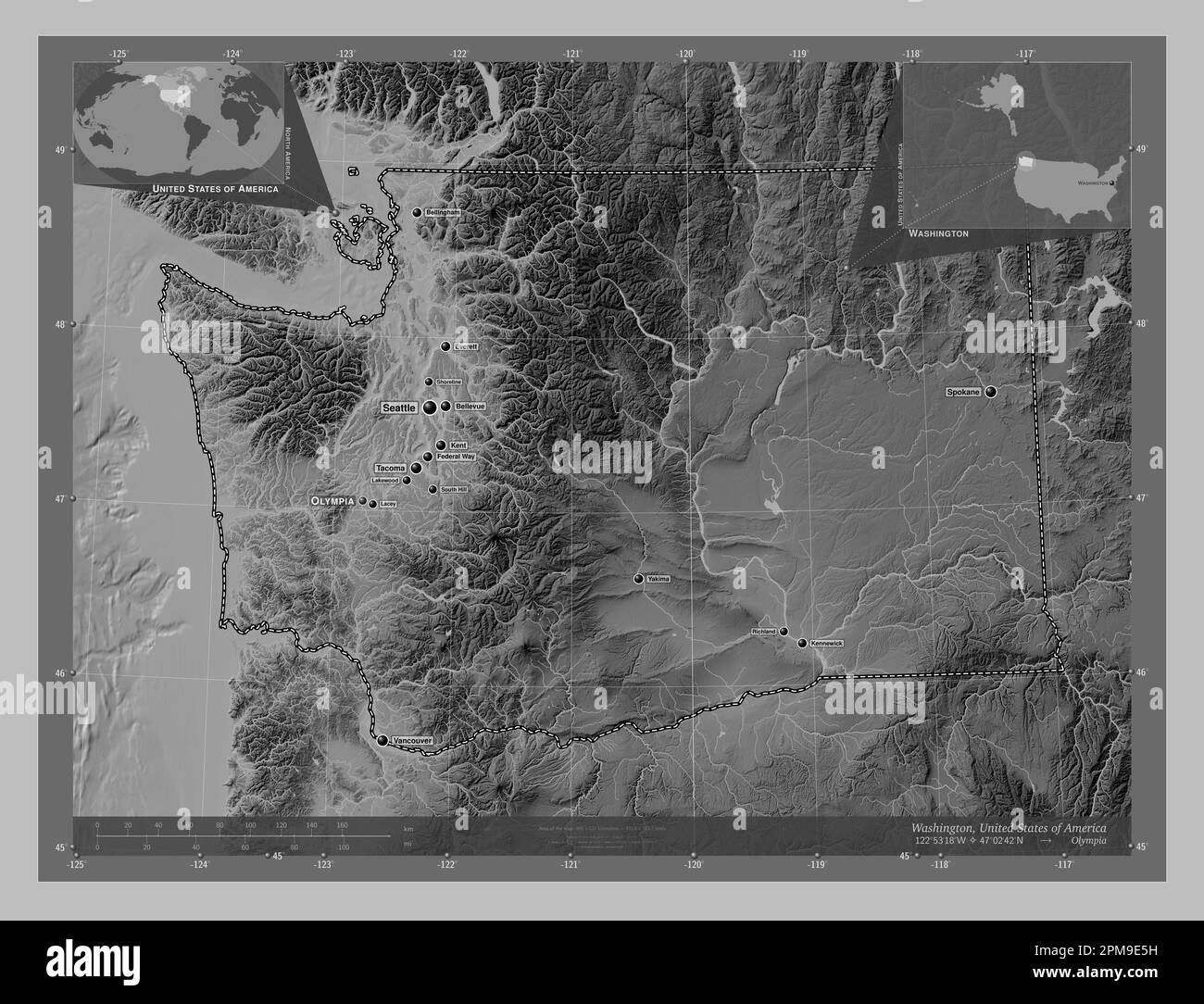
Seattle is not a capital city. It is the largest city in the state of Washington, but it does not serve as the seat of government. The capital city of Washington is Olympia. While Seattle functions as a major economic, cultural, and technological hub for the Pacific Northwest, it lacks the administrative designation of a state capital, which is held exclusively by Olympia.
The Distinction Between Major Cities and Capital Cities
A common source of confusion in American geography involves the assumption that the most populous or economically prominent city in a state must also be its capital. This misconception often surrounds Seattle due to its international profile. Seattle is the seat of King County, which gives it a significant role in regional administration, but it is not the capital of Washington.
To understand why Seattle holds this status, it is helpful to look at how capital cities are generally designated. Capitals are chosen for a variety of reasons, including historical political compromise, central geographic location, or the existing infrastructure of a state government at the time of the territory's founding. Olympia was established as the capital of the Washington Territory in 1853, long before Seattle achieved its current status as a global metropolis.
The Role of Olympia as the Washington State Capital
Olympia, located approximately 60 miles southwest of Seattle, has been the seat of government since the territorial era. As the capital, it houses the Washington State Legislature, the office of the Governor, and the Washington Supreme Court. All primary legislative processes, including the drafting and passing of state laws, occur within the Capitol Campus in Olympia.
The Capitol Campus itself is a historic site, featuring buildings constructed in the early 20th century, most notably the Legislative Building, which is topped by a massive stone dome. While Seattle acts as the private-sector engine of the state, Olympia serves as the center of the public-sector apparatus.
Seattle’s Administrative Hierarchy
Though Seattle is not a capital city, it is a primary administrative center in its own right. It serves as the county seat of King County. In the United States, a county seat is the town or city that serves as the administrative center of a county, housing the county government offices and courts.
Comparing Administrative Roles
To clarify the differences in jurisdiction, it is useful to view the roles of cities and states through the lens of governance. The following table provides a comparison of how administrative power is distributed in the region.
| Entity | Role | Primary Focus |
|---|---|---|
| Olympia | State Capital | State legislation, judiciary, and executive offices. |
| Seattle | King County Seat | County-level governance, local municipal services. |
| Washington State | State Jurisdiction | Education, transportation, environmental regulation. |
| King County | Regional Jurisdiction | Property records, local courts, county-wide public health. |
This distinction is vital for residents and visitors alike. If one is seeking information on state-level voting, professional licensing administered by the state, or specific legislative records, these inquiries are directed to the administrative bodies in Olympia. Conversely, matters concerning local zoning, municipal taxes, or King County courts are addressed through offices located in Seattle or its surrounding county facilities.
Why Seattle Is Often Mistaken for the Capital
The confusion surrounding the "capital of Seattle" query is largely driven by the city’s outsized influence. Seattle is the headquarters for some of the world's most recognizable corporations, including Amazon and Starbucks, and it is a major hub for aviation and biotechnology. Its prominence in national media often leads people to infer that it holds the highest level of political authority in the state.
Furthermore, because Seattle is the center of the Puget Sound region—a massive urban area that contains a significant majority of Washington's population—it is the focal point for most of the state's economic activity. In many other countries or smaller states, the largest city is also the political capital, which reinforces the assumption that Seattle must fulfill both roles.
Geographic and Historical Context
When Washington was being organized as a territory, the population centers were different than they are today. Olympia was a logical choice at the time due to its location on the southern tip of the Puget Sound, which provided accessible maritime routes for early commerce and communication between the scattered settlements of the mid-19th century.
Seattle’s rapid rise was fueled by the Klondike Gold Rush and, later, by industrial manufacturing and the development of the tech sector in the late 20th century. By the time Seattle became a titan of industry, the state government was already firmly established in Olympia. Moving a capital is an expensive and complex political undertaking; therefore, the seat of government remained in its original location despite the massive shift in population density toward the north.
Practical Implications of the Distinction
For individuals interacting with government services, understanding the difference between a county seat and a state capital is more than an academic exercise.
- Legislative Advocacy: If you wish to lobby for changes to state law, your efforts must be directed toward the Capitol in Olympia. Local council meetings in Seattle will have no bearing on state-wide legislative bills.
- Public Records: State-level records, such as corporate filings with the Secretary of State or professional certifications, are managed through state agencies typically headquartered in the capital.
- Judicial Processes: Local criminal or civil disputes are generally handled by King County Superior Court in Seattle. Higher-level appeals that reach the Washington State Supreme Court move to the judicial chambers in Olympia.
Common Questions Regarding Washington State Government
Is Seattle the largest city in Washington? Yes, Seattle is the most populous city in Washington, significantly outpacing other major cities like Spokane, Tacoma, and Vancouver.
Does Washington have more than one capital? No, Washington has only one capital: Olympia. There are no secondary or rotating capitals in the state.
Why is the capital not in the largest city? Historically, many states chose capitals based on political compromise or the location of government buildings during the territorial period. This often led to capitals being situated in cities that did not grow to be the largest economic centers, a pattern seen in several other U.S. states.
Where can I find information about state representatives? Information regarding the Washington State Legislature, including how to contact representatives and senators, is provided through the official Washington State Legislature website, which is based in Olympia.
Is there a difference between the state government and the city government? Yes. The state government governs the entire state through laws applicable to all residents. The city government of Seattle handles municipal affairs, such as local infrastructure, police services, and parks within the city limits.
Navigating Government Services in 2026
As of 2026, the digital transition of government services has made it easier to access departments regardless of their physical location. Most state-level services are now centralized through state portals, allowing residents in Seattle to interact with the Department of Licensing or the Department of Revenue without needing to travel to Olympia.
However, when in-person hearings or specialized legal filings are required, the geographical separation remains a factor. It is always recommended to check the official government website for the specific department you are contacting to confirm whether they require a physical visit to the capital or if the matter can be resolved through local regional offices.
Recommendations for Future Actions
If your intent is to understand the administrative structure of the region:
- Consult Official Maps: Use state-provided maps to identify the Capitol Campus in Olympia to distinguish it from municipal buildings in Seattle.
- Use Official Portals: Utilize the ".gov" websites for Washington State for all official state business, ensuring you are accessing accurate, authenticated information.
- Verification: Before traveling for any administrative task, confirm the office location on the specific agency’s website, as many departments maintain satellite offices in Seattle while keeping their primary regulatory headquarters in the state capital.
By understanding that Seattle is a center of commerce and culture rather than a center of state governance, you can better navigate the various layers of public and private administration in Washington. Olympia remains the political heartbeat of the state, while Seattle continues to serve as the engine of its economic and social life.