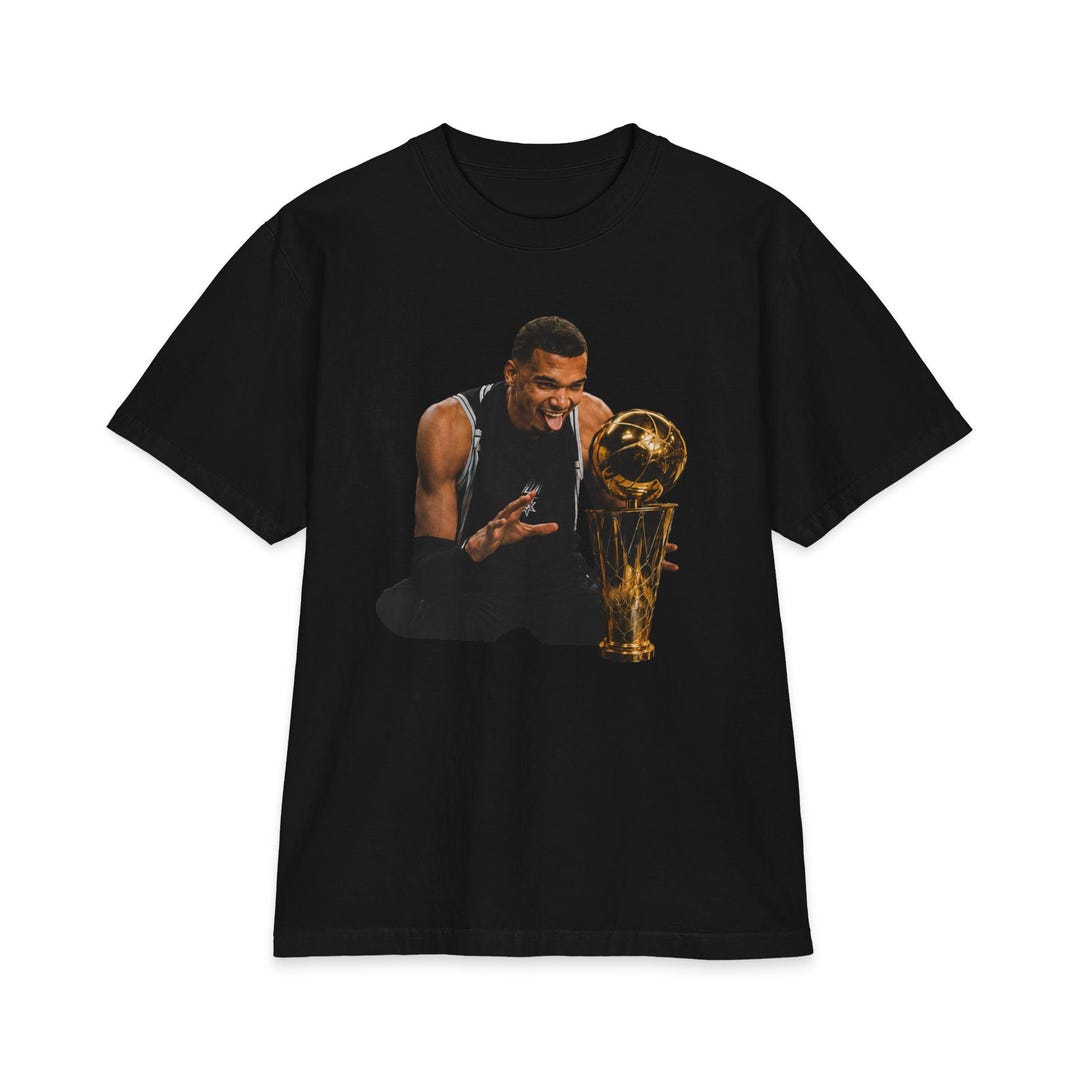
Victor Wembanyama is of mixed heritage, born to a Congolese father and a French mother. He identifies as a Black man and is widely recognized for his identity within the African diaspora. His family background reflects a multicultural upbringing in France, which has shaped his perspective as he navigates his professional career in the National Basketball Association.
The Cultural and Ethnic Identity of Victor Wembanyama
In the era of global sports, where athletes often become symbols of diverse backgrounds, the curiosity surrounding the identity of stars like Victor Wembanyama is common. Understanding his heritage requires looking beyond the court and into the family history that helped shape one of the most prominent figures in modern basketball.
Victor Wembanyama was born in Le Chesnay, France, in 2004. His father, Félix Wembanyama, is a former track and field athlete who hails from the Democratic Republic of the Congo. His mother, Élodie de Fautereau, is French and a former basketball player who transitioned into coaching. This union of Congolese and French backgrounds provides the foundation for Wembanyama’s ethnic identity.
The concept of identity in France often differs from the United States, given the French Republic’s traditional emphasis on a unified citizenship model that minimizes official state records based on race or ethnicity. However, within the broader context of the African diaspora and the global perception of Black athletes, Wembanyama is unequivocally identified as a Black man. His heritage is a point of pride and a fundamental aspect of his personal story, which he carries into the international spotlight of the NBA.
Navigating Identity in Professional Sports
For athletes like Wembanyama, the professional sports world acts as a mirror to societal questions regarding race, heritage, and national belonging. Since joining the San Antonio Spurs in 2023, Wembanyama has been scrutinized not just for his record-breaking physical attributes—such as his towering height of 7-foot-4—but for his place within the broader cultural fabric of the league.
The NBA has a long history of being a platform for Black excellence and a space where athletes of various African and Caribbean descents come together. For a player who grew up in the French suburb of Versailles, entering the NBA involves adjusting to the American discourse on race. In the United States, his identity as a Black man of Congolese descent is categorized through the lens of American racial history, whereas in France, he represents the contemporary, multicultural reality of the nation.
This intersectionality is common among international players in the NBA. Whether they are from Europe, Africa, or the Caribbean, players bring with them a complex tapestry of experiences that challenge monolithic views of what it means to be a "Black athlete" in the modern age. Wembanyama’s presence serves as a reminder that the global Black experience is not a single, static narrative, but a diverse and evolving one.
The Influence of Family Heritage on Athletic Development
Wembanyama’s athletic prowess is frequently attributed to his genetics, with both parents having deep roots in competitive sports. His father’s background in high jump, long jump, and triple jump instilled a dedication to physical discipline, while his mother’s expertise in basketball provided the technical foundation he needed to excel from a young age.
This family lineage is an essential component of his biography. When observers ask about his identity, they are often seeking to understand the combination of factors that produced a player of such unique physical and tactical stature. The role of his heritage extends to the training he received in French academies, which emphasizes fundamentals and basketball IQ—elements that differentiate him from many of his peers.
Table: Key Facts Regarding Victor Wembanyama’s Background
| Category | Information |
|---|---|
| Date of Birth | January 4, 2004 |
| Birthplace | Le Chesnay, France |
| Father’s Origin | Democratic Republic of the Congo |
| Mother’s Origin | France |
| Primary Language | French |
| Professional Status | NBA Player (San Antonio Spurs) |
| Position | Center/Power Forward |
The Global Perception of the NBA’s Newest Star
The rapid rise of Victor Wembanyama has turned him into a global brand. As of 2026, he is arguably the most recognizable figure in international basketball. This level of fame inevitably brings questions regarding his background to the forefront. Public discourse surrounding his identity is often driven by a desire for fans to feel a connection to him, regardless of where they are in the world.
Fans in the Democratic Republic of the Congo, for example, view him as a representative of their nation’s enduring influence on global athletics. Similarly, fans in France see him as a symbol of the country's evolving sporting landscape. In the United States, he is celebrated as a transformative figure who happens to share the lived experience of millions of Black men in the diaspora.
It is important to recognize that while identity is personal, the public’s desire to label or define it often stems from a lack of exposure to the specific nuance of an athlete’s background. Wembanyama has navigated this with grace, focusing on his performance and his contributions to his team rather than allowing his background to be simplified by media narratives.
Common Misconceptions and Clarifications
In the age of social media, misinformation regarding the backgrounds of high-profile athletes spreads quickly. Some discussions often attempt to categorize players in ways that ignore their complex, multi-national roots. Below are a few clarifications regarding the common questions about Wembanyama’s identity.
Why do people ask about his identity?
Queries about his race and heritage are typically driven by a curiosity to understand his origins. As a tall, Black athlete from Europe, he disrupts the traditional media tropes that expect French players to be white or that assume Black players in Europe have a specific set of life experiences.
Does his identity impact his eligibility or status?
No. In the context of the NBA, there are no eligibility requirements based on ethnicity or heritage. His identity is purely a matter of personal history and cultural classification. It does not affect his contract, his salary, or his ability to compete at the highest level.
Is he proud of his Congolese heritage?
While Wembanyama is private about his personal life, he has consistently acknowledged the importance of his family in his development. His roots, including his father’s Congolese background, are an inextricable part of the person he has become.
FAQ: Frequently Asked Questions
Is Victor Wembanyama French?
Yes, he is French. He was born in Le Chesnay, France, and raised in the French suburbs, identifying strongly with his upbringing and his training within the French basketball league system.
Does Victor Wembanyama have African ancestry?
Yes. His father, Félix Wembanyama, is of Congolese descent. This heritage is a well-documented aspect of his family history and personal identity.
How does being Black influence his role in the NBA?
Like any other professional athlete, his identity is part of who he is. Within the NBA, he is part of a diverse league where players of various backgrounds contribute to the game's global growth. He does not treat his identity as a barrier, but rather as one of the many facets of his experience.
Why is there confusion regarding his identity?
Confusion often arises because fans outside of Europe may not be familiar with the nuances of French demographics or the specific family histories of international players who enter the NBA system.
Has he discussed his heritage publicly?
Wembanyama generally focuses his public comments on basketball, strategy, and team development. He acknowledges his family background when relevant to his upbringing but avoids centering his professional career on political or social commentary regarding his ethnic identity.
Next Steps for Fans and Researchers
For those interested in the life and career of Victor Wembanyama, the best approach is to follow his professional development through verified sports news outlets and official NBA communications. His career as of 2026 is at a peak, with constant updates available regarding his statistics, game performances, and team milestones. By focusing on his professional output, followers can gain a deeper appreciation for the talent and discipline he brings to the court, regardless of the nuances of his personal heritage.
If you are researching his history for an academic or biographical purpose, rely on verified profiles from reputable sports journalism sources that have interviewed his parents or documented his early life in the French youth basketball leagues. Avoid relying on speculative social media threads that often lack primary source verification.