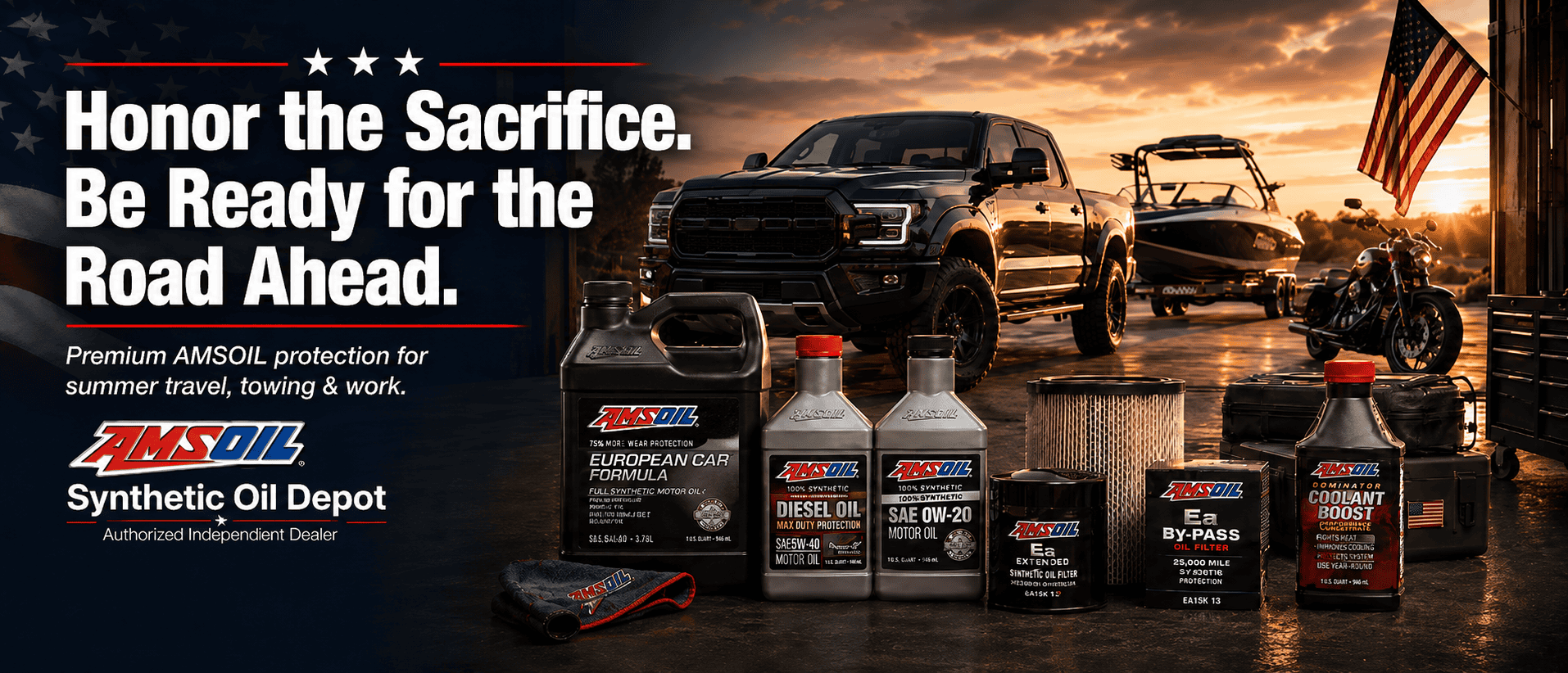
AMSOIL revolutionized the automotive lubrication industry in 1972 by introducing the world’s first American Petroleum Institute (API)-rated synthetic motor oil for passenger cars, challenging the dominance of conventional petroleum-based lubricants and proving the long-term performance benefits of synthetic chemistry.
Introduction to AMSOIL and Synthetic Lubrication
The modern automotive aftermarket relies heavily on synthetic oils to protect engines operating under extreme temperatures, high load capacities, and extended drain intervals. However, the widespread availability of synthetic lubricants is a relatively recent historical development. Before the 1970s, conventional crude oil derivatives dominated passenger vehicle maintenance. Al AMSOIL introduced the first synthetic passenger car motor oil that met API service requirements in 1972, changing how mechanical engineers, fleet managers, and everyday motorists view engine protection.
Understanding the impact of AMSOIL requires examining the technical foundations of synthetic chemistry, the historical hurdles overcome by independent lubricant manufacturers, and the performance characteristics that separate synthetic oils from conventional alternatives. This examination covers the engineering principles, standard testing protocols, product tiers, and maintenance best practices associated with the company's catalog.
Historical Context: Breaking the Petroleum Monopoly
In the early 1970s, synthetic lubricants were largely confined to specialized aerospace and military applications, such as jet engines operating in extreme sub-zero environments where conventional petroleum oils would solidify. Albert J. Amatuzio, a former jet fighter squadron commander and mechanical engineer, recognized that these synthetic aerospace formulas possessed properties far superior to conventional mineral oils, particularly regarding thermal stability and resistance to viscosity breakdown.
Amatuzio founded AMSOIL in Superior, Wisconsin, initially under the name Almasol, before rebranding to AMSOIL. His primary breakthrough was formulating a synthetic motor oil for automotive applications that could not only protect an engine under normal driving conditions but could also safely extend oil change intervals well beyond the conventional 3,000-mile standard enforced at the time. This innovation faced substantial skepticism from traditional petroleum refiners and automakers, who built their business models around frequent oil changes and conventional refining methods. By rigorously testing oils in long-haul semi-trucks, commercial fleets, and personal vehicles, the company gradually established credibility and forced major global energy companies to develop their own synthetic oil lines.
The Chemistry and Technical Foundations of Synthetic Oils
To understand why AMSOIL and other synthetic lubricants perform differently than conventional oils, one must examine base stocks and molecular engineering. Conventional motor oils are refined from crude oil pumped from the ground. Crude oil is a complex mixture of hydrocarbon molecules of varying lengths and structures, some of which are prone to oxidation, evaporation, and sludging under high heat.
Synthetic oils, by contrast, are chemically engineered in a laboratory or synthesized through complex chemical processes. This allows manufacturers to build base stocks from uniform, custom-tailored molecules.
- Uniform Molecular Structure: Synthetic base stocks contain molecules of consistent size and shape, reducing internal fluid friction and ensuring predictable behavior across wide temperature ranges.
- Reduced Volatility: Synthetic oils exhibit lower NOACK volatility, meaning fewer lightweight molecules evaporate at high operating temperatures, reducing oil consumption and intake valve deposits in direct-injection engines.
- Superior Shear Stability: The polymer chains in synthetic oils resist breaking down under heavy mechanical shear, maintaining viscosity and protective film thickness even under extreme load.
AMSOIL utilizes various synthetic base stocks, primarily Polyalphaolefins (PAOs) and synthetic esters, depending on the specific product tier and application requirements. PAOs provide exceptional low-temperature flow and high-temperature oxidation resistance, while esters offer strong polarity that attracts them to metal surfaces, maintaining a protective film even after the engine has been turned off.
Product Portfolio and Performance Tiers
AMSOIL manufactures a wide range of synthetic lubricants targeting different segments, from passenger cars and heavy-duty diesel trucks to marine engines, powersports equipment, and industrial machinery. Each product line is engineered to meet or exceed specific industry standards set by organizations such as the American Petroleum Institute (API), the European Automobile Manufacturers Association (ACEA), the Society of Automotive Engineers (SAE), and various original equipment manufacturers (OEMs).
Passenger Car Motor Oils
The passenger car lineup includes several distinct tiers designed to balance performance, cost, and specific operating requirements:
- Signature Series: The flagship 100% synthetic line formulated for maximum protection and extended drain intervals. It features a robust detergent and dispersant package designed to control sludge and varnish while neutralizing acidic byproducts of combustion.
- XL Synthetic Motor Oil: Tailored for motorists seeking the benefits of synthetic protection with standard or slightly extended maintenance intervals, offering solid value and resistance to thermal breakdown.
- OE (Original Equipment) Synthetic Motor Oil: Engineered specifically for the longest intervals recommended by vehicle manufacturers, providing baseline synthetic protection for daily-driven passenger vehicles.
Heavy-Duty and Commercial Lines
For commercial fleets, agriculture, and construction equipment, AMSOIL produces heavy-duty diesel oils such as its Dominator and Premium Protection lines. These oils are formulated to handle high soot loads, high sulfur fuels, and severe mechanical stress while protecting exhaust aftertreatment devices like Diesel Particulate Filters (DPFs) and Selective Catalytic Reduction (SCR) systems.
Comparative Overview of Lubricant Types
Choosing the correct lubricant requires understanding how synthetic oils compare to conventional and semi-synthetic blends across key operational metrics.
| Lubricant Type | Base Stock Origin | Typical Drain Interval | High-Temp Stability | Low-Temp Flow | Relative Cost |
|---|---|---|---|---|---|
| Conventional Oil | Refined crude oil | 3,000 to 5,000 miles | Moderate | Moderate | Lowest |
| Synthetic Blend | Mixture of crude and synthetic | 5,000 to 7,500 miles | Good | Good | Moderate |
| Full Synthetic (e.g., AMSOIL) | Chemically engineered PAO/Ester | 10,000 to 25,000+ miles (verified) | Excellent | Excellent | Highest |
The higher initial cost of a full synthetic lubricant is typically offset by extended drain intervals, reduced wear metal accumulation, improved fuel economy through lower viscous drag, and fewer maintenance interventions over the service life of the equipment.
Extended Drain Intervals and Maintenance Protocols
One of the most disruptive concepts introduced by AMSOIL was the endorsement of extended drain intervals. While traditional automotive guidance historically prescribed oil changes every 3,000 miles (or 5,000 kilometers), AMSOIL Signature Series formulations were engineered to safely protect engines for up to 25,000 miles or one year, whichever comes first, under normal service conditions.
Achieving safe extended drain intervals requires careful adherence to operational guidelines and maintenance monitoring:
- Oil Filter Compatibility: Standard paper oil filters are designed for short service intervals and will degrade or clog over 25,000 miles. Users utilizing extended-drain synthetic oils must pair them with specialized extended-life synthetic media oil filters designed to trap microscopic wear particles without restricting flow.
- Fluid Analysis: For commercial fleets and high-mileage enthusiasts, periodic used oil analysis (UOA) laboratory testing is recommended to measure total base number (TBN), viscosity degradation, oxidation levels, and wear metal concentrations.
- Severe Service Recognition: Severe service operating conditions—such as frequent short trips under 10 miles, towing heavy loads, idling extensively, or driving in dusty environments—accelerate oil degradation. Even with premium synthetics, severe service schedules require more frequent fluid changes or rigorous monitoring.
Common Misconceptions and Technical Realities
The widespread adoption of synthetic motor oils has been accompanied by several persistent myths that warrant technical clarification.
- Myth: Switching to synthetic oil causes engine oil leaks in older vehicles.
- Reality: Synthetic oils do not dissolve or damage healthy rubber engine seals. However, because synthetic oils possess superior detergency compared to older conventional oils, they can clean away varnish and carbon deposits that were previously plugging minor gaps in deteriorated or brittle gaskets. If a leak appears after switching to synthetic oil, the underlying seal was already failing; the synthetic oil simply exposed the flaw.
- Myth: You cannot mix synthetic oil with conventional oil.
- Reality: Fully synthetic and conventional motor oils are chemically compatible. Mixing them in an emergency will not cause the oil to gel or damage the engine. However, diluting a high-performance synthetic with conventional oil will reduce its overall performance lifespan and thermal threshold to closer to that of a synthetic blend.
- Myth: Synthetic oils eliminate the need to ever check your oil level.
- Reality: All internal combustion engines consume some oil through piston ring blow-by, valve guide clearance, and PCV systems. Regardless of oil quality or drain interval length, motorists must check their dipstick regularly to ensure proper fluid levels are maintained.
Frequently Asked Questions
Does using AMSOIL void a new vehicle factory warranty?
No. Under federal legislation in the United States, specifically the Magnuson-Moss Warranty Act, vehicle manufacturers cannot void a warranty or deny warranty coverage simply because an aftermarket part or lubricant was used, unless the manufacturer proves that the specific part or lubricant caused the mechanical failure. AMSOIL products meet or exceed the performance specifications mandated by vehicle manufacturers, preserving warranty protection when used in accordance with manufacturer viscosity grades and service classifications.
How can a motor oil safely last for 25,000 miles?
AMSOIL Signature Series achieves extended drain intervals through high-grade synthetic base stocks that resist thermal breakdown and a robust over-engineered additive package. These additives neutralize acidic combustion byproducts, prevent sludge formation, and maintain proper viscosity long after conventional additive packages deplete.
Is AMSOIL certified by the American Petroleum Institute (API)?
AMSOIL manufactures both API-licensed oils and high-performance specialty oils designed to meet or exceed API standards without carrying the formal license fee. The company explicitly states compliance standards on product data sheets, backing its formulations with extensive laboratory testing and warranty coverage for recommended applications.
Can AMSOIL be used in motorcycles and marine engines?
Yes. AMSOIL produces specific lines for powersports, marine applications, and motorcycles, including formulations designed for wet-clutch transmissions found in many motorcycles and two-stroke marine engines requiring outboard oils.
What is the difference between PAO and conventional base stocks?
Polyalphaolefins (PAOs) are artificially synthesized hydrocarbon molecules created in a laboratory to exact specifications. They lack the impurities, wax, and unstable molecules found naturally in crude-oil-derived conventional base stocks, resulting in superior performance across extreme temperatures.
Practical Next Actions for Vehicle Owners
Transitioning an engine to high-performance synthetic lubrication requires a methodical approach to ensure maximum benefit and equipment protection:
- Verify Specifications: Consult the vehicle owner’s manual to confirm the required oil viscosity grade (e.g., 0W-20, 5W-30) and required performance specifications (e.g., API SP, dexos1 Gen 3, ACEA C3).
- Select the Correct Tier: Choose between Signature Series, XL, or OE product lines based on driving habits, vehicle age, and intended oil change intervals.
- Upgrade the Filter: Install a high-efficiency synthetic media oil filter designed to match the lifespan of the chosen fluid.
- Establish a Baseline: Note the odometer reading at the time of the fluid change and monitor oil consumption levels every 1,000 miles to ensure the engine operates within normal parameters.