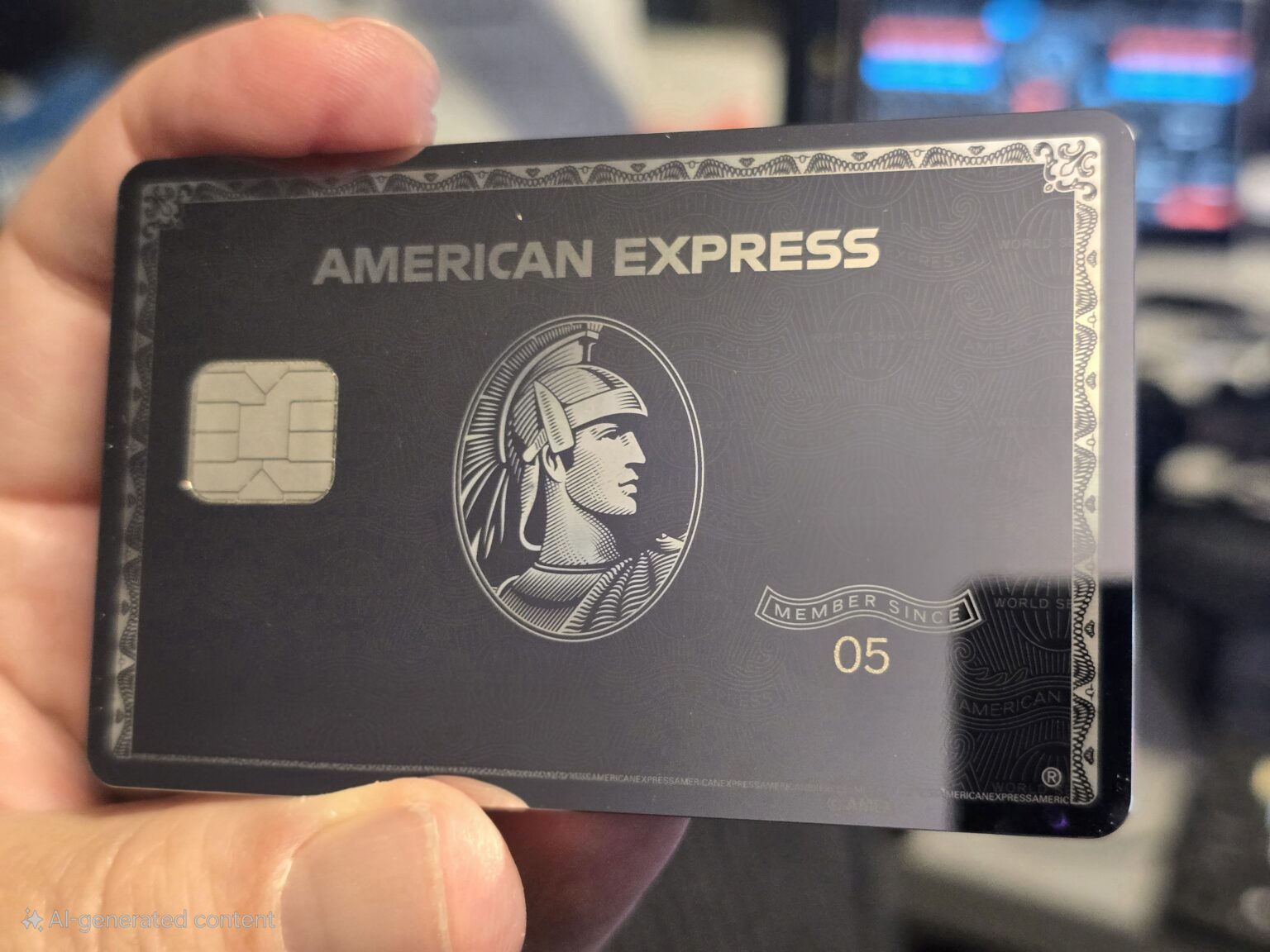
American Express Platinum travel protection encompasses a robust suite of complimentary insurance and assistance benefits built into the cardmembership, providing coverage for trip cancellations, interruptions, delays, lost luggage, and car rental loss and damage. To activate these built-in protections, cardholders must charge a portion of their eligible travel expenses—such as common carrier fares, tours, or prepaid lodging—to their card or use Membership Rewards points transferred to participating frequent traveler programs.
Navigating premium travel rewards credit cards requires an understanding of how lifestyle perks intersect with financial risk management. Among high-end travel cards, the Platinum Card from American Express stands out for its high annual fee, which is counterbalanced by an extensive array of lifestyle credits, airport lounge access, and elite hotel statuses.
However, one of the most valuable yet frequently misunderstood pillars of the card is its built-in travel insurance suite. While many cardholders focus heavily on earning points or redeeming airport lounge access, understanding the mechanics, exclusions, and claim processes of American Express Platinum travel protection is essential for safeguarding financial investments against unexpected disruptions.
The Core Philosophy of Credit Card Travel Insurance
Credit card travel insurance bridges the gap between out-of-pocket risk and traditional, standalone third-party travel insurance policies. Rather than requiring a separate policy purchase for every itinerary, built-in card protections leverage the institutional backing of major financial networks and underwriters to cover cardholders automatically when they use their card for travel purchases.
The fundamental principle governing these coverages is the requirement of "charging the travel to the card." Underwriters require a clear financial nexus between the credit card account and the travel expenses incurred.
For the American Express Platinum Card, this generally means charging all or a portion of the common carrier fare (flights, trains, cruises) to the card. It also extends to trips booked using American Express Membership Rewards points, provided the associated taxes, fees, and carrier charges are placed on the card.
Cardholders must recognize that these policies are contracts of adhesion underwritten by third-party insurance companies—such as New Hampshire Insurance Company, an AIG company—rather than direct guarantees by American Express itself. Consequently, claim approvals depend strictly on compliance with the explicit terms, conditions, and exclusions outlined in the official Certificate of Insurance.
Overview of Key Protection Categories
The American Express Platinum travel protection suite is not a single policy but a collection of distinct coverage types, each addressing specific risk exposures during a journey. Evaluating how these categories operate helps cardholders determine whether they need supplemental coverage for a given trip.
Trip Cancellation and Interruption Insurance
Trip cancellation and interruption insurance provides reimbursement for non-refundable, prepaid travel expenses if a covered trip is canceled or cut short due to a specified qualifying event.
- Trip Cancellation: Applies before departure. If a cardholder, traveling companion, or immediate family member falls seriously ill, is injured, or faces another covered peril (such as severe weather grounding common carriers or a natural disaster at the destination), non-refundable deposits for flights, hotels, and tours can be reimbursed up to policy limits.
- Trip Interruption: Applies after departure. If a trip is cut short mid-journey due to similar covered emergencies, the policy covers unused, non-refundable land or water arrangements, as well as additional transportation costs required to return home or rejoin the trip.
Under the American Express Platinum policy, coverage limits generally extend up to $10,000 per trip, with a maximum aggregate cap per rolling 12-month period (typically $20,000). Eligible travelers usually include the cardholder, their spouse or domestic partner, and dependent children under a certain age, provided they are traveling on the same itinerary.
Trip Delay Insurance
When common carriers experience unexpected disruptions, travelers often face out-of-pocket costs for meals, lodging, and essential personal items. Trip delay insurance steps in when a covered trip is delayed by more than a specified threshold—typically 6 hours for the Platinum card—due to severe weather, equipment failure, strike, or hijacking.
The Platinum Card offers reimbursement for essential expenses such as meals, lodging, and toiletries up to $500 per trip, with a maximum of two claims per 12-month period. This protection applies specifically to round-trip travel where a portion of the fare has been charged to the card. It does not cover delays if the cardholder was informed of the delay more than 24 hours prior to departure or if alternative transportation was reasonably available and declined.
Baggage Insurance Plan
Luggage mishandling, loss, or theft can instantly derail a vacation. The Baggage Insurance Plan covers eligible personal property—including the physical luggage itself and items contained within—against loss, damage, or theft while in transit via a common carrier.
- Checked Baggage: Provides coverage up to specific limits for loss, damage, or theft of checked luggage by an airline, cruise line, or rail operator. High-risk items, such as jewelry, cameras, and electronic equipment, often have strict sub-limits or complete exclusions under standard card policies.
- Carry-On Baggage: Offers supplemental protection for carry-on items physically carried by or accompanying the cardholder.
For the Platinum Card, aggregate limits typically reach up to $2,000 for checked luggage and up to $3,000 for combined checked and carry-on luggage, with specific sub-limits for high-value items like electronics and jewelry. Cardholders must file a formal property irregularity report (PIR) with the common carrier immediately upon discovery of the loss to substantiate any subsequent insurance claim.
Premium Car Rental Loss and Damage Insurance
Renting a vehicle abroad or domestically often exposes drivers to high pressure from rental counter staff to purchase expensive collision damage waivers (CDW). The American Express Platinum Card provides Secondary auto rental coverage globally (with certain country exceptions, such as Australia, Italy, and New Zealand, where primary coverage may be mandated or structured differently depending on local laws).
When a cardholder declines the rental company's optional CDW, the card's policy covers theft of or damage to the rental vehicle up to the vehicle's actual cash value. It also covers towing charges and loss-of-use charges assessed by the rental agency.
Crucially, this coverage is secondary within the United States, meaning it pays out only after the cardholder’s personal auto insurance policy has been exhausted. Internationally, where domestic auto policies frequently do not apply, it often functions as primary coverage.
Comparison of Major Platinum Travel Protections
To assist in evaluating risk exposures and policy boundaries, the following table summarizes the key structural parameters, standard limits, and activation requirements for the primary travel protections associated with the American Express Platinum Card.
| Protection Type | Primary Benefit Summary | Standard Maximum Limit | Activation Requirement | Key Exclusions / Limitations |
|---|---|---|---|---|
| Trip Cancellation & Interruption | Reimbursement for non-refundable expenses due to illness, severe weather, or other covered perils. | Up to $10,000 per trip ($20,000 per 12-month period). | Charge common carrier fare or use Membership Rewards points for the trip. | Pre-existing medical conditions, war, government restrictions, voluntary changes. |
| Trip Delay | Reimbursement for meals, lodging, and essentials during qualifying common carrier delays. | Up to $500 per trip (max 2 claims per 12-month period). | Charge round-trip common carrier fare to the card; delay must exceed 6 hours. | Delays known to the traveler 24+ hours before departure; missed connections due to late arrival not booked on common carrier. |
| Baggage Insurance Plan | Coverage for loss, damage, or theft of checked and carry-on luggage via common carriers. | Up to $2,000 for checked; up to $3,000 total (includes $1,000 for high-risk items). | Charge common carrier fare to the card. | Cash, securities, tickets, sports equipment in use, normal wear and tear, failure to report to carrier. |
| Car Rental Loss & Damage | Coverage for physical damage, theft, towing, and loss-of-use for eligible rental vehicles. | Up to $75,000 or vehicle replacement value (varies by vehicle type). | Decline rental company CDW/LDW and charge entire rental transaction to the card. | Exotic/antique cars, certain trucks/vans, long-term rentals (typically 30+ days), violation of rental agreement. |
Eligibility, Exclusions, and Fine Print
Understanding what is not covered is often more important than knowing the headline limits. Insurance underwriters enforce strict definitions and boundaries to prevent abuse and manage risk.
Pre-Existing Medical Conditions
One of the most critical exclusions in trip cancellation and interruption policies is the pre-existing medical condition clause. Generally, if a traveler, traveling immediate family member, or business partner suffers a medical emergency stemming from an illness or injury that exhibited symptoms, required treatment, or underwent medication adjustments within a specified look-back period (frequently 60 to 180 days) prior to booking and card charge, the claim may be denied. Cardholders with chronic medical conditions should carefully review the precise look-back window in their specific Certificate of Insurance or consider purchasing a standalone travel insurance policy with a pre-existing condition waiver.
Geographical and Activity Restrictions
Certain high-risk destinations and adventurous activities are categorically excluded from coverage. Travel to countries currently under active U.S. State Department Level 4 ("Do Not Travel") advisories or subject to comprehensive international economic sanctions (such as OFAC regulations) will typically invalidate trip cancellation and medical assistance coverages. Similarly, injuries sustained while participating in extreme professional sports, mountaineering beyond specific altitudes, skydiving, or racing motorized vehicles are excluded unless specifically endorsed.
Documentation and Proof of Loss
Insurance claims fail most frequently due to insufficient documentation. To successfully process a claim through the Administrator (typically AMEX Assurance Company or its designated claims processor), cardholders must maintain meticulous paper trails. Required documents typically include:
- The original monthly billing statement showing the travel purchase charged to the American Express Platinum Card.
- Itemized vendor receipts, booking invoices, and cancellation penalty statements.
- Official documentation from third parties substantiating the cause of loss (e.g., a physician’s statement detailing the medical necessity of canceling a trip, or an airline written delay verification detailing the exact duration and cause of a flight delay).
- Police reports in cases of theft or property loss.
Strategic Interaction with Standalone Travel Insurance
While American Express Platinum travel protection provides robust coverage for standard disruptions, savvy travelers must assess whether relying solely on credit card insurance is sufficient for complex, high-cost, or international itineraries.
Limitations Compared to Comprehensive Policies
- Medical Evacuation and Emergency Medical Expense: While the Platinum Card provides Premium Global Assistance (which assists with coordination, referrals, and emergency transport logistics), it generally does not include substantial primary medical expense reimbursement or emergency medical evacuation insurance under its standard credit card benefits package in the same manner as specialized standalone travel insurance policies. (Note: Cardholders should verify whether their specific regional card issuance includes separate medical evacuation riders, as benefits vary internationally).
- "Cancel for Any Reason" (CFAR): Standard credit card trip cancellation insurance only covers specified perils (illness, weather, strikes). It does not cover elective cancellations driven by personal anxiety, shifting work schedules, or simple changes of heart. Travelers requiring ultimate flexibility must look to third-party CFAR policies.
- Primary vs. Secondary Medical Coverage: Standalone travel medical policies often act as primary insurance overseas, paying medical bills directly. Relying on standard credit card coverages for overseas hospital stays can lead to complex coordination of benefits with domestic health insurance providers.
Step-by-Step Claims Process and Troubleshooting
Filing an insurance claim can feel daunting, but approaching the process methodically ensures a smoother resolution and minimizes the risk of claim denial.
- Immediate Notification: Report the loss, delay, or cancellation to the appropriate travel provider (airline, hotel, rental agency) immediately. Secure written verification of the incident before leaving the airport, station, or venue.
- Initiate the Claim Online: Navigate to the American Express online benefits portal or contact the customer service number on the back of the card to request a claim form. Many claims can now be initiated through digital claims management portals managed by third-party administrators.
- Compile Evidence: Gather all required supporting documents. Ensure that billing statements clearly display the charge to the American Express Platinum Card and that medical notes explicitly state the medical necessity of canceling or interrupting travel.
- Adhere to Deadlines: Most policies mandate that written proof of loss be submitted within a strict timeframe (frequently within 30 to 90 days of the incident). Missing these administrative deadlines can result in automatic claim denial regardless of merit.
- Follow Up and Escalate: Maintain copies of all correspondence, reference numbers, and submitted documents. If a claim is initially denied due to missing or ambiguous documentation, review the specific denial reason against the Certificate of Insurance and provide clarifying documentation promptly.
Frequently Asked Questions
Does American Express Platinum travel protection cover flights booked with points?
Yes, coverage for trip cancellation, interruption, and trip delay generally applies when trips are booked using American Express Membership Rewards points, provided that all applicable taxes, fuel surcharges, and associated carrier fees are charged directly to the Platinum Card.
Does the Platinum Card cover rental cars in every country?
No. While coverage is robust globally, certain countries—most notably Ireland, Jamaica, and Israel—are frequently excluded from standard U.S. card rental insurance policies due to local underwriting restrictions or legal mandates. Always verify territorial restrictions before renting a vehicle abroad.
What constitutes a "qualifying" trip delay under the policy?
A qualifying trip delay must be caused by a covered hazard (such as severe weather, equipment failure, or a strike) and must exceed the specified time threshold—typically 6 hours for the Platinum Card. Furthermore, the round-trip transportation fare must have been paid using the card.
Are pre-existing medical conditions covered by trip cancellation insurance?
Generally, no. Most credit card travel insurance policies exclude losses caused by or resulting from pre-existing medical conditions that manifested or required treatment within a specific look-back period immediately preceding the trip's booking and card charge date.
Is primary medical insurance included for accidents abroad?
The standard credit card protections focus primarily on trip mechanics, luggage, and rental cars rather than comprehensive medical expense reimbursement. Travelers seeking robust health insurance coverage while abroad should examine specialized travel medical policies or verify whether their domestic health plan extends international coverage.
Conclusion and Next Action
American Express Platinum travel protection offers substantial financial safeguarding that can easily save cardholders thousands of dollars during unexpected travel disruptions. By ensuring that all common carrier fares and qualifying travel expenses are charged directly to the card—or booked using Membership Rewards points with fees paid on the card—cardholders unlock powerful trip cancellation, interruption, delay, baggage, and rental car protections.
To maximize these benefits, review your specific cardmember agreement and Certificate of Insurance today, maintain meticulous records of your itineraries and booking receipts, and verify whether your upcoming travel itinerary requires supplemental medical or "Cancel for Any Reason" coverage.