Whether you are allowed to install solar panels on your house depends primarily on a combination of local zoning laws, property ownership status, and the physical characteristics of your residence. While homeowners generally possess the right to improve their properties, this is subject to municipal building codes, homeowners association (HOA) covenants, and electrical safety standards that ensure the installation does not pose a fire or structural risk.
Understanding the Legal and Regulatory Landscape
The journey to solar independence begins with understanding the hierarchy of rules governing your property. In many jurisdictions, solar access is protected by state or local legislation, often referred to as "solar rights" laws. These regulations are designed to prevent local authorities or homeowners associations from unreasonably restricting or prohibiting the installation of solar energy systems.
Homeowners Associations and Covenants
If you live in a community governed by an HOA, your architectural review board may have specific requirements regarding the placement, visibility, and aesthetics of solar panels. While some states have enacted laws that invalidate outright bans on solar panels, HOAs are often permitted to impose "reasonable restrictions." These might include requirements to match the roof color, conceal wiring, or position panels to minimize visibility from the street, provided these requirements do not significantly decrease system efficiency or increase costs beyond a defined percentage.
Municipal Building Codes and Zoning
Regardless of HOA status, you must comply with municipal codes. These are not merely suggestions; they are legal requirements intended to protect the structural integrity of your roof and the safety of the municipal electrical grid. Building departments will require permits to verify:
- Structural Loading: Can your roof support the additional weight of solar panels, mounting hardware, and potential snow loads?
- Fire Safety: Are there appropriate "setbacks"—unobstructed areas on the roof—that allow firefighters to access the roof during an emergency?
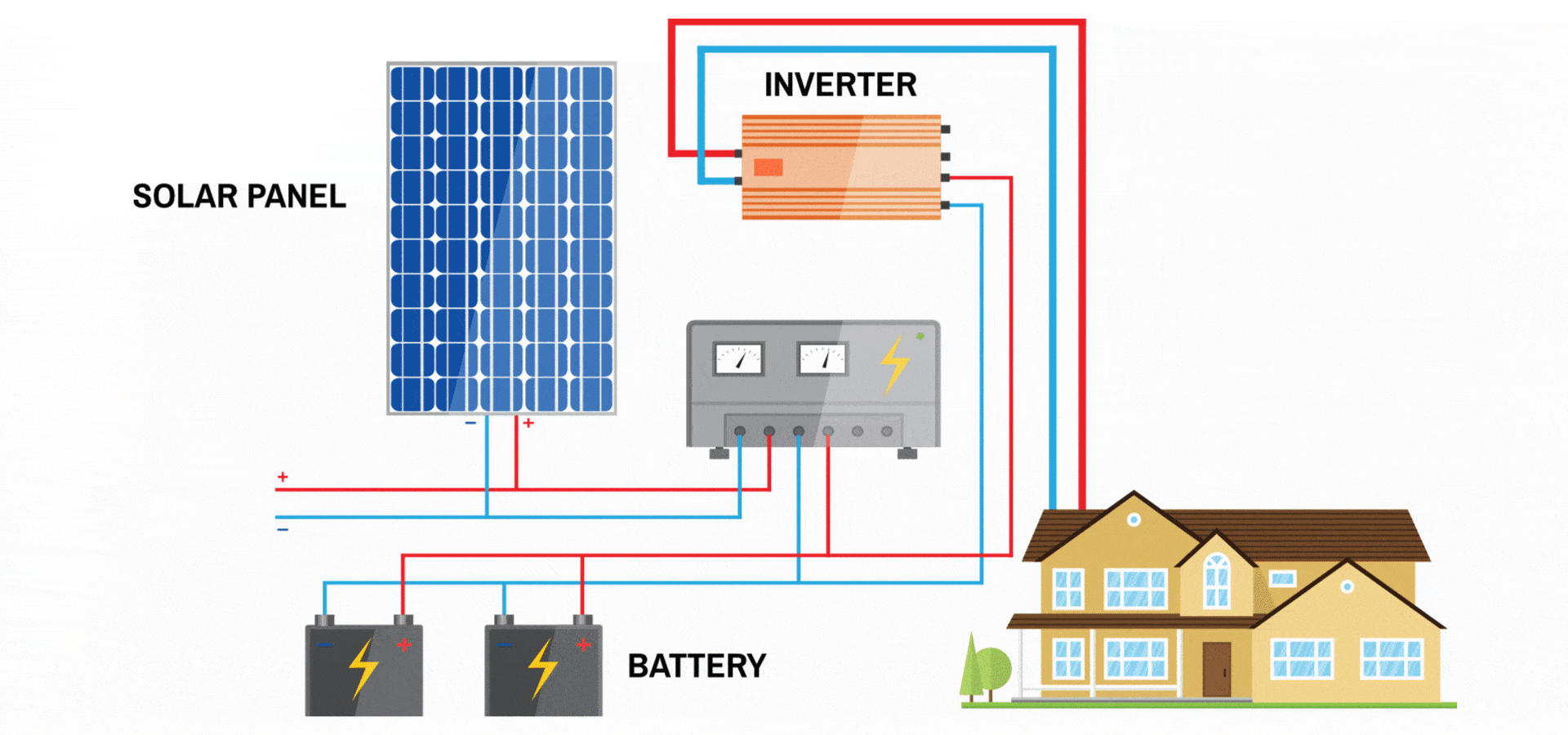
- Electrical Standards: Does the inverter and wiring configuration meet the National Electrical Code (NEC) standards to prevent overheating or electrical fires?
Historic District Designations
If your home is located in a designated historic district, the hurdles may be higher. Preservation boards prioritize the exterior appearance of homes. In these areas, you may be restricted to installing panels on rear-facing roof planes where they are not visible from the public right-of-way, or you may be required to use low-profile, non-reflective glass materials.
Assessing Property Ownership and Physical Feasibility
"Allowed" also carries a practical component. Even if the law permits it, your home must be physically capable of supporting the technology.
Ownership Status
If you own your home, you have the authority to initiate the installation process. However, if you are a tenant, the right to install solar rests entirely with the property owner. If you are in a condo or a shared-wall building, your ownership might be limited to the interior of the unit, and the roof may be considered "common area," requiring consent from the condo board or all fellow owners.
Roof Condition and Orientation
A professional solar assessment will look beyond legal permissions to the physical reality of your roof. Installing solar panels on an aging roof is rarely recommended, as the cost of removing and reinstalling the system to replace the roof later can be prohibitive.
- Orientation: South-facing roofs (in the Northern Hemisphere) generally provide the most consistent solar harvest.
- Shading: Significant shading from trees, chimneys, or adjacent structures can render a solar installation inefficient, failing to meet the return-on-investment benchmarks required for approval by many utility-run incentive programs.
Navigating the Approval Process
Securing the legal "green light" involves a systematic approach to documentation and filing.
- Pre-Check: Consult your local municipal planning office to identify current ordinances regarding solar arrays.
- Consultation: Engage a licensed solar installer. Experienced contractors are familiar with local quirks, such as specific fire-safety setbacks required in your municipality.
- Application: Submit your architectural plans (if in an HOA) and permit applications (to the city/county). This package must include structural engineering calculations and electrical line diagrams.
- Utility Interconnection: Before you can flip the switch, your local utility company must approve an "interconnection agreement." This ensures your solar system is compatible with the grid, especially if you intend to participate in net metering—a program where you earn credit for excess power sent back to the grid.
Table: Key Considerations for Solar Installation Approval
| Factor | Primary Influence | Potential Challenge |
|---|---|---|
| HOA Rules | Aesthetic covenants | Must balance design with efficiency |
| Building Codes | Structural/Fire safety | Mandatory set-back requirements |
| Historic District | Preservation laws | Strict limits on visible placement |
| Utility Grid | Interconnection rules | Caps on system size or grid capacity |
| Ownership | Legal title | Approval required for strata/condos |
Addressing Common Obstacles
Many homeowners find the most significant barrier is not a legal ban, but rather a lack of coordination between the parties involved.
Dealing with Denials
If an HOA denies your request, review the specific reasons provided. If the denial is based on factors that "significantly increase the cost" or "decrease the efficiency" of your system, you may have grounds to challenge it based on state-specific solar access laws. Always keep written records of all communications.
Financial Viability and Incentives
In 2026, financial considerations are as important as legal ones. Verify if your project meets the criteria for federal tax credits or regional rebates. Often, these programs require the installation to be performed by a certified professional, meaning "do-it-yourself" solar projects, even if permitted by local code, might disqualify you from lucrative financial incentives.
The Role of Professional Installers
Professional installers act as the primary buffer between the homeowner and the bureaucracy. They typically manage the permitting process, negotiate with inspectors, and handle the interconnection paperwork. Choosing an installer with a strong local track record is often the fastest way to navigate the "allowed" question, as they have already established relationships with local code enforcement officers.
Frequently Asked Questions
1. Does my HOA have the power to stop me from installing solar panels?
In many states, laws prevent HOAs from outright banning solar panels. However, they can often enforce "reasonable restrictions," such as placement requirements or aesthetic guidelines, provided those rules do not make the system prohibitively expensive or ineffective.
2. Can I install solar panels if my roof is old?
While legally permitted, it is strongly advised against. If your roof requires replacement within five to ten years, you should replace the roof before installing solar. The cost of removing and reinstalling solar panels to conduct roof repairs can negate any financial savings generated by the system.
3. What is an interconnection agreement?
An interconnection agreement is a contract between you and your utility company. It establishes the technical and safety standards your solar system must meet to be safely connected to the local power grid, allowing you to feed excess electricity back for credits.
4. Do I need a permit for a small, portable solar setup?
Generally, if the system is not hard-wired into your home’s main electrical panel and is merely a portable unit for charging devices, it does not require a building permit. However, any system tied to the grid requires full permitting and inspection.
5. What if I live in a historic district?
Living in a historic district adds a layer of scrutiny. You will likely need approval from a preservation board. They may require panels to be installed in locations hidden from public view or mandate specific mounting colors to match the roof, ensuring the character of the neighborhood is preserved.
Next Actions for Prospective Solar Owners
To determine if you are allowed to move forward, start with a feasibility audit. First, review your property deed or HOA bylaws to identify any recorded easements or architectural restrictions. Second, contact your local building department’s planning office; they can provide a checklist of requirements specific to your address. Finally, request a site evaluation from at least two reputable solar contractors. These professionals can provide a preliminary assessment of whether your roof meets local safety standards and give you an estimate of the permit-related costs involved in your specific jurisdiction. By treating the project as a regulatory compliance task first and an energy project second, you ensure a smoother path to installation.