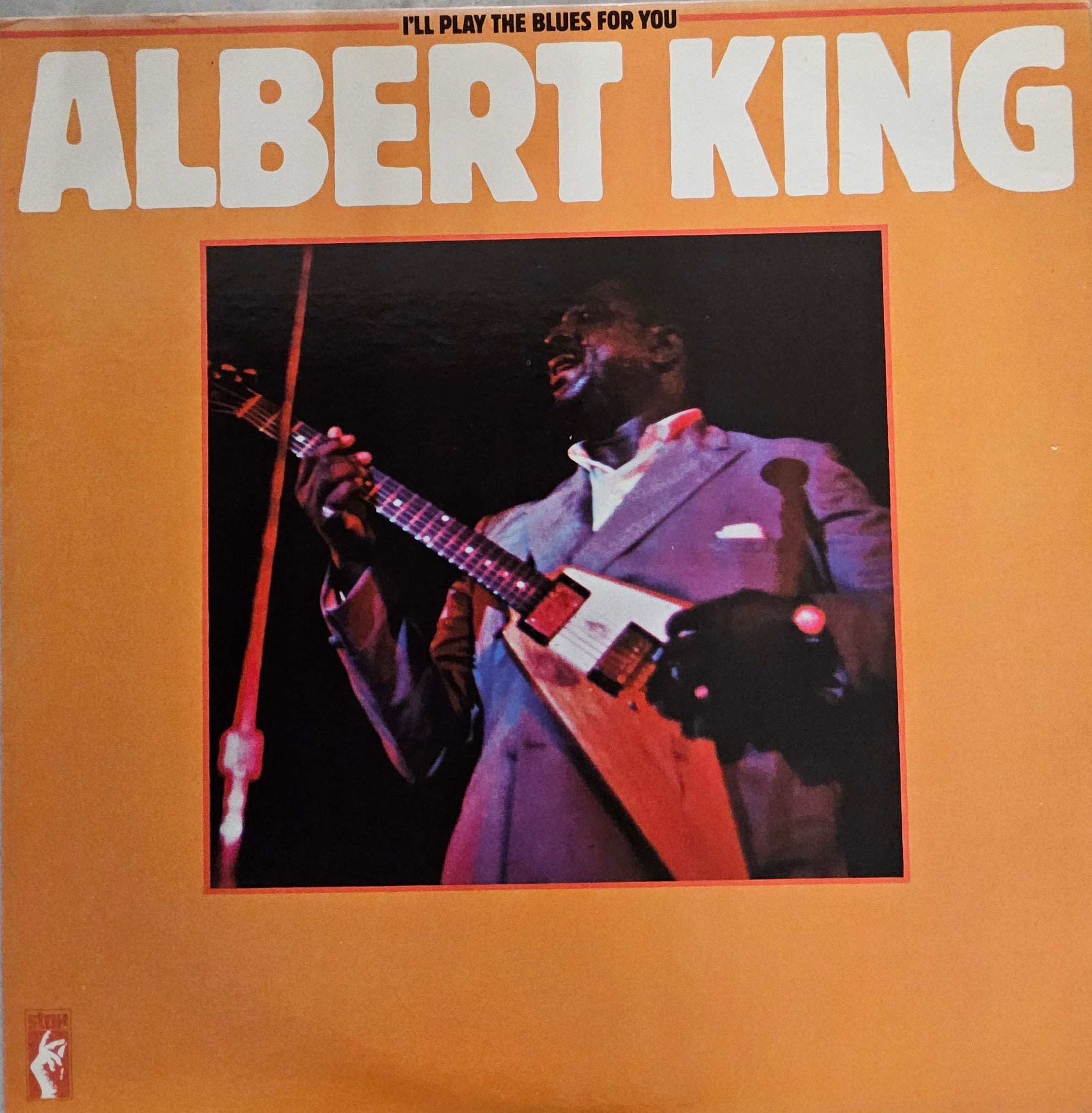
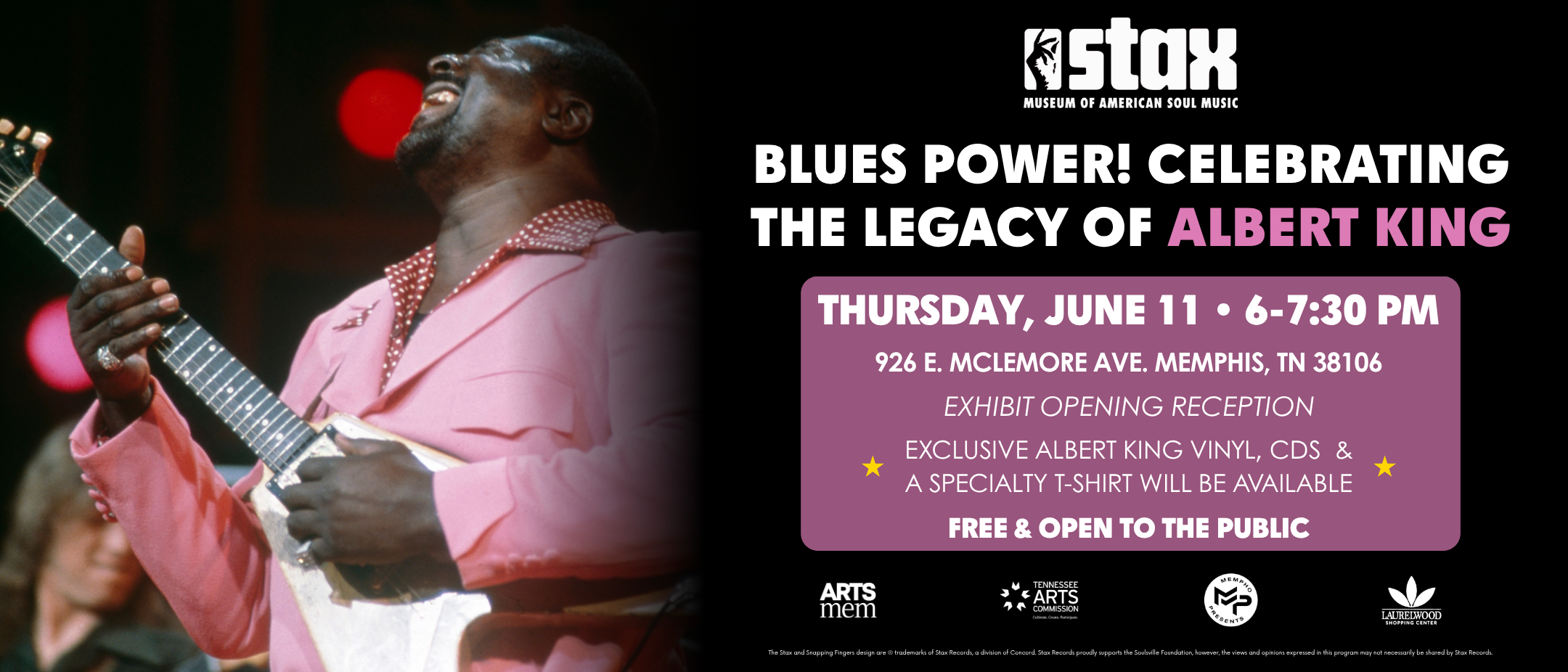
At the time of his passing in 1992, Albert King’s net worth was estimated to be between $1 million and $5 million, factoring in his property holdings, extensive catalog royalties, and touring revenue. As of 2026, his estate continues to generate significant income through digital streaming, sync licensing in film, and the enduring commercial value of his definitive blues recordings.
The Architectural Foundation of a Blues Giant
Albert King, born Albert Nelson in 1923, stands as one of the "Three Kings of the Blues" alongside B.B. King and Freddie King. However, Albert’s contribution was uniquely architectural. While others focused on speed or vocal sweetness, Albert King focused on the physical weight of a note. Known as "The Velvet Bulldozer" due to both his massive physical stature and his smooth yet powerful singing voice, King’s influence is woven into the very fabric of modern rock and blues guitar.
To understand Albert King’s net worth, one must first understand the era in which he operated. Unlike modern pop stars, blues musicians of the mid-20th century often faced predatory contracts and limited mainstream airplay. Despite these hurdles, King’s tenure at Stax Records in the 1960s cemented his financial stability. By the time the blues-rock explosion of the late 60s occurred, King was positioned as a mentor and an elder statesman, allowing him to command higher performance fees than many of his contemporaries who remained stuck in the "chitlin' circuit."
Analyzing the Financial Evolution of Albert King’s Estate
The discussion of Albert King’s net worth requires a distinction between his liquid assets at death and the long-term valuation of his intellectual property. In the decades leading up to 2026, the management of his legacy has ensured that his work remains profitable.
Revenue Streams During His Lifetime
King’s primary income was derived from a relentless touring schedule. Even into his later years, he remained a fixture on the international jazz and blues festival circuits. These appearances were lucrative, often paying significantly more than standard club dates. Furthermore, his association with Stax Records provided him with a steady stream of royalties from hits like "Born Under a Bad Sign." While Stax famously went through bankruptcy and reorganization, the publishing rights for King's most iconic works were eventually stabilized under various holding companies, ensuring his heirs received their due.
The Posthumous Valuation in 2026
In 2026, the "net worth" of Albert King is better viewed as the market value of his brand. His likeness, the "Lucy" guitar trademarks, and the master recordings continue to be licensed. Digital streaming platforms have also provided a "long tail" of revenue. Although individual streams pay fractions of a cent, the cumulative effect of millions of monthly listeners across global platforms contributes to a six-figure annual royalty check for the estate.
Additionally, the use of King’s music in high-end automotive commercials and gritty prestige television dramas has kept the licensing fees high. A single high-profile sync license for a song like "Crosscut Saw" can command between $20,000 and $100,000 depending on the scope of the usage.
The Technical Mastery of the "Lucy" Guitar
The core of Albert King’s legacy—and the reason his music remains valuable—is his inimitable technical approach to the guitar. King was a left-handed player who played a right-handed Gibson Flying V, flipped upside down. Crucially, he did not restring the guitar; the low E string was at the bottom, and the high E was at the top.
The Physics of the Bend
Because the strings were reversed, Albert King "pulled" his bends downward toward the floor rather than "pushing" them upward. This physical mechanic allowed him to exert incredible leverage, resulting in wide, vocal-like vibrato and multi-step bends that most guitarists find physically impossible to replicate on standard setups.
Tuning and Tone
King often tuned his guitar to various open tunings (frequently C-B-E-G-B-E or variations thereof), which contributed to the deep, haunting resonance of his chords. His tone was further defined by his choice of equipment. He used solid-state Acoustic amplifiers, which provided a sharp, biting "ping" to his notes that contrasted beautifully with his warm, baritone voice. This "sting" became his sonic signature, a piece of intellectual property as recognizable as a corporate logo.
Comparing the Three Kings of the Blues
To contextualize Albert King’s legacy, it is helpful to see how he compared to his peers in the "Three Kings" triumvirate. Each brought a different flavor to the genre, and their collective work defines the post-war electric blues.
| Feature | Albert King | B.B. King | Freddie King |
|---|---|---|---|
| Nickname | The Velvet Bulldozer | King of the Blues | The Texas Cannonball |
| Primary Guitar | Gibson Flying V ("Lucy") | Gibson ES-355 ("Lucille") | Gibson Les Paul / ES-345 |
| Signature Style | Huge bends, stinging tone | Fluid vibrato, jazz-inflected | Aggressive thumb-pick attack |
| Key Studio Album | Born Under a Bad Sign (1967) | Live at the Regal (1965) | Burglar (1974) |
| Commercial Peak | Late 60s Stax Era | 1970s - 1990s | Early 70s Shelter Records |
| Influence | SRV, Hendrix, Clapton | Almost every blues guitarist | Eric Clapton, Mick Taylor |
The Cross-Generational Influence: From Hendrix to 2026
Albert King’s legacy is perhaps most visible in the players he influenced. He was the "guitarist's guitarist." While B.B. King was the ambassador of the blues to the general public, Albert was the source code for the rock gods of the 1960s and 70s.
Jimi Hendrix and Eric Clapton
Jimi Hendrix was a noted disciple of Albert King. The "stinging" lead lines found in Hendrix’s bluesier tracks are direct homages to King’s phrasing. Eric Clapton famously lifted the solo from "Strange Brew" almost note-for-note from Albert King’s "Crosscut Saw." Clapton has frequently cited King as the musician who taught him how to make a single note count for more than a hundred fast ones.
Stevie Ray Vaughan: The Ultimate Protégé
The relationship between Albert King and Stevie Ray Vaughan (SRV) is legendary. Their 1983 "In Session" television performance remains one of the most studied artifacts in blues history. SRV’s entire playing style—the heavy strings, the aggressive downward bends, and the rhythmic "shuffles"—was built on the foundation Albert King laid. Through SRV, Albert King’s DNA was passed down to a new generation of players like John Mayer and Gary Clark Jr., ensuring his "legacy" remains a living, breathing entity in 2026.
Modern Preservation of the King Legacy
By 2026, the preservation of Albert King’s history has moved into the digital and academic realms. Museums such as the Delta Blues Museum and the Stax Museum of American Soul Music have permanent installations dedicated to his life.
Moreover, the commercial availability of his equipment "signatures" has flourished. In recent years, Gibson has released several limited-edition "Lucy" Flying V models. These instruments, retailing for thousands of dollars, serve as both a tribute and a revenue-generating tool for the estate and the manufacturer. The "Albert King signature sound" is also sold through digital means: software plugins and Kemper profiles allow modern bedroom producers to emulate his Acoustic amp and Flying V setup with 99% accuracy.
Financial Challenges and Legal Battles
It would be remient not to mention the complexities surrounding the estates of blues legends. Albert King’s estate, like many others, has dealt with disputes regarding unreleased recordings and the unauthorized use of his likeness. In the mid-2010s and early 2020s, various legal filings sought to clarify royalty distributions among his descendants.
These legal hurdles often impact the "net worth" figure, as legal fees can deplete cash reserves. However, the consistent demand for his music—driven by its use in streaming playlists like "Blues Classics" and "Coffeehouse Blues"—provides a resilient floor for the estate's valuation. In 2026, the estate is managed with a focus on long-term brand equity rather than short-term cash grabs, reflecting a modern approach to legacy management.
Albert King’s Cultural Impact and Recognition
King was posthumously inducted into the Rock and Roll Hall of Fame in 2013, a move that significantly boosted the "prestige value" of his catalog. Such honors are not merely symbolic; they trigger a measurable spike in record sales and streaming numbers.
His cultural impact extends beyond music. He represented a specific type of African American success in the mid-20th century—a man who owned his own business (he briefly operated a fleet of trucks), managed his own career with a legendary "no-nonsense" attitude, and demanded respect in an era that rarely gave it to black musicians. This narrative of strength and self-reliance is a key part of why his legacy continues to resonate with audiences in 2026.
Frequently Asked Questions
What was Albert King’s most successful album?
"Born Under a Bad Sign," released in 1967 by Stax Records, is widely considered his most successful and influential album. It peak-positioned him as a crossover artist who could appeal to both traditional R&B audiences and the emerging white rock audience of the late 60s.
Why did Albert King play his guitar upside down?
As a left-handed person, King simply picked up the instrument in the way that felt natural to him. In the early days of his career, left-handed guitars were rare and expensive. By the time he could afford a custom instrument, he had already developed his unique "downward pulling" technique, which required the strings to remain in the inverted order.
How much did Albert King earn per show?
At the peak of his career in the late 1980s and early 90s, Albert King could command between $15,000 and $30,000 per festival appearance. In smaller club settings, the guarantee was lower but often supplemented by a percentage of the gate.
Is the "Lucy" guitar still around?
The original "Lucy" guitars (he had several over the years) are prized collector's items. One of the most famous versions, a 1958 Gibson Flying V, was gifted to actor and musician Steven Seagal, a noted blues collector. Its value today is estimated to be well over $500,000.
How does Albert King’s net worth compare to B.B. King’s?
At the time of their respective deaths, B.B. King had a higher net worth (estimated at $10 million to $30 million) due to his more mainstream commercial success, frequent television appearances, and a longer period of global "superstar" status. However, Albert King’s influence on the "sound" of guitar is often cited as being equally profound.
Final Recommendation for Enthusiasts and Investors
For those looking to explore Albert King’s legacy in 2026, the best starting point is the 24-bit remastered edition of "Born Under a Bad Sign." It offers the clearest window into the "Velvet Bulldozer" sound. From a legacy perspective, King’s life teaches us that the true value of an artist lies not just in their bank account, but in the "sonic rent" they collect from every musician who follows in their footsteps. Whether you are a guitarist or a music historian, Albert King remains the ultimate benchmark for power, precision, and soul in the blues.