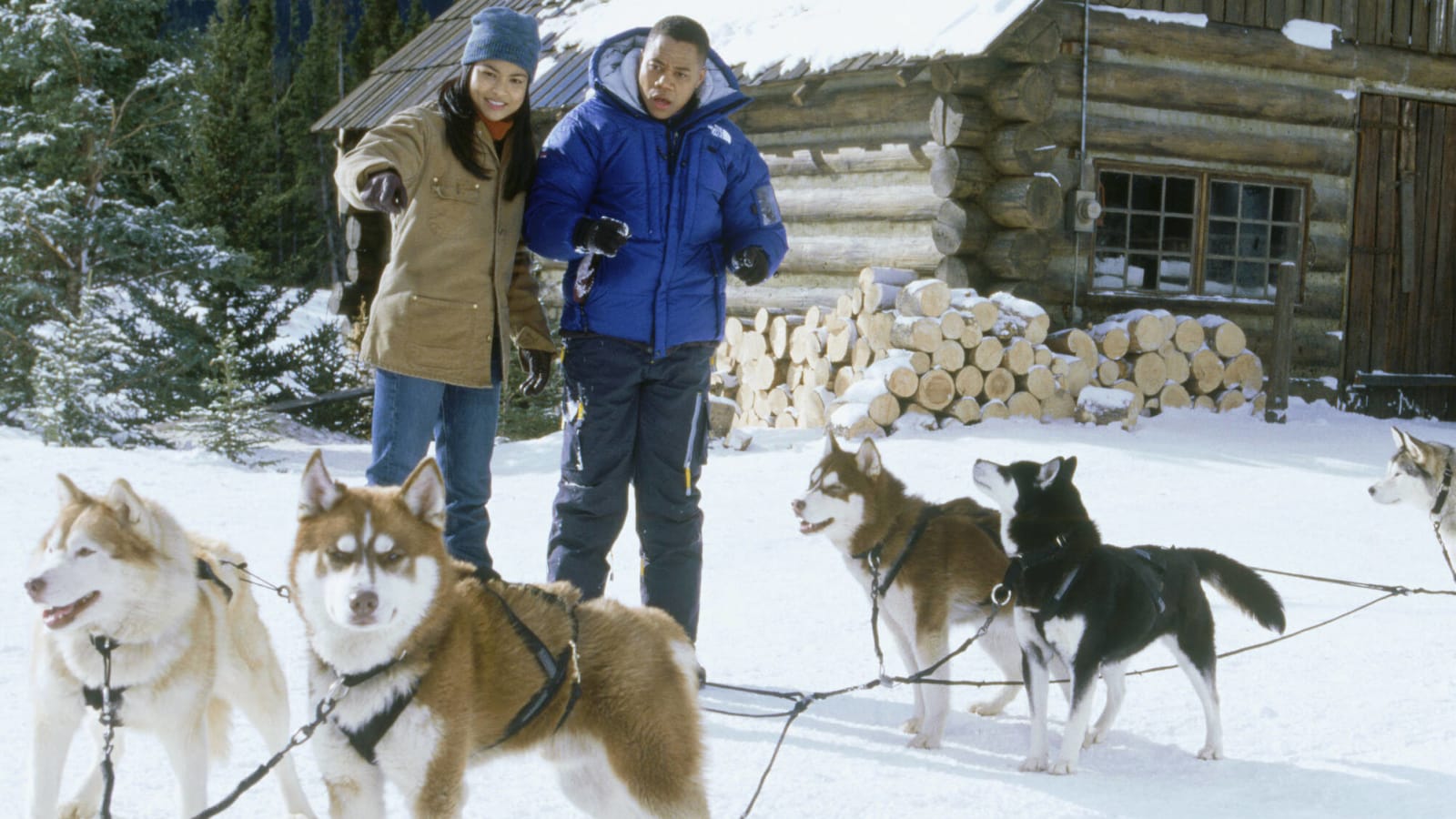
Alaska television shows offer a window into the rugged lifestyle of America's largest state, ranging from high-stakes reality series like Deadliest Catch to scripted dramas such as Alaska Daily. These programs typically focus on survival, commercial fishing, gold mining, and off-grid living, capturing the state’s unique geographical and cultural challenges for global audiences.
The Cultural Phenomenon of Alaskan Programming
Since the early 2000s, Alaska has served as more than just a setting; it has become a character in its own right within the television landscape. As of 2026, the fascination with "The Last Frontier" remains a cornerstone of non-scripted cable and streaming content. The appeal lies in the stark contrast between the hyper-connected, urban lives of most viewers and the raw, unyielding independence required to thrive in the Alaskan wilderness.
The boom of Alaska-based television can be traced back to the intersection of technological advancements in remote filming and a growing cultural interest in "prepping" and self-sufficiency. Networks like Discovery Channel, History, and National Geographic found that the inherent dangers of the Alaskan climate provided built-in stakes that required little artificial enhancement. Whether it is a crab boat navigating thirty-foot waves in the Bering Sea or a homesteading family racing to preserve meat before the first freeze, the environment dictates the narrative.
In 2026, while some of the original "gold rush" of Alaskan production has stabilized, the core franchises have evolved into multi-generational sagas. We see children who grew up on screen now taking over family businesses, providing a rare longitudinal look at life in the North. This longevity has allowed these shows to move beyond mere spectacle into deeper explorations of environmental change, economic shifts in the fishing and mining industries, and the complex relationship between humans and the natural world.
The Pillars of Alaskan Reality Television
The "Big Three" of Alaskan reality TV—commercial fishing, gold mining, and survival—continue to dominate the ratings. These shows established the visual language of the genre: drone shots of vast tundras, "confessional" interviews conducted in sub-zero temperatures, and the constant ticking clock of an impending winter.
Commercial Fishing: The Bering Sea Legacy
Deadliest Catch remains the definitive Alaskan television export. Now well into its third decade of production, the show follows the crabbing fleet out of Dutch Harbor. In 2026, the series has shifted its focus to the sustainability of the industry. Viewers follow veteran captains like Sig Hansen alongside a new generation of skippers navigating shifting quotas and the migration of crab stocks due to warming ocean temperatures. The show’s success is built on the genuine peril of the job; it remains one of the few reality programs where the "life or death" stakes are not an exaggeration for the camera.
Gold Mining: The Industrial Gamble
Shows like Gold Rush and Bering Sea Gold explore the high-risk, high-reward world of Alaskan mining. These programs have successfully demystified the technical aspects of industrial mining, turning "wash plants" and "sluice boxes" into household terms. The narrative typically follows the tension between massive overhead costs and the hope of a "glory hole" of gold. By 2026, the focus has expanded to include more environmentally conscious mining practices, reflecting modern Alaskan regulations and the increasing difficulty of accessing profitable ground.
Survival and Homesteading: Off-Grid Life
Life Below Zero and Alaska: The Last Frontier represent the "homesteading" sub-genre. These shows focus on individuals and families who live miles away from the nearest road system. Life Below Zero, a perennial Emmy winner for its cinematography, highlights the daily chores of survival—hunting, trapping, and maintaining equipment in the Arctic Circle. Meanwhile, Alaska: The Last Frontier chronicles the Kilcher family’s life near Homer, blending family drama with the practicalities of subsistence farming.
Scripted Dramas and the Fictionalized North
While reality TV dominates, scripted Alaska television shows have seen a resurgence, often using the setting to explore themes of isolation, mystery, and social justice.
The Legacy of Northern Exposure
Any discussion of Alaskan TV must acknowledge Northern Exposure (1990–1995). Although filmed in Washington State, it defined the "quirky Alaska" trope. It introduced audiences to the idea of Alaska as a place where misfits and intellectuals go to reinvent themselves. In 2026, the show remains a cult classic, frequently cited by showrunners as the blueprint for "fish-out-of-water" storytelling.
Modern Crime and Journalism
More recent scripted entries have taken a darker, more realistic tone. Alaska Daily, starring Hilary Swank, brought national attention to the "Missing and Murdered Indigenous Women" (MMIW) crisis. The show utilized the backdrop of a struggling Anchorage newspaper to highlight real-world issues facing Alaskans today. Similarly, True Detective: Night Country, though filmed in Iceland for logistical reasons, was set in the fictional town of Ennis, Alaska. It utilized the "long night" (polar night) as a psychological tool to enhance its supernatural and noir elements. These shows represent a shift toward using Alaska as a site for serious social and investigative narrative rather than just a survivalist playground.
Specialized Sub-Genres: From Bush Pilots to Law Enforcement
The diversity of Alaskan life has allowed for several niche categories that have maintained steady popularity over the years.
- Bush Pilots: Shows like Flying Wild Alaska and Era Alaska documented the essential role of aviation in the state. In a region where many communities are "off the road system," pilots are the lifeblood, delivering everything from mail and groceries to medical supplies.
- Law Enforcement: Alaska State Troopers provided a look at policing in a state with vast distances and limited backup. These shows often highlight the unique challenges of rural law enforcement, where "patrolling" might involve a snowmachine or a floatplane.
- Animal Rescue: Shows centered on the Alaska SeaLife Center or various raptor centers highlight the state's unique wildlife, from stranded walrus calves to injured bald eagles. These programs tend to be more educational and family-oriented.
Production Challenges: Filming in the Cold
Producing television in Alaska is a logistical feat that requires specialized knowledge. As of 2026, production companies have perfected the art of "cold-weather filming," but the environment remains unpredictable.
Technical Requirements
Standard camera equipment often fails in extreme cold. Batteries drain in minutes at -40°F, and plastic cables can become brittle and snap like glass. Crew members must use "arcticized" gear, including heated camera jackets and specialized lubricants that don't freeze. Furthermore, the light in Alaska is a major factor; during the summer "Midnight Sun," crews can film 24 hours a day, but during the winter, they may only have three to four hours of usable twilight.
Safety and Logistics
Safety is the primary concern for any Alaskan production. Most crews include "bear guards"—locals armed with deterrents to protect the cast and crew from grizzly or polar bears. Additionally, transport to remote locations often requires chartered bush planes, which are subject to the whims of Alaskan weather. A crew might fly into a location for a three-day shoot and end up stranded for two weeks by a sudden "williwaw" (a sudden, violent cold wind).
Comparing Popular Alaska Television Shows
The following table compares some of the most influential and long-running Alaska-based programs available for viewing in 2026.
| Show Title | Genre | Primary Focus | Network/Platform | Tone |
|---|---|---|---|---|
| Deadliest Catch | Reality/Action | King & Opilio Crab Fishing | Discovery/Max | High-Stakes, Intense |
| Life Below Zero | Reality/Survival | Subsistence Living | Nat Geo/Disney+ | Stoic, Cinematic |
| Alaska Daily | Scripted Drama | Investigative Journalism | ABC/Hulu | Serious, Socially Conscious |
| Gold Rush | Reality/Business | Industrial Gold Mining | Discovery/Max | Competitive, Technical |
| The Last Alaskans | Reality/Docu-series | Life in the Arctic Refuge | Discovery/Animal Planet | Quiet, Reflective |
| Bering Sea Gold | Reality/Competition | Shallow Water Gold Dredging | Discovery/Max | Gritty, Chaotic |
| Northern Exposure | Scripted Comedy-Drama | Small Town Life | Streaming (Various) | Whimsical, Intellectual |
The "Reality" of Alaskan Reality TV: Authenticity and Criticism
As with any reality television, the question of "how much is real?" is frequently asked. Alaskan residents often have a complicated relationship with how their state is portrayed.
Creative Editing vs. Hard Truths
While the dangers (cold, bears, heavy machinery) are very real, the drama is often heightened in the editing room. In gold mining shows, for example, a "mechanical failure" might be presented as a catastrophic event that could end the season, when in reality, it is a routine repair. However, in shows like The Last Alaskans, there is a concerted effort to maintain a slower, more authentic pace that reflects the actual quietude of the wilderness.
Impact on Tourism and Economy
The "Alaska TV effect" has significantly boosted tourism. Fans travel to Homer to see the Kilcher homestead or to Dutch Harbor to see the crabbing boats. This has created a secondary "TV economy" in the state. However, it also leads to "greenhorns" attempting to move to Alaska with no experience, inspired by what they see on screen—a phenomenon that often leads to dangerous situations requiring rescue by the very troopers or pilots featured on the shows.
How to Watch Alaska Television Shows in 2026
In 2026, the landscape for accessing these shows is dominated by major streaming hubs.
- Discovery+ and Max: This is the primary home for the largest volume of Alaskan content, including the entire libraries of Deadliest Catch, Gold Rush, and Bering Sea Gold.
- Disney+ and Hulu: Through the National Geographic brand, Disney+ hosts Life Below Zero and its various spin-offs (First Alaskans, Next Generation). Hulu typically carries scripted content like Alaska Daily.
- History Channel (A&E Networks): Home to Alone (which has several seasons set in the Alaskan/Northern Canadian wilderness) and Mountain Men.
- Physical Media and Digital Purchase: For older shows or those with licensing complexities (like Northern Exposure), digital storefronts like Amazon or Apple TV remain the most reliable sources for high-definition remasters.
Frequently Asked Questions
Are the people on Alaska television shows really as isolated as they seem?
In many cases, yes, but with caveats. While the cast of Life Below Zero or The Last Alaskans may live hundreds of miles from a city, they are rarely "alone." A film crew of two to four people is usually present, and they have satellite communication for emergencies. However, the physical labor and the risks of their environment are genuine; the crew does not typically assist with the work of survival.
Why is Alaska so popular for reality TV compared to other states?
Alaska offers a "frontier" setting that is increasingly rare in the lower 48 states. It provides a unique combination of high-stakes industries (fishing/mining) and extreme weather that creates natural conflict. Additionally, Alaska’s "Permanent Fund" and unique land-use laws provide a backdrop for a lifestyle that feels fundamentally different from the rest of the United States, making it exotic to domestic and international viewers alike.
Do the families on these shows get paid a lot of money?
Salaries vary wildly. Main cast members on long-running hits like Deadliest Catch or Gold Rush can earn hundreds of thousands of dollars per season, often more than they make from the actual fishing or mining. However, for newer shows or more "documentary-style" programs, the compensation may be much more modest, often just covering the costs of allowing a film crew to disrupt their daily lives.
Is True Detective: Night Country actually filmed in Alaska?
No. Despite being set in the fictional town of Ennis, Alaska, the fourth season of True Detective was filmed primarily in Iceland. This is a common practice in the industry due to Iceland's robust film tax credits and more developed infrastructure for filming in sub-zero coastal environments. However, the show's creators worked with Alaskan consultants to ensure the cultural and environmental details felt authentic.
What happened to the Alaska State Troopers show?
The show was officially canceled by the Alaska Department of Public Safety around 2015, although reruns remain popular in 2026. The department cited concerns that the show focused too much on the "drama" of arrests and didn't accurately reflect the broad, community-focused work of the troopers. They also felt the presence of camera crews could sometimes escalate tense situations.
Practical Recommendation for Viewers
If you are new to the genre, start with The Last Alaskans. Unlike the more high-octane "shouting matches" found in some reality TV, this show offers a poetic and deeply authentic look at the last few families allowed to live in the Arctic National Wildlife Refuge. It provides a perfect balance of beautiful cinematography and genuine Alaskan grit, serving as an excellent introduction to why "The Last Frontier" continues to captivate audiences worldwide.