Al Leiter’s journey to the New York Yankees represents a fascinating narrative of local baseball prodigy, a hard-throwing prospect overcoming early physical adversity, a traded asset, a seasoned veteran, and ultimately, a hometown hero returning to pitch for his childhood team in the twilight of his career. Born in Toms River, New Jersey, Leiter grew up a die-hard fan of the Bronx Bombers, dreaming of donning the iconic pinstripes. His actual path to pitching for the Yankees, however, was neither direct nor immediate. It spanned decades, crossed intense divisional rivalries, featured dramatic career-threatening injuries, and required a complete reinvention of his pitching style before he finally achieved his boyhood ambition in the final stage of his 19-year Major League Baseball career.
To fully understand how Leiter reached the Yankees, one must examine his entire baseball arc. This includes his status as a premier amateur draft pick by the New York Yankees, his early professional development, the infamous 1989 trade to the Toronto Blue Jays, his grueling battle with arm injuries, his eventual emergence as an All-Star with the Florida Marlins and New York Mets, and his triumphant, full-circle return to the organization where his professional life began. This comprehensive retrospective details the milestones, mechanics, transactions, and historical contexts that defined Al Leiter’s journey to the New York Yankees.
Amateur Beginnings and the 1984 MLB Draft
Long before he ever stepped onto the pitcher's mound at Yankee Stadium as a member of the home team, Alan David Leiter was a standout left-handed pitcher at Central Regional High School in Bayville, New Jersey. Scouts flocked to the Jersey Shore to watch his blazing fastball and sharp curveball. In the era before high school showcases were broadcast nationwide, Leiter’s reputation as an elite northeast pitching prospect was forged through raw dominance and fierce competitiveness.
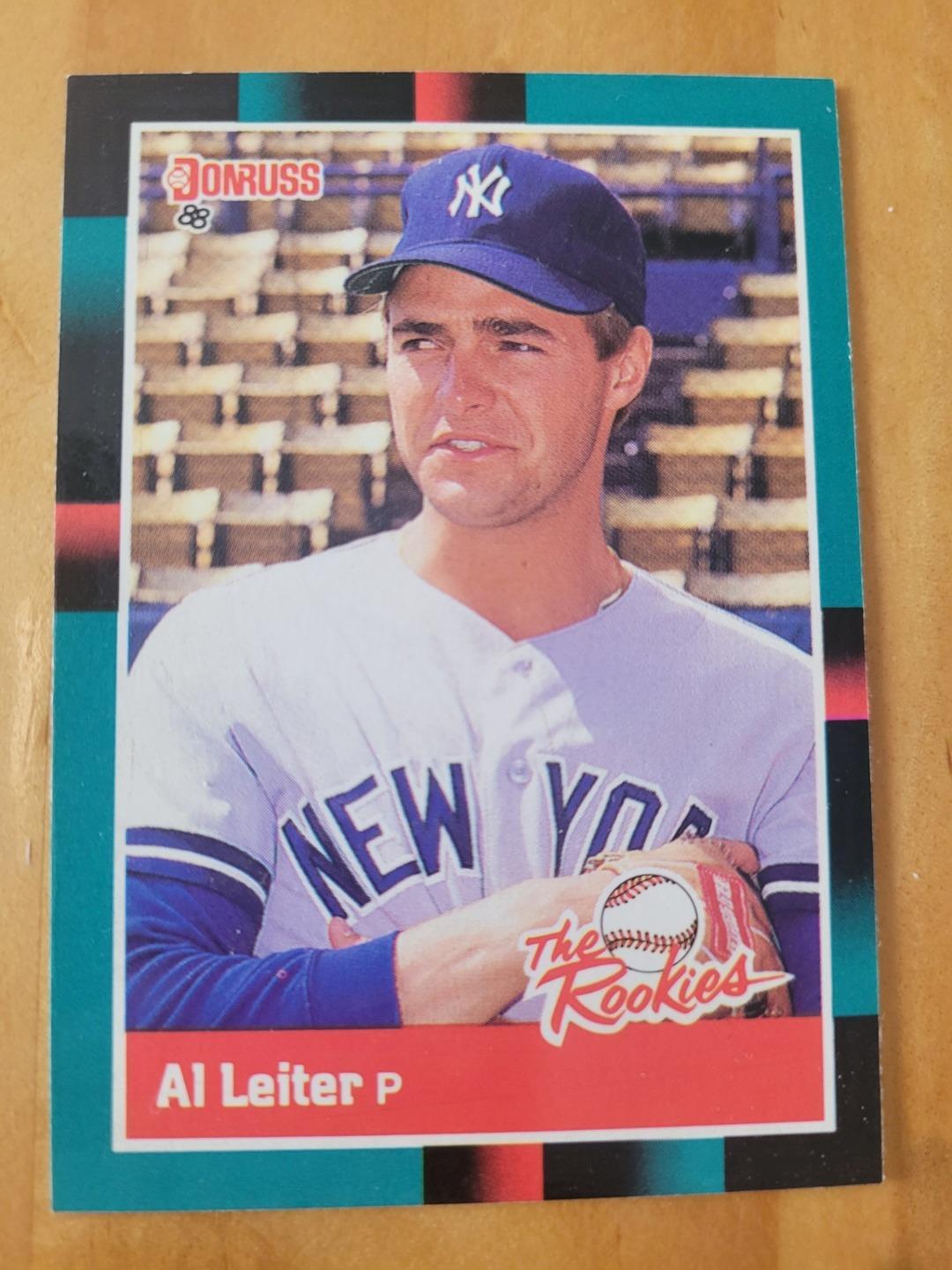
Recognizing his immense local upside and physical projection, the New York Yankees selected Leiter in the second round (48th overall pick) of the 1984 Major League Baseball Draft. For a kid who grew up idolizing players like Thurman Munson and Ron Guidry, being drafted by the Yankees was the ultimate dream realized. He signed quickly and entered a farm system known for its intense pressure and high expectations under principal owner George Steinbrenner.
Leiter moved steadily through the Yankees' minor league ranks, showcasing a high-90s fastball and strikeout capability that confirmed his status as one of the organization's premier pitching prospects. Alongside contemporaries in other systems, Leiter was viewed as a foundational piece for the future of the Yankees' pitching staff. However, the path from elite minor league prospect to established major league star is fraught with hurdles, particularly for young power pitchers whose arms are still maturing.
The Early Major League Struggles and the 1989 Jesse Barfield Trade
Leiter made his major league debut for the Yankees on September 15, 1987, pitching against the Milwaukee Brewers. While the raw stuff was evident, his early years in the Bronx were characterized by a mix of brilliance and profound physical misfortune. Major League hitters quickly learned to be patient against a young pitcher who struggled with control and walked batters at an elevated clip. More alarmingly, Leiter began experiencing severe arm fatigue and elbow discomfort—a harbinger of the modern epidemic of pitching injuries.
By the late 1980s, the Yankees were locked in an aggressive pursuit of immediate postseason contention under Steinbrenner’s win-now mandate. This win-now philosophy frequently involved trading young, unproven assets for veteran star power. On April 30, 1989, the Yankees engineered a blockbuster trade that sent the 23-year-old Leiter to the Toronto Blue Jays in exchange for slugging outfielder Jesse Barfield.
At the time, the trade was viewed by many local media members and fans as a necessary gamble to bolster the Yankees' outfield offense and defense. For Leiter, however, it marked an abrupt and painful end to his first tenure with the organization that drafted him. Little did anyone know that this trade would trigger a nomadic middle chapter of his career, taking him through Toronto, a return to the Yankees organization, and stints in Florida and Queens before his ultimate homecoming.
Rehabilitation, the 1993 World Series, and the Journey Through Florida
The early 1990s were testing years for Leiter. Shortly after arriving in Toronto, his elbow issues culminated in major surgery. In 1993, modern reconstructive elbow procedures—commonly known as Tommy John surgery—were far less refined and carried a much lower historical success rate than they do in the modern era of baseball. Leiter missed substantial development time, questioning whether he would ever regain his previous velocity.
Despite missing significant chunks of time, Leiter persevered through grueling rehabilitation protocols. As a member of the Toronto Blue Jays, he earned a World Series ring in 1993, though his contributions on the field were limited by his physical ailments. Realizing that his blazing fastball was no longer a guaranteed weapon due to his surgeries, Leiter underwent a profound mechanical and mental transformation. He transitioned from a reliance on pure velocity to a sophisticated repertoire featuring a heavy sinker, a biting slider, and a devastating changeup, combined with meticulous sequencing and competitive poise.
This evolution bore fruit when Leiter signed with the Florida Marlins prior to the 1996 season. In 1997, pitching under manager Jim Leyland, Leiter enjoyed a breakout campaign. He went 11-9 with a 4.34 ERA and pitched a memorable no-hitter against the Colorado Rockies on May 11, 1997—the first no-hitter in Marlins franchise history. He followed that regular-season success by winning Game 7 of the 1997 World Series against the Cleveland Indians, cementing his status as a premier, battle-tested starting pitcher.
Following the Marlins' organizational fire sale after their championship run, Leiter was traded to the New York Mets prior to the 1998 season. It was in Queens that Leiter solidified his reputation as a big-game pitcher, leading the Mets to the National League Championship Series in 1999 and the World Series in 2000, where they faced none other than his original organization: the New York Yankees.
The Historic 2000 Subway World Series and Lingering Ties to New York
The year 2000 brought Al Leiter’s career full circle in the most dramatic fashion possible. The New York Mets captured the National League pennant, setting up the first "Subway Series" World Series matchup against the cross-town rival New York Yankees since 1956.
Leiter took the mound for Game 1 at Yankee Stadium in one of the most intensely scrutinized games in baseball history. He pitched brilliantly, trading zeros with Yankees star Andy Pettitte in a classic, tense postseason duel that extended into extra innings before David Justice hit a game-winning single for the Yankees in the 12th inning. Later in the series, Leiter pitched valiantly in Game 5, battling through physical exhaustion and giving up a dramatic, go-ahead home run to Derek Jeter in the ninth inning that clinched the championship for the Yankees.
Though his Mets lost the series, Leiter’s performance underscored his resilience and ability to thrive under the intense microscope of the New York media market. His deep ties to the metropolitan area made him a beloved figure across both fanbases, setting the stage for his eventual return to the Bronx years later.
Summary of Al Leiter’s Career Transitions
To understand how his career trajectory ultimately looped back to the Yankees, it is helpful to examine the major stops, transactions, and career milestones that defined his 19-year MLB tenure:
| Team / Organization | Years Active | Significant Milestones & Achievements |
|---|---|---|
| New York Yankees (1st Tenure) | 1984–1989 | Drafted in 2nd round; made MLB debut (1987); traded for Jesse Barfield. |
| Toronto Blue Jays | 1989–1995 | Overcame major elbow surgery; won World Series championship (1993). |
| Florida Marlins | 1996–1997 | Threw franchise's first no-hitter (1997); won World Series Game 7 (1997). |
| New York Mets | 1998–2004 | Led team to 2000 World Series; selected as an All-Star (2000). |
| New York Yankees (2nd Tenure) | 2005 | Traded back to childhood team; finished career in the Bronx. |
The Homecoming: Returning to the Yankees in 2005
By the winter of 2004, Al Leiter was in the twilight of his career. At age 39, he was looking for an opportunity to contribute as a back-of-the-rotation starter and a veteran presence in a clubhouse. The Florida Marlins, with whom he had spent the previous season, traded him back to the New York Yankees on January 10, 2005, in exchange for minor league pitcher Matt Smith.
Sixteen years after being traded away as a young prospect trying to find his footing, Leiter was finally back in pinstripes. For fans who remembered his draft day in 1984 and his battles across town with the Mets, his return carried immense sentimental and historical weight. General Manager Brian Cashman and manager Joe Torre valued Leiter not only for his remaining left-handed specialist capabilities but also for his wealth of postseason experience and leadership qualities that could benefit a pitching staff trying to navigate the grueling American League East.
However, professional sports rarely operate purely on sentiment. By 2005, Father Time had caught up to Leiter's arm. His velocity had dipped further, and locating his signature sinker became increasingly difficult against potent American League lineups.
The Final Appearance and Retirement
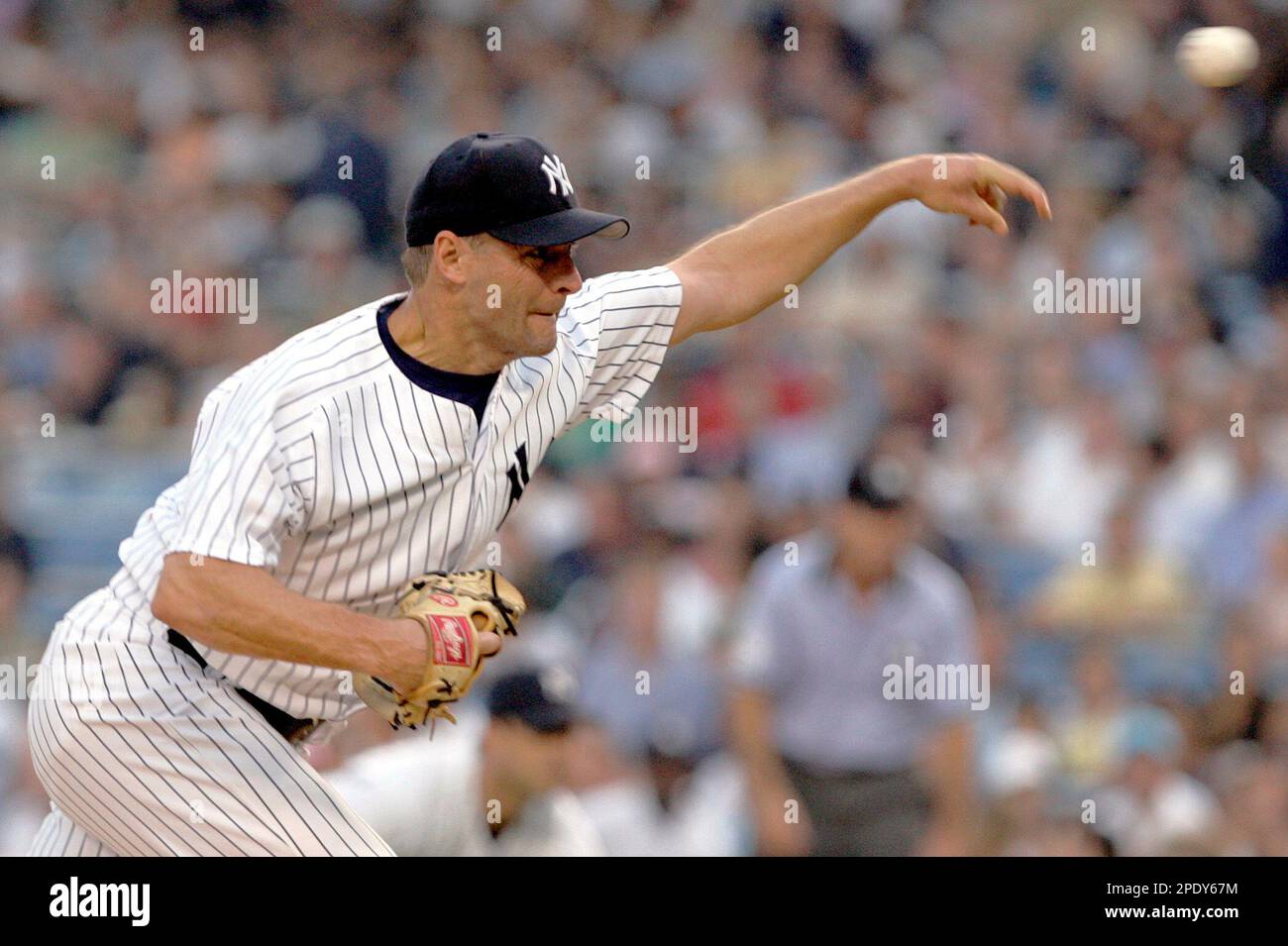
Leiter’s second tenure with the Yankees was brief and emotionally complex. He appeared in 14 games (12 starts) for the 2005 Yankees, posting a 4-5 record with a 6.55 ERA across 55 innings pitched. While there were flashes of vintage craftiness—utilizing his extensive repertoire and veteran guile to navigate jams—the physical demands of pitching daily against elite major league hitters proved too great.
On July 14, 2005, following a difficult outing against the Cincinnati Reds where he struggled with his command, Leiter made the pragmatic and self-aware decision to step away from the game. Rather than forcing an organization he loved to release him or fighting through a painful decline, Leiter announced his retirement from Major League Baseball.
His journey to the Yankees thus completed a full, symmetrical arc: drafted as a teenager with immense raw potential in 1984, developed and traded away, forged into an All-Star and World Series champion elsewhere, tested in the crucible of New York's Subway Series, and finally brought home to finish where it all began. Following his retirement, Leiter seamlessly transitioned into a respected broadcast analyst role, providing deep analytical insights into the game he spent nearly two decades mastering.
Frequently Asked Questions
When did Al Leiter first join the New York Yankees organization?
Al Leiter was first drafted by the New York Yankees in the second round of the 1984 MLB Draft out of Central Regional High School in Bayville, New Jersey. He spent his early professional years moving through the Yankees' minor league system before making his major league debut with the team in September 1987.
Why did the Yankees trade Al Leiter in 1989?
The Yankees traded Leiter to the Toronto Blue Jays on April 30, 1989, in exchange for veteran outfielder Jesse Barfield. At the time, the Yankees were operating under a win-now mandate set by ownership to bolster their major league roster for immediate postseason contention, sacrificing a young, injury-prone pitching prospect for established power.
Did Al Leiter win a World Series ring?
Yes, Al Leiter won two World Series championships during his career. He earned his first ring as a member of the Toronto Blue Jays in 1993 and his second ring as a vital starting pitcher and Game 7 winner for the Florida Marlins in 1997.
How many teams did Al Leiter play for during his MLB career?
Over his 19-year major league career, Leiter played for four organizations: the New York Yankees (across two separate stints), the Toronto Blue Jays, the Florida Marlins, and the New York Mets.
What was the significance of Al Leiter’s return to the Yankees in 2005?
Leiter’s return to the Yankees in 2005 via a trade from the Florida Marlins marked a poetic homecoming. It allowed the New Jersey native, who grew up a lifelong Yankees fan and was originally drafted by the club in 1984, to finish his storied 19-year career pitching in pinstripes before retiring in July 2005.