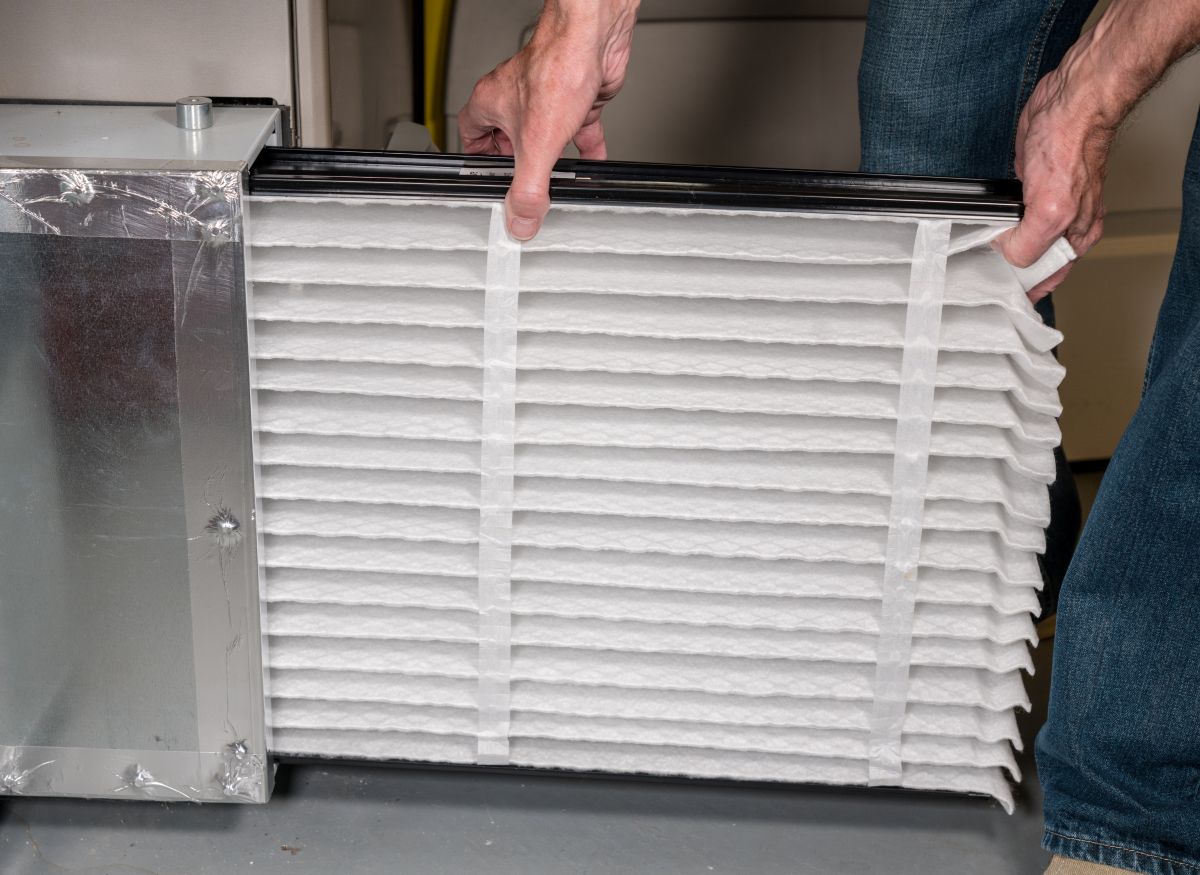
Basements require specialized air filtration strategies to combat high humidity, stagnant air, and unique pollutants like mold spores and radon progeny. To effectively clean basement air, homeowners should prioritize high-CADR HEPA purifiers paired with substantial activated carbon stages and, crucially, integrate these with moisture control systems to prevent filter saturation and microbial growth.
Understanding the Unique Air Quality Challenges of Basements
Basements are fundamentally different from the upper levels of a home. Because they are partially or entirely subterranean, they interact with the surrounding soil and foundation in ways that create specific air quality burdens. The most significant factor is the stack effect, where warm air rises through the house, creating a vacuum that pulls cooler, often damper air—along with soil gases and pollutants—into the basement.
In 2026, building science emphasizes the basement as a "lungs" of the home. If the air in the basement is contaminated, those contaminants eventually migrate upward. Common issues include high relative humidity (often exceeding 60%), which promotes the growth of dust mites and mold. Furthermore, basements often serve as storage areas for paints, solvents, and cleaning supplies, leading to elevated levels of Volatile Organic Compounds (VOCs). Without proper mechanical ventilation or filtration, these pollutants reach concentrations several times higher than outdoor levels.
HEPA vs. MERV: Identifying the Right Filtration Standard
When selecting an air filter for basement use, it is vital to distinguish between standalone air purifiers and filters used in a centralized HVAC system. Both play a role, but they operate under different standards and efficiency ratings.
HEPA (High-Efficiency Particulate Air)
For standalone air purifiers, the HEPA standard remains the gold standard in 2026. A true HEPA filter is certified to capture 99.97% of particles as small as 0.3 microns. In a basement, this is essential for trapping mold spores, which typically range from 3 to 100 microns, and finer particles like pet dander or dust mite feces. In a damp environment, a HEPA filter must be protected by a pre-filter to prevent larger dust clumps from clogging the fine mesh, which can otherwise lead to premature failure in high-moisture conditions.
MERV (Minimum Efficiency Reporting Value)
If your basement is conditioned by a central furnace or AC unit, you must consider the MERV rating of the furnace filter. For basement health, a MERV 11 to MERV 13 filter is recommended. MERV 13 is particularly effective at capturing smaller particles without excessively restricting airflow. However, homeowners should consult their HVAC technician to ensure the system’s blower motor can handle the increased static pressure of a high-MERV filter. Using a MERV 16 filter in an older system can lead to frozen coils or motor burnout due to restricted air movement.
The Critical Role of Activated Carbon in Odor and VOC Removal
The "musty basement smell" is not just an aesthetic nuisance; it is often the result of Microbial Volatile Organic Compounds (mVOCs) released by mold and bacteria. Standard particulate filters (like HEPA or MERV) are ineffective against these gases because the molecules are too small to be physically trapped by the filter media.
To address odors and chemical vapors, an air filter for basement use must include a significant stage of activated carbon. In 2026, the distinction between "carbon-coated" pre-filters and "deep-bed" carbon canisters is more important than ever. A thin, carbon-sprayed foam sheet will saturate within weeks in a basement environment. For long-term effectiveness, look for units containing several pounds of pelletized activated carbon. This material uses a process called adsorption to chemically bond with gas molecules, effectively neutralizing odors and VOCs from stored chemicals or damp masonry.
Sizing the Unit: CADR and Air Changes per Hour (ACH)
A common mistake is purchasing an air purifier based solely on the manufacturer’s "room size" recommendation, which often assumes ideal conditions. In a basement, air is often more stagnant, requiring a higher Air Changes per Hour (ACH) rate.
For general living spaces, 2 to 3 ACH might suffice. However, for a basement—especially one used as a workshop, gym, or bedroom—a rate of 5 ACH is the industry recommendation. To calculate the necessary Clean Air Delivery Rate (CADR), follow these steps:
- Calculate the volume of the basement (Square Footage × Ceiling Height).
- Determine the desired ACH (use 5 for basements).
- Ensure the CADR of the device (measured in Cubic Feet per Minute, or CFM) can process that volume five times every hour.
Failure to properly size the unit results in "dead zones" where air remains stagnant, allowing mold spores to settle on surfaces before the filter can capture them.
The Interdependence of Air Filtration and Dehumidification
An air filter cannot solve a moisture problem. In fact, running a high-end air purifier in a basement with 70% humidity can be counterproductive. High humidity causes the filter media (especially HEPA and carbon) to absorb moisture. This leads to two major issues:
- Filter Degradation: Wet carbon loses its ability to adsorb gases as water molecules occupy the pore spaces.
- Microbial Growth on the Filter: If the filter becomes damp and captures organic dust, the filter itself can become a breeding ground for mold.
In 2026, the most effective basement air quality setups are integrated systems. This involves running a high-capacity dehumidifier to maintain relative humidity below 50% alongside a HEPA/Carbon air purifier. Many modern basement-specific units now feature built-in hygrometers that communicate with air purifiers, increasing fan speeds when both pollutants and humidity rise.
Comparison of Basement Filtration Technologies
| Technology | Best For | Pros | Cons |
|---|---|---|---|
| True HEPA | Mold spores, dust, allergens | 99.97% efficiency; medical grade | Sensitive to high humidity; no odor control |
| Activated Carbon | Musty smells, VOCs, smoke | Eliminates gases and odors | Requires frequent replacement; expensive |
| PECO (Photoelectrochemical Oxidation) | Viruses, bacteria, mold | Destroys pollutants at a molecular level | Higher initial cost; lower CADR usually |
| Washable Pre-filters | Large dust, pet hair | Extends life of expensive HEPA filters | Requires monthly maintenance |
| MERV 13 (HVAC) | Whole-house particulate | Cost-effective; uses existing ducts | Requires professional system check |
Maintenance Requirements in Subterranean Environments
Maintenance cycles for basement air filters are typically shorter than for those on upper floors. Due to the higher dust load and potential moisture, filters should be inspected every 60 days.
- Pre-filters: These should be vacuumed or washed monthly. In a basement, these catch the "heavy" dust and prevent the expensive HEPA filter from clogging prematurely.
- HEPA Filters: Typically last 12 to 18 months, but in a basement with high mold counts, they may need replacement every 9 to 12 months. If the filter develops a sour or musty smell, it must be replaced immediately, regardless of its age.
- Carbon Filters: These have a finite "holding capacity." Once the basement's musty smell returns, the carbon is saturated. In 2026, many units feature "saturation sensors" that monitor the weight or chemical load of the carbon bed to alert the user.
Addressing Radon: A Critical Safety Distinction
It is vital to understand that standard air filters do not remove radon gas. Radon is a radioactive gas that enters basements through cracks in the foundation. While some high-end air purifiers can capture "radon progeny" (the solid radioactive particles that radon gas decays into), they do not lower the overall radon levels in the home.
If you are concerned about basement air quality, you must perform a radon test independently of your air filtration strategy. If radon levels are above 4.0 pCi/L (the EPA action level), a dedicated radon mitigation system (active soil depressurization) is required. An air filter is a supplement to, not a replacement for, radon mitigation.
Common Mistakes to Avoid
- Using Ionizers in Unventilated Spaces: Many older or cheaper air purifiers use ionizers that produce ozone as a byproduct. In a poorly ventilated basement, ozone levels can quickly reach harmful concentrations, irritating the lungs and exacerbating asthma. Always look for "Ozone Free" or CARB-certified (California Air Resources Board) units.
- Placing the Unit in a Corner: For an air filter to be effective, it needs 360-degree airflow. Placing it tucked away behind a couch or in a dark corner reduces its efficiency by up to 50%. It should be placed centrally or near the primary source of pollutants (like a laundry area or storage closet).
- Ignoring the Floor: Since basements are often damp, dust and mold spores often settle on the floor. An air purifier that sits directly on a carpeted basement floor may struggle to pull in air efficiently. Elevating the unit 6-12 inches can improve intake.
Frequently Asked Questions
Can an air filter stop mold from growing in my basement?
An air filter can capture mold spores that are already airborne, which reduces the spread of mold and eases respiratory symptoms. However, it cannot stop mold from growing on surfaces. To stop mold growth, you must address the source of moisture (leaks or humidity) using a dehumidifier and proper drainage. The air filter is a secondary tool for cleaning the air, not a primary tool for moisture control.
How often should I change the filter in a basement air purifier?
In a basement environment, you should generally change the HEPA filter every 12 months and the activated carbon filter every 6 months. However, if the basement is particularly dusty or if there has been a recent moisture event, you may need to replace them sooner. Always check the pre-filter monthly and clean it to ensure the main filters aren't being overworked.
Does a furnace filter provide enough filtration for a finished basement?
If your furnace is located in the basement and you use a MERV 13 filter, it provides significant particulate reduction. However, most HVAC systems do not run constantly; they only filter air when the heat or cooling is active. For a finished basement where people spend significant time, a standalone air purifier is often necessary to provide continuous filtration and more robust odor (VOC) control than a standard furnace filter can offer.
Are "washable" HEPA filters good for basements?
Generally, no. Most "washable" HEPA-type filters do not meet the strict True HEPA standard (99.97% efficiency). Furthermore, in a basement, the drying process for a washable filter can be difficult. If the filter does not dry completely within a few hours, it can grow mold within the filter fibers, which will then be blown back into your basement the next time you turn the unit on.
Is it better to have one large air purifier or two smaller ones for a large basement?
For large or L-shaped basements, two smaller units placed at opposite ends are usually more effective than one large unit. This setup creates better air circulation and ensures that stagnant air in far corners is actually processed. This is especially important in basements with multiple rooms or partitioned walls that block natural airflow.
Recommendation for Next Actions
To achieve optimal air quality in your basement as of 2026, start by measuring the current conditions. Purchase a digital hygrometer to monitor humidity levels and a baseline air quality monitor that tracks PM2.5 and VOCs. If humidity is consistently above 55%, your first purchase must be a basement-rated dehumidifier with a built-in pump for continuous drainage.
Once moisture is controlled, invest in a True HEPA air purifier with at least 5 lbs of activated carbon. Ensure the unit's CADR is sufficient for 5 air changes per hour based on your basement's total volume. For integrated home health, consider upgrading your central HVAC filter to a MERV 13 and setting your thermostat's fan to "On" or "Circulate" to ensure continuous filtration even when the temperature is stable.