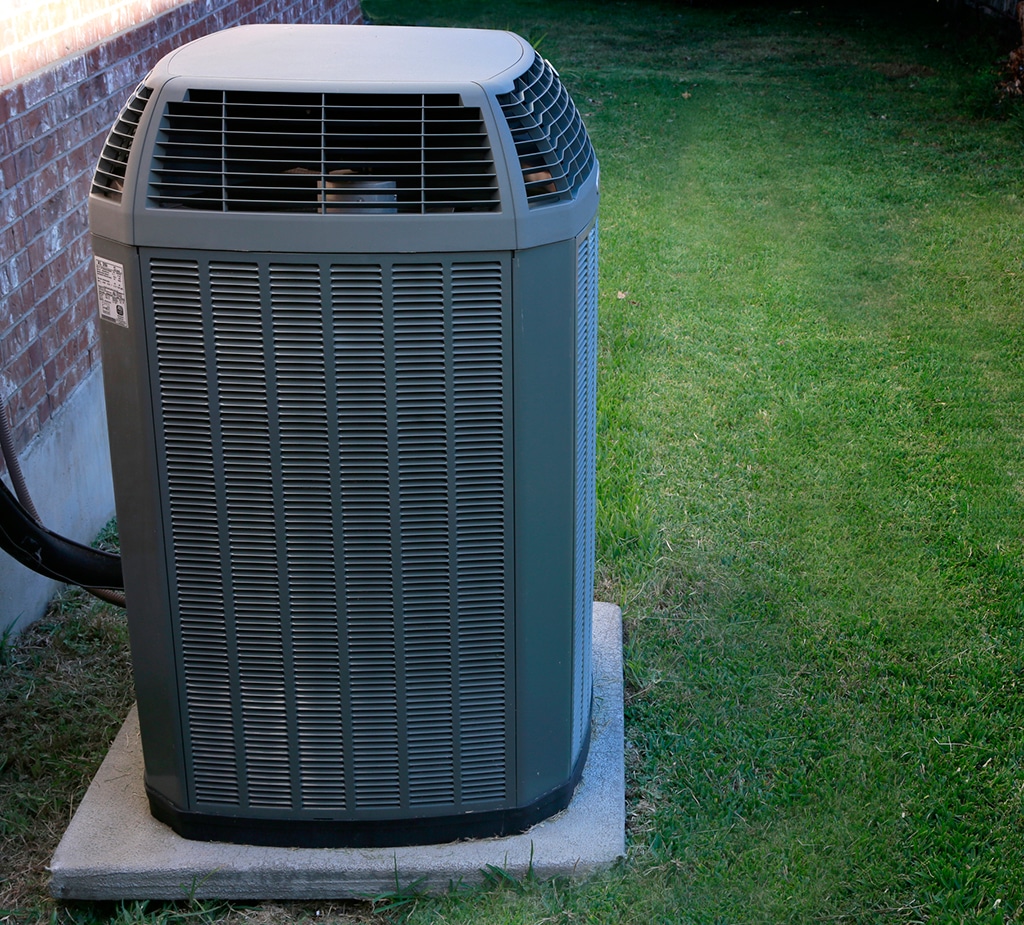
Effective air conditioning in Katy, Texas, requires more than just a functional unit; it demands a system optimized for extreme humidity, fluctuating energy prices, and the latest federal efficiency standards. Residents must prioritize SEER2-compliant equipment, understand the recent industry-wide transition to A2L refrigerants, and implement rigorous preventative maintenance to survive the Gulf Coast’s punishing cooling season.
Katy, Texas, occupies a unique geographical and climatic space. Spanning Harris, Fort Bend, and Waller counties, the area is defined by a humid subtropical climate where the heat index frequently exceeds 100°F for several months of the year. For residents, air conditioning is not a luxury—it is a critical component of home safety and structural integrity. In 2026, the landscape of home cooling has evolved significantly due to technological advancements and regulatory shifts that have changed how systems are bought, installed, and maintained.
The Katy Climate Challenge: Heat vs. Humidity
The primary challenge for air conditioning in Katy is the dual burden of temperature and humidity. While "sensible heat" refers to the actual temperature shown on a thermometer, "latent heat" refers to the moisture content in the air. In the Greater Houston area, the latent heat load is exceptionally high.
An air conditioning system in Katy must perform two distinct tasks: lowering the air temperature and removing gallons of water from the indoor air every day. If a system is improperly sized—specifically, if it is too large—it will cool the home so quickly that it shuts off before it has the chance to dehumidify the air. This leads to a "cold and clammy" environment, which is a precursor to mold growth and wood rot in Texas homes. In 2026, high-efficiency variable-speed compressors have become the gold standard for Katy residents because they can run at lower speeds for longer periods, providing superior dehumidification compared to older single-stage models.
Understanding 2026 Efficiency Standards and SEER2
As of 2026, the HVAC industry has fully integrated the SEER2 (Seasonal Energy Efficiency Ratio 2) standards. These standards, which were updated by the Department of Energy, represent a more rigorous testing protocol that better reflects the actual external static pressure experienced by systems in the field.
For residents in the Southern region, including Texas, the minimum efficiency requirement for central air conditioning systems is 14.3 SEER2 (equivalent to the old 15 SEER). However, given the rising cost of electricity in the ERCOT (Electric Reliability Council of Texas) grid, many Katy homeowners are opting for systems rated at 18 SEER2 or higher. While the upfront cost is greater, the long-term savings on monthly utility bills are substantial, especially during the peak months of July and August when cooling systems run nearly 24/7.
The Refrigerant Transition: Moving Beyond R-410A
One of the most significant changes residents must navigate in 2026 is the completed transition away from R-410A refrigerant (often known by the brand name Puron). Following the mandates of the EPA's AIM Act, manufacturers have shifted to "mildly flammable" (A2L) refrigerants such as R-454B and R-32.
If you are replacing a system in 2026, your new unit will utilize these newer refrigerants. They are more environmentally friendly and offer better heat transfer properties, but they require specific installation techniques and sensors to ensure safety. For residents with older R-410A systems, maintenance is still possible, but the cost of reclaimed refrigerant continues to rise as the supply of virgin R-410A has been phased out. It is important to discuss with your technician whether a leak repair in an old unit is a sound investment or if the increasing cost of legacy refrigerant makes a full system replacement more economical.
System Selection: Choosing the Right Setup for Katy
When selecting a new air conditioner for a Katy home, there is no one-size-fits-all solution. The architectural diversity of the area—from historic homes in Old Town Katy to sprawling new builds in Cinco Ranch or Cane Island—means that ductwork and insulation levels vary wildly.
Central Air Conditioning
The most common choice remains the split-system central air conditioner. These are ideal for homes with existing ductwork. In 2026, multi-stage or variable-capacity units are highly recommended for the Texas climate. These systems can adjust their output in 1% increments, allowing them to match the cooling load of the house precisely.
Heat Pumps
In 2026, heat pumps have seen a massive surge in popularity across Texas. Modern cold-climate heat pumps are incredibly efficient at cooling and provide a more energy-efficient heating solution for the mild Texas winters than traditional electric furnaces. Federal tax credits under the Inflation Reduction Act continue to make heat pumps a financially attractive option for Katy residents looking to reduce their carbon footprint and energy spend.
Ductless Mini-Splits
For older homes in Katy that lack attic space for ducts, or for room additions and "man caves," ductless mini-splits offer a targeted solution. They provide zoned cooling, allowing you to keep a specific room at 72°F without paying to cool the entire house to that temperature.
Comparison of Common HVAC Systems in 2026
The following table provides a comparison of the primary cooling technologies available to Katy residents in 2026, focusing on their performance in high-humidity environments.
| System Type | Average Lifespan | Humidity Control Level | 2026 Relative Install Cost | Ideal Use Case |
|---|---|---|---|---|
| Single-Stage Central AC | 12–15 Years | Moderate | Lower | Budget-conscious replacements |
| Two-Stage Central AC | 15–18 Years | High | Moderate | Standard suburban homes |
| Variable-Speed AC | 15–20 Years | Exceptional | Higher | Maximum comfort and efficiency |
| Air Source Heat Pump | 15–18 Years | High | Moderate-High | All-electric homes/Sustainability |
| Ductless Mini-Split | 12–17 Years | High | Moderate per Zone | Additions/Homes without ducts |
Critical Maintenance for the Gulf Coast
Maintenance in Katy is not just about keeping the air cold; it is about preventing catastrophic system failure and indoor air quality issues. The high humidity promotes the growth of biological contaminants, and the heavy pollen counts in the spring can quickly clog outdoor condenser coils.
Condensate Drain Line Care
The number one cause of emergency AC service calls in Katy is a clogged condensate drain line. As the AC removes moisture from the air, that water must be drained away. Algae and sludge thrive in these warm, wet lines. Residents should ensure their systems are equipped with an "EZ Trap" or a float switch that automatically shuts the system off if the drain line clogs, preventing water from overflowing into the attic or through the ceiling.
Coil Cleaning
The outdoor condenser coil dissipates the heat removed from your home. In Katy, dust, grass clippings, and local flora can coat these coils, forcing the compressor to work harder and run hotter. Annual professional cleaning is necessary to maintain the lifespan of the compressor, which is the most expensive component of the system.
Filtration and Indoor Air Quality
Given the high humidity, air filtration is paramount. Using high-quality pleated filters (MERV 8 to MERV 11) helps trap allergens without overly restricting airflow. In 2026, many Katy residents also install whole-home dehumidifiers and UV lights within the HVAC system to kill mold spores and bacteria before they circulate through the home.
Local Regulations and Finding a Contractor
Katy residents must be aware that the city spans three counties, and local building codes can vary. Whether you live in the City of Katy proper or in the unincorporated areas of Harris or Fort Bend County, a permit is generally required for any HVAC system replacement. This ensures that the installation is inspected for safety and code compliance.
In Texas, all HVAC contractors must be licensed by the Texas Department of Licensing and Regulation (TDLR). Before hiring a technician, residents should:
- Verify the License: Ensure the contractor holds an active "Class A" or "Class B" air conditioning license.
- Check Insurance: Confirm the company carries general liability and workers' compensation insurance.
- Request a Manual J Calculation: A reputable contractor will not "guess" the size of the unit based on square footage. They will perform a Load Calculation (Manual J) to account for your home's windows, insulation, and orientation.
Cost Considerations and Energy Rebates
As of 2026, the average cost for a full central air conditioning replacement in the Katy area ranges from $8,000 to $16,000, depending on the size and efficiency rating of the system. While this is a significant investment, several financial offsets are available:
- Federal Tax Credits: Under Section 25C of the tax code, homeowners can claim up to 30% of the cost of high-efficiency equipment, capped at $2,000 annually for heat pumps.
- Utility Rebates: Companies like CenterPoint Energy often offer rebates for residents who install high-efficiency systems or smart thermostats.
- Manufacturer Incentives: Major brands frequently offer seasonal financing (0% APR) or instant rebates during the "shoulder seasons" (Spring and Fall).
Frequently Asked Questions
Why is my AC running but the house isn't getting cooler?
In Katy, this is often caused by a dirty evaporator coil or a refrigerant leak. However, it could also be a "frozen" coil. When airflow is restricted (due to a dirty filter) or refrigerant is low, the moisture on the coil turns to ice, blocking air from passing through. Turn the system off and call a professional; running a frozen system can destroy the compressor.
How often should I change my air filter in Katy?
During the peak summer months, filters should be checked every 30 days. If you have pets or high occupancy, a 1-inch pleated filter will likely need replacement every month. High-capacity 4-inch or 5-inch media filters may last 6 to 12 months, but their condition should still be monitored during the high-pollen spring season.
Is a "smart" thermostat worth it for a Katy home?
Yes, but with a caveat. Smart thermostats like Nest or Ecobee are excellent for managing energy use when you are away. However, in Katy's humidity, you should never set the "Away" temperature too high. If the indoor temperature rises above 80°F, the humidity levels can spike, leading to mold growth on furniture and walls. Most experts recommend a maximum "Away" setting of 78°F.
What is the average lifespan of an AC unit in Katy?
Due to the heavy workload and the corrosive effects of humidity, the average lifespan of an air conditioner in the Katy/Houston area is roughly 12 to 15 years. This is slightly shorter than the national average. Systems located near the coast (closer to the salt air) or those that are poorly maintained may fail in as little as 10 years.
Can I still get parts for an R-22 air conditioner?
By 2026, R-22 (Freon) systems are considered obsolete. While some mechanical parts may still be available, the R-22 refrigerant itself is extremely expensive and difficult to source. If an R-22 system develops a leak or a major component failure, a full system replacement is almost always the most cost-effective path.
Final Recommendation for Katy Residents
For residents in Katy, the best strategy for 2026 is a proactive one. If your current system is more than 12 years old, begin researching replacements before a mid-summer breakdown occurs. Prioritize a system with a variable-speed compressor and a high SEER2 rating to combat both the humidity and rising energy costs. Always verify a contractor's TDLR license and ensure they perform a proper load calculation to guarantee your new system is perfectly sized for your specific home.