Reaching the age of majority—typically 18 years old in most jurisdictions—marks a significant legal milestone that fundamentally alters how an individual interacts with the auto insurance market. Upon reaching this age, a person is legally empowered to enter into binding contracts, including the purchase of an auto insurance policy in their own name, independent of parental or guardian oversight. This transition shifts the responsibility for policy management, premium payments, and liability coverage from a parent to the young adult driver.
The Legal Framework: Age of Majority vs. Insurance Eligibility
In the United States, the age of majority is established at 18 in nearly every state. From a legal standpoint, this means an individual is recognized as an adult capable of signing a contract. Because an auto insurance policy is a legally binding agreement between the policyholder and the insurer, a minor (typically defined as anyone under 18) generally cannot sign for an insurance policy on their own.
However, it is crucial to distinguish between the legal age of majority and the "eligibility age" for insurance coverage. While an 18-year-old can legally sign a contract, insurance companies are private entities governed by risk-assessment models. Insurers are not required to offer a policy to every applicant. Consequently, while the law says an 18-year-old can own a policy, market conditions often make it prohibitively expensive or difficult for a young adult to secure affordable coverage without a co-signer or a multi-vehicle discount bundled with their parents' plan.
Contractual Capacity and Financial Responsibility
Once you reach the age of majority, the shift in financial responsibility is absolute. As a minor, you are usually listed as a "permissive user" or a "named driver" on a parent or guardian’s policy. In this arrangement, the parent remains the primary policyholder, meaning they are the individual responsible for premium payments, policy renewals, and the legal repercussions of claims.
At age 18, you transition to "primary policyholder" status if you choose to procure your own coverage. This means:
- Liability: You are the person held legally responsible for any damage or bodily injury caused while operating a vehicle.
- Premium Payments: The duty to ensure payments are made on time falls solely on you. A lapse in payment, even for a few days, can lead to immediate policy cancellation.
- Policy Management: You are responsible for reporting accidents, renewing the policy, and making any changes to the coverage limits or vehicle details.
Why Age 18 Often Leads to Higher Premiums
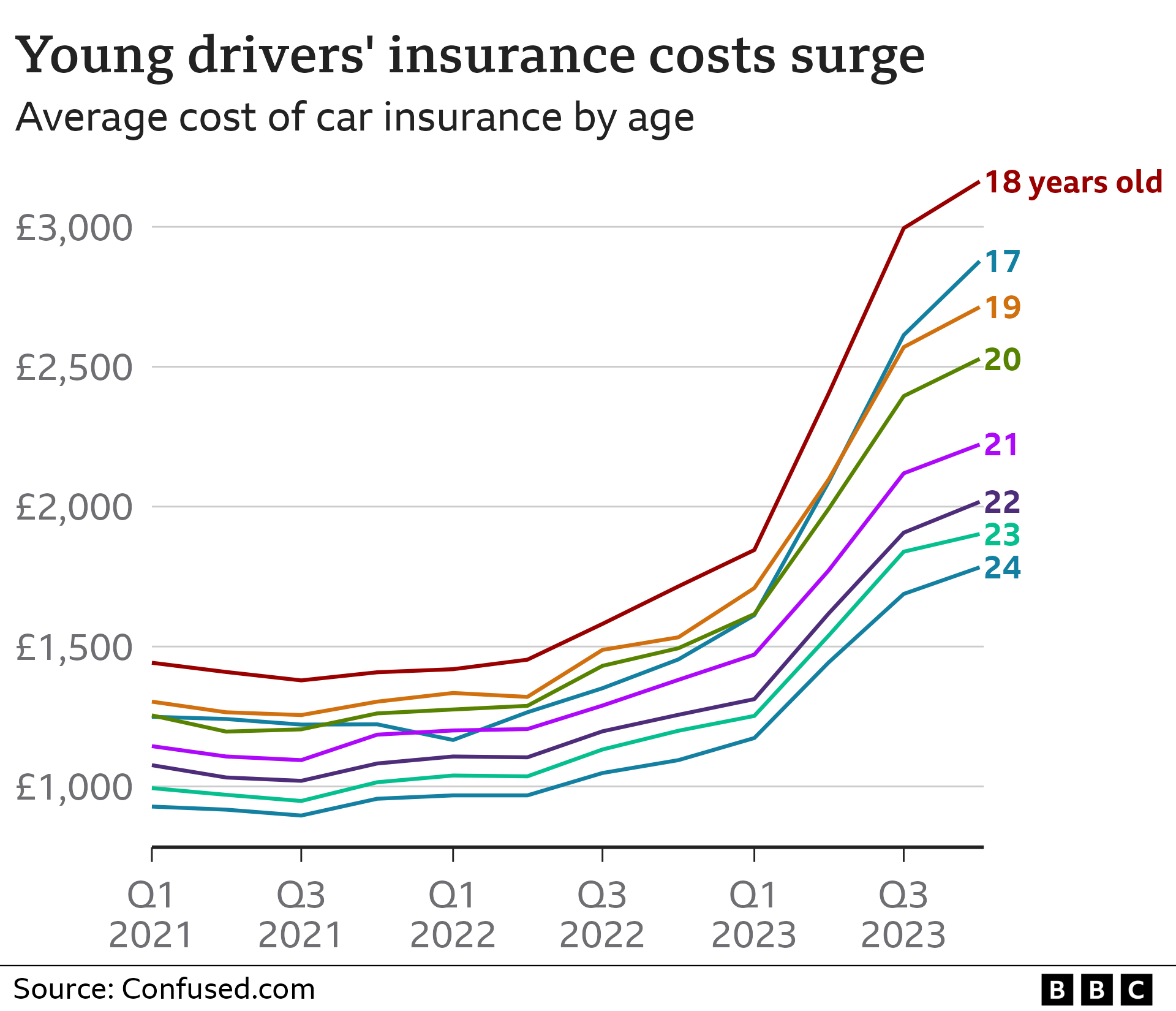
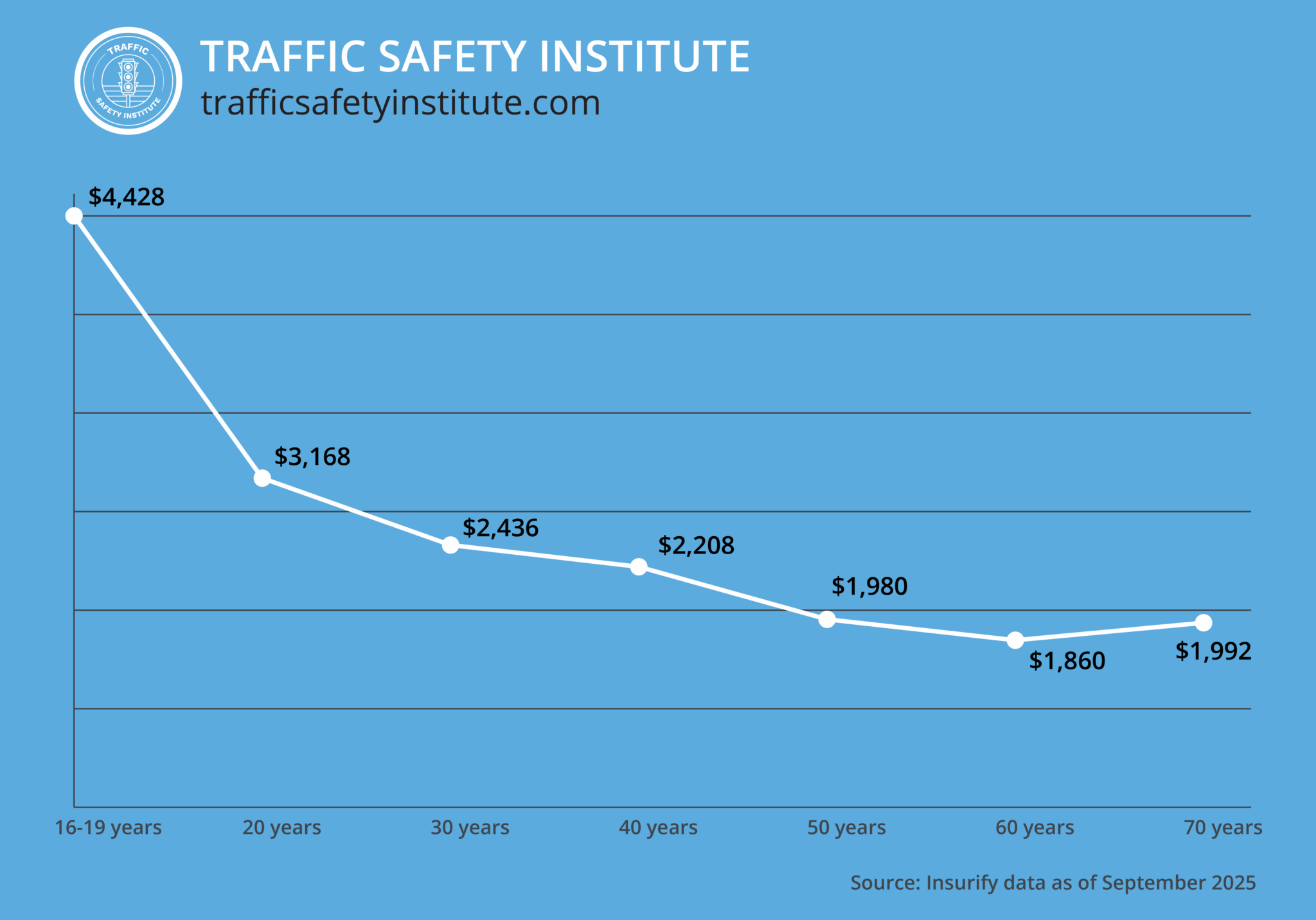
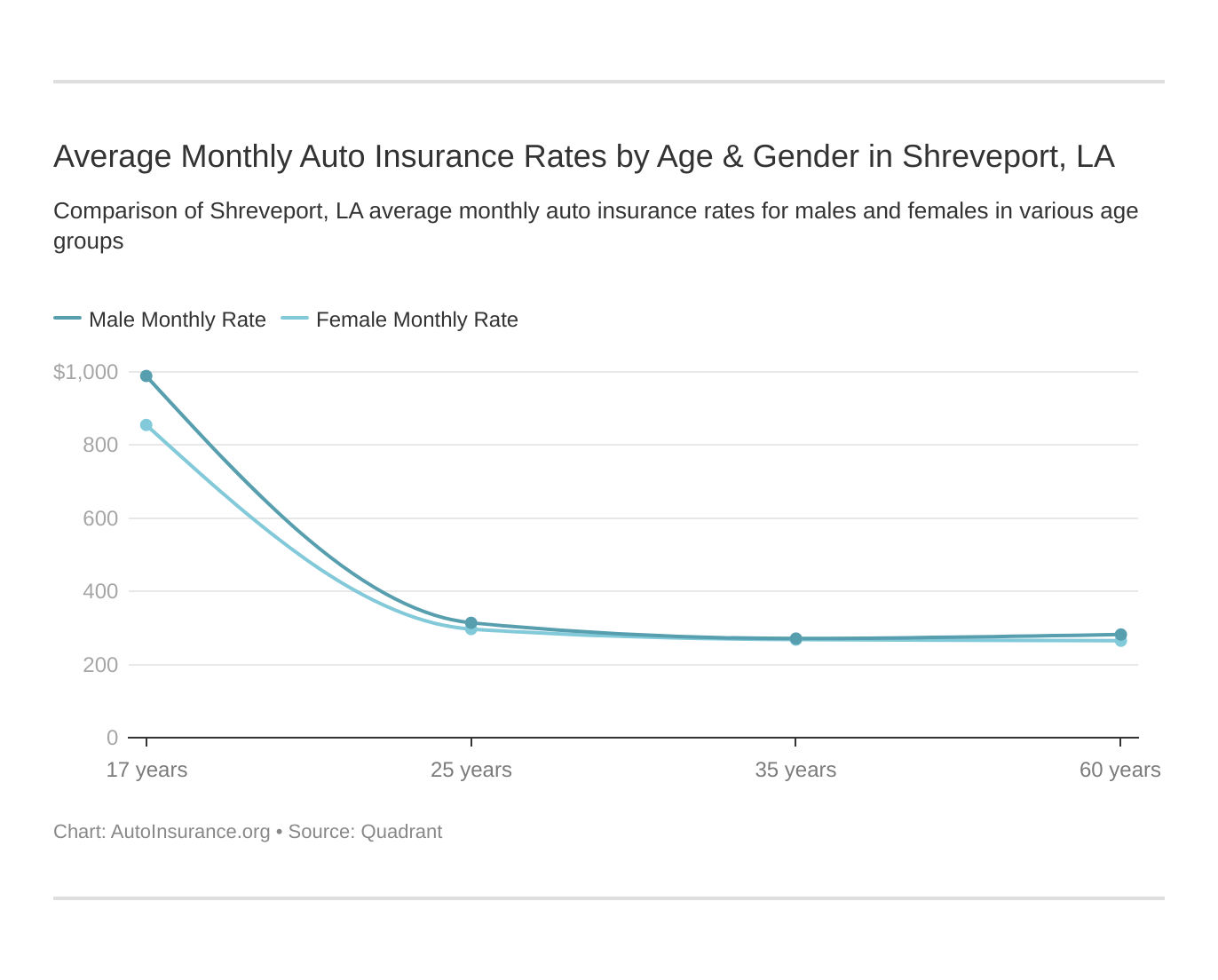
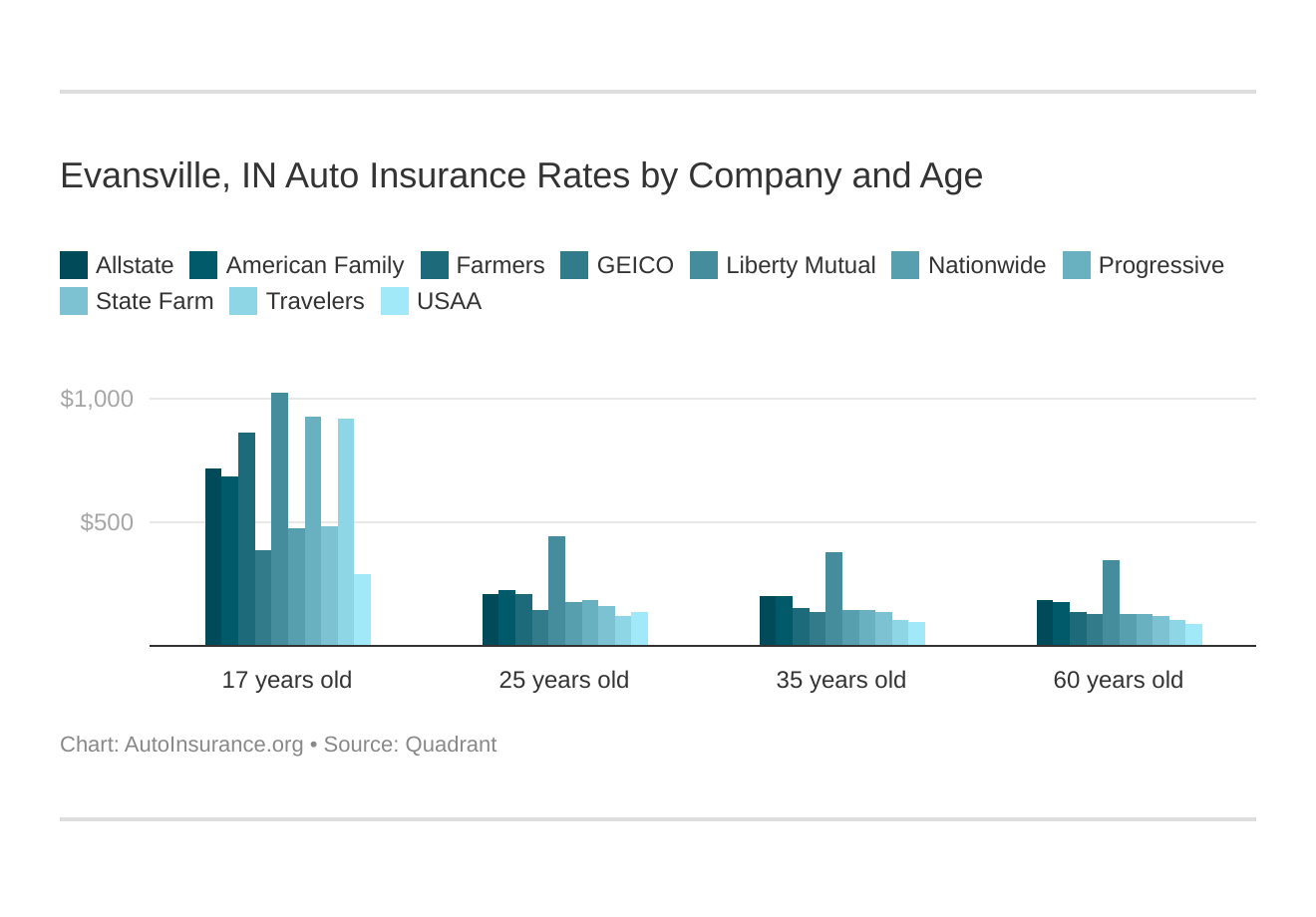
The correlation between age and insurance cost is rooted in actuarial science rather than personal discrimination. Data consistently shows that drivers between the ages of 16 and 20 have the highest rate of accidents per mile driven compared to any other age group.
When you reach the age of majority and choose to leave a parent’s policy to start your own, you are essentially starting a "blank slate" in the eyes of insurance companies. You lack the long-term history of claims-free driving that keeps premiums low for older adults. Furthermore, as an 18-year-old purchasing a solo policy, you do not benefit from the "multi-car" or "household" discounts that typically lower the overall cost of a family-shared policy.
Prerequisites for Obtaining Auto Insurance at 18
If you are planning to secure your own insurance, you must be prepared to meet specific prerequisites. Insurance companies require more than just a signature; they require proof of financial stability and legal documentation.
- Valid Driver’s License: You must possess a full, unrestricted driver’s license. A learner’s permit is insufficient for becoming the primary policyholder on a standalone policy.
- Vehicle Ownership/Registration: In most cases, the name on the insurance policy must match the name on the vehicle’s registration. You cannot typically insure a car that is legally titled in your parent’s name without their consent or a transfer of title.
- Proof of Financial Responsibility: Some states require you to prove you have the funds to cover premiums or the ability to pay the deductible in the event of a claim.
- Credit History: While 18-year-olds often have little to no credit history, some insurers utilize "insurance-based credit scores" to determine risk. A lack of history might result in a higher initial quote.
Comparison: Staying on a Parental Policy vs. Getting Your Own
Deciding when to move to your own policy is a pivotal financial decision. The following table outlines the primary differences in the status of a young driver based on their policy arrangement.
| Feature | Parental Policy | Individual Policy (at 18+) |
|---|---|---|
| Primary Policyholder | Parent/Guardian | Yourself |
| Legal Liability | Shared/Parental Responsibility | Personal Responsibility |
| Cost | Generally lower (group discounts) | Generally higher (individual risk) |
| Claims Impact | Affects the entire family's rates | Affects only your driving record |
| Flexibility | Limited to policyholder's choices | Full control over coverage types |
| Credit Requirement | Parent’s credit history | Your individual credit history |
Navigating the Challenges of Early Adulthood Coverage
For many young adults, the most significant obstacle is the "entry-level" price tag. Insurance companies view a newly minted adult policyholder as a high-risk individual. To mitigate these costs, experts suggest several strategies:
- Maintain Continuous Coverage: Even if you cannot afford your own policy immediately, avoid "gaps" in insurance. A history of continuous coverage—even as a named driver on a parent's policy—can work in your favor once you seek independent insurance.
- Safety Features: Ensure the vehicle you are insuring has modern safety features such as anti-lock brakes, airbags, and anti-theft systems. These can qualify you for specific discounts.
- Defensive Driving Courses: Many insurance providers offer premium discounts for drivers who complete a certified defensive driving course. These courses serve as a signal to the insurer that you are prioritizing safe driving habits.
- Choosing the Right Deductible: If you have the savings to cover a higher out-of-pocket cost in an accident, opting for a higher deductible can lower your monthly premium significantly.
Jurisdictional Variations and Legal Nuances
While the age of majority is 18 in the vast majority of the United States, there are minor exceptions. For example, in Alabama and Nebraska, the age of majority is 19. If you reside in one of these locations, you may face additional hurdles if you attempt to purchase a policy before reaching that age. In these states, you may be required to have a parent or guardian co-sign the insurance contract until you reach the legal age threshold.
Always verify the specific insurance regulations in your state via your state’s Department of Insurance website. These agencies provide official guidance on consumer rights, including the right to dispute denials of coverage and regulations regarding how insurers calculate age-based risk.
Common Mistakes to Avoid
Entering the auto insurance market for the first time is fraught with potential pitfalls. Avoid these common errors:
- Underinsuring: It is tempting to pick the lowest possible coverage limits to save money. However, if you are involved in a serious accident, the costs of property damage and medical bills can far exceed your savings, potentially leading to personal bankruptcy.
- Misrepresenting Your Residency: Some parents attempt to keep an adult child on their policy by claiming the child still lives at home when they have actually moved out. This is considered insurance fraud and can lead to policy rescission or claim denial when an accident occurs.
- Ignoring Uninsured/Underinsured Motorist Coverage: You cannot control the actions of other drivers. Protecting yourself against drivers who have no insurance or insufficient coverage is critical for a young, inexperienced driver.
Frequently Asked Questions (FAQ)
Can an 18-year-old be denied auto insurance? Yes. While you are legally eligible to sign a contract at 18, insurance companies are private businesses that can deny coverage based on their own risk assessment. Factors like a poor driving record, a high-performance vehicle, or a lack of credit history can lead to a denial.
Is it always cheaper to stay on a parent's policy? In most cases, yes. The "multi-car" and "bundled" discounts, combined with the parent’s long-standing driving history, typically result in lower premiums. However, if the young driver has a history of accidents or traffic violations, it might be more cost-effective to have the young driver on a separate policy to prevent those high risks from raising the entire family’s premiums.
What happens if I get into an accident on my own policy? If you are the policyholder, you are responsible for the claim. An at-fault accident will appear on your driving record and will likely increase your premiums at renewal time. Because you have less driving history, the "surcharge" for an accident can be significant.
Do I need full coverage at 18? "Full coverage" is not a legal term but rather a combination of liability, collision, and comprehensive insurance. If you have an auto loan, your lender will mandate full coverage. If you own the car outright, you are only legally required to carry the minimum liability coverage mandated by your state.
Does my GPA affect my insurance rates? Many insurance companies offer a "Good Student Discount." If you are a full-time student and maintain a high grade point average (usually a 3.0 or B average), you may qualify for a lower rate, as insurers consider this a indicator of responsibility.
Next Steps for the New Policyholder
If you are approaching the age of majority and are considering purchasing your own auto insurance, start by comparing quotes from at least three different reputable providers. Do not rely solely on the price; compare the actual coverage limits, the deductible amounts, and the financial strength of the company.
Once you have received quotes, contact a licensed insurance agent to discuss your specific needs. Ask about "disappearing deductibles," student discounts, and any programs available for young drivers to improve their risk profile. By taking a proactive, informed approach, you can navigate the transition to independent auto insurance with confidence and fiscal prudence.