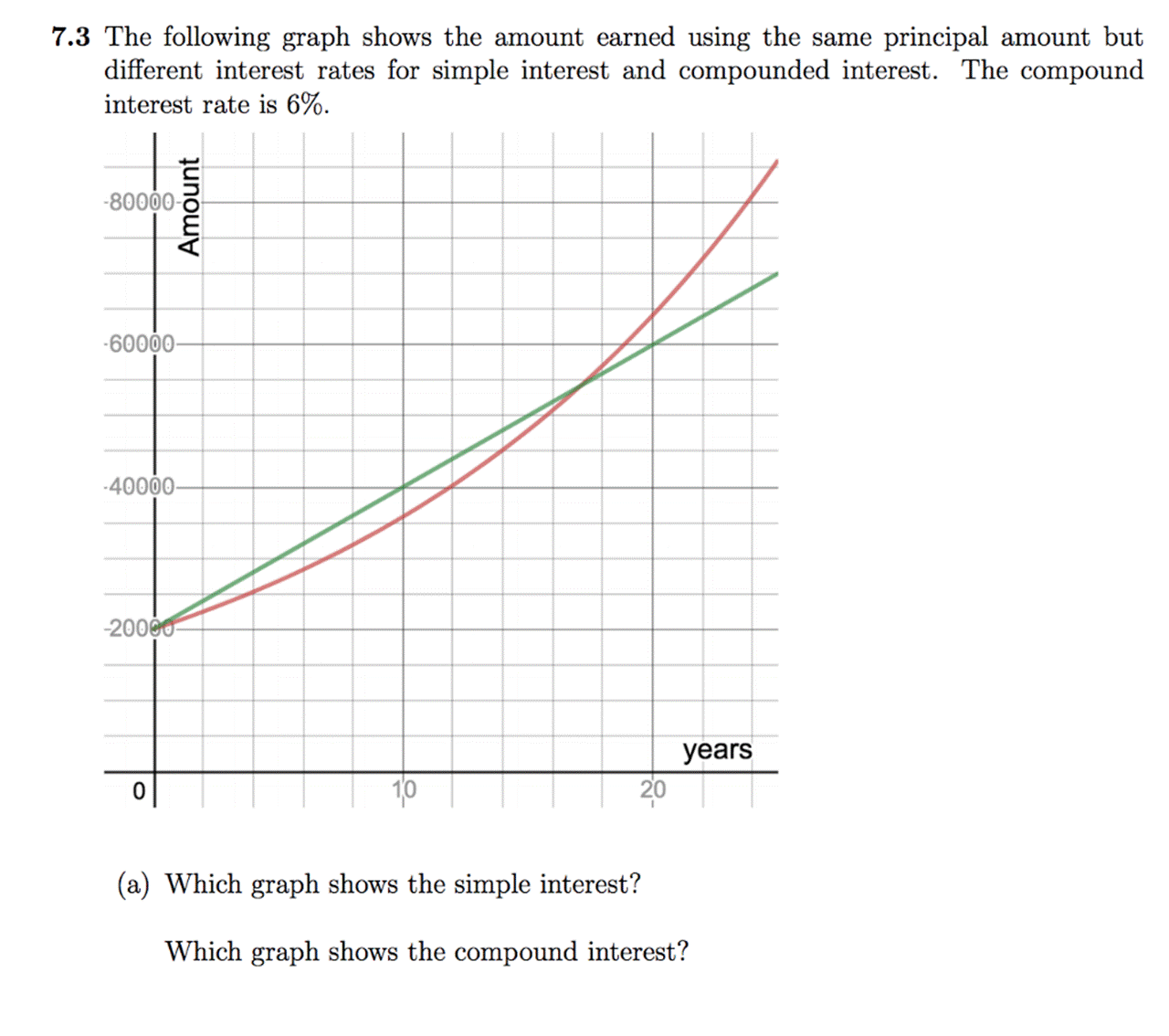
The amount of interest earned represents the total financial return generated by depositing money in a savings vehicle, holding a fixed-income asset, or extending credit over a specific duration. This financial figure is determined by the principal balance, the interest rate, the compounding frequency, and the length of time the funds remain invested or borrowed.
Introduction to Interest and Earning Mechanics
Navigating personal finance, managing corporate accounts, or evaluating fixed-income investments requires a clear understanding of how the amount of interest earned is calculated. At its core, interest is the cost of borrowing money or the financial reward for lending money to a financial institution, government, or corporation. When individuals deposit cash into a high-yield savings account, purchase certificates of deposit (CDs), or buy Treasury bonds, they are effectively lending money. In return, the issuer pays a percentage of the principal balance over time.
Ambiguity often arises when individuals confuse the nominal interest rate with the actual return generated. While the interest rate sets the baseline, the final amount of interest earned depends heavily on whether the calculation uses simple or compound interest, how frequently compounding occurs, and whether any taxes or fees apply to the account.
Core Factors Influencing Your Interest Earnings
Four primary variables dictate the exact amount of interest earned on any given financial product. Analyzing each factor helps account holders project their returns accurately and select financial instruments that align with their wealth-building goals.
1. Principal Balance
The principal is the initial sum of money deposited, invested, or loaned. All interest calculations scale directly with this figure. A higher principal balance yields a greater absolute return for any given interest rate and time period. For example, a 5% annual return on a $1,000 principal yields $50, whereas the same rate on a $10,000 principal yields $500.
2. Interest Rate (APR and APY)
The interest rate determines the velocity at which earnings accumulate. When evaluating financial accounts, consumers must distinguish between the Annual Percentage Rate (APR) and the Annual Percentage Yield (APY):
- APR: The annual rate charged for borrowing or earned through an investment, expressed as a single percentage number that represents the actual yearly cost of funds over the term of a loan or investment. It does not typically account for compound interest within the year.
- APY: A normalized representation of an annual rate of interest, accounting for the effects of compounding frequency. Because APY factors in compound interest—where interest earns interest—it represents the true total amount of interest earned over a 365-day period.
3. Compounding Frequency
Compounding is the process where interest is added to the principal sum of a deposit or loan, so that the added interest also earns interest during subsequent periods. The frequency of compounding—whether daily, monthly, quarterly, or annually—directly affects the final amount of interest earned. More frequent compounding intervals result in a higher effective yield over time.
4. Time Horizon
The duration that funds remain in an interest-bearing account dictates the cumulative growth curve. Because of the exponential nature of compound interest, earnings accelerate as time progresses. The longer the time horizon, the more pronounced the difference between simple and compound interest calculations becomes.
Mathematical Formulas: Simple vs. Compound Interest
To project financial returns accurately, savers and investors rely on two foundational mathematical formulas. Choosing the correct formula depends entirely on the terms governing the financial product.
Simple Interest Formula
Simple interest is calculated exclusively on the original principal amount. It is commonly applied to short-term loans, certain municipal bonds, and specific types of savings instruments.
$$\text{Interest} = P \times r \times t$$
- $P$ = Principal amount (initial balance)
- $r$ = Annual interest rate (expressed as a decimal)
- $t$ = Time period (in years)
For example, depositing $5,000 at a simple interest rate of 4% for 3 years yields: $$\text{Interest} = $5,000 \times 0.04 \times 3 = $600$$
Compound Interest Formula
Compound interest calculates earnings on the initial principal plus all previously accumulated interest. Most modern savings accounts, money market accounts, and certificates of deposit utilize compound interest.
$$A = P \left(1 + \frac{r}{n}\right)^{nt}$$
- $A$ = Final amount of money accumulated, including interest.
- $P$ = Principal amount.
- $r$ = Annual interest rate (decimal).
- $n$ = Number of compounding periods per year (e.g., 12 for monthly, 365 for daily).
- $t$ = Time the money is invested for in years.
To find the exact amount of interest earned, subtract the principal from the final amount: $$\text{Total Interest Earned} = A - P$$
Comparison of Common Interest-Bearing Accounts
Different financial products offer distinct structures for generating interest. The table below compares the primary vehicles used by consumers to earn interest on cash assets.
| Account Type | Typical Compounding Frequency | Access/Liquidity | Risk Level | Primary Benefit |
|---|---|---|---|---|
| Traditional Savings | Monthly or Daily | High (Regulation D limits may apply) | Very Low (FDIC insured up to limits) | Easy access for emergency funds |
| High-Yield Savings Account (HYSA) | Daily | High | Very Low (FDIC/NCUA insured) | Significantly higher APY than traditional accounts |
| Certificate of Deposit (CD) | Monthly or Daily | Low (Penalties for early withdrawal) | Very Low (FDIC/NCUA insured) | Locks in a fixed interest rate for a set term |
| Money Market Account (MMA) | Daily | High (Check-writing and debit card access) | Very Low (FDIC/NCUA insured) | Combines savings yields with checking flexibility |
| Treasury Bills (T-Bills) | At maturity | Fixed terms (4, 8, 13, 26, or 52 weeks) | Extremely Low (Backed by U.S. government) | State and local tax exemptions on earnings |
Step-by-Step Guide to Calculating and Verifying Interest Earned
Accurately tracking and verifying the amount of interest earned ensures that financial institutions credit accounts correctly and helps individuals plan for tax obligations. Follow these procedural steps to calculate and verify earnings:
- Gather Account Statements: Locate your monthly or annual account statements, which detail the opening balance, deposits, withdrawals, and total interest credited for the period.
- Identify the Compounding Rules: Review the account agreement to determine whether interest compounds daily, monthly, or annually, and note the current APY.
- Isolate the Period: Define the exact start and end dates for the calculation window (e.g., January 1 through March 31).
- Apply the Formula or Review the Ledger: For automated accounts, cross-reference the institution's reported interest with the compound interest formula using your average daily balance.
- Account for Fees and Withdrawals: Remember that withdrawals reduce the principal balance, which subsequently lowers the amount of interest earned for the remainder of that compounding period.
Tax Implications and Reporting Requirements
The amount of interest earned is generally considered taxable income by revenue agencies such as the U.S. Internal Revenue Service (IRS). Understanding tax obligations prevents unexpected liabilities at the end of the fiscal year.
- Form 1099-INT: Financial institutions issue a Form 1099-INT to account holders who earn $10 or more in interest during a calendar year. This form outlines the total taxable interest earned.
- Tax-Advantaged Accounts: Interest earned within tax-deferred or tax-exempt accounts—such as Traditional IRAs, Roth IRAs, or municipal bonds—may be shielded from immediate taxation, depending on federal and state guidelines.
- Professional Consultation: Tax laws regarding investment income vary by jurisdiction and individual financial standing. Account holders should consult a certified tax professional or review current IRS guidelines to ensure compliance with reporting thresholds.
Common Mistakes When Calculating Interest
When evaluating or projecting earnings, individuals frequently encounter pitfalls that lead to inaccurate financial forecasts:
- Confusing APR with APY: Assuming an account pays out the flat APR rather than the higher, compounded APY, leading to understated return projections.
- Ignoring Withdrawals: Calculating interest based on the initial opening balance without accounting for mid-period withdrawals that reduce the principal.
- Overlooking Fee Impacts: Failing to factor in monthly maintenance fees or account charges that can erode a significant portion of the interest earned on smaller balances.
- Assuming Linear Growth: Treating compound interest as a simple linear function rather than recognizing its exponential acceleration over longer time horizons.
Frequently Asked Questions
How is the amount of interest earned taxed?
Interest earned from standard savings accounts, HYSAs, CDs, and corporate bonds is typically taxed as ordinary income at your marginal federal and state income tax rates. Financial institutions report this income on Form 1099-INT if the total exceeds $10 in a calendar year.
Why does daily compounding yield more than annual compounding?
Daily compounding calculates and adds interest to your principal 365 times a year instead of just once. Because that newly added interest begins earning its own interest immediately, your money grows faster over the course of the year compared to annual compounding.
Does withdrawing money mid-month affect my interest earnings?
Yes. Most financial institutions calculate interest daily based on the end-of-day collected balance. Withdrawing funds midway through a month reduces your principal balance for the remaining days, lowering the total amount of interest credited at the end of the compounding period.
What is the difference between a high-yield savings account and a certificate of deposit?
A high-yield savings account offers variable interest rates and high liquidity, allowing you to deposit and withdraw funds freely. A certificate of deposit (CD) locks in a fixed interest rate for a specific term (e.g., 6 months, 1 year, 5 years), assessing an early withdrawal penalty if you access the funds before the term expires.
How can I maximize the amount of interest earned on my cash?
To maximize earnings, look for accounts offering competitive APYs without excessive monthly fees, utilize compound interest vehicles like HYSAs or no-penalty CDs, maintain a higher principal balance, and minimize unnecessary cash withdrawals that reduce your earning foundation.
Conclusion and Next Actions
Evaluating the amount of interest earned requires an understanding of principal balances, compounding frequencies, and applicable tax rules. To optimize your financial returns, review your current cash accounts, compare prevailing APYs across reputable institutions, and select products that match your liquidity needs and time horizons. Periodically audit your statements against institutional disclosures to verify that interest credits match expected mathematical outcomes.