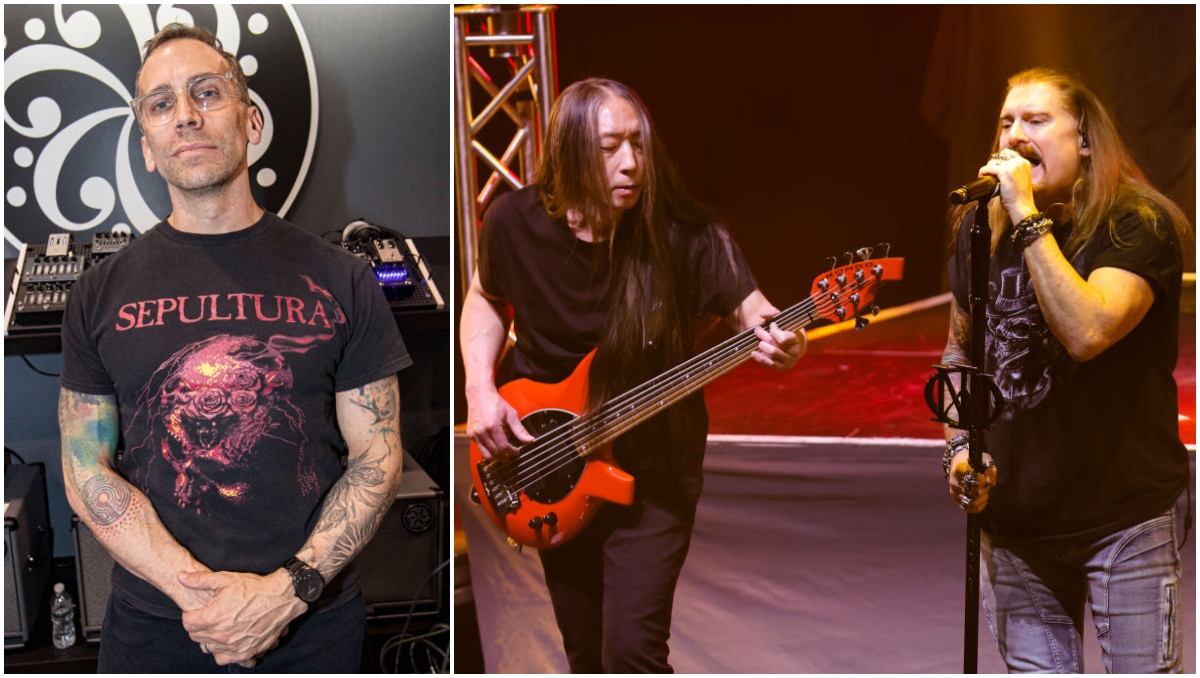
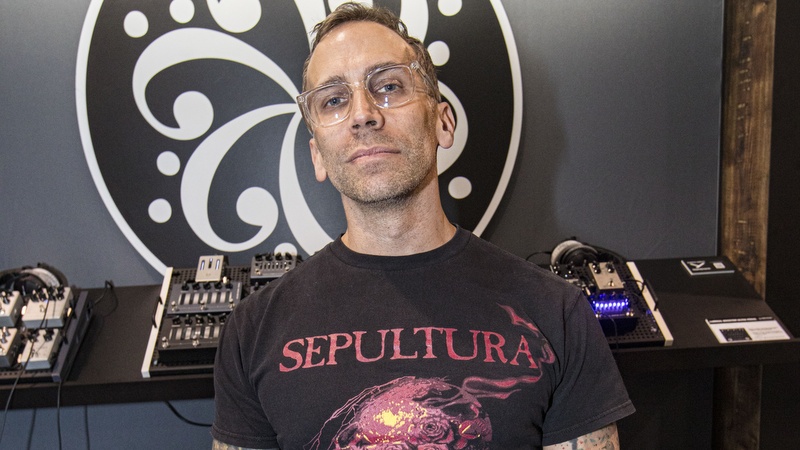
Amos Heller is the long-time bassist, synth bassist, and backing vocalist for Taylor Swift’s live touring band. Having joined Swift’s ensemble in 2007, Heller has performed on every major world tour from the Fearless Tour through The Eras Tour, anchoring the rhythm section across country, pop, rock, and synth-driven arrangements.
Who Is Amos Heller? Early Life and Musical Roots
Amos Heller grew up in Virginia, where he developed a deep passion for music at an early age. Before becoming a fixture in high-profile stadium tours, Heller spent years honing his craft through rigorous practice, local band performances, and freelance gigging. His formal and self-directed study encompassed a wide range of musical genres, including classic rock, funk, jazz, fusion, and country. This diverse foundation allowed him to develop exceptional technique, flawless timing, and an intuitive sense of tone that would later prove essential in complex arena and stadium productions.
Moving to Nashville, Tennessee, opened doors to the competitive world of session work and touring accompaniment. Nashville’s musical ecosystem demands versatility, rapid sight-reading, dynamic control, and professional adaptability. Prior to joining Taylor Swift’s backing group, Heller worked with various established country and pop artists, including Josh Gracin, Rhett Akins, and Thomas Rhett, while also participating in high-visibility live performances with acts such as the Dixie Chicks (now The Chicks). These early professional experiences gave him a command of both acoustic-driven country grooves and heavy-hitting rock basslines, preparing him for the demands of international touring.
Joining Taylor Swift’s Band: The Genesis of "The Agency"
Amos Heller officially joined Taylor Swift’s live ensemble in 2007, during the promotional cycle supporting her self-titled debut album and the pre-production phases for Fearless. At the time, Swift was transitioning from opening act on major country tours to a headlining artist capable of filling arenas. Heller was brought in to establish a permanent, reliable low-end foundation for the band, which fans and media would affectionately come to know as "The Agency."
- 2007: Joins Band
- Fearless Tour
- Speak Now Tour
- Red Tour
- 1989 Tour
- Reputation Tour
- The Eras Tour
The formation of The Agency marked a turning point in Swift’s live production strategy. Rather than relying on a revolving door of hired session players, Swift assembled a cohesive unit of musicians—including guitarist Paul Sidoti, multi-instrumentalist Mike Meadows, fiddle player Caitlin Evanson, and drummer Al Wilson—who shared strong chemistry both on and off stage. Heller quickly became a central figure in this dynamic. His ability to deliver consistent live performances while contributing high-register backing vocal harmonies made him indispensable to the group’s sound as the venues expanded from theaters to full-scale stadiums.
Tour by Tour: Amos Heller’s Evolution Across Swift’s Discography
Over nearly two decades on the road, Heller has adapted his musical approach to reflect the distinct stylistic shifts in Swift's discography. Each era brought unique challenges in tone, instrumentation, and stage performance.
1. The Fearless Tour (2009–2010)
During the Fearless Tour, Heller’s playing centered on classic country-rock basslines. Utilizing traditional four-string electric basses, his focus was on maintaining a driving, melodic low end that complimented acoustic guitars, banjos, and fiddles. Songs like "You Belong With Me" and "Forever & Always" required precise, mid-focused bass tones that could cut through heavy guitar arrangements without muddying the venue’s sound mix.
2. The Speak Now World Tour (2011–2012)
The Speak Now World Tour elevated the visual and theatrical scale of the performances. Musically, the setlist leaned heavier into pop-rock, theatrical balladry, and intricate acoustic arrangements. Heller incorporated upright double bass for acoustic segments, adding warmth and organic texture to songs such as "Mean." His stage movement and energy became a key component of the show's theatrical presentation.
3. The Red Tour (2013–2014)
Red represented a hybrid era, bridging traditional country-pop with electronic production and dubstep-influenced drops. On tracks like "I Knew You Were Trouble," Heller transitioned between traditional electric bass fingerstyle and synth-assisted low-end lines. This tour marked the beginning of his dual role as an electric bassist and synthesizer operator on stage.
4. The 1989 World Tour (2015)
With Swift’s formal pivot to full-scale pop on 1989, the band’s sonic requirements changed dramatically. Heller embraced analog and digital synth bass rigs, using keyboard controllers and foot pedals to recreate the polished, 1980s-inspired synth-wave basslines of tracks like "Style," "Blank Space," and "Shake It Off." Balancing pedal-board navigation with active stage choreography required a significant evolution in his performance style.
5. The Reputation Stadium Tour (2018)
The Reputation tour featured heavy, sub-bass-heavy electronic arrangements tailored for massive outdoor stadiums. Heller’s rig was heavily integrated with MIDI triggers, Moog synthesizers, and processed electric bass tones to deliver seismic low-frequency audio across venue floors. Tracks like "...Ready for It?" and "Did Something Bad" relied heavily on his precise execution of synthesized sub-bass lines.
6. The Eras Tour (2023–2024)
As a career-spanning retrospective, The Eras Tour required Heller to master over three hours of music covering more than ten distinct album eras every night. Across a 40+ song setlist, Heller continuously swapped between vintage electric basses, modern active instruments, upright double bass, and synthesizer modules. His versatility ensured that early country tracks retained their original acoustic warmth while modern pop and indie-folk tracks (Folklore and Evermore) sounded authentic to their studio recordings.
Bass Technique, Instrumentation, and Gear Setup
Achieving consistent, high-fidelity sound in arenas and open-air stadiums requires meticulous instrument selection, signal routing, and processing. Heller’s rig has evolved to handle both traditional analog tones and modern digital synthesis.
- Bass Guitar / Upright / Moog Synth
- Pedalboard / Signal Split
- Direct Out (Clean DI)
- FX/Drive (Helix / Darkglass)
- Front of House (FOH) Mix
Electric Basses
Heller relies primarily on classic, time-tested electric bass designs known for their tonal balance and reliability:
- Fender Precision Bass: Used extensively for classic, warm, mid-heavy tones that lock in naturally with the kick drum on pop and country tracks.
- Fender Jazz Bass: Favored for tracks requiring greater tonal versatility, punchy bridge-pickup cut, and articulate slap or fingerstyle lines.
- Music Man & Custom Instruments: Utilized for modern rock and high-output pop tracks needing aggressive mid-range punch and active EQ control.
Upright and Acoustic Basses
For intimate acoustic sets, acoustic stages, and the folk-inspired arrangements of the Folklore and Evermore eras, Heller plays traditional upright double bass. This adds a rich, woody low end that complements acoustic guitars and pianos without cluttering the frequency spectrum.
Synthesizer Bass Rigs
To replicate modern studio production live, Heller operates dedicated bass synth setups:
- Moog Synthesizers (e.g., Sub 37, Taurus Pedals): Essential for generating thick, analog sub-bass frequencies on pop hits from 1989, Reputation, and Midnights.
- MIDI Keyboards & Controllers: Integrated into his stage station, allowing him to trigger layered synth tones while switching seamlessly back to electric bass.
Signal Processing and Amplification
To maintain crystal-clear audio in large spaces, Heller’s signal is typically split between high-end Direct Injection (DI) boxes (such as Avalon U5 or custom tube DIs) and digital modeling processors (like the Line 6 Helix or Neural DSP Quad Cortex). Tone shaping includes subtle compression to smooth out dynamic swings, light saturation or overdrive for rock sections, and high-pass filtering to prevent sub-bass frequencies from muddying the stadium mix.
Key Members of Taylor Swift's Live Touring Band
Taylor Swift’s live sound relies on a stable core of veteran musicians who have performed together for years. The table below outlines key members of her touring line-up and their primary roles:
| Musician | Primary Role / Instruments | Years Active in Band | Key Tour Contributions |
|---|---|---|---|
| Amos Heller | Bass Guitar, Synth Bass, Upright Bass, Backing Vocals | 2007–Present | Fearless through The Eras Tour |
| Paul Sidoti | Lead Guitar, Acoustic Guitar, Backing Vocals | 2007–Present | Fearless through The Eras Tour |
| Mike Meadows | Rhythm Guitar, Keyboards, Keytar, Harmonica, Vocals | 2009–Present | Speak Now through The Eras Tour |
| Matt Billingslea | Drums, Percussion, Trigger Pads | 2012–Present | Red through The Eras Tour |
| David Cook | Musical Director, Keyboards, Piano | 2011–Present | Speak Now through The Eras Tour |
| Max Bernstein | Guitars, Pedal Steel, Synthesizers | 2018–Present | Reputation through The Eras Tour |
| Karina DePiano | Keyboards, Synthesizers, Backing Vocals | 2023–Present | The Eras Tour |
The Role of a Stadium Bassist: Rhythm, Harmony, and Stage Dynamics
Playing bass in a stadium pop production involves far more than simply executing the notes on a chart. As the primary low-frequency provider, the bassist acts as the bridge between the harmonic elements (guitars, keys, vocals) and the rhythmic elements (drums and percussion).
- Harmonic Layer: Vocals, Keys, Guitars
- (Harmonic Grounding)
- AMOS HELLER (BASS)
- (Rhythmic Lock)
- Rhythmic Layer: Drums & Percussion
Locking with the Drums
Heller’s partnership with drum virtuoso Matt Billingslea (and previously Al Wilson) forms the rhythmic core of Swift’s live show. In large venues, sound travels slowly and reverberates off stadium walls. If the bass and kick drum are not perfectly synchronized, the low end becomes muddy and indistinct. Heller’s precise timing ensures that every beat hits with maximum punch and clarity.
Backing Vocal Contributions
In addition to his instrumental duties, Heller provides crucial backing vocal harmonies. Swift's live arrangements frequently layer complex vocal harmonies to replicate multi-tracked studio recordings. Heller’s ability to sing precise pitch intervals while playing intricate basslines or operating foot controllers is a testament to his high level of musicianship.
Stage Presence and Energy
A major aspect of Swift's live shows is visual engagement. Heller is known for his energetic stage movement, interactive chemistry with fellow bandmates like Paul Sidoti and Mike Meadows, and seamless crowd interaction. His enthusiastic presence helps maintain high energy levels throughout multi-hour marathon performances.
Frequently Asked Questions
How long has Amos Heller been playing bass for Taylor Swift?
Amos Heller joined Taylor Swift's live backing band in 2007. He has served as her primary touring bassist for nearly two decades, performing on every major world tour from the Fearless Tour to The Eras Tour.
Does Amos Heller play synth bass or upright bass live?
Yes, Heller plays electric bass guitar, upright double bass, and electronic synth bass. He switches between these instruments depending on the stylistic demands of each song, using upright bass for acoustic tracks and synthesizers for pop and electronic numbers.
What other artists has Amos Heller performed with?
Before and alongside his tenure with Taylor Swift, Heller performed and recorded with numerous artists, particularly in the country and pop genres. His resume includes work with Josh Gracin, Rhett Akins, Thomas Rhett, and live appearances with acts like the Dixie Chicks (now The Chicks).
Is Amos Heller still in Taylor Swift's band during The Eras Tour?
Yes, Amos Heller served as the core bassist throughout The Eras Tour, performing every night across the extensive multi-hour setlist that spans Swift's entire discography.
What instruments does Amos Heller play besides bass guitar?
In addition to four-string and five-string electric bass guitars, Heller plays upright double bass, keyboard synthesizers (such as Moog units), foot pedal synthesizers, and provides live backing vocals.
Practical Takeaways for Aspiring Musicians
Amos Heller’s career offers valuable lessons for bassists and touring musicians aiming to work at the highest levels of the music industry:
- Prioritize Versatility: Master multiple styles—from organic country fingerstyle to synth bass programming and upright acoustic technique.
- Develop Vocal Abilities: Being able to sing clean, accurate backing harmonies significantly increases a musician's value on tour.
- Focus on Tone and Serving the Song: In large venues, clear, solid note choices are far more effective than fast, overly complex playing.
- Maintain Physical and Professional Reliability: Performing three-plus hours of high-energy music night after night requires physical endurance, discipline, and consistent gear maintenance.