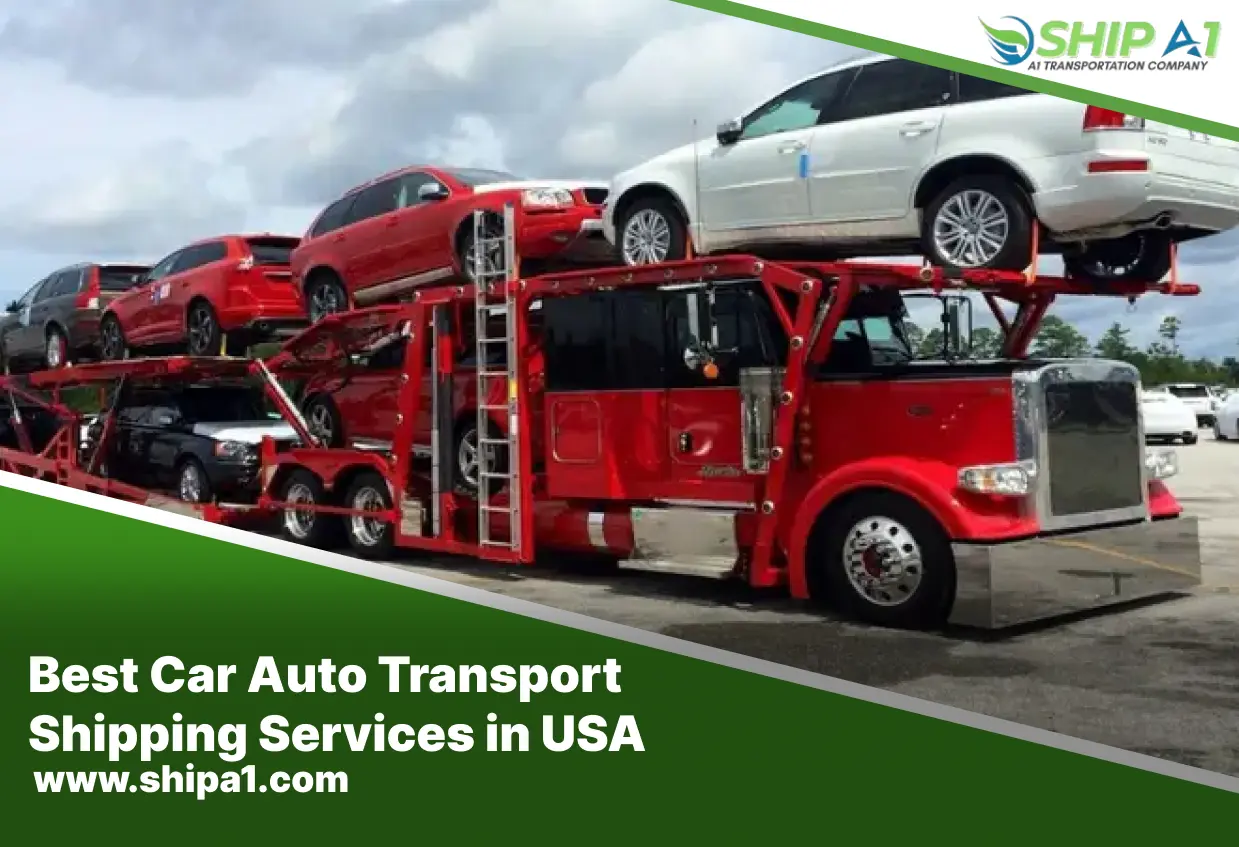
The most affordable auto transportation option for long-distance moves is open-carrier shipping, particularly when paired with terminal-to-terminal drop-off and pickup. Alternative budget-friendly options include rail transport on select geographic corridors or renting a car tow dolly for self-towing over short distances. Flexible shipping windows, advance booking, and thorough price comparisons further maximize cost reductions across all shipping methods.
Evaluating Primary Auto Transportation Methods
Transporting a vehicle across country or between states involves evaluating trade-offs among price, delivery speed, convenience, and vehicle protection. Understanding how each transportation method operates helps vehicle owners balance cost minimization against transit safety.
- Vehicle Transportation Options
- Professional Transport
- Open Multi-Car Trucking
- Terminal-to-Terminal Shipping
- Rail Transport (e.g. Amtrak)
- DIY / Other
- Self-Towing (Tow Dolly)
- Drive-Away Services
- Enclosed Carrier (Premium)
- Professional Transport
Open-Air Carrier Transport
Open-carrier shipping is the workhorse of the vehicle logistics industry, handling over 90% of all non-commercial auto moves. These multi-level, open-frame trailers typically carry between 7 and 10 vehicles simultaneously.
Because fuel costs, highway tolls, and driver labor are distributed across multiple vehicles, open transport delivers the lowest base rate per vehicle for long-distance highway hauls.
- Pros: Highly accessible, lowest freight cost per vehicle, widespread route availability.
- Cons: Vehicles remain exposed to road debris, weather elements, and atmospheric grime during transit.
- Best For: Daily drivers, standard sedans, used cars, and budget-conscious consumers.
Terminal-to-Terminal Shipping vs. Door-to-Door Service
In a terminal-to-terminal arrangement, the car owner drops the vehicle off at a designated regional freight storage hub and retrieves it from a similar terminal near the final destination. This setup saves the carrier from navigating narrow residential streets, maneuvering tight turns, or managing urban traffic delays.
- Cost Savings: Terminal shipping typically costs 10% to 20% less than door-to-door delivery.
- Operational Risk: If a vehicle remains at a terminal past the designated grace period (usually 24 to 48 hours), storage yards charge daily holding fees that can quickly erode initial savings.
- Door-to-Door Alternative: While door-to-door shipping costs more, the driver picks up and drops off the car as close to the designated addresses as legally and safely permissible.
Rail Auto Transport
Transporting passenger vehicles by train is one of the most fuel-efficient ways to move a car long-distance, though service availability is restricted by railroad networks.
- Amtrak Auto Train: Operates exclusively between Lorton, Virginia (near Washington, D.C.) and Sanford, Florida (near Orlando). Passengers travel on the train alongside their vehicles, making it an economical option for East Coast travel. More information on routes and booking conditions is available directly on the official Amtrak Auto Train portal.
- Freight Rail Services: Commercial Class I railroads (such as Union Pacific or CSX) move large volumes of vehicles for automakers. However, individual consumers rarely book directly with freight rail companies; access usually requires specialized auto-shipping brokers who aggregate consumer loads.
DIY Towing and Drive-Away Services
For regional moves under 500 miles, self-towing or hiring a driver presents viable alternatives to commercial freight carriers:
- Tow Dolly or Flatbed Trailer Rental: Equipment rental companies offer tow dollies (which elevate the front drive wheels) or full car trailers that attach to a hitch-equipped rental truck or personal SUV. This option eliminates carrier fees, though it adds fuel costs and strain on the towing vehicle.
- Drive-Away Services: A contracted individual drives your vehicle to the destination. Professional drive-away companies perform background checks and carry insurance, whereas casual options (such as hiring a college student) lower upfront costs. However, drive-away options add vehicle mileage, wear, and driver expenses (fuel, lodging, meals).
Comparing Affordable Auto Transportation Options
The decision matrix below compares standard shipping options across core metrics, helping vehicle owners weigh potential risks against cost benefits.
| Transport Method | Average Cost Per Mile (Long Distance) | Estimated Transit Speed | Vehicle Protection Level | Primary Cost Advantage |
|---|---|---|---|---|
| Open Transport (Door-to-Door) | $0.60 – $1.10 | Moderate (300–500 miles/day) | Moderate (Exposed to weather) | High availability and competitive bidding among carriers |
| Open Transport (Terminal-to-Terminal) | $0.50 – $0.90 | Variable (Depends on hub schedules) | Moderate (Exposed; terminal yard storage) | Lowest professional carrier rate; removes localized driver labor |
| Rail Transport (Passenger/Auto Train) | Fixed route pricing ($250–$800+) | Fast (Direct rail schedule) | High (Enclosed train cars) | Cost-effective for East Coast corridors; includes passenger transport |
| DIY Tow Dolly Rental | Equipment flat rate + Extra Fuel | User controlled | Low (Exposed; tire wear on rear axle) | Eliminates third-party logistics markup on short-to-mid distances |
| Drive-Away Service | Driver fee + Fuel + Travel Expenses | Fast (Direct driving) | Low-Moderate (Adds road mileage and mechanical wear) | No specialized loading equipment required; fast point-to-point delivery |
| Enclosed Transport (Baseline comparison) | $1.25 – $2.00+ | Moderate | Maximum (Climate/weather protected) | Not budget-focused; reserved for classic, exotic, or high-value cars |
Navigating Brokers, Carriers, and Regulatory Compliance
Understanding how the auto transport industry operates helps consumers avoid predatory pricing traps, hidden fees, and fraudulent logistics operators.
Auto Transport Booking Pipeline:
- Customer
- Auto Transport Broker
- National Dispatch Board
- Independent Motor Carrier Truck
- Inspection / BOL
- Delivery Point
Auto Transport Brokers vs. Direct Motor Carriers
Most consumers initially contact an auto transport broker rather than an independent truck operator.
- Brokers: Act as logistics intermediaries. They list shipping requests on central dispatch boards (such as Central Dispatch) where independent truck drivers pick up loads to fill their trailers. Brokers earn a commission (typically $100 to $250) included in the total quote.
- Direct Carriers: Own and operate the physical transport trucks. Dealing directly with a motor carrier can eliminate the broker's middleman fee, but direct carriers often operate along fixed, highly specific routes and rarely maintain consumer-facing sales operations.
Regulatory Verification and Licensing
Before booking with any transport entity, verify their registration and safety records through official regulatory databases. In the United States, legitimate interstate car haulers and logistics brokers must hold active operating authority from the Federal Motor Carrier Safety Administration (FMCSA).
Consumers should request the company’s USDOT Number or MC (Motor Carrier) Number and verify it directly via the FMCSA SAFER System database.
Verification Checklist:
- Active USDOT and MC Numbers
- Property/Freight Broker Authority Status
- Minimum Cargo Insurance Coverage ($100k+ recommended)
- No excessive safety violations or out-of-service orders
- Broker Authority: Brokers must hold active Broker Authority and maintain a $75,000 surety bond (Form BMC-84) to protect customer deposits.
- Carrier Cargo Insurance: Motor carriers must carry valid liability and cargo insurance policies. Ask for a copy of the carrier's Certificate of Insurance (COI) listing their cargo policy limits (typically $100,000 to $250,000 per load).
Key Variables Driving Car Shipping Rates
Auto transport pricing is dynamic and fluctuates based on several core logistical variables. Identifying these factors helps vehicle owners adjust their plans to secure lower rates.
Cost Drivers in Auto Shipping:
- Distance & Route: Highway vs. Rural Access
- Vehicle Weight: Gross Weight & Dimensions (SUV vs Sedan)
- Operational Status: Operable vs. Non-Running (Winch Fees)
- Seasonal Timing: Snowbird Shifts & Summer Peak Volume
- Fuel Surcharges: Diesel Price Fluctuations
Mileage and Route Popularity
Per-mile rates decrease as transport distance increases, even though total shipping costs rise. For instance, shipping a vehicle 2,500 miles across country might cost $0.60 per mile, while a 400-mile regional shipment could cost $1.15 per mile due to fixed loading and unloading overhead.
Major interstate lanes (such as Interstate 90, Interstate 10, or Interstate 95) carry high truck volume, creating price competition among carriers that drives customer rates down. Conversely, routes into remote, rural areas require drivers to detour from profitable freight lanes, resulting in higher fees.
Vehicle Dimensions, Curb Weight, and Operational Status
Carriers are subject to strict gross vehicle weight ratings (GVWR) under federal law. Consequently, heavy vehicles incur higher shipping costs:
- Compact Sedans: Require less deck space and weigh less, making them the cheapest to ship.
- Full-Size SUVs and Heavy-Duty Trucks: Occupy the physical space of 1.5 standard sedans and add significant weight, triggering size surcharges ranging from $150 to $400.
- Inoperable Vehicles: Vehicles that cannot start or steer require specialized equipment—such as winches, rollbacks, or forklifts—to load onto the trailer. Inoperable vehicle fees typically add $150 to $300 to standard transport rates.
Seasonal Demand Waves
Auto transport pricing experiences predictable seasonal price spikes:
- The Snowbird Migration (Autumn and Spring): Rates rise along northbound routes in spring and southbound routes in autumn (particularly along the US East Coast and Midwest-to-Southwest routes) due to retirees moving vehicles seasonally.
- Summer Peak Move Season (June–August): High demand from household moves increases broker quotes nationwide.
- Winter Off-Peak (January–February): Outside of snowbird routes, mid-winter months generally offer the lowest base transport rates, though severe weather delays can occur.
Actionable Strategies to Lower Your Auto Transport Rate
Applying targeted logistics tactics allows vehicle owners to significantly reduce total auto transport expenses without compromising carrier safety or insurance protection.
- Schedule 2-4 Weeks Ahead
- Allow Flexible Pick-Up Window (3-5 Days)
- Strip Vehicle (Lighten Fuel to 1/4 Tank)
- Select Open-Carrier / Terminal Hubs
- Secure Pre-Shipment Inspection & BOL
1. Book Two to Four Weeks in Advance
Emergency or expedited auto transport commands premium pricing, often adding 30% to 50% to base rates. Scheduling shipment two to four weeks in advance gives brokers time to post the load on dispatch networks, encouraging carriers to bid competitively on the route.
2. Maintain Flexible Date Windows
Rigid pick-up dates force brokers to pay premium rates to secure an immediate carrier. Specifying a 3-to-5-day window for pickup allows carriers to slot your car into an existing route schedule at standard market rates.
3. Minimize Vehicle Curb Weight
Extra weight inside the vehicle increases fuel consumption and risks exceeding trailer axle limits.
- Keep the gas tank around 1/4 full. This leaves enough fuel for loading and unloading while reducing vehicle weight by 50 to 80 pounds compared to a full tank.
- Remove aftermarket equipment, heavy accessories, roof racks, and personal belongings.
4. Beware of Lowball Quotes and Deposit Scams
A common industry trap involves upfront "lowball" estimates. Unscrupulous brokers quote an artificially low price to collect an advance administrative fee, only to leave the vehicle listed on dispatch boards where no driver will accept the job at that rate.
After days of delay, the broker demands more money to secure a truck.
- Avoid companies that require non-refundable upfront deposits before a carrier has been formally assigned to the route.
- Collect 3 to 5 quotes to determine the true market rate for your corridor.
Essential Inspection and Risk Management Protocols
Managing insurance verification and vehicle inspections properly prevents unexpected expenses if a car is damaged during transport.
The Bill of Lading (BOL)
The Bill of Lading (BOL) serves as the official legal contract, receipt, and condition report between the vehicle owner and the freight carrier.
Bill of Lading (BOL) Process:
- Origin Inspection:
- Driver and customer document existing dents, scratches, and chips.
- Both parties sign pre-trip evaluation.
- Transit:
- Vehicle moved under primary Carrier Cargo Insurance.
- Destination Inspection:
- Re-examine vehicle before signing off.
- Document NEW damage directly on BOL prior to releasing payment.
- Pre-Shipment Inspection: Wash the vehicle thoroughly before pickup so existing scratches, dents, and paint chips are clearly visible. Walk around the vehicle with the delivery driver, note every flaw on the BOL, and take date-stamped photos and videos of all exterior panels, glass, and wheels.
- Delivery Inspection: Upon delivery, re-inspect the vehicle before signing the final BOL or paying the remaining balance. Compare the vehicle's condition directly against the initial BOL notes.
Handling Damage Claims and Legal Frameworks
Interstate auto shipping liability is governed primarily by federal law under the Carmack Amendment (49 U.S.C. § 14706), which establishes carrier liability for goods damaged during interstate transit.
- Filing Exceptions: If you discover new damage upon delivery, note it directly on the Bill of Lading before the driver leaves. Signing a clean BOL without noting damage severely undermines subsequent claims.
- Claim Submission: Contact both the transport broker and the carrier's cargo insurance provider immediately. Submit the initial BOL, the delivery BOL, repair estimates from certified body shops, and pre/post-shipment photos.
Disclaimer: This guide provides logistical analysis and operational information for educational purposes. For complex legal disputes involving high-value freight claims or insurance coverage litigation, consult a licensed legal professional specializing in transportation law.
Frequently Asked Questions
What is the absolute cheapest way to ship a car across the country?
The absolute cheapest professional method is open-carrier shipping using terminal-to-terminal delivery booked two to four weeks in advance with flexible pickup dates. For specific regional runs, such as the US East Coast, passenger rail options like the Amtrak Auto Train offer highly competitive rates. If you are already renting a moving truck for a self-move, towing the car yourself using a rental tow dolly is often the lowest-cost alternative overall.
Is terminal-to-terminal shipping safe for my vehicle?
Terminal-to-terminal shipping is structurally safe, but it exposes the vehicle to additional physical handling and storage risks compared to direct door-to-door transit. Vehicles sit in regional storage yards alongside other freight, making them subject to local weather conditions and potential yard movements. To minimize risk, verify that the storage facility is gated and monitored, and retrieve the vehicle within 24 hours to avoid daily storage fees.
Can I pack personal items inside my vehicle to save on moving costs?
Packing personal items in a transported car is generally discouraged and restricted by logistics regulations. The FMCSA limits carriers from operating as general household goods movers unless specifically licensed. Most carriers allow up to 100 pounds of personal items secured below the window line in the trunk or rear cargo area, but these items are not covered by the carrier’s cargo insurance. Heavy items also add weight, which can lead to overweight vehicle surcharges.
How far in advance should I book auto transport to get the best price?
Booking two to four weeks before your target pickup date yields the best rates. This advance window allows brokers to post your shipment on national dispatch networks, where carriers compete for loads along their scheduled routes. Last-minute bookings within 48 to 72 hours usually require expedited dispatch fees, increasing base costs by 30% or more.
What happens if my car is damaged during open-carrier transport?
If damage occurs, document the new defects directly on the Bill of Lading before signing it upon delivery. Take detailed photos while the driver is present. File a formal claim directly with the motor carrier's cargo insurance provider, using the signed origin and destination BOL documents along with pre-shipment photos as primary evidence under Carmack Amendment guidelines.
Strategic Action Plan for Cost-Effective Transport
To secure the most affordable auto transportation option for your situation, follow this step-by-step decision plan:
- Define Your Timeline and Flexibility: Establish a 3-to-5-day window for vehicle pickup at least three weeks before your move date.
- Select the Right Shipping Method: Choose open-carrier transport unless your vehicle is a high-value classic or non-running vehicle requiring specialized equipment. Evaluate terminal-to-terminal delivery if you live near major metropolitan logistics hubs.
- Obtain and Audit Multiple Quotes: Collect quotes from at least three licensed brokers or direct carriers. Reject abnormally low quotes that require non-refundable upfront deposits.
- Verify Carrier Authority: Cross-reference USDOT and MC numbers using the official FMCSA SAFER database to confirm active liability and cargo insurance policies.
- Prepare the Vehicle: Wash the car, remove personal items, keep the gas tank at 1/4 full, and conduct a joint inspection with the driver to document baseline condition on the Bill of Lading.