When you apply for life insurance through an employer-sponsored plan, you may encounter the requirement of "Evidence of Insurability" (EOI). This is a formal assessment process used by insurance carriers like Aetna to verify the health and risk profile of an applicant. EOI is typically requested when an individual seeks coverage amounts that exceed the "guaranteed issue" limit provided by their employer, or when they enroll outside of the standard initial eligibility period. Understanding this process is vital to ensuring that your coverage application is processed accurately and that you are adequately protected according to your financial needs.
What Is Evidence of Insurability (EOI)?
Evidence of Insurability is essentially a medical underwriting process. While many group life insurance plans offer a specific amount of coverage that requires no health questions—known as "guaranteed issue"—Aetna and other insurers set limits on this baseline. When you decide to apply for more than this guaranteed amount, or if you wait until a later date to enroll in the plan, the insurer needs to assess the risk they are taking on by insuring you.
The purpose of EOI is to maintain the financial stability of the insurance pool. By requiring proof of good health for higher coverage amounts, insurers prevent "adverse selection," which occurs when only individuals who already have known health issues seek high levels of coverage. EOI ensures that the premiums collected remain commensurate with the statistical risk of the entire group.
Why Aetna Requests EOI for Your Life Insurance
Aetna generally triggers an EOI request for specific, administrative reasons rather than random selection. Recognizing why your specific application triggered this request can help you prepare the necessary documentation.
1. Exceeding Guaranteed Issue Limits
Most employer-provided life insurance policies have a "guaranteed issue" ceiling. This is the maximum amount of insurance you can obtain simply by being an active employee. If you choose to increase your coverage—for example, moving from a standard 1x salary benefit to 3x or 4x salary—the portion that exceeds the guaranteed amount becomes subject to underwriting. Aetna requires EOI for that "excess" portion to determine if the additional risk is acceptable under their underwriting guidelines for the year 2026.
2. Late Enrollment
When you are first hired, you are typically granted an initial window to enroll in life insurance without medical questions. If you decline this coverage and later decide you want it, you are considered a "late enrollee." Because you did not join during the initial window, Aetna reserves the right to request EOI to prevent individuals from signing up only when they anticipate a medical need for life insurance coverage.
3. Voluntary Increases
During annual open enrollment periods, employees are often allowed to increase their voluntary life insurance elections. If a requested increase pushes your total coverage amount above the pre-approved threshold, you will be required to submit EOI forms.
The Components of the EOI Process
The Evidence of Insurability process is structured to be as efficient as possible, but it does require transparency regarding your health history. In 2026, most EOI applications are submitted through secure digital portals or standardized forms provided by Aetna.
- Health Questionnaire: This is the foundational document. You will be asked questions regarding your medical history, including past surgeries, chronic conditions, prescriptions you currently take, and significant hospitalizations.
- Medical Records Review: Depending on the information provided in the questionnaire, Aetna may request access to your medical records from your primary care physician to verify the details you submitted.
- Physical Examinations (If Necessary): For very high coverage amounts, or if your health history reveals specific concerns, Aetna may require a paramedical exam. This is usually conducted by a third-party service provider and may include blood pressure readings, cholesterol checks, or other standard biometric screenings.
Determining Your Coverage Status
Once you have submitted the required information, Aetna’s underwriting department reviews your file. There are generally three possible outcomes following the EOI submission:
| Outcome | Description |
|---|---|
| Approved | The health evidence provided meets Aetna’s requirements, and the requested coverage amount is granted at the standard rate. |
| Declined | The evidence indicates a level of risk that the insurer is not willing to cover at this time, or for the requested amount. |
| Modified/Rated | Coverage is approved, but the insurer may require a higher premium or offer a lower benefit amount due to the assessed risk factors. |
It is important to note that if you are declined for the excess portion of your life insurance, you will generally retain the original "guaranteed issue" amount that you were entitled to without medical underwriting. Your existing life insurance coverage remains in force unless you explicitly cancel it.
Common Misconceptions About EOI
Many employees feel intimidated by the term "Evidence of Insurability." However, it is a standard business practice and not a personal critique of your health. A common mistake is assuming that EOI is an automatic rejection if you have any pre-existing condition. In reality, Aetna’s underwriters look at the "big picture" of your health. Many people with controlled conditions, such as hypertension or asthma, are successfully approved for higher coverage amounts every day.
Another frequent error is failing to disclose information or providing incomplete records. Deliberately withholding medical facts can lead to the denial of a claim by beneficiaries later, as the insurer reserves the right to investigate the original application during the death benefit claim process. Transparency is the most effective way to navigate the EOI process successfully.
Preparing for the EOI Process
If you have been notified that you need to complete EOI, take the following steps to ensure a smooth process:
- Gather Records Early: Before you sit down to fill out the form, have a list of all your doctors, the dates of your last physical, and a list of all current medications, including dosages.
- Be Precise: If you are unsure about a specific date of a procedure, reach out to your provider’s office to confirm the exact timeline. Accuracy prevents delays in processing.
- Use Digital Submission: If your employer provides a link to an online portal, use it. Electronic forms are processed faster than paper submissions and often include validation checks that prevent you from accidentally skipping required fields.
- Follow Up: Once you submit your application, monitor your communication channels. Sometimes Aetna will request additional information or clarify a specific answer on your form. Responding promptly to these requests is the best way to speed up your approval.
Frequently Asked Questions
What happens if I don't submit my EOI form? If you do not submit your EOI by the deadline provided by your employer or the insurer, your application for the increased coverage will generally be canceled. You will remain covered only for the amount that did not require evidence of insurability.
Is the EOI process confidential? Yes. Your medical information is protected by federal laws, including the Health Insurance Portability and Accountability Act (HIPAA). Aetna uses this information solely for the purpose of underwriting your life insurance application.
How long does the approval process take? The timeline varies based on the completeness of your application and whether medical records or exams are required. It can take anywhere from a few business days to several weeks.
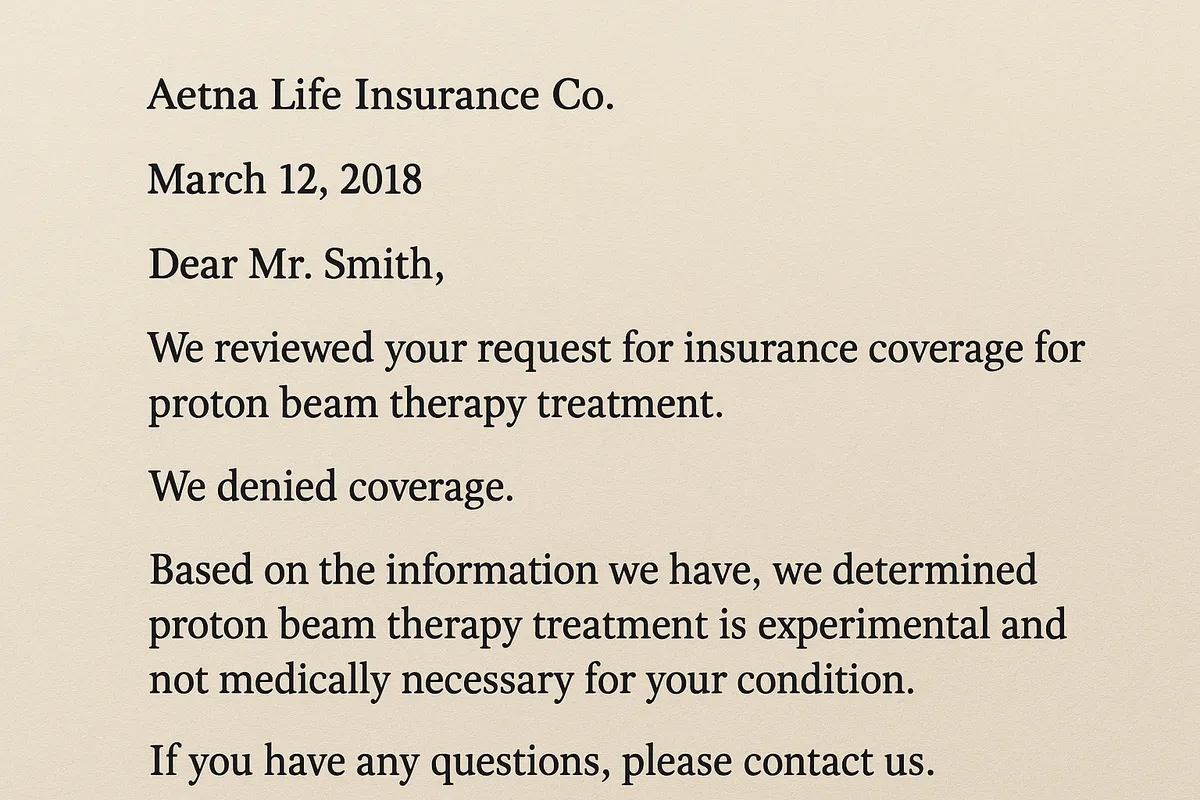
Can I appeal a denial? Yes. If your application for the additional insurance is denied, you generally have the right to request a reconsideration. You should check the denial letter for instructions on how to provide new or corrected information that might impact the underwriting decision.
Does EOI apply to my spouse or dependents? Yes. If your employer’s plan allows for supplemental life insurance for your spouse or dependents, those individuals may also be subject to EOI requirements if they elect coverage amounts above the guaranteed issue limit.
Conclusion and Next Steps
The Evidence of Insurability process is a manageable step in securing the financial protection you and your family require. Rather than viewing the request as an obstacle, treat it as a verification step necessary to obtain the full benefit of your employer’s group life insurance offerings.
If you are currently in the process of applying for additional life insurance through Aetna, locate your personalized notification or benefit portal today. Review the EOI requirements specific to your plan, gather your medical history documentation, and complete the questionnaire as soon as possible. By addressing this requirement proactively, you ensure that your intended coverage amount is activated without unnecessary administrative delays. If you require further clarification on your specific policy limits or the status of an active application, contact your company’s HR benefits administrator, who acts as the primary liaison between your group policy and the insurance carrier.