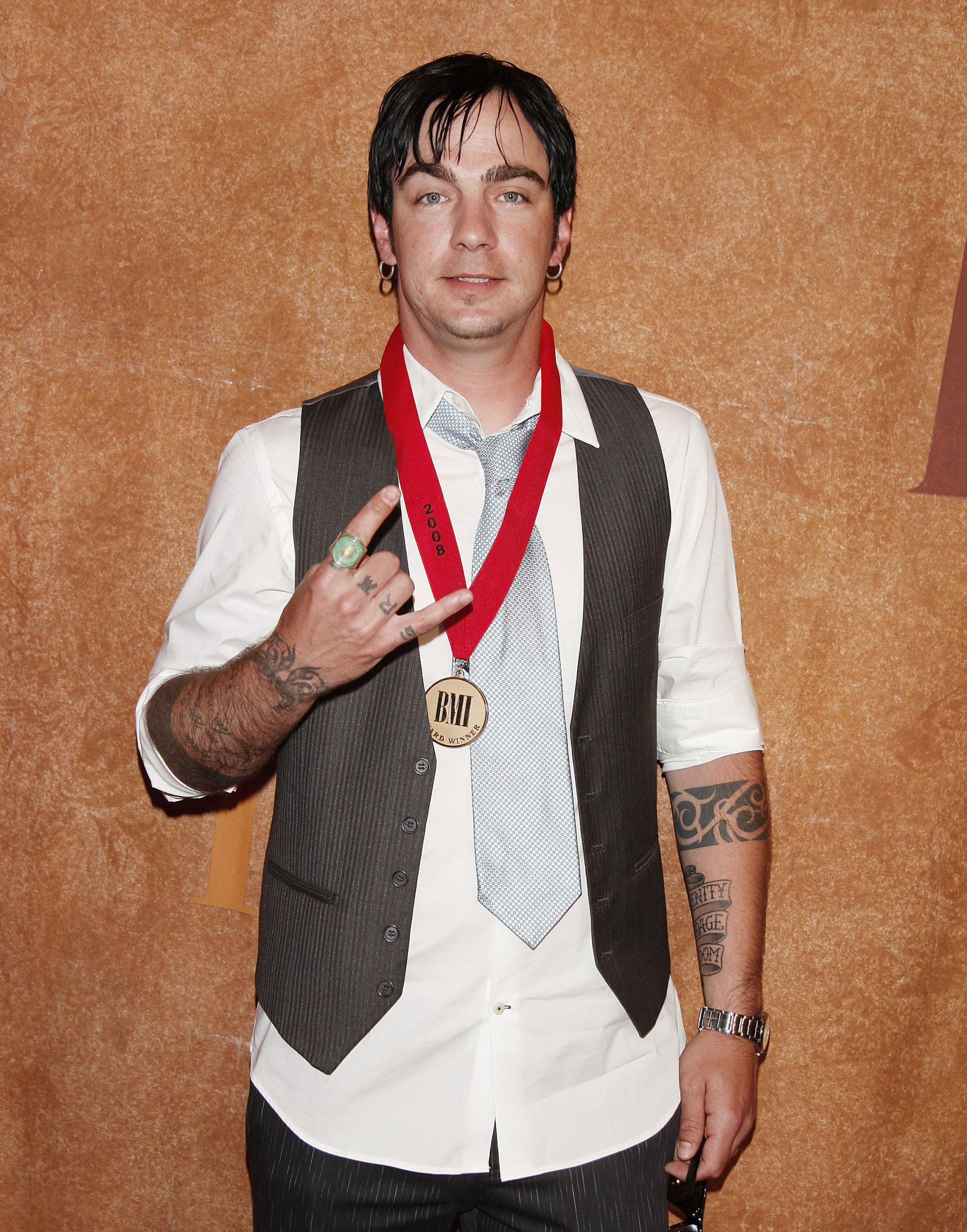
Adam Errington’s estimated net worth sits between $1 million and $3 million. As a prominent figure in professional wakeboarding for over two decades, Errington accumulated his wealth primarily through high-profile corporate sponsorships, signature equipment licensing contracts, contest prize purses across global tours, elite wakeboard coaching, and media production projects within the action sports industry.
Who Is Adam Errington? Career Background & Rise to Prominence
Adam Errington emerged as one of the defining talents of modern wakeboarding during the mid-2000s. Raised in Central Florida—the global epicenter of towed water sports—Errington developed an fluid, effortless riding style characterized by technical double-inverts, massive freeride air, and exceptional rail control. His early success on the amateur and junior pro circuits quickly attracted major industry sponsors, transitioning him into a full-fledged professional rider before reaching his twenties.
Throughout his active competitive career, Errington established himself as both a top-tier contestant on the World Wake Association (WWA) World Series and King of Wake tours and a dominant media rider. Unlike athletes who focus exclusively on traditional buoy-and-kicker competition, Errington earned widespread acclaim through video parts, international freeride tours, and photo features in publications like TransWorld Wakeboarding. This dual profile enhanced his commercial viability, allowing him to command multi-year retainer contracts from both action sports powerhouses and non-endemic global lifestyle brands.
Because private financial statements for action sports athletes are not public record, net worth valuations for professional wakeboarders are derived from documented sponsor retainers, competition purse distribution tables, retail equipment royalty structures, and verified business ventures.
Breakdown of Key Revenue Streams
A professional wakeboarder's income structure differs significantly from mainstream team-sports athletes who receive fixed league salaries. Action sports professionals operate as independent contractors whose total compensation depends on performance incentives, signature product sales, brand alignment, and entrepreneurial initiatives.
ADAM ERRINGTON REVENUE STREAMS
- Endorsement Contracts (Red Bull, Billabong, Ronix, etc.)
- Signature Product Licensing & Equipment Royalties
- Competition Purses (WWA, King of Wake, International Stops)
- Private Coaching, Clinics & Boat Charters
- Action Sports Media Production & Event Hosting
1. Brand Endorsements and Corporate Sponsorships
Corporate sponsorship represents the foundational income source for top-tier wakeboarders. Errington secured long-term partnerships with leading endemic brands (companies within the water sports sector) and major non-endemic sponsors (global consumer brands targeting youth and extreme sports demographics).
- Red Bull Energy Drink: Serving as a flagship athlete for Red Bull provided Errington with stable monthly retainer income, travel allowances for global filming projects, access to elite training facilities, and performance bonus structures tied to major events.
- Ronix Wakeboards: As an official team rider for Ronix, Errington contributed directly to product testing, board geometry design, and marketing campaigns, earning base salary retainer contracts alongside equipment provisions.
- Apparel and Wetsuit Brands: Sponsorships with brands such as Billabong, O'Neill, and Body Glove supplied consistent annual retainers for featuring logos on apparel, competition vests, and marketing promotional assets.
- Boat Partnerships: Partnerships with premium towboat manufacturers like MasterCraft and Nautique allowed Errington to secure branded boat access, fueling allowances, and cross-promotional marketing deals essential for high-level daily training and content creation.
2. Signature Product Royalties and Equipment Licensing
In the action sports hardware market, elite riders partner with board and boot manufacturers to release signature equipment lines. Under these agreements, the athlete earns a base guarantee plus a percentage royalty on every unit sold worldwide.
- Board and Binding Design: Errington's collaboration with Ronix Wakeboards on signature boards and boots allowed him to capture recurring royalty payments. Typical royalty rates for professional signature wakeboards range between 3% and 7% of wholesale or direct retail price per unit.
- Signature Accessories: Beyond boards, riders often co-brand ropes, handles, impact vests, and board bags. Given the global distribution network of major wakeboard distributors across North America, Europe, Australia, and Asia, signature product lines provide continuous passive revenue throughout an athlete's active career and into retirement.
3. Competition Prize Purses and Performance Bonuses
While freeriding and media production generate long-term brand equity, competitive tournaments offer immediate cash payouts. During Errington's peak competition years, major wakeboard tours provided lucrative prize pools for podium finishes.
- WWA World Series & King of Wake: Individual contest wins historically paid between $5,000 and $20,000 for first place, with overall season champion bonuses exceeding $30,000.
- Sponsor Performance Bonuses: Most primary endorsement contracts include performance escalators. Winning a major event or securing an overall tour title can trigger contract bonuses equal to 50% to 100% of the athlete's base retainer fee.
- International Invitational Events: Specialty events in Europe, Japan, and the Middle East frequently offered high appearance fees combined with substantial prize money to attract top American pros.
4. Private Coaching, VIP Charters, and Water Sports Clinics
Central Florida's year-round waterways allow established professionals to monetize their technical expertise. Errington expanded his income by offering high-end wakeboard instruction, private coaching camps, and executive boat charters.
- Hourly and Daily Coaching Rates: Top professional riders command coaching rates ranging from $150 to $350 per hour or $1,500 to $3,000 per day for private tow sessions, where clients receive personalized coaching on board control, trick progression, and boat setup.
- Global Destination Camps: Errington has participated in and hosted specialized wakeboarding clinics at premier water sports resorts worldwide, earning guaranteed daily appearance fees plus travel coverage.
5. Media Production, Filming, and Event Hosting
As linear action sports television evolved into digital streaming and social media platforms, Errington leveraged his camera presence into content production and event commentary roles.
- Video Parts and Feature Films: Starring in full-length wakeboard movies (such as Defy) provided production stipends and strengthened overall brand equity, reinforcing high sponsorship renewals.
- Action Sports Event Hosting: Errington’s articulate communication style opened doors to host webcasts, conduct live commentary at major towed water sports events, and emcee industry awards shows, generating supplementary daily-rate income.
Financial Structure of Professional Wakeboarding
To contextualize Adam Errington's estimated wealth, it is essential to analyze the typical financial parameters governing elite professional wakeboarders. The table below outlines standard earning tiers across key revenue categories during an athlete's prime competitive years.
| Revenue Category | Typical Annual Range (Elite Pro) | Primary Income Factors | Financial Stability Level |
|---|---|---|---|
| Primary Sponsor Retainers | $50,000 – $200,000+ | Non-endemic contracts (e.g., Red Bull), tenure, media reach | High (guaranteed by contract) |
| Signature Product Royalties | $15,000 – $60,000 | Global retail distribution, board sales volume | Variable (depends on retail demand) |
| Tournament Prize Money | $10,000 – $50,000 | Competition placing, number of events attended | Low (performance-dependent) |
| Private Coaching & Clinics | $20,000 – $75,000 | Geographic location, seasonal demand, client retention | High (direct cash flow) |
| Media & Event Appearances | $5,000 – $25,000 | Live commentary gigs, commercial shoots, event hosting | Moderate (project-based) |
| Estimated Total Annual Peak | $100,000 – $400,000+ | Combined multi-stream portfolio | Overall Balanced |
Note: The figures in the table represent broad action sports industry benchmarks compiled from athlete manager reports, event press releases, and equipment manufacturer disclosures. Actual individual earnings fluctuate annually based on contract renewals, injuries, and market conditions.
Action Sports Economics vs. Mainstream Sports
Understanding Errington’s net worth requires examining how financial accumulation operates in niche action sports compared to mainstream professional leagues (such as the NFL, NBA, or PGA Tour).
ACTION SPORTS VS. MAINSTREAM ATHLETES
- MAINSTREAM ATHLETES:
- High, guaranteed league base salaries.
- Pensions and health benefits provided by unions/leagues.
- Sponsorships act as supplementary income.
- ACTION SPORTS ATHLETES (Wakeboarding):
- Zero league-guaranteed base salary.
- Athlete bears operational overhead (boats, fuel, gear, travel, rehab).
- Sponsorships and product royalties form the vast majority of income.
Self-Funded Operations and Business Overhead
Professional wakeboarders operate like small businesses. Unlike stadium athletes whose travel, facilities, and equipment are covered by a team franchise, wakeboarders manage significant personal operational costs:
- Towboat Acquisition and Maintenance: High-performance wakeboard boats cost between $120,000 and $250,000+. While sponsored athletes receive discounted or loaned boats, fuel, maintenance, insurance, and slip fees remain significant ongoing expenses.
- Travel and Competition Logistics: Entry fees, international airfare, excess baggage fees for gear, and lodging for global tour stops are largely self-funded or reimbursed strictly out of athlete travel budgets provided within sponsorship retainers.
- Health Insurance and Medical Costs: Wakeboarding carries inherent physical risks, including ACL tears, shoulder dislocations, and concussions. Independent contractor athletes must secure private medical insurance and pay out-of-pocket for specialized physical therapy and rehabilitation.
Wealth Preservation in Action Sports
Because an action sports athlete's core earning window typically spans between 10 and 15 years, wealth preservation strategies are critical. Athletes who maintain multi-million-dollar net worths past their peak riding years generally adopt three financial management tactics:
- Real Estate Investment: Purchasing waterfront property in key training hubs like Orlando, Florida, or Lake Norman, North Carolina, allows athletes to build long-term real estate equity while using the properties for coaching operations.
- Business Ownership: Transitioning into business ownership—such as launching cable park facilities, wake camps, apparel brands, or digital agencies—ensures ongoing income after retiring from professional riding.
- Corporate Roles Within Water Sports: Moving into team management, product development, or marketing directorships at major water sports manufacturers provides stable, salaried employment post-competition.
Key Factors Influencing Adam Errington’s Wealth Valuation
Several distinct variables contribute directly to Adam Errington's overall financial portfolio:
- Longevity in the Sport: Errington maintained a top-tier professional presence for well over a decade, allowing him to stack consecutive multi-year retainer contracts rather than experiencing short-lived financial bursts.
- Cross-Over Appeal: His marketability extended beyond hardcore competitive enthusiasts into lifestyle action sports, enabling partnerships with global beverage and lifestyle brands that command larger marketing budgets than niche equipment companies.
- Diverse Income Mix: By balancing contest earnings, signature gear sales, private coaching, and media production, Errington built a resilient financial base resistant to downturns in any single earnings category.
- Strategic Industry Networking: Maintaining close relationships with boat builders, wakeboard manufacturers, and media houses positioned Errington for ongoing paid work as an ambassador, judge, commentator, and consultant.
Frequently Asked Questions
What is Adam Errington’s estimated net worth?
Adam Errington’s estimated net worth is between $1 million and $3 million. This valuation is based on his career earnings as a professional wakeboarder, including major corporate sponsorships, signature equipment royalties, contest prize money, private coaching, and media production roles.
How do professional wakeboarders make most of their money?
Professional wakeboarders earn the majority of their income through corporate sponsorship retainers (from brands like Red Bull, boat manufacturers, and apparel companies) and signature equipment royalties on boards and bindings. Competition prize purses and private coaching provide supplementary revenue streams.
Who are Adam Errington’s primary sponsors?
Throughout his professional career, Errington has been sponsored by top brands, including Red Bull Energy Drink, Ronix Wakeboards, Billabong, Body Glove, O'Neill, and premium towboat manufacturers like MasterCraft and Nautique.
Do professional wakeboarders receive fixed salaries?
No, professional wakeboarders do not receive fixed salaries from a central league. They operate as independent contractors, earning revenue through individual sponsorship contracts, product sales royalties, contest performance payouts, and coaching ventures.
How much do signature wakeboard royalties pay athletes?
Signature product agreements typically pay riders between 3% and 7% of wholesale or retail sales per unit sold. For popular signature board lines distributed worldwide, equipment royalties can generate anywhere from $15,000 to over $60,000 annually.
Practical Takeaways for Action Sports Career Management
For emerging athletes, sports managers, and industry analysts examining the financial path of figures like Adam Errington, several key principles stand out:
- Diversify Beyond Competition: Relying solely on contest prize money is financially risky due to injuries and subjective judging. Long-term financial stability requires cultivating signature product lines, brand ambassadorships, and personal services like coaching.
- Build Personal Brand Equity: Developing strong media presences, high-quality video project outputs, and articulate public speaking abilities extends athlete visibility far beyond the contest stage, making them attractive to non-endemic sponsors with larger budgets.
- Manage Operational Overhead Early: Action sports athletes must treat their careers as businesses from day one. Tracking tax-deductible travel expenses, maintaining comprehensive health and disability insurance, and reinvesting earnings into durable assets like real estate are essential steps for long-term wealth preservation.
Financial Disclaimer: Net worth estimates presented in this article are compiled from industry standard benchmarks, corporate sponsorship reporting, and media disclosures. Private financial records, tax filings, and non-public business holdings remain private. This analysis is provided strictly for educational and informational purposes.
EDITORIAL CATEGORY METADATA: