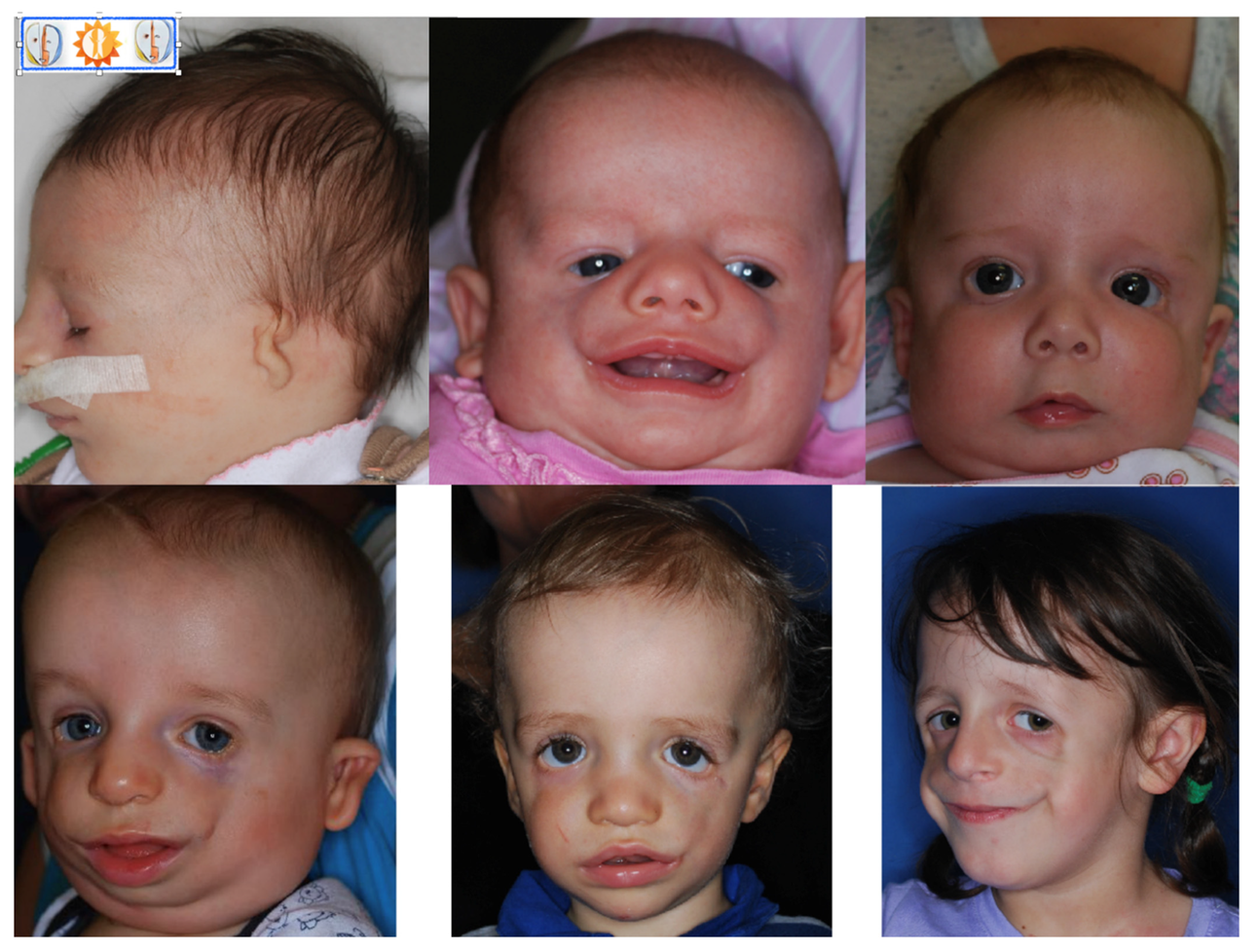
Treacher Collins syndrome is a rare congenital condition affecting facial development, and a small number of actors with this diagnosis have successfully navigated the entertainment industry, contributing to authentic representation on stage and screen. While mainstream film and television have historically relied on prosthetics or makeup to portray facial differences, the inclusion of performers who possess these conditions firsthand marks a significant evolution in casting practices, accessibility, and character depth within modern media.
Understanding Treacher Collins Syndrome and the Entertainment Industry
Treacher Collins syndrome (TCS) is a rare genetic disorder characterized by the underdeveloped structure of the bones and tissues of the face. Individuals with TCS frequently experience downward-slanting eyes, microtia (underdeveloped or absent external ears), conductive hearing loss, and underdeveloped cheekbones and jawlines. These physical traits present distinct challenges within an industry that has traditionally prioritized standardized beauty metrics, yet a dedicated group of performers has broken through these barriers to build meaningful careers.
The journey of an actor with a congenital facial difference involves navigating both standard audition processes and the specific industry demand for specialized roles. Historically, when scripts called for characters with severe craniofacial anomalies—most notably seen in dramatic projects like the 1985 feature film Mask or cinematic adaptations like Wonder—production teams routinely cast conventional actors and utilized extensive prosthetic special effects. While prosthetic work remains a staple of character transformation in Hollywood, the advocacy of disability rights groups, actors' unions, and casting directors has gradually shifted focus toward authentic casting.
When actors with Treacher Collins syndrome step in front of the camera or onto the stage, they bring lived experience that cannot be replicated by synthetic materials. This authenticity resonates with audiences and shifts the narrative paradigm. Instead of stories focusing entirely on medical tragedy or isolation, contemporary writing increasingly frames characters with craniofacial differences as multidimensional protagonists, villains, professionals, and romantic leads. Understanding how these performers achieve success requires examining their training, the specific roles they secure, and the broader cultural impact of their visibility.
Notable Performers and Breakthrough Roles
While casting directors are increasingly open to neurodivergent and physically diverse talent, performers with Treacher Collins syndrome remain few in number due to the extreme rarity of the condition. However, trailblazers have established a vital presence in theater, television, and independent film, paving the way for future generations.
The most prominent contemporary example of an actor with Treacher Collins syndrome gaining mainstream international recognition is Nathaniel Nolan, who gained widespread acclaim following his involvement in high-profile entertainment projects. Although many performers with craniofacial differences begin their careers in regional theater, independent short films, or advocacy-driven media, the crossover into major studio productions represents a watershed moment for disability representation in media.
Beyond on-screen acting, performers often leverage related arts to sustain their careers. Voice acting, theater performance, and motivational speaking frequently intersect with their acting trajectories. The table below outlines key aspects of performance fields where actors with craniofacial conditions typically find sustainable work:
| Performance Medium | Primary Advantages | Industry Challenges | Typical Role Types |
|---|---|---|---|
| Stage Theater | Direct audience engagement; often values diverse physical expression over Hollywood conventions. | Physical stamina requirements; potential acoustic hurdles due to hearing variations. | Classical drama, contemporary plays, ensemble casts. |
| Independent Film | Artistic freedom; directors frequently prioritize raw authenticity and bold casting choices. | Lower budgets; restricted distribution networks and marketing reach. | Character-driven dramas, slice-of-life narratives, experimental cinema. |
| Voice Acting | Focus entirely on vocal delivery, eliminating visual bias in initial casting phases. | Highly competitive market; relies heavily on vocal control and home studio setups. | Animation, video game voiceovers, narration, commercial voice work. |
| Mainstream Television | Broad public reach; potential for long-term character development and cultural impact. | Typecasting risks; rigorous production schedules and travel demands. | Guest-starring procedural roles, recurring ensemble characters, documentary features. |
The Mechanics of Authentic Casting vs. Prosthetics
A central debate within the entertainment community centers on whether studios should cast actors with actual conditions like Treacher Collins syndrome or utilize able-bodied actors fitted with heavy prosthetics. This conversation mirrors historical discussions regarding race, gender, and physical disability representation across global cinema.
Proponents of authentic casting argue that hiring actors with lived experience provides economic opportunities to a historically marginalized demographic while injecting undeniable psychological truth into the performance. When an actor does not need to remove latex appliances at the end of a workday, their physical reality informs every micro-expression, vocal resonance, and emotional delivery. Furthermore, visible representation serves a vital psychological function for viewers—particularly children and teenagers with similar conditions—who see their lived experiences normalized in mainstream media.
Conversely, industry traditionalists and producers often cite practical constraints. Craniofacial conditions can involve varying degrees of hearing loss, requiring specialized on-set communication accommodations such as American Sign Language interpreters, real-time captioning, or custom in-ear monitors. Additionally, the physical toll of long production hours, heavy stage lighting, and emotional exposure can present unique hurdles. However, modern production standards increasingly accommodate these needs, proving that inclusivity is entirely manageable with proper planning and respect for talent.
Frequently Asked Questions
What causes Treacher Collins syndrome in actors and other individuals?
Treacher Collins syndrome is a genetic disorder typically caused by mutations in specific genes, most commonly the TCOF1, POLR1C, or POLR1D genes. These genes are responsible for producing proteins essential for the early embryonic development of facial bones and tissues. It can be inherited in an autosomal dominant pattern or occur as a spontaneous genetic mutation during early development.
Do actors with Treacher Collins syndrome experience hearing loss?
Yes, many individuals with Treacher Collins syndrome experience some degree of conductive hearing loss. This occurs because the condition affects the development of the middle and outer ear structures. Many performers utilize hearing aids, bone-anchored hearing systems, or rely on visual cues and sign language during productions to navigate on-set communication effectively.
How are actors with facial differences changing Hollywood casting standards?
Actors with facial differences challenge traditional beauty standards by proving that compelling storytelling does not require homogenized aesthetics. Their presence pushes casting directors, writers, and showrunners to create characters whose plotlines are driven by personal agency, professional competence, and complex relationships rather than being solely defined by medical trauma or bullying narratives.
Are there support organizations for performers with craniofacial conditions?
Several non-profit organizations and advocacy groups support individuals with facial differences pursuing careers in the arts. Organizations such as the Children's Craniofacial Association (CCA) and the MyFace organization provide resources, community building, and public awareness campaigns that help bridge the gap between talented performers and entertainment industry gatekeepers.
What is the difference between authentic casting and using special effects makeup?
Authentic casting involves hiring actors who genuinely possess the physical traits or medical conditions required by a role. Special effects makeup utilizes prosthetics, latex, and cosmetic techniques to alter the appearance of an actor who does not have the condition. While makeup remains a versatile tool for fantasy and historical transformation, authentic casting is increasingly favored for contemporary stories involving real-world human experiences.
Conclusion and Industry Outlook
The participation of actors with Treacher Collins syndrome in the entertainment industry represents an ongoing transformation toward a more inclusive cultural landscape. By moving past the era of relying exclusively on prosthetics for facial difference narratives, modern media is beginning to embrace the genuine lived experiences of diverse performers. As casting practices evolve and production crews become more adept at accommodating various accessibility needs, audiences can expect to see richer, more authentic storytelling that mirrors the true diversity of the human population. Supporting these artists requires a continued commitment from studios, viewers, and industry leaders to value talent, resilience, and authentic human representation above outdated aesthetic norms.