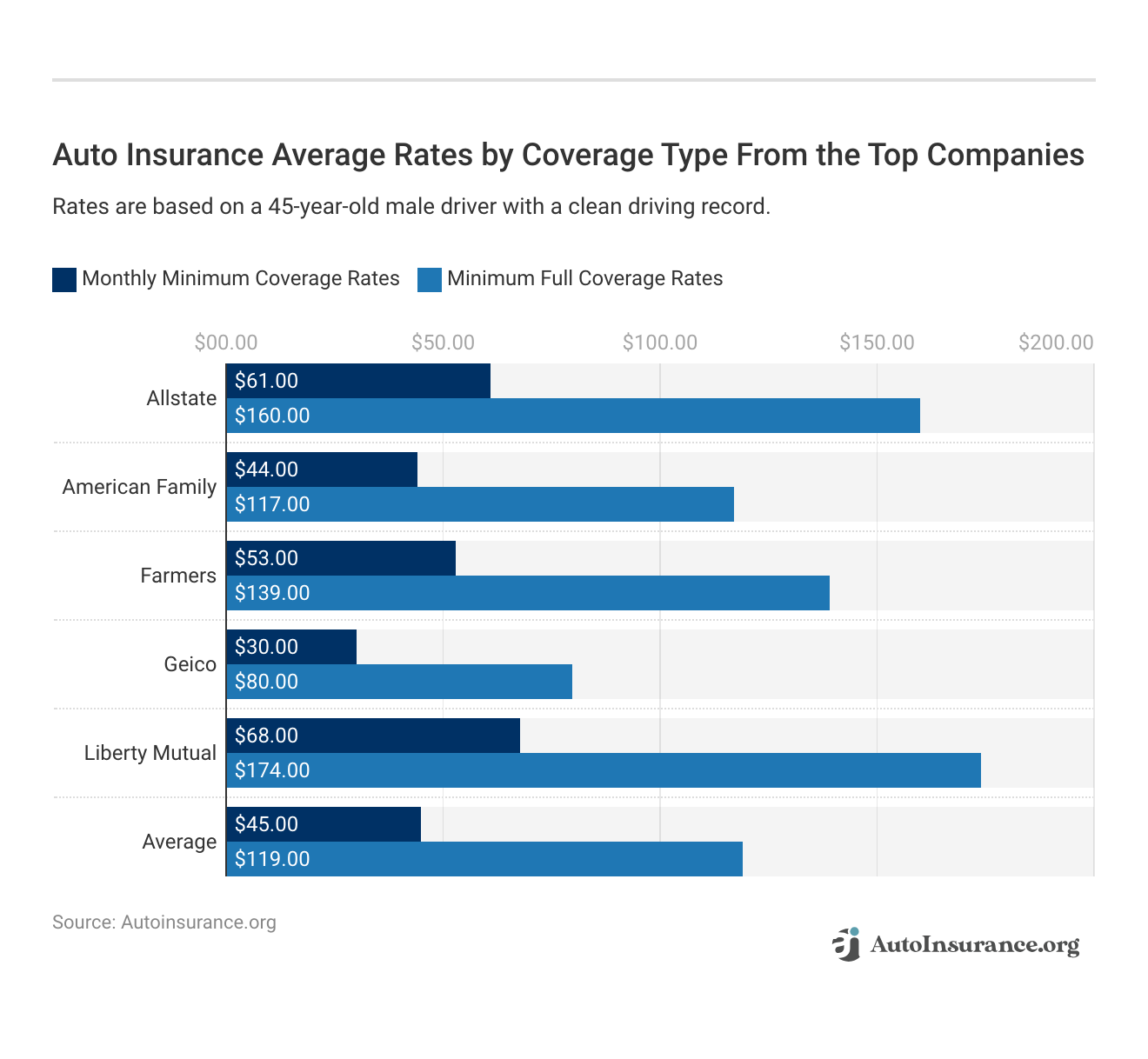
Acceptance Auto Insurance costs typically range from $120 to $280 per month for basic liability, depending on your risk profile and location. In 2026, the company continues to specialize in non-standard insurance, providing essential coverage and SR-22 filings for high-risk drivers who may be denied by traditional carriers due to poor credit or driving history.
Acceptance Insurance, a brand under the First Acceptance Corporation, has carved out a specific niche in the American insurance landscape. Unlike "standard" carriers that prefer drivers with pristine records, Acceptance focuses on the "non-standard" market. This includes individuals with multiple traffic violations, those needing financial responsibility filings (SR-22s), and drivers who have experienced a lapse in coverage. As we navigate the economic and regulatory environment of 2026, understanding the cost structures and policy nuances of Acceptance is vital for anyone categorized as a high-risk driver.
What Defines Acceptance Auto Insurance in 2026?
By 2026, the insurance industry has seen significant shifts in how risk is calculated, primarily through the integration of telematics and advanced data modeling. However, Acceptance remains committed to its core mission: providing accessible insurance to those who are often overlooked.
The company operates primarily through a network of local agents in approximately 15 states, largely concentrated in the Southeast, Midwest, and Southwest. This physical presence is a distinguishing factor in an era where many competitors have moved to entirely digital models. For drivers who require a high level of personal assistance—such as those navigating the complex legal requirements of license reinstatement—this face-to-face interaction remains a significant value proposition.
The Non-Standard Market Position
Acceptance does not compete with companies like Geico or Progressive for "preferred" drivers (those with high credit scores and no accidents). Instead, they compete with brands like The General, Direct Auto, and Bristol West. Their rates reflect the higher statistical probability of claims within their pool of insured drivers. Consequently, while their premiums may seem high compared to national averages, they are often competitive within the specific high-risk segment.
Average Acceptance Auto Insurance Rates for 2026
Insurance premiums in 2026 have been influenced by several years of increased repair costs due to vehicle complexity and inflation in medical expenses. For Acceptance customers, these market pressures are felt acutely because high-risk premiums are already elevated.
On average, a driver with a single "at-fault" accident or a DUI conviction can expect to pay significantly more than the national average. Below is a breakdown of estimated monthly premiums based on various driver profiles:
| Driver Profile | Estimated Monthly Cost (Liability Only) | Estimated Monthly Cost (Full Coverage) |
|---|---|---|
| Driver with Poor Credit | $145 - $190 | $260 - $340 |
| Driver with One At-Fault Accident | $160 - $210 | $285 - $370 |
| Driver Requiring SR-22 Filing | $175 - $230 | $310 - $410 |
| Young Driver (Aged 18-24) | $220 - $310 | $390 - $520 |
| Driver with Recent DUI | $250 - $350 | $450 - $600 |
Note: These figures are estimates based on 2026 market trends for non-standard carriers. Actual quotes are highly dependent on specific zip codes, vehicle types, and individual driving history.
Regional Variations in Cost
The cost of Acceptance insurance varies drastically by state. For instance, a driver in Florida or Louisiana—states known for high litigation rates and frequent weather-related claims—will likely pay 30% to 50% more than a driver in Ohio or Indiana with a similar profile. Acceptance is particularly active in states like Alabama, Georgia, Illinois, and Texas, where they have established a robust physical infrastructure to manage local risk assessments.
Comprehensive Coverage Details and Options
While the primary reason many choose Acceptance is for basic liability to satisfy state laws, the company offers a full suite of coverage options. Understanding these details is crucial for ensuring you are not only legal but also financially protected.
Liability Coverage (Bodily Injury and Property Damage)
This is the foundation of any auto policy. It pays for injuries to others and damage to their property if you are at fault in an accident. In 2026, many states have increased their minimum liability requirements to account for rising medical costs. Acceptance provides policies that meet these new state minimums, though agents often recommend higher limits to protect personal assets.
Physical Damage Coverage (Collision and Comprehensive)
- Collision: This covers damage to your own vehicle resulting from a collision with another car or an object, regardless of who is at fault.
- Comprehensive: This protects against non-collision events, such as theft, fire, vandalism, or damage from natural disasters (hail, flooding). For drivers with older vehicles—often the case for those seeking budget-friendly non-standard insurance—deciding whether to maintain full coverage is a critical cost-benefit analysis. If the annual premium exceeds 10% of the vehicle’s actual cash value, some drivers opt for liability only.
SR-22 and FR-44 Filings
Acceptance is a leading provider of SR-22 filings. An SR-22 is not insurance itself; rather, it is a certificate of financial responsibility filed by the insurance company with the state’s Department of Motor Vehicles (DMV). It proves that the driver carries the required liability insurance. In states like Florida and Virginia, an FR-44 may be required for DUI offenses, which mandates significantly higher liability limits. Acceptance specialized in these filings, often processing them electronically to speed up the license reinstatement process.
Uninsured/Underinsured Motorist Coverage
Given that Acceptance operates in areas with higher-than-average numbers of uninsured drivers, this coverage is essential. It protects you if you are hit by a driver who either has no insurance or whose policy limits are insufficient to cover your medical bills and vehicle repairs.
Ancillary and Add-on Products
Acceptance often bundles unique add-ons that cater to their specific demographic:
- Roadside Assistance: Essential for drivers of older vehicles that may be more prone to mechanical failure.
- Hospital Indemnity: Provides a daily cash benefit if you are hospitalized due to an accident, helping cover the "gap" in high-deductible health plans.
- Ticket and Accident Protection: Some 2026 policy tiers offer "forgiveness" features, though these typically come at a premium and are subject to strict eligibility.
Factors That Influence Your Premium with Acceptance
In 2026, insurance companies use increasingly granular data to determine rates. While Acceptance is more "forgiving" than standard carriers, several key factors still drive the cost of your policy:
- Credit-Based Insurance Scores: While Acceptance specializes in drivers with poor credit, your score still influences the final premium. In most states (excluding those that ban the practice like California or Massachusetts), a lower score correlates with higher premiums.
- Driving History (MVR): Your Motor Vehicle Record from the last three to five years is the primary pricing tool. Major violations (DUI, reckless driving) stay on the record longer and have a heavier impact.
- Lapse in Coverage: One of the most significant "penalties" in the non-standard market is a lapse in prior insurance. Acceptance provides "continuous coverage" discounts for those who have maintained insurance, even if it was with a competitor.
- Telematics Adoption: By 2026, Acceptance has expanded its telematics programs. Drivers who agree to allow the company to monitor their driving habits via a smartphone app may receive "safe driver" discounts, which can offset the high costs of a non-standard policy.
Strategies to Reduce Acceptance Insurance Costs
Despite being in a high-risk category, there are several levers you can pull to lower your Acceptance premiums:
- The Multi-Car Discount: Insuring more than one vehicle on the same policy is one of the most effective ways to lower the per-vehicle cost.
- Policy Bundling: While Acceptance is primarily known for auto, they also offer renters and life insurance. Bundling these can lead to a 5% to 10% discount on the auto premium.
- Pay-in-Full: Many non-standard drivers opt for monthly payments. However, if you can pay the six-month premium upfront, you can often avoid the "installment fees" that add up over time.
- Defensive Driving Courses: Completing a state-approved defensive driving course can lead to a mandatory discount in many jurisdictions.
- Increase Your Deductible: Moving from a $500 deductible to a $1,000 deductible can significantly lower your monthly premium for collision and comprehensive coverage. However, you must ensure you have the funds available in the event of a claim.
Acceptance vs. The Competition: A 2026 Comparison
When shopping for non-standard insurance, it is vital to compare Acceptance with its direct rivals. Each company has a different "appetite" for specific risks.
| Feature | Acceptance Insurance | The General | Direct Auto |
|---|---|---|---|
| Target Market | High-risk/Non-standard | High-risk/Non-standard | High-risk/Non-standard |
| Physical Locations | High (Agent-heavy) | Low (Direct-to-consumer) | Moderate |
| SR-22 Filing | Same-day available | Same-day available | Same-day available |
| Payment Options | Flexible (Cash accepted) | Flexible | Flexible |
| Digital Tools | Improved App (2026) | Robust Mobile Platform | Standard App |
Acceptance often wins on personal service. For a driver who is confused by DMV paperwork or needs to pay their premium in cash at a local office, Acceptance provides a level of accessibility that digital-only carriers like The General cannot match. Conversely, those who prefer a purely digital, "no-talk" experience might find Acceptance's agent-centric model less efficient.
Claims Process and Customer Satisfaction
A critical component of insurance "cost" is the value you receive when you actually need to use the policy. Acceptance has historically faced mixed reviews regarding claims satisfaction—a common trend in the non-standard industry where claims can be more complex due to the legal status of the drivers involved.
In 2026, Acceptance has modernized its claims intake system. Customers can now upload photos of vehicle damage directly through the mobile app, which uses AI-assisted estimation to provide faster payouts for minor "fender benders." However, for major accidents involving multiple parties or significant injuries, the process still relies heavily on manual adjustment.
Professional Advice Limitation
The information provided regarding insurance rates and legal requirements is for educational purposes only. Insurance laws vary significantly by state and are subject to change. For specific legal or financial advice regarding your insurance needs or license reinstatement, consult with a licensed insurance agent or a qualified attorney in your jurisdiction.
Frequently Asked Questions
Does Acceptance Insurance offer 24/7 customer service?
While Acceptance offers 24/7 claims reporting through their website and mobile app, their customer service and agent support typically operate during standard business hours. However, in 2026, they have introduced enhanced automated chat features to handle routine policy questions and payment processing at any time.
Can I get an SR-22 from Acceptance if I don’t own a car?
Yes. Acceptance offers "Non-Owner" insurance policies. This is designed for drivers who do not own a vehicle but need to maintain an SR-22 to keep their driver's license valid. This is often the most affordable way to satisfy state requirements while you are in between vehicles.
How long does it take for Acceptance to notify the DMV of my insurance?
In most states where Acceptance operates, the notification of a new policy or an SR-22 filing is sent electronically to the DMV within 24 to 48 hours. However, the time it takes for the DMV to update their internal records and clear a license suspension can vary from three to ten business days.
What happens if I miss a payment on my Acceptance policy?
Non-standard carriers like Acceptance generally have very short grace periods. Because the risk is higher, policies are often canceled quickly after a missed payment. This can result in a lapse of coverage, which will not only trigger a notification to the DMV (potentially suspending your license again) but also cause your future premiums to increase.
Does Acceptance offer commercial auto insurance?
Acceptance primarily focuses on personal auto insurance. While they may offer coverage for some "light" business use or gig-economy work (like delivery), they are not a dedicated commercial carrier. Drivers using their vehicles for ride-sharing or heavy delivery should verify their coverage limits with an agent to ensure they are not violating the terms of a personal policy.
Final Recommendation for 2026 Drivers
If you are a driver with a challenging record, Acceptance Auto Insurance is a viable and often necessary option to get back on the road. For the best experience in 2026, we recommend visiting a local Acceptance agent rather than relying solely on online quotes. The complexities of SR-22 filings and high-risk underwriting are often handled better through a conversation where an agent can identify specific discounts—such as those for specific professional affiliations or vehicle safety features—that an automated system might overlook.
Always compare at least three quotes from non-standard carriers before committing, and prioritize maintaining continuous coverage for at least six months to qualify for lower rates in the future.