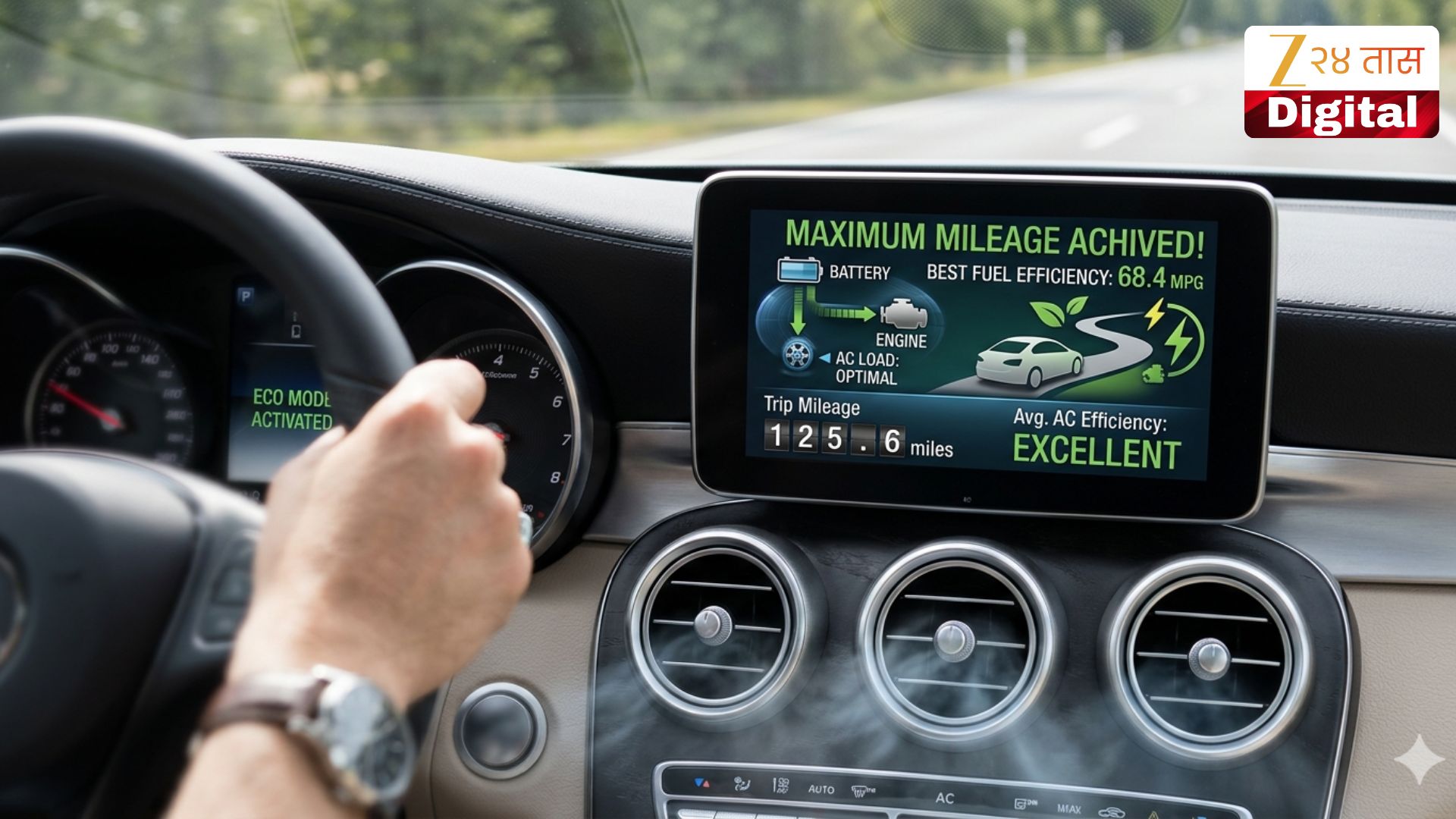
Optimizing your car’s AC settings involves balancing temperature, fan speed, and the air recirculation toggle to achieve a comfortable cabin environment efficiently. By utilizing the 'Auto' mode in modern vehicles or manually switching to recirculation for rapid cooling and fresh air for dehumidifying, you can enhance passenger comfort while preserving fuel economy or battery range.
Understanding the Fundamentals of Automotive Air Conditioning
The air conditioning system in a vehicle is often misunderstood as a machine that "creates cold." In reality, the AC system is a heat exchanger. It functions by removing heat and moisture from the air inside the cabin and dispersing it outside the vehicle. As of 2026, most vehicles utilize highly sophisticated climate control systems, but the underlying physics remains the same.
The process relies on a refrigerant—most commonly R-1234yf in modern 2026 models due to its lower global warming potential. This refrigerant cycles through four main states: compression, condensation, expansion, and evaporation. When you press the A/C button, you are engaging the compressor, which is the heart of the system. In internal combustion engine (ICE) vehicles, this is usually belt-driven by the engine. In electric vehicles (EVs), an electric compressor is used, which allows the AC to run at full capacity even when the vehicle is stationary.
Understanding this distinction is vital for troubleshooting. If your air is blowing but not cold, the "fan" is working, but the "conditioning" cycle (the refrigerant loop) is likely compromised. Modern systems also act as powerful dehumidifiers. This is why the AC compressor often runs during the winter when the "defrost" setting is selected; it strips moisture from the air to prevent the windshield from fogging.
Manual vs. Automatic Climate Control Systems
Vehicle owners generally encounter one of two interfaces: manual or automatic. While they achieve the same result, the method of operation differs significantly in terms of user input and efficiency.
Manual Climate Control
Manual systems require the driver to adjust the temperature dial (usually a blue-to-red gradient), the fan speed (1 through 4 or more), and the vent direction. These systems are "dumb" in that they do not react to changes in the environment. If the sun comes out from behind a cloud and warms the cabin, a manual system will continue blowing at the same intensity until the driver intervenes.
To get the most out of a manual system in 2026, it is best to start with the fan on high and the temperature at the lowest setting, then gradually dial back the fan speed as the cabin reaches comfort. This prevents the compressor from working harder than necessary once the ambient air is cooled.
Automatic Climate Control
Automatic systems, often labeled as "Climatronic" or simply "Auto," function like a home thermostat. You select a specific temperature (e.g., 72°F or 22°C), and the vehicle’s onboard computer manages the fan speed, vent positioning, and air source (recirculation vs. fresh) to reach and maintain that target.
In 2026, these systems are integrated with sunload sensors—located on the dashboard—which detect the intensity of solar radiation. If the sun is hitting the driver’s side, the system may automatically increase the airflow to those specific vents. Using the "Auto" setting is generally the most efficient way to operate a car’s AC, as it prevents the compressor from running at maximum capacity longer than required.
The Recirculation Button: When to Use and When to Avoid
One of the most confusing AC settings in a car is the recirculation button, usually depicted by an icon of a car with a U-turn arrow inside it. This button controls whether the system draws in fresh air from outside or "recirculates" the air already inside the cabin.
Use Recirculation For:
- Rapid Cooling: When you first enter a hot car, turning on recirculation helps the AC cool the cabin faster because it is cooling already-chilled air rather than pulling in 100-degree air from outside.
- Pollution and Odors: If you are stuck in traffic behind a bus or driving through an area with heavy dust or smoke, recirculation prevents those external contaminants from entering the cabin.
- Efficiency: In EVs, recirculation reduces the energy load on the battery, as the heat pump or compressor doesn't have to work as hard to maintain a low temperature.
Use Fresh Air (Recirculation OFF) For:
- Defogging Windows: Fresh air is typically drier than the air inside a car filled with breathing passengers. Using fresh air helps clear condensation from the windows much faster.
- Preventing Drowsiness: In 2026, some high-end vehicles have CO2 sensors. If you leave recirculation on for too long in a small car with multiple passengers, CO2 levels can rise, leading to fatigue.
- Winter Heating: Using fresh air in the winter prevents the "stuffy" feeling and keeps the interior humidity low, which protects electronic components and upholstery from moisture buildup.
Optimal Vent Positioning and Airflow
The direction of airflow is just as important as the temperature. In many modern 2026 vehicles, vent control is handled via a touchscreen, though the logic remains based on fluid dynamics.
- Face/Dash Vents: These are most effective for cooling. Because cold air is denser than warm air, it naturally sinks. Pointing the vents toward the ceiling or mid-level allows the cold air to "fall" over the passengers, creating a more uniform cooling effect.
- Floor Vents: These are primarily for heating. Since heat rises, pumping warm air into the footwells ensures that the entire cabin warms up as the air moves upward.
- Defrost Vents: These are located at the base of the windshield. They should be used primarily for visibility. In the summer, avoid pointing extremely cold AC air directly at a hot windshield for long periods, as the thermal shock can, in rare cases, exacerbate existing chips or cracks in the glass.
Impact on Fuel Economy and EV Range
A common question in this AC setting in car overview is how much the system affects performance. In a traditional gasoline car, the AC compressor can consume between 3 to 8 horsepower. This typically results in a 1% to 10% decrease in fuel economy, depending on the outside temperature and vehicle size.
For Electric Vehicles in 2026, the impact is measured in range. Most modern EVs use Heat Pumps, which are significantly more efficient than the older resistive heaters. However, running the AC at its maximum setting can still reduce total range by 5% to 15%. To mitigate this, many 2026 models offer "Driver Only" modes, which close the vents to the passenger and rear seats to save energy when no one else is in the car.
Specialized Settings and 2026 Innovations
As we look at the landscape of vehicle technology in 2026, several "new standard" features have emerged that change how we interact with AC settings.
| Feature | Function | Primary Benefit |
|---|---|---|
| Pre-Conditioning | Activating AC via smartphone app before entering. | Comfort; saves battery range if plugged into a charger. |
| Dual/Quad-Zone | Independent temp settings for different seats. | Ends the "too hot/too cold" argument between passengers. |
| HEPA/Ionization | Advanced filtration and air purification. | Removes 99.9% of allergens and fine particulate matter (PM2.5). |
| Humidity Control | Specifically manages cabin moisture levels. | Prevents dry eyes on long trips and stops window fogging. |
| Bio-Defense Mode | Positive pressure in the cabin to block outside air. | Maximum protection against external pollutants. |
Maintenance: Ensuring Your Settings Actually Work
Even the best settings cannot compensate for a poorly maintained system. If your AC is underperforming, the issue is often related to one of three things:
1. The Cabin Air Filter
The cabin air filter is the "lung" of your AC system. Over time, it becomes clogged with dust, pollen, and debris. A clogged filter restricts airflow, making the system feel weak even when the fan is on high. Most manufacturers recommend replacement every 12,000 to 15,000 miles.
2. Refrigerant Leaks
The AC system is a sealed loop. If you find that the air is no longer cold, it is likely that a small leak has allowed refrigerant to escape. In 2026, vehicles are equipped with pressure sensors that will disable the compressor if the refrigerant is too low, preventing expensive mechanical damage.
3. Evaporator Mold
If your AC emits a "gym locker" smell when first turned on, mold has likely grown on the evaporator. This happens when moisture sits in the dark, damp environment of the AC housing. To prevent this, turn off the A/C button but keep the fan running for the last two minutes of your drive to dry out the system.
Common Mistakes to Avoid
- Waiting to Turn it On: Many drivers wait until they are on the highway to start the AC. It is better to open the windows for the first 30 seconds of driving to let the "superheated" air escape, then turn on the AC and close the windows.
- Setting it to "Lo" Constantly: Setting the temperature to 60°F won't make the car cool down faster than setting it to 70°F; it just determines when the system stops cooling. If you have an automatic system, set it to your desired comfort level and let the sensors do the work.
- Ignoring the A/C Button in Winter: As mentioned, the A/C button is for conditioning, not just cooling. Use it in the winter to keep the air dry and prevent your windows from becoming a wall of fog.
Frequently Asked Questions
Does the AC use more gas than driving with windows down?
At low speeds (under 40 mph), driving with windows down is generally more fuel-efficient. However, at highway speeds, the aerodynamic drag caused by open windows is more taxing on the engine than the AC compressor. In 2026, most efficiency experts recommend using the AC for any speeds above 45 mph.
Why is there a puddle of water under my car after using the AC?
This is perfectly normal and a sign that the system is working. This is the moisture that the AC has stripped from the cabin air. It collects on the evaporator and drains out through a tube onto the ground. If you don't see this puddle on a humid day, your drain tube might be clogged.
Can I leave the AC on while the engine is off?
In a traditional gasoline car, the fan will run, but the air will stop being cold after a minute because the compressor is not turning. In an EV or some modern hybrids, the electric compressor can run for a significant amount of time while parked, though it will drain the high-voltage battery.
Why does my AC take a long time to get cold?
In ICE vehicles, the compressor needs the engine to be running at a certain RPM to be efficient. In very hot weather, it may take 3 to 5 minutes of driving for the refrigerant to reach its optimal operating pressure and temperature.
Is "Max AC" different from regular AC?
"Max AC" is essentially a shortcut button. It automatically sets the temperature to the lowest setting, the fan to the highest speed, and—crucially—turns on the air recirculation. It is designed to cool the car down as quickly as possible upon entry.
Final Recommendations for Optimal AC Use
For the best experience, utilize the Auto setting whenever available. This allows the vehicle to manage the complex relationship between fan speed and air source. If you find the car is too hot when you first get in, open all the windows for a moment to let the initial blast of heat escape before letting the AC take over. Regularly changing your cabin air filter every year is the single most effective way to ensure your system remains powerful and your cabin air stays clean. Finally, if you drive an EV, take advantage of pre-conditioning while the car is still plugged in to maximize your driving range.