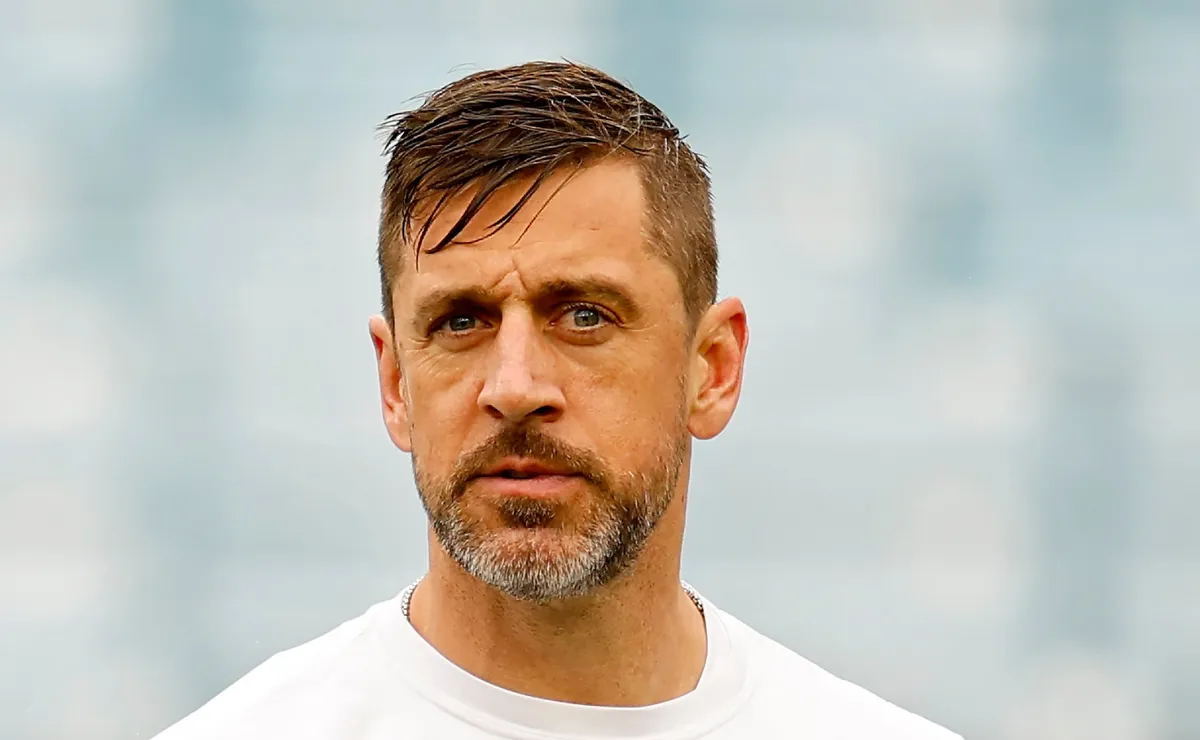
Securing, licensing, and verifying professional headshot portraits and public appearance photography of Aaron Rodgers requires an understanding of intellectual property rights, commercial usage limitations, and the distinction between editorial and promotional media. Whether you are a journalist, a creative professional, or an archivist, identifying authorized channels for these high-quality images is essential for professional, legal, and ethical compliance.
Understanding the Landscape of Celebrity Imagery
Aaron Rodgers, as one of the most prominent figures in professional football, is a highly photographed individual. His image is subject to strict protection, both through copyright law—which protects the photographer’s creative work—and the right of publicity, which governs how his likeness can be used commercially.
When searching for "headshot portraits" or images from "public appearances," it is vital to distinguish between a casual fan photograph and a professional, high-resolution image taken by a credentialed photographer. Most professional imagery is held by major stock agencies and sports photography houses. These entities serve as the bridge between the rights holders and the end-user. Relying on images scraped from social media or general search engines without a license is a significant legal risk, particularly for commercial projects.
Navigating Professional Image Databases
The primary sources for professional-grade photography of Aaron Rodgers are established media agencies. These organizations maintain comprehensive archives spanning his career, from his early years in Green Bay through his recent tenure in New York.
To find appropriate imagery, you should utilize search filters available on major platforms. These filters typically allow users to sort by "Editorial" or "Commercial" use. Most images of Aaron Rodgers in a professional capacity—such as those taken during press conferences, post-game interviews, or public charity events—are classified exclusively as editorial content. This means they can be used for news reporting, documentary purposes, or biographical sketches, but they cannot be used to promote a product, service, or brand without separate, explicit clearance from both the photographer and the subject’s management team.
Editorial vs. Commercial Usage Rights
Understanding the distinction between these two categories is the single most important step in the acquisition process. Failure to adhere to these boundaries can result in copyright infringement claims or violations of right-to-publicity statutes.
Editorial Usage
Editorial imagery is intended to illustrate a story or provide factual context. If you are writing a piece on Aaron Rodgers’ career trajectory, his impact on the sport, or his philanthropic endeavors, you are generally operating within the editorial sphere. These images include:
- Public Appearances: Photos taken during red carpet events, award shows, or public speaking engagements.
- Game-Day Photography: Captured portraits during warm-ups or press sessions within the stadium environment.
- Press Conferences: Images taken during formal media availability sessions where professional photographers are permitted to work.
Commercial Usage
Commercial usage is defined by any application that suggests a connection between the subject and a specific brand, product, or service. Even if you hold the copyright to a professional headshot, you do not automatically possess the right to use that image to sell a product or bolster a corporate reputation. Such usage requires a separate, signed release from the athlete. In the context of a public figure of Rodgers' stature, these releases are rarely granted for third-party commercial use.
Essential Image Selection Criteria
When sourcing images for a project, you should prioritize quality, relevance, and historical accuracy. Professional-grade portraits should meet the following technical standards:
- Resolution: High-resolution files (300 DPI) are mandatory for print media. For digital, ensure the dimensions meet your platform’s requirements without pixelation.
- Metadata: Ensure the file contains accurate IPTC metadata, including the photographer’s name, date of the event, and location. This is crucial for verifying the origin of the image and maintaining copyright compliance.
- Authenticity: Avoid "composite" imagery or manipulated portraits. Verify that the image reflects the specific era or public appearance you are covering to ensure factual integrity.
Comparison of Image Source Categories
| Source Type | Suitability | Licensing Complexity | Primary Use Case |
|---|---|---|---|
| Major Stock Agencies | High | Standardized | Commercial/Editorial mix |
| Media/Press Pools | High | Restricted | Strictly News/Editorial |
| Social Media Profiles | Low | High Risk | Personal reference only |
| Official Team Archives | High | Controlled | Team-specific communication |
Operational Steps for Securing Imagery
If you have a legitimate need for professional images, follow these steps to ensure you are operating legally and effectively:
- Identify the Use Case: Determine if your project is purely editorial (journalistic, educational, biographical) or commercial (marketing, advertising, sales).
- Search Authorized Repositories: Use reputable agencies like Getty Images, AP Images, or Reuters. These platforms provide clear licensing terms and immediate access to high-resolution files.
- Review Licensing Agreements: Read the fine print of the license. Does it allow for global distribution? Is it limited to print, or does it include digital rights? Does the license expire?
- Secure Written Documentation: Save a copy of your license or receipt. In the event of an audit or copyright inquiry, this documentation is your proof of legal authorization.
- Credit the Photographer: Regardless of the license, industry standard—and often a requirement of the contract—is to provide clear, visible credit to the photographer and the source agency.
Frequently Asked Questions
Can I use a professional headshot of Aaron Rodgers for my company's "Employee of the Month" parody? No. This would be considered a commercial usage. Using a celebrity’s likeness to imply their endorsement or association with a company, even in a humorous or satirical context, often triggers legal action related to the right of publicity.
Where can I find free, public domain images of Aaron Rodgers? Public domain images are extremely rare for celebrities of his stature. Most images are protected by copyright. Avoid websites that claim to offer "free" celebrity photos, as these often violate copyright laws, and the end-user may be held liable for infringement.
What is a "Press Pool" image, and can I use it? A press pool consists of a select group of photographers who share images among news organizations. These are strictly for editorial use by the media outlets belonging to the pool. They are not intended for general public licensing or commercial use.
If I buy a photo from a stock site, do I need to contact Aaron Rodgers’ management? If you are using the photo for editorial purposes and the agency has cleared the image for such use, you typically do not need to contact the subject. However, if the license mentions "editorial use only," you are strictly prohibited from using it in any commercial context, and contacting management will rarely result in a waiver for third-party commercial use.
How do I verify if a photo is from a specific public appearance? Check the image’s metadata or the description provided by the licensing agency. Reputable sources will include the date, the specific event (e.g., "The ESPYS," "Post-Game Press Conference"), and the city, allowing you to cross-reference with historical calendars of the subject’s activities.
Troubleshooting Licensing Issues
If you find yourself in a situation where you possess an image but are unsure of its origin, the most prudent course of action is to refrain from using it. If you believe an image was used incorrectly, remove the content immediately and reach out to the original rights holder to settle licensing fees retroactively, though this is not a guaranteed remedy for infringement.
Always maintain a professional "Image Asset Log" for any publication or project. This log should track:
- The source URL or agency name.
- The licensing date and terms.
- The specific image ID number.
- The proof of payment or authorized download document.
By adhering to these standards, you protect your professional reputation and contribute to the legal sustainability of the media industry. For professional projects requiring high-end photography, always work through licensed channels and prioritize clear communication with rights holders to avoid the significant costs associated with unauthorized use.