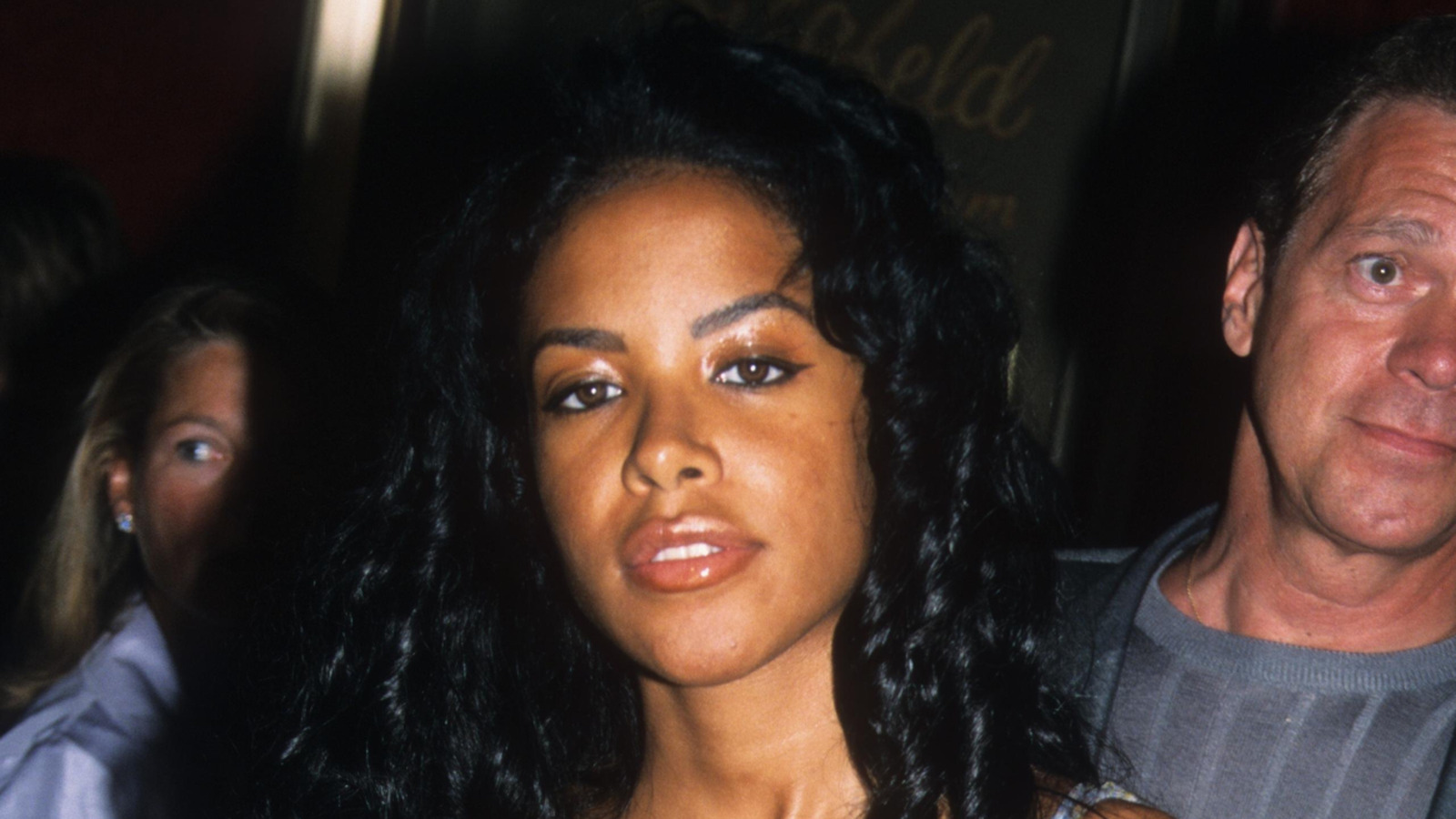
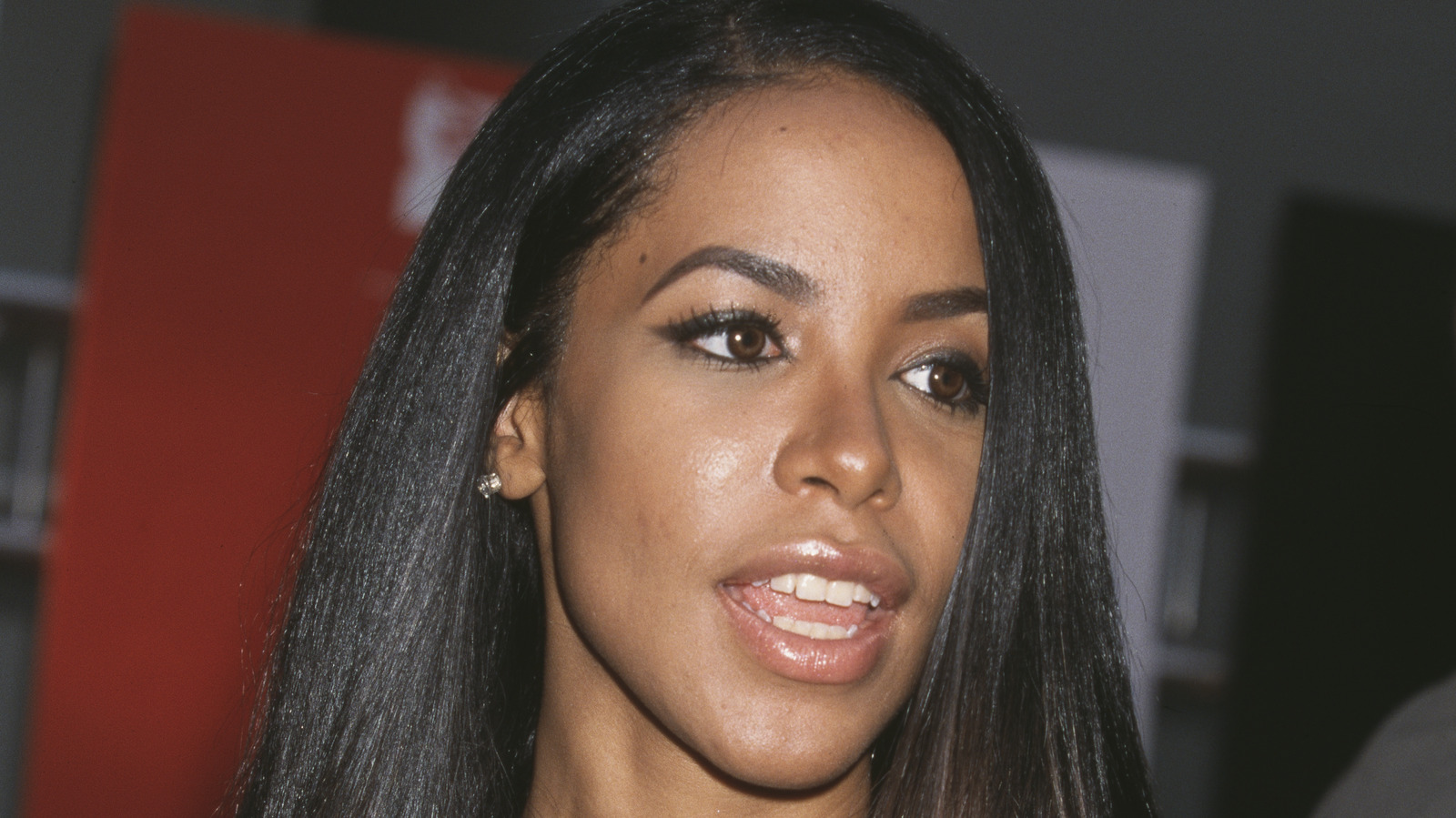
Aaliyah was 22 years old when she died on August 25, 2001, in a plane crash in Marsh Harbour, Abaco Islands, Bahamas. The tragedy occurred shortly after she completed filming the music video for her single "Rock the Boat." The Cessna 402B, which was overloaded and piloted by an unauthorized operator, crashed shortly after takeoff, claiming the lives of Aaliyah and eight others.
The Circumstances of August 25, 2001
The events leading up to the death of Aaliyah Dana Haughton remain one of the most scrutinized moments in music history. Aaliyah had traveled to the Bahamas to film the visuals for "Rock the Boat," a track from her critically acclaimed self-titled third album. The shoot was scheduled to take several days, but the crew finished a day early and was anxious to return to the United States to resume their schedules.
On the afternoon of August 25, Aaliyah and her team boarded a twin-engine Cessna 402B at Marsh Harbour Airport, destined for Opa-locka, Florida. The aircraft was significantly smaller than the one that had originally transported the crew to the island. Despite warnings from the pilot and ground crew regarding the weight of the equipment and the number of passengers, the group proceeded with the flight. The plane crashed approximately 200 feet from the end of the runway, erupting into flames upon impact.
The Victims of the Crash
Aaliyah was not the only loss that day. The crash claimed the lives of several key members of her inner circle and production team, including:
- Aaliyah Haughton: Artist and actress.
- Keith Wallace: 35, an entertainment executive.
- Douglas Kratz: 28, a director of video production for Virgin Records.
- Gina Smith: 30, Aaliyah’s product manager.
- Christopher Maldonado: 32, Aaliyah’s hair stylist.
- Anthony Dodd: 34, a security guard.
- Eric Foreman: 29, a makeup artist.
- Scott Gallin: 41, Aaliyah’s bodyguard.
- Luis Morales III: 30, the pilot.
Technical Findings and the NTSB Investigation
The National Transportation Safety Board (NTSB) and the Federal Aviation Administration (FAA) conducted an exhaustive investigation into the cause of the crash. The findings revealed a series of catastrophic failures and safety violations that contributed to the tragedy.
Overweight and Balance Issues
The primary cause of the crash was determined to be a combination of an overloaded aircraft and a failure to properly distribute weight. The Cessna 402B had a maximum takeoff weight that was exceeded by several hundred pounds—estimated at roughly 700 pounds over the limit. Furthermore, the center of gravity was pushed too far aft (toward the rear) due to the heavy video equipment and luggage, making the aircraft nearly impossible to control during the critical takeoff phase.
Pilot Negligence and Credentials
The investigation into the pilot, Luis Morales III, uncovered disturbing facts. Morales was not authorized to fly the Cessna 402B; his FAA pilot’s license did not include the necessary certifications for that specific aircraft type. Additionally, the charter company, Blackhawk International Airways, was not authorized to conduct commercial flights.
Perhaps most significantly, toxicology reports performed during the autopsy revealed that Morales had traces of cocaine and alcohol in his system at the time of the crash. These factors combined—inexperience with the aircraft, an overloaded cabin, and physical impairment—led to the loss of control almost immediately after the plane left the ground.
A Career at Its Zenith: The 2001 Era
When Aaliyah died at 22, she was not merely a pop star; she was a polymath who had successfully bridged the gap between music, fashion, and Hollywood. Her third studio album, Aaliyah, often referred to as "The Red Album," had been released just one month prior in July 2001.
The Evolution of the "Aaliyah Sound"
The self-titled album represented a departure from the traditional R&B of the late 90s. Working closely with producers like Timbaland, Missy Elliott, and Static Major, Aaliyah crafted a sound that was futuristic, minimalist, and rhythmically complex. Tracks like "We Need a Resolution" and "More Than a Woman" showcased her signature "whisper" vocals—a controlled, melodic style that avoided the vocal acrobatics common in the era, favoring instead a cool, detached precision.
Transitioning to Film
Aaliyah’s success was not limited to the recording studio. By 2001, she had established herself as a viable leading lady in Hollywood. Following her debut in Romeo Must Die (2000), she had completed filming for Queen of the Damned, in which she played the ancient vampire Akasha. At the time of her death, she had already begun filming scenes for her role as Zee in The Matrix Reloaded and was slated to appear in The Matrix Revolutions. Her passing forced the Wachowskis to recast the role, which eventually went to Nona Gaye.
| Project | Role | Release Status at Time of Death |
|---|---|---|
| Age Ain't Nothing But a Number | Studio Album | Released 1994 |
| One in a Million | Studio Album | Released 1996 |
| Romeo Must Die | Trish O'Day | Released 2000 |
| Aaliyah (The Red Album) | Studio Album | Released July 2001 |
| Queen of the Damned | Akasha | Posthumous Release (2002) |
| The Matrix Reloaded | Zee | Recast after her death |
Legal Aftermath and Industry Changes
The death of Aaliyah led to significant legal battles that lasted for years. Aaliyah's parents, Diane and Michael Haughton, filed a wrongful death lawsuit against Virgin Records, Blackhawk International Airways, and various production companies. The lawsuit alleged that the companies were negligent in hiring a charter service with a history of safety violations and a pilot who was unfit for duty.
The case was settled out of court in 2003 for an undisclosed amount. Beyond the financial settlement, the tragedy served as a somber wake-up call for the music industry. Record labels and production houses began implementing stricter travel protocols, particularly for video shoots in remote locations. The practice of using "discount" charter services was largely curtailed in favor of vetted, reputable aviation firms to protect high-profile talent and crew members.
The Long Wait for Digital Access
For nearly two decades following her death, Aaliyah's most significant work was largely absent from digital streaming platforms. This was due to a protracted legal and family dispute involving her uncle and former manager, Barry Hankerson, who owned the masters through Blackground Records.
For a generation of fans who grew up in the streaming era, Aaliyah's music was a myth—something found only on old CDs or low-quality YouTube uploads. It wasn't until 2021, twenty years after her passing, that a deal was struck with Empire Distribution to bring her catalog to Spotify, Apple Music, and other services. This re-release allowed a new generation to discover One in a Million and her self-titled album, cementing her influence in the modern landscape of R&B and alt-R&B.
Aaliyah’s Influence in 2026
As we look back from 2026, a quarter-century since her passing, Aaliyah’s DNA is visible across the entire spectrum of popular culture. Her "street but sweet" aesthetic—the blend of baggy aesthetics with feminine grace—remains a staple of high fashion and "mood board" culture.
Musical Progeny
Artists such as Tinashe, Ciara, Jhené Aiko, and Normani have all cited Aaliyah as a primary influence. Her vocal style, characterized by a preference for texture and mood over raw power, paved the way for the "PBR&B" movement of the 2010s and the atmospheric soul of the 2020s. The syncopated, stuttering beats she championed with Timbaland continue to be sampled and interpolated in contemporary hip-hop and electronic music.
The "Baby Girl" Persona
Aaliyah occupied a unique space in the industry. She was often referred to as "Baby Girl," a nickname given to her by Missy Elliott and Timbaland, reflecting her youthful energy and the protective circle that surrounded her. However, her maturity as a performer was far beyond her 22 years. She handled fame with a level of poise and mystery that is increasingly rare in the current age of oversharing and social media transparency.
Frequently Asked Questions
What were the official findings on why the plane crashed?
The NTSB concluded that the plane was over its maximum weight capacity by approximately 700 pounds and its center of gravity was improperly balanced. These factors, combined with a pilot who was not certified for that aircraft and had traces of drugs and alcohol in his system, caused the aircraft to stall and crash shortly after takeoff.
Was Aaliyah married at the time of her death?
No, Aaliyah was not married when she died. However, she was in a high-profile relationship with Roc-A-Fella Records co-founder Damon Dash. Dash has spoken extensively in subsequent years about their plans to marry and his grief following the accident.
Why did it take so long for her music to be on streaming services?
The delay was primarily due to internal disputes within Blackground Records and the Haughton estate. Barry Hankerson, Aaliyah's uncle and the owner of her master recordings, did not reach an agreement for digital distribution until 2021. Before this, only her debut album (which was on a different label) was widely available online.
How did the film Queen of the Damned handle her death?
Aaliyah had finished most of her scenes for Queen of the Damned before her death. For the remaining ADR (Automated Dialogue Replacement) and pick-up shots, her brother, Rashad Haughton, helped by providing vocal work that was digitally blended to match Aaliyah’s voice, ensuring her final film performance could be completed and released in 2002.
What happened to the pilot of the aircraft?
The pilot, Luis Morales III, died in the crash along with Aaliyah and the other passengers. Post-mortem investigations revealed that he had been charged with a drug-related felony in Florida just weeks before the crash and had falsified his flight hours to obtain his job with Blackhawk International Airways.
Final Recommendation for Fans and Researchers
To truly understand why Aaliyah was 22 when she died and the gravity of that loss, it is recommended to engage with her work in its intended sequence. Start with the One in a Million album to understand the shift in R&B history, and then listen to her 2001 self-titled album to hear the future she was building. For those interested in the technical aspects of the aviation incident, the official NTSB report (Identification: MIA01MA225) provides a somber but necessary factual account of the safety failures that led to the loss of a generation's most promising star.