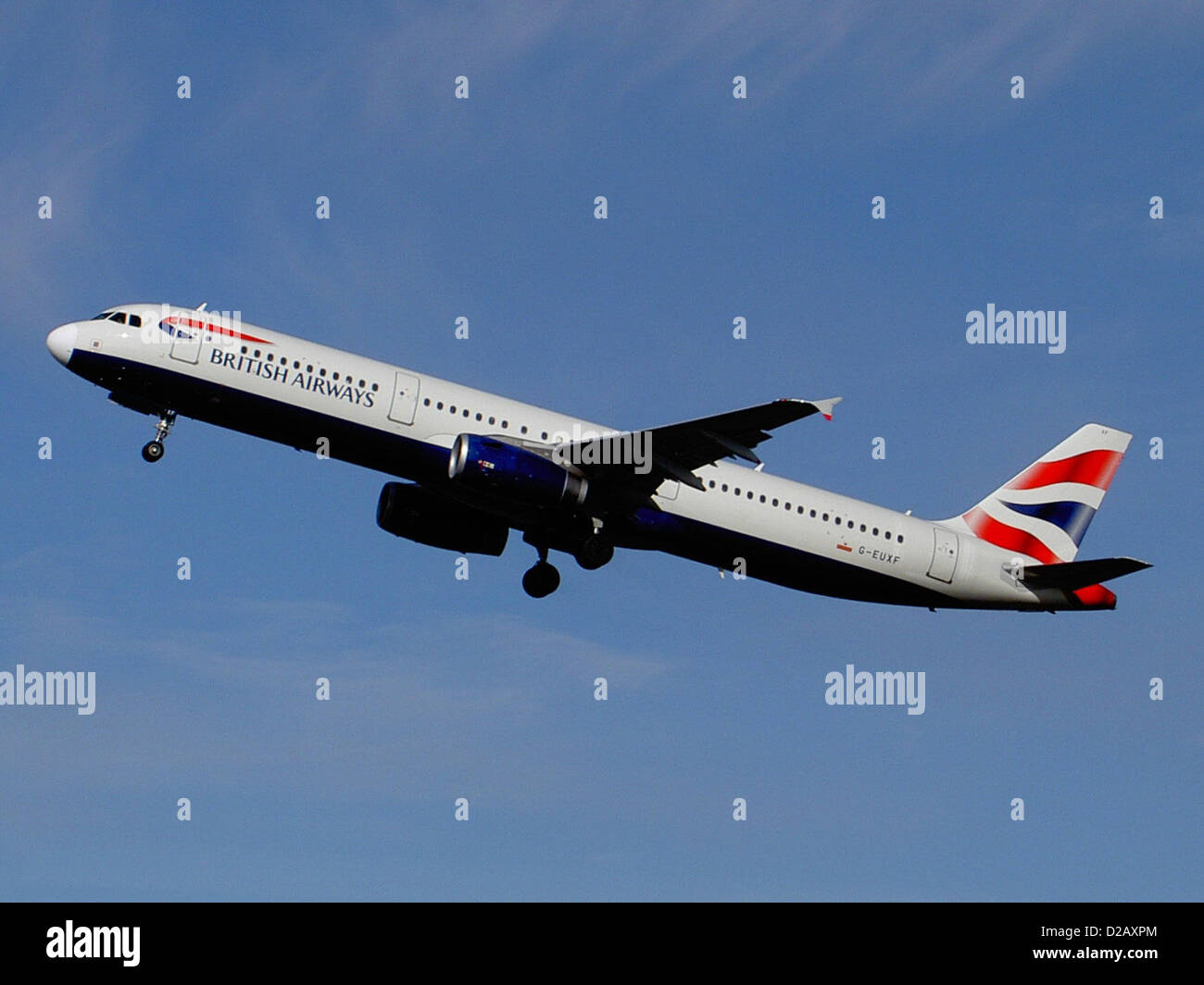
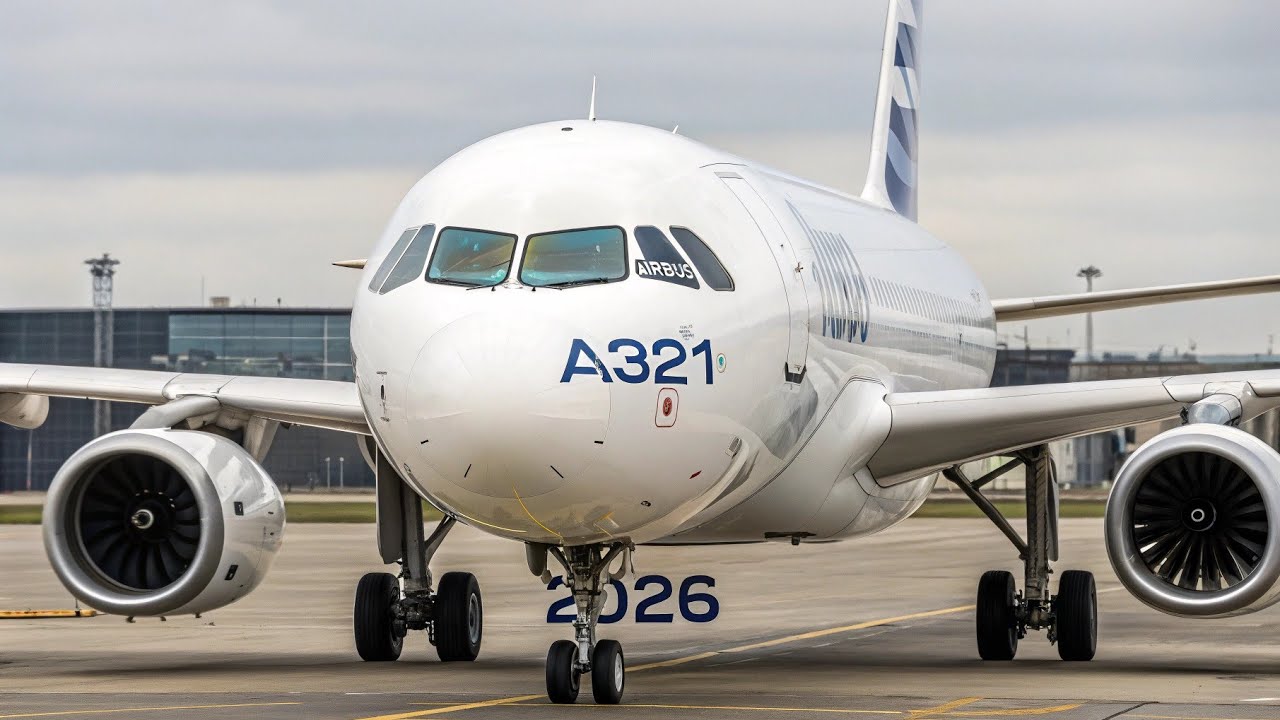
The narrow-body commercial aviation sector has undergone a profound transformation, shifting from short-haul regional hops to dominating lucrative transcontinental and transatlantic routes. At the center of this evolution is the Airbus A321 family—particularly variants like the A321neo, A321LR, and A321XLR—alongside Boeing’s historical single-aisle lineup and its ongoing efforts to redefine the medium-to-large narrow-body market.
Introduction to the Narrow-Body Evolution
For decades, the commercial aviation hierarchy was strictly partitioned: twin-aisle wide-body aircraft handled long-haul international routes, while single-aisle narrow-body aircraft managed domestic and regional connectivity. This operational boundary began to blur significantly with the advent of advanced high-bypass turbofan engines, wingtip aerodynamic enhancements, and lighter composite materials.
In this landscape, the evolution of single-aisle aircraft is defined by a high-stakes duel between European manufacturer Airbus and American aerospace giant Boeing. While Boeing historically dominated long-haul point-to-point travel with legendary types and later focused heavily on updating its tried-and-true 737 family, Airbus systematically upended the market by stretching its popular A320 platform. The resulting A321 variants have fundamentally altered airline economics, enabling carriers to bypass congested hub airports in favor of direct, long-range city pairs that were previously economically unviable for smaller aircraft.
Understanding this trajectory requires examining how design philosophies, engine technology advancements, regulatory certifications, and shifting airline business models have redefined what a narrow-body aircraft can achieve.
Historical Context: The Traditional Narrow-Body Paradigm
To understand the market disruption caused by modern stretched single-aisles, it is necessary to examine how the narrow-body sector evolved from the mid-20th century onward.
The Birth of the Single-Aisle Workhorse
In the 1960s and 1970s, jet-age expansion popularized aircraft like the Boeing 737 and the Douglas DC-9. These planes were designed for short-to-medium-range domestic sectors, featuring capacities typically ranging from 100 to 150 passengers. Airlines operated these aircraft in hub-and-spoke networks, funneling regional passengers into major hubs where wide-bodies took over for long international journeys.
Boeing’s iterative development of the 737—progressing from the Original series (-100/-200) to the Classic (-300/-400/-500) and ultimately the hugely successful Next Generation (NG -600/-700/-800/-900) series—cemented the single-aisle as the backbone of domestic fleets worldwide. Concurrently, Airbus entered the market in the late 1980s with the A320 family, introducing fly-by-wire technology and a wider cabin cross-section that set a new passenger comfort standard.
The Original Divide Between Single-Aisle and Twin-Aisle
Historically, range and capacity dictated aircraft categorization:
- Narrow-body aircraft: Typically featured a single aisle, seating 3-abreast or 6-abreast, with maximum ranges generally hovering around 3,000 nautical miles. They were optimized for quick turnaround times and high-frequency domestic rotations.
- Wide-body aircraft: Featured twin aisles, higher cargo capacities, and ranges exceeding 5,000 to 8,000 nautical miles, making them essential for intercontinental travel.
As engine fuel efficiency improved and aerodynamic modeling became more sophisticated, manufacturers recognized an opportunity to bridge this gap. The goal was to build a narrow-body aircraft capable of flying deep into markets previously reserved for small wide-bodies like the Boeing 767 or the Airbus A310, but at a fraction of the operating cost.
Airbus and the A321 Stride: From Baseline to Long Range
The Airbus A321 was originally introduced as a stretched derivative of the baseline A320. Entering service in 1994, the original A321-100 and subsequent A321-200 provided airlines with extra seating capacity to handle high-density routes, though their range remained relatively modest compared to modern iterations.
The Neo Revolution (New Engine Option)
The real inflection point for the A321 occurred with the launch of the A321neo program. By incorporating ultra-efficient powerplants—namely the CFM International LEAP-1A and the Pratt & Whitney PW1100G-JM geared turbofan—alongside large Sharklet wingtip devices, Airbus dramatically reduced fuel burn per seat by roughly 15 to 20 percent compared to previous-generation aircraft.
| Variant | Typical Seating (2-Class) | Maximum Range | Key Technological Highlight |
|---|---|---|---|
| A321-200 (CEO) | 185 – 220 | ~3,200 nm | Baseline stretched classic engine option |
| A321neo | 185 – 244 | ~3,500 nm | High-bypass engines and Sharklets |
| A321LR (Long Range) | 164 – 206 | ~4,000 nm | Additional center fuel tanks, premium cabin optimization |
| A321XLR (Extra Long Range) | 180 – 220 | ~4,700 nm | Permanent Rear Center Tank (RCT), optimized landing gear |
A321LR and A321XLR: Redefining Transatlantic Travel
Building upon the A321neo, Airbus introduced the A321LR (Long Range) and A321XLR (Extra Long Range).
- The A321LR utilized up to three auxiliary center tanks to boost range to 4,000 nautical miles, allowing airlines to comfortably operate transatlantic routes connecting secondary European and North American cities (e.g., Paris to Montreal or Lisbon to Boston).
- The A321XLR pushed boundaries further. Certified and entering service in the mid-2020s, it features a permanently integrated Rear Center Tank (RCT) for fuel storage, an optimized structural weight profile, and modified landing gear. With a range of up to 4,700 nautical miles, the A321XLR enables carriers to operate thin, long-haul point-to-point routes (such as New York to Rome or London to Delhi) with single-aisle economics.
Boeing’s Narrow-Body Strategy and Market Position
While Airbus captured significant momentum in the large narrow-body segment with the A321neo family, Boeing’s trajectory has been shaped by a different set of strategic decisions, engineering challenges, and market focus areas.
The Boeing 737 MAX Program
Boeing’s primary competitor to the A320neo family is the Boeing 737 MAX series (including the MAX 8, MAX 9, and MAX 10). The 737 MAX family utilizes CFM LEAP-1B engines. However, because the 737 airframe traces its lineage back to the 1960s with a notoriously low stance to the ground, integrating larger, modern high-bypass engines required distinct engineering workarounds, including positioning the engines further forward and higher on the wing.
While the 737 MAX 8 and MAX 9 compete directly with the A320neo and A321neo respectively, the larger 737 MAX 10 was developed to counter the massive market success of the A321neo. The MAX 10 features a stretched fuselage and a specialized semi-levered main landing gear to provide sufficient tail clearance during takeoff rotation.
Strategic Divergence: Point-to-Point vs. Mid-Market Ambitions
For years, industry analysts debated whether Boeing would launch a clean-sheet design known colloquially as the New Midsize Airplane (NMA) or Middle of the Market (MoM) aircraft. This proposed aircraft was intended to fill the void left by retiring Boeing 757 and 767 fleets.
Ultimately, due to capital allocation priorities, supply chain pressures, and the extensive recertification requirements following regulatory scrutiny of the 737 MAX, Boeing chose to focus heavily on stabilizing and delivering its existing 737 MAX lineup rather than launching a brand-new clean-sheet narrow-body family. Consequently, the heavy lifting in the large, long-range single-aisle market has been predominantly shouldered by Airbus's A321 derivatives.
Operational Economics and Airline Network Impacts
The evolution of the narrow-body sector is not merely a story of hardware engineering; it represents a fundamental shift in commercial airline network planning.
Point-to-Point Flexibility
Historically, flying across the Atlantic or across continental landmasses required wide-body aircraft (such as the Boeing 777, 787, or Airbus A330 and A350). These aircraft carry hundreds of passengers, meaning airlines needed high passenger demand to make flights profitable, heavily relying on hub-and-spoke connectivity.
The ultra-long-range narrow-body capability of aircraft like the A321XLR enables airlines to:
- Open thin routes: Launch direct flights between smaller origin and destination pairs (e.g., Porto to New York) that cannot sustain wide-body capacity.
- Increase flight frequencies: Instead of operating one daily wide-body flight, an airline can operate multiple daily narrow-body frequencies, offering business travelers better schedule utility.
- Lower trip costs: Operating a single-aisle aircraft incurs lower landing fees, lower maintenance overhead for smaller engine architectures, and reduced capital acquisition costs compared to wide-bodies.
Passenger Experience Adjustments
The proliferation of long-range narrow-body flights has also transformed the passenger experience. While economy cabins remain single-aisle (typically 3-3 seating), airlines flying A321LR and A321XLR aircraft on 6-to-8-hour transoceanic routes increasingly invest in premium offerings. Many carriers install fully flat-bed business-class suites, upgraded LED mood lighting, larger overhead bins, and modern inflight entertainment systems, ensuring long-haul comfort on a single-aisle airframe.
Technical and Manufacturing Challenges
Developing and operating stretched, long-range narrow-bodies introduces complex engineering hurdles that manufacturers and airlines must continuously manage.
Structural Weight and Aerodynamics
Stretching a fuselage increases bending moments and structural loads, requiring reinforced materials and heavier wing boxes. Manufacturers must constantly balance the added weight of auxiliary fuel tanks (such as the A321XLR's Rear Center Tank) against payload capacity and fuel efficiency. If an aircraft becomes too heavy due to structural reinforcements, its operational range diminishes, negating its core value proposition.
Airport Infrastructure and Turnaround Times
While single-aisle aircraft are traditionally designed for rapid gate turnarounds (often under 45 minutes), operating them on long-haul international routes introduces complications:
- Boarding and Deplaning: A single aisle creates bottlenecks when boarding 200+ passengers, particularly when passengers stow bulky carry-on luggage in overhead bins.
- Catering and Cleaning: Servicing premium cabins and provisioning meals for long-haul flights within a tight single-aisle turnaround window requires refined ground-handling workflows.
Frequently Asked Questions
What makes the Airbus A321XLR different from the A321LR?
The primary difference lies in range and internal fuel capacity. While the A321LR utilizes up to three removable auxiliary center tanks to achieve a range of approximately 4,000 nautical miles, the A321XLR features a permanently integrated Rear Center Tank (RCT) along with structural and landing gear enhancements. This pushes its maximum range to 4,700 nautical miles, enabling longer intercontinental city pairs.
Why hasn't Boeing built a direct clean-sheet competitor to the A321XLR?
Boeing's strategic decisions over the past decade have been influenced by the need to manage the recertification and production scaling of the 737 MAX family, navigate extensive regulatory oversight, and preserve capital. Developing a clean-sheet aircraft requires multi-billion-dollar investments and extensive lead times, leading Boeing to focus on maximizing the efficiency of its existing portfolio before committing to a future all-new architecture.
Are passengers comfortable flying across the ocean in a narrow-body aircraft?
Yes, provided the airline invests in passenger comfort. Modern long-range narrow-bodies feature advanced cabin designs, including larger overhead bins, quiet cabin acoustics, modern LED lighting, and in some cases, fully lie-flat business-class seats. However, because there is only one aisle, boarding and moving about the cabin can feel more constrained compared to wide-body aircraft.
How do engine choices impact the efficiency of modern narrow-bodies?
Modern engines like the CFM LEAP family and the Pratt & Whitney GTF (Geared Turbofan) utilize advanced high-bypass ratios and geared fan architectures. These designs decouple the fan speed from the turbine speed, allowing both components to operate at optimal RPMs. This results in substantial reductions in fuel burn, lower carbon emissions, and reduced noise footprints compared to older-generation powerplants.
Conclusion and Strategic Outlook
The evolution of narrow-body aircraft—epitomized by the market dominance of the Airbus A321 variants and Boeing's ongoing competitive responses with the 737 MAX—has permanently reshaped global aviation. By bridging the traditional divide between short-haul domestic workhorses and long-haul wide-body jets, manufacturers have unlocked unprecedented network flexibility for airlines and transformed point-to-point travel economics. As airlines continue to prioritize fuel efficiency, lower trip costs, and network resilience, the single-aisle segment will remain the primary arena for commercial aerospace innovation.