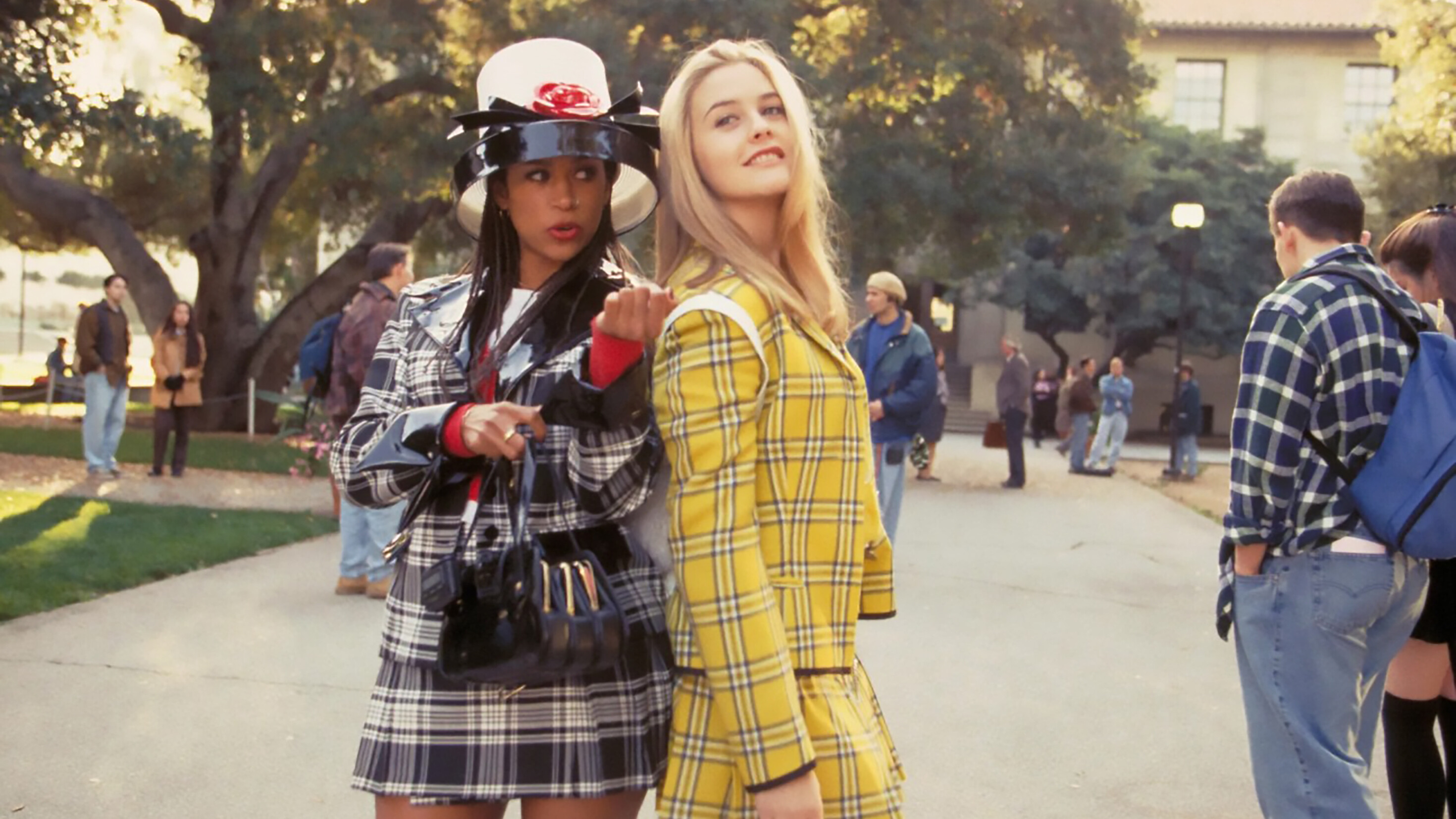
The 1990s have made a definitive return, fundamentally reshaping the aesthetic, technological, and cultural landscape of 2026. This resurgence is driven by the "30-year nostalgia cycle" and a digital-age longing for the tactile, "low-fi" authenticity of the pre-smartphone era, deeply resonating with both Gen Z and nostalgic Millennials.
The Anatomy of the 30-Year Nostalgia Cycle
Cultural historians and trend forecasters have long observed the "30-year rule." This phenomenon suggests that trends from three decades ago inevitably resurface because the children of that era have reached positions of creative and economic influence. In 2026, those who were teenagers or young adults in the 1990s are now the creative directors of fashion houses, executive producers in Hollywood, and lead developers in tech firms.
However, the 90s revival we are witnessing now is not a carbon copy of the original decade. Instead, it is a curated remix. The 30-year cycle has been slightly compressed by the speed of digital media, meaning the "90s" started creeping back into the mainstream in the early 2020s and has reached its peak saturation now. The psychological driver is a concept known as "anemoia"—nostalgia for a time one has never actually known. For Gen Z and the emerging Gen Alpha, the 1990s represent a "Goldilocks" period: a time when technology was advanced enough to be convenient (the internet, mobile phones) but not so pervasive as to be intrusive or mentally taxing.
The year 2026 marks the point where 90s influence has moved from niche subcultures into the structural foundation of consumer habits. It is no longer a "trend" in the sense of a fleeting fad; it is the current aesthetic standard.
90s Fashion in 2026: From Minimalism to Grunge
Fashion is the most visible indicator of the 90s return. In 2026, the industry has largely abandoned the hyper-refined, "Instagram-face" aesthetic of the 2010s in favor of two distinct 90s-inspired paths: High Minimalism and Neo-Grunge.
The Return of High Minimalism and the "Office Siren"
The "Office Siren" aesthetic, which gained traction over the last two years, has fully matured in 2026. This look draws heavily from mid-90s collections by designers like Miuccia Prada and Calvin Klein. It emphasizes sharp tailoring, thin-rimmed glasses (often referred to as "Bayonetta glasses"), and muted color palettes—greys, navys, and deep burgundies.
The appeal lies in the rejection of the "athleisure" dominance that characterized the pandemic era. In 2026, there is a renewed interest in "dressing up," but with the understated restraint that defined 90s corporate chic. This isn't about flashy logos; it is about the silhouette—pencil skirts, slim-fit button-downs, and pointed-toe heels.
Neo-Grunge and the Sustainability Factor
On the opposite end of the spectrum is Neo-Grunge. Unlike the original 90s grunge, which was born out of economic necessity and the Pacific Northwest music scene, Neo-Grunge in 2026 is inextricably linked to the sustainability movement.
Thrifting is no longer just a hobby; for a significant portion of the population, it is the primary way to shop. The hunt for "true vintage" 90s pieces—oversized flannels, distressed denim, and heavy combat boots—has created a secondary market that rivals primary retail. Brands have responded by creating "circular" collections that mimic 90s silhouettes using recycled materials. The "unkempt" look is a deliberate social statement against the polished, AI-generated perfection that saturates 2026 digital feeds.
The Digital Detox: Why 90s Analog Tech is Trending
One of the most surprising aspects of 2026 is the widespread rejection of "perfect" technology. As artificial intelligence has made it possible to generate flawless images and high-fidelity audio, a significant counter-culture has emerged that values the "imperfections" of 90s tech.
The Rise of CCD Sensor Cameras
While smartphone cameras in 2026 are more powerful than ever, there has been a massive surge in the use of "point-and-shoot" digital cameras from the late 90s and early 2000s. Specifically, cameras with CCD sensors are highly coveted for their color reproduction and "film-like" grain. Users are moving away from the clinical, over-sharpened look of modern computational photography in favor of the blooming highlights and slight motion blur that define 90s snapshots.
The Wired Movement and Dumbphones
In 2026, "wired" is the new "wireless." The return of wired headphones—once seen as an inconvenience—is now a status symbol of being "disconnected." Using wired earbuds signals a rejection of the "always-on" Bluetooth ecosystem.
Furthermore, the "dumbphone" movement has moved beyond a niche productivity hack. Many young adults in 2026 use a secondary, basic 90s-style flip phone or a simplified modern equivalent for weekends or social gatherings. This "intentional disconnection" mirrors the pre-smartphone social dynamics of the 90s, where presence was mandatory because there was no digital alternative.
Entertainment and the Era of the Reboot
The entertainment industry in 2026 is heavily reliant on 90s intellectual property, but the approach has shifted from simple remakes to "legacy sequels" and tonal homages.
- Television: The mid-2020s have seen a resurgence of the "procedural" and the "hangout sitcom," formats that dominated 90s TV. Audiences are moving away from hyper-serialized, high-stress "prestige TV" toward comfort viewing.
- Music: The "Shoegaze" and "Trip-Hop" genres of the 90s have seen a massive revival. Modern artists are incorporating the distorted, ethereal guitar walls of My Bloody Valentine or the moody, downtempo beats of Portishead into mainstream pop.
- Physical Media: In 2026, vinyl sales continue to break records, but the "new" old medium is the cassette tape and the CD. For Gen Z, the act of owning a physical disc or tape provides a sense of permanence that streaming services, with their disappearing licenses and algorithmic curation, cannot offer.
Economic Factors Fueling 90s Nostalgia
The return of the 90s isn't just about aesthetics; it's also about economics. The 90s are often remembered (perhaps through rose-colored glasses) as a period of relative economic optimism and geopolitical stability between the end of the Cold War and the start of the "War on Terror."
In 2026, as the world grapples with the complexities of post-AI labor markets and climate shifts, the 90s represent a "comprehensible" era. The cost of living in the 90s is frequently cited in social media discourse as a benchmark for what "normal" should look like. This economic nostalgia manifests in a preference for 90s-style branding—bold, simple typography and primary colors—which feels more "honest" to consumers than the sleek, minimalist branding of the 2010s tech giants.
Comparison: 90s Original vs. 2026 Interpretation
The following table outlines how key elements of the 1990s have been adapted for the current year.
| Category | 1990s Original | 2026 Interpretation |
|---|---|---|
| Denim | Baggy "skater" jeans / Acid wash | "Barrel" leg denim / Sustainable upcycled vintage |
| Gaming | Early 3D (PS1/N64) | "Low-poly" indie games / Retro handheld emulators |
| Social Media | IRC Chatrooms / Early Forums | Decentralized "niche" communities / Analog meetups |
| Footwear | Dr. Martens / Platform Sneakers | Chunky loafers / Tech-infused 90s runners |
| Beauty | Brown lipstick / Thin eyebrows | "Espresso" makeup / Laminated but natural brows |
| Audio | Discman / Portable Cassette | Hi-Fi wired IEMs / Boutique cassette players |
Frequently Asked Questions
Why is Gen Z so obsessed with the 90s?
Gen Z's obsession stems from a desire for "tactile reality." Having grown up in a purely digital world, the 90s represent the last decade where the "physical" and "digital" were in balance. The 90s provide an aesthetic that feels more authentic and less "manufactured" by algorithms. Additionally, the 90s 30-year cycle means this era is currently the most accessible vintage period in thrift stores and archives.
Is the 90s revival better for the environment?
Potentially, yes. The core of the 90s revival in 2026 is centered on "circular fashion"—thrifting, repairing, and reselling. By prioritizing vintage garments over new fast-fashion "dupes," consumers are reducing the demand for new textile production. However, this is offset by some brands producing new "90s-style" clothing using unsustainable methods to meet the high demand.
Which 90s trends are staying dead?
While most trends have returned, certain elements like "low-rise" jeans have seen significant pushback and remain polarizing due to inclusivity concerns. Similarly, the "heroin chic" body standard of the 90s is being heavily contested in 2026 by the body-positivity movement, leading to a version of 90s fashion that is much more inclusive of different body types than the original decade.
How does 2026 technology differ from actual 90s tech?
In 2026, we use "simulated" 90s tech or "hybrid" tech. For example, while someone might use a 90s-style digital camera, they are likely using a modern SD card adapter to instantly upload those photos to a decentralized social cloud. We are keeping the vibe of the 90s (the grain, the noise, the physical buttons) while maintaining the convenience of modern connectivity.
Is this the last time the 90s will be popular?
Culture moves in waves. While the current peak will eventually subside, the 90s have established themselves as a "classic" decade, similar to how the 1950s or 1970s have recurring influence. Once the 30-year cycle moves into the 2000s (Y2K) and 2010s, the 90s will likely settle into a permanent "vintage" category rather than a "trending" one.
Practical Recommendations for Navigating the 90s Revival
If you are looking to integrate the 90s aesthetic into your life in 2026, prioritize authenticity over imitation. Instead of buying mass-produced 90s "style" items from fast-fashion retailers, seek out original pieces from the era. Not only is the quality of 90s manufacturing often superior to today's equivalents, but the historical value of the items adds a layer of depth to your style.
In terms of technology, consider a "tech audit." Identify which modern devices are causing the most stress or distraction and see if a 90s-inspired analog alternative exists. Replacing a mindless scrolling habit with a physical book or a CD player can provide the mental "breathing room" that the 1990s are so fondly remembered for.
The return of the 90s in 2026 is more than a fashion statement; it is a collective cultural recalibration toward a more tangible, slower, and human-centric way of living.