The Heights in Houston is considered one of the safest and most desirable urban neighborhoods in the city. While it experiences lower violent crime rates compared to the Houston average, property crimes such as vehicle burglaries remain a persistent urban challenge. Its safety is bolstered by high walkability, active community organizations, and significant historic preservation.
Understanding the Geography: The Heights vs. Greater Heights
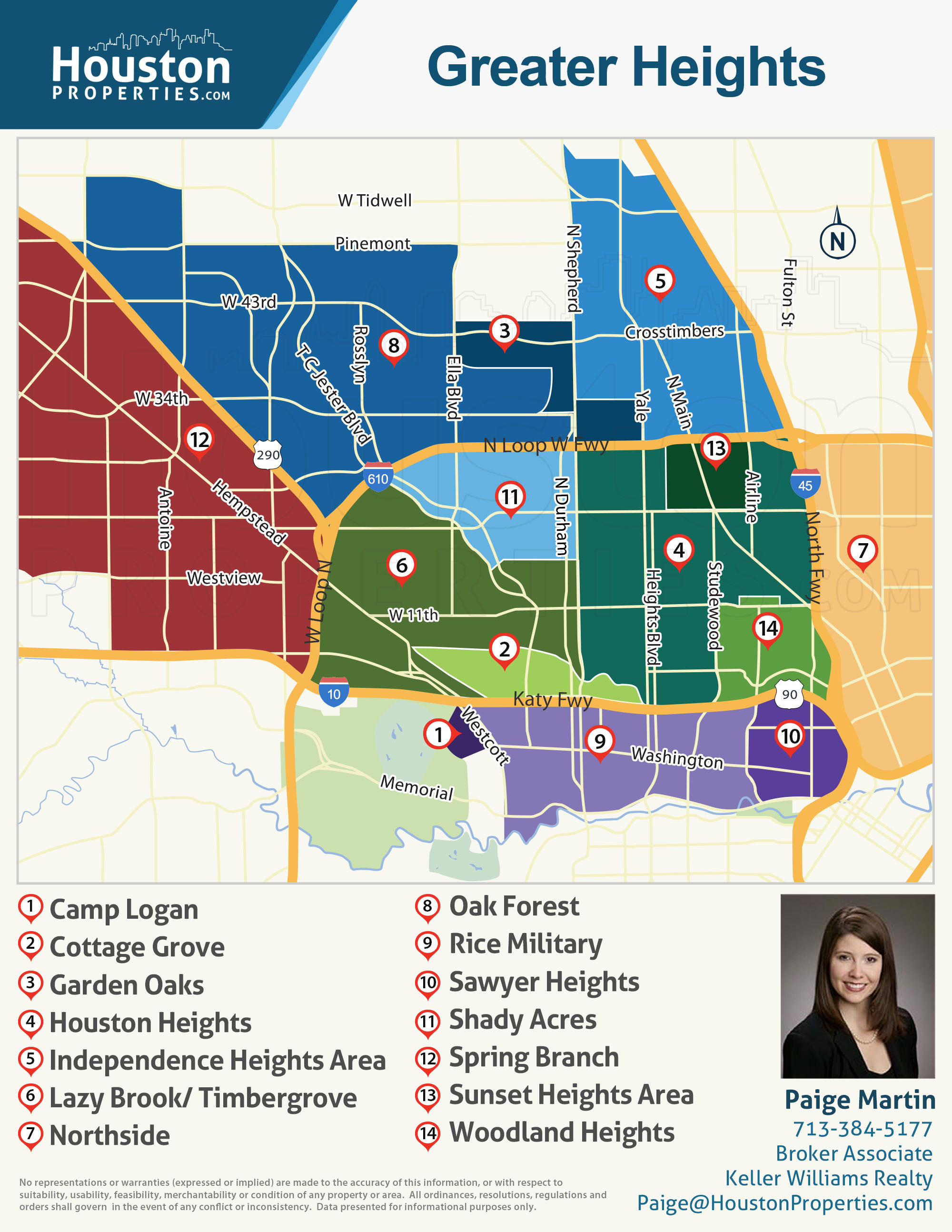
To accurately assess safety, one must first define the boundaries. What locals and real estate professionals call "The Heights" is often a collection of distinct subdivisions. The core historic district, known as the Houston Heights, is bounded roughly by I-10 to the south, I-610 to the north, Shepherd Drive to the west, and I-45 to the east.
However, the "Greater Heights" area includes adjacent neighborhoods like Shady Acres, Sunset Heights, Brooke Smith, and Norhill. In 2026, the distinction remains important because safety profiles can shift block-by-block. The historic core generally maintains the highest property values and the most consistent private security presence, whereas the perimeter areas—particularly those near major transit corridors—often see more transient activity.
The Heights is unique in Houston for its grid-like structure and lack of "super-blocks," which promotes natural surveillance (the "eyes on the street" effect). This architectural layout is a primary deterrent for serious crime, as the high density of porch-fronted homes and pedestrian traffic makes it difficult for suspicious activity to go unnoticed.
Crime Statistics and Trends in 2026
Analyzing crime data in the Heights requires a nuanced look at the Houston Police Department’s (HPD) Beat Maps. As of 2026, the Heights falls primarily under the jurisdiction of the Central and North Control Stations.
Property Crime vs. Violent Crime
The most common safety concern in the Heights is property crime. This includes "porch piracy" (package theft), catalytic converter theft, and "smash-and-grabs" from vehicles parked near popular dining corridors like 19th Street or White Oak Drive. These crimes are often opportunistic, driven by the neighborhood's affluent reputation and high volume of visitors.
In contrast, violent crime rates—including aggravated assault and robbery—remain significantly lower in the Heights than in the city’s overall average. Most violent incidents reported in the area tend to occur in commercial parking lots or near the outskirts of the neighborhood late at night, rather than within the residential interior. The heavy investment in smart home security systems and neighborhood-funded patrols has contributed to a 12% decrease in residential burglaries over the last three years.
Comparative Analysis with Other Houston Neighborhoods
When compared to other popular Houston "inner loop" neighborhoods, the Heights consistently ranks as a safer alternative to areas like Montrose or Midtown, which have higher concentrations of nightlife-related disturbances. While River Oaks and West University remain the gold standard for safety in Houston, the Heights offers a similar level of residential security but with a more accessible, eclectic urban vibe.
Factors Influencing Safety in The Heights
Several localized factors contribute to the safety of the Heights, distinguishing it from other parts of the Houston metropolitan area.
Walkability and the "Eyes on the Street" Effect
The Heights is one of the most walkable neighborhoods in Texas. The presence of the Heights Boulevard jogging trail and the MKT Trail system ensures a constant stream of pedestrians and cyclists from dawn until late evening. Urban theorists have long noted that high pedestrian activity acts as a natural deterrent to crime. In 2026, the expanded lighting projects along these trails have further enhanced nighttime safety, making the area popular for evening exercise and social commuting.
The Role of the Houston Heights Association (HHA)
The Houston Heights Association is more than just a civic club; it is a fundamental pillar of the neighborhood’s safety infrastructure. The HHA coordinates with HPD and often facilitates extra patrol programs funded by resident subscriptions. These private patrols provide a visible deterrent and faster response times for non-emergency calls, such as reporting suspicious vehicles or noise complaints.
Historic Preservation and Stability
The Heights is protected by several historic districts. This prevents the rapid, haphazard commercialization seen in other parts of Houston. Because the neighborhood is primarily composed of single-family homes and historic bungalows, there is a high rate of owner-occupancy. Residents tend to stay for decades, fostering a "know-your-neighbor" culture that is essential for identifying unusual activity and preventing crime before it occurs.
Navigating Specific Sub-Neighborhoods
Safety can vary slightly depending on which pocket of the Heights you are in. The following table provides a breakdown of the primary areas within the Greater Heights as of 2026.
| Sub-Neighborhood | Primary Safety Profile | Dominant Housing Type | Pedestrian Traffic |
|---|---|---|---|
| Houston Heights (Historic) | High security, lowest crime rates | Historic bungalows, Victorian | Very High |
| Woodland Heights | Family-oriented, very safe | Large historic homes | Moderate/High |
| Norhill | Safe, quiet, community-focused | Smaller bungalows | Moderate |
| Shady Acres | Emerging safety, higher density | Modern townhomes | Moderate |
| Sunset Heights | Improving safety, transition area | Mixed (New & Old) | Low/Moderate |
| Brooke Smith | Developing, higher incident rate | Original cottages, new builds | Low |
Environmental Safety: Flooding and Infrastructure
In Houston, "safety" is as much about the environment as it is about crime. The Heights, as its name suggests, sits on a higher elevation than much of the city. During major rain events—which have become more frequent in the 2020s—the Heights generally fares better than neighborhoods like Meyerland or the Medical Center.
However, specific pockets near the White Oak Bayou are still prone to localized street flooding. By 2026, the city’s "Incentivized Low-Impact Development" programs have improved drainage along Shepherd and Durham Drives, but it is still vital for residents to check the 500-year flood maps. A "safe" neighborhood in Houston is one where your home stays dry, and the Heights remains one of the most resilient areas in the inner loop regarding flood risk.
Practical Tips for Residents and Visitors
To maintain a high level of personal safety in the Heights, certain precautions are standard practice for urban living in 2026:
- Vehicle Security: "Hide it, Lock it, Keep it." Never leave bags, electronics, or even loose change visible in your car, especially when parking near the popular retail strips on 19th Street or the M-K-T development.
- Package Management: Given the high rate of delivery thefts, use secure lockers or have packages delivered to the many "smart kiosks" located in Heights-area grocery stores.
- Lighting: Ensure that the front and rear of your property are well-lit. Motion-sensor LEDs are a cost-effective way to discourage trespassers.
- Join the Neighborhood Watch: Participate in digital community forums like Nextdoor or local Facebook groups, but maintain a balanced perspective—these platforms often amplify minor incidents, which can skew the perception of actual danger.
Real Estate Impact: Does Safety Drive Property Value?
The correlation between safety and real estate value in the Heights is undeniable. In 2026, the Heights remains one of the few Houston neighborhoods where property values have continued to appreciate despite broader economic fluctuations.
Buyers are willing to pay a premium for the "Heights lifestyle," which is predicated on being able to walk to dinner or a park without significant safety concerns. This demand creates a self-reinforcing cycle: high property values lead to higher tax revenues, which fund better infrastructure and increased police presence, further enhancing the neighborhood's safety profile. For investors, the Heights represents a "safe" bet not just in terms of physical security, but in terms of capital preservation.
Frequently Asked Questions
Is it safe to walk in the Heights at night?
Yes, walking in the Heights at night is generally safe, particularly along major thoroughfares like Heights Boulevard, 19th Street, and White Oak Drive. These areas are well-lit and usually have active foot traffic. However, like any urban area, it is advisable to stay aware of your surroundings and avoid poorly lit side streets when walking alone.
Are the parks in the Heights safe for children?
The parks in the Heights, including Donovan Park and Milroy Park, are considered some of the safest and best-maintained in Houston. They are frequently used by families and are centers of community activity. The Houston Heights Association and local parent groups play an active role in ensuring these spaces remain clean and secure.
How does the crime rate in the Heights compare to the Houston average?
The Heights consistently reports lower rates of violent crime than the Houston citywide average. While property crime rates are closer to the city average due to the neighborhood's density and wealth, the overall "safety feel" and statistical danger are significantly lower than in many other Houston urban centers.
What should I know about flooding safety in the Heights?
While the Heights is at a higher elevation, street flooding can occur during "flash flood" events. Residents should monitor the Harris County Flood Warning System. If you are buying property, ensure you review the most recent FEMA flood maps, as even high-elevation neighborhoods have specific lots that may be at risk due to local drainage patterns.
Is the area around the M-K-T development safe?
The M-K-T development and the surrounding trails are very safe during the day and early evening. In 2026, the area features private security patrols and extensive surveillance. It is a popular destination for families and young professionals, contributing to a secure, vibrant atmosphere.
Final Recommendation
If you are considering moving to or visiting Houston, the Heights stands out as a premier choice for those prioritizing safety without sacrificing urban amenities. The combination of historic stability, active community policing, and a naturally defensive architectural layout makes it a resilient "safe haven" within the city. While you must remain vigilant regarding property theft—a common reality of any affluent urban neighborhood—the risks to personal safety are minimal compared to the vast majority of the Houston metropolitan area.