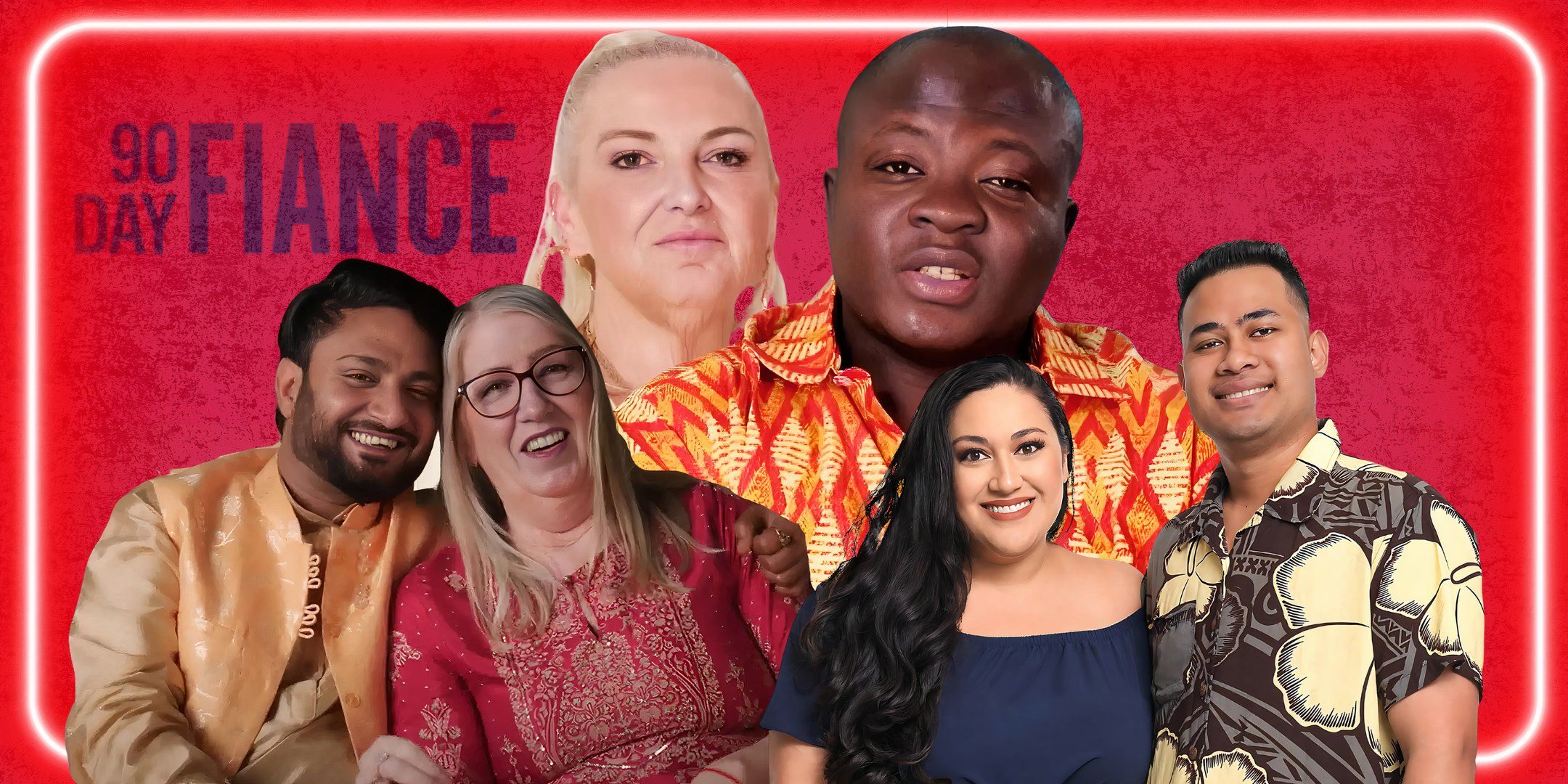
This reference guide categorizes the primary participants and recurring cast members within the 90 Day Fiancé universe. It identifies key figures based on their debut seasons, relationship trajectories, and ongoing presence in spinoffs. From "Legacy Couples" to "Controversial Icons," this guide serves as a definitive roadmap for navigating the franchise's extensive roster of international couples.
The 90 Day Fiancé franchise, which premiered on TLC in 2014, has evolved into a massive reality television "multiverse." As of 2026, the series has produced dozens of seasons across various iterations, creating a complex web of cast members whose lives are documented through the lens of the United States K-1 visa process. Understanding the "people" of 90 Day Fiancé requires a look at their roles not just as romantic partners, but as subjects of a rigid legal framework that dictates their 90-day window to marry or depart the country.
The Legal Framework: Defining the "90 Day" Participant
To understand the people featured on the show, one must first understand the legal prerequisite that brings them together: the K-1 Nonimmigrant Visa for Fiancé(e). This visa allows the foreign fiancé(e) of a United States citizen to enter the U.S. for 90 days, during which the couple must marry.
The participants are generally divided into two roles:
- The Petitioner: The U.S. citizen who applies for the visa, proving they meet specific income requirements (125% of the Federal Poverty Guidelines) and have met their partner in person within the last two years.
- The Beneficiary: The foreign national traveling to the U.S. with the intent to marry and subsequently file for an Adjustment of Status (AOS) to become a permanent resident.
The "people" of the show are often selected by production based on the complexity of their visa journey, cultural clashes, and the potential for domestic drama within that 90-day pressure cooker.
Legacy Couples: The Foundation of the Franchise
In the early years of the show, the focus remained largely on the success or failure of the immigration process. These couples are often cited as the "blueprints" for the series.
Russ and Paola (Season 1)
Russ, an engineer from Oklahoma, and Paola, a model from Colombia, were among the first couples to demonstrate the cultural friction inherent in the K-1 process. Their journey focused on Paola’s struggle to adapt to small-town life and her subsequent move to Miami to pursue a career. As of 2026, they remain one of the most recognizable "legacy" couples, having appeared in numerous Happily Ever After? seasons.
Danielle and Mohamed (Season 2)
Widely considered the turning point for the franchise’s popularity, Danielle (Ohio) and Mohamed (Tunisia) introduced the concept of the "fraud" narrative. Their volatile relationship, involving legal battles and a pursuit of annulment vs. divorce, set the stage for the more high-conflict casting seen in later seasons. Mohamed’s eventual move to become a truck driver in the U.S. remains a frequent topic of reference for fans tracking the long-term outcomes of cast members.
Alan and Kirlyam (Season 1)
Representing the more "wholesome" side of the franchise, Alan (California) and Kirlyam (Brazil) met while Alan was on a Mormon mission. Their story focused on Kirlyam’s fish-out-of-water experience in Los Angeles. They are often referenced as a success story, maintaining a stable family life long after their television debut.
The Spinoff Icons: People Who Transcended the Main Series
As the franchise grew, certain individuals became larger-than-life characters, appearing across multiple spinoffs such as Before the 90 Days, The Other Way, and The Single Life.
Darcey Silva
Darcey Silva is perhaps the most prolific cast member in the history of the franchise. Appearing first in Before the 90 Days with Jesse Meester (Netherlands) and later with Tom Brooks (United Kingdom), Darcey’s journey was less about the K-1 visa and more about the emotional quest for "the one." Her popularity led to the standalone spinoff Darcey & Stacey, documenting the lives of her and her twin sister.
Angela Deem
Representing the "American abroad" archetype, Angela Deem (Georgia) and Michael Ilesanmi (Nigeria) spent years navigating the K-3 and CR-1 (spousal) visa processes rather than the traditional K-1. Angela became a polarizing figure due to her confrontational style and extensive "glow-up" plastic surgery journey, which was documented across several seasons of Happily Ever After?.
Big Ed Brown
First appearing on Before the 90 Days Season 4, Ed Brown became an internet phenomenon. His relationship with Rosemarie Vega (Philippines) highlighted issues of age gaps, economic disparity, and honesty regarding physical health (Klippel-Feil syndrome). Ed’s subsequent relationship with Liz Woods on The Single Life cemented his role as a recurring "villain" or "anti-hero" within the 90 Day ecosystem.
Participants of "The Other Way": Americans Moving Abroad
A significant subset of the 90 Day Fiancé roster involves Americans who choose to renounce their lives in the U.S. to move to their partner’s country.
- Jenny Slatten and Sumit Singh: A decade-long saga based in India, involving Sumit’s secret first marriage and his parents' refusal to accept an older American woman. Their persistence made them fan favorites for their eventual (and hard-won) marriage.
- Paul Staehle and Karine Martins: One of the most controversial pairings in the series. Their journey through the Amazon in Brazil was marked by extreme communication barriers (using translation apps) and significant legal and personal turmoil that eventually led to their removal from the franchise's active filming roster.
Reference Table: Key Cast Comparison and Status
The following table provides a snapshot of influential couples, their origin, and the nature of their franchise impact as of 2026.
| Couple Name | Home Countries | Original Series | Notable Conflict/Theme | Status (General) |
|---|---|---|---|---|
| Loren & Alexei | USA / Israel | Season 3 | Tourette Syndrome advocacy | Married (Multiple kids) |
| Chantel & Pedro | USA / Dominican Republic | Season 4 | Family feuds ("The Family Chantel") | Divorced |
| Colt & Larissa | USA / Brazil | Season 6 | Controlling mother / Legal arrests | Divorced |
| Kalani & Asuelu | USA / Samoa | Season 6 | Cultural parenting differences | Separated/Divorced |
| David & Annie | USA / Thailand | Season 5 | Financial hardship / Age gap | Married (Fan Favorites) |
| Yara & Jovi | Ukraine / USA | Season 8 | Party lifestyle vs. Motherhood | Married |
The "Villain" Archetype and Controversial Figures
The success of 90 Day Fiancé is often attributed to its "villains"—people whose actions, whether due to editing or personality, spark intense social media debate.
- Anfisa Arkhipchenko (Season 4): Initially portrayed as a "gold digger" from Russia, Anfisa’s blunt honesty regarding her desire for financial security made her a cult icon. Post-show, she transitioned into competitive bodybuilding and earned a college degree, shifting her narrative from reality villain to independent success story.
- Larissa Santos Lima (Season 6): Known for her catchphrase "Who goes against the queen will die," Larissa’s volatile relationship with Colt Johnson and her numerous plastic surgeries made her a tabloid fixture. Her eventual firing from TLC due to her work on adult platforms marked a boundary in the network's casting standards.
- Bilal Hazziez (Season 9): Bilal was criticized by viewers for "pranking" his fiancée Shaeeda (Trinidad and Tobago) to test her intentions. This sparked widespread discussion among the audience regarding "gaslighting" and power dynamics in international relationships.
The Evolution of Post-Show Life
For the people of 90 Day Fiancé, the show is often a springboard into the "influencer" economy. By 2026, the trajectory for a successful cast member usually follows a specific pattern:
- Pillow Talk: Cast members are invited back to provide commentary on current episodes from their own beds. This allows popular "people" like Annie Suwan, David Toborowsky, and Tim Malcolm to stay relevant without having to provide new relationship drama.
- Monetization Platforms: Many cast members utilize Cameo (personalized videos), OnlyFans (adult or lifestyle content), and Instagram brand deals to earn a living far exceeding their initial filming stipends.
- The Single Life: This spinoff provides a "second act" for people whose K-1 journeys failed, allowing them to remain within the TLC ecosystem while dating new people.
Critical Challenges Faced by Participants
Being a "90 Day Fiancé person" involves significant risks that aren't always visible on screen.
Public Scrutiny and Mental Health
Cast members are often subjected to intense "cyberbullying." The highly edited nature of reality TV means a person's worst moments are looped and memorialized. Several cast members have spoken out about the toll this takes on their mental health and their ability to find traditional employment after the show.
Legal and Immigration Complications
Appearing on the show can sometimes complicate the actual visa process. While the show does not explicitly influence U.S. Citizenship and Immigration Services (USCIS), the public nature of their relationship can be used as evidence if a marriage is suspected of being fraudulent (Marriage Fraud). Cast members must be cautious about how their "storylines" reflect the reality of their legal intentions.
Financial Reality
Contrary to popular belief, participants are not paid large sums during their first season. Estimates suggest they earn between $1,000 and $1,500 per episode, and notably, the foreign partner cannot be paid if they are filming in the U.S. without a work permit (EAD). This creates a financial strain that is often a central theme of the people's stories.
FAQ: Navigating the 90 Day Fiancé Universe
Who is the most famous person from 90 Day Fiancé?
While "fame" is subjective, Darcey Silva and Big Ed Brown are generally considered the most recognizable figures due to their extensive meme presence and multiple spinoff appearances. In terms of social media following and brand success, Loren Brovarnik and Anfisa Arkhipchenko also rank highly.
Do the couples actually stay together?
The success rate is surprisingly high compared to other reality dating shows like The Bachelor. According to franchise data through 2026, approximately 70% of the couples featured on the flagship series remain married. The success rate for spinoffs like Before the 90 Days is significantly lower, as many of those couples never actually apply for the visa.
How are the people on the show chosen?
TLC and the production company, Sharp Entertainment, look for couples who are already in the process of applying for a K-1 or spousal visa. They prioritize couples with significant "obstacles," such as language barriers, large age gaps, skeptical families, or dramatic pasts.
Are the people on the show actors?
The participants are real people navigating real legal processes. However, "producer-induced" drama is common. While the relationships and visa stakes are genuine, production may encourage cast members to have specific conversations or visit certain locations to ensure there is enough footage for a compelling episode.
What happens to the people who don't get married?
If a couple on the K-1 visa does not marry within 90 days, the foreign beneficiary must leave the United States. In the show’s history, several people have had to depart (or did so voluntarily), such as Maria (from Caesar’s story) or various partners of Darcey Silva, who never reached the visa stage.
Final Recommendations for Enthusiasts
For those looking to understand the "people" of this franchise, it is recommended to start with Season 2 or Season 4 of the original series. These seasons provide the best introduction to the iconic archetypes that define the show. Following cast members on verified social media platforms provides a more "unfiltered" look at their lives, though it is important to remember that their public personas are often part of their personal branding strategy. To stay updated on the status of specific couples, official "Where Are They Now?" specials remain the most accurate source of verified information.