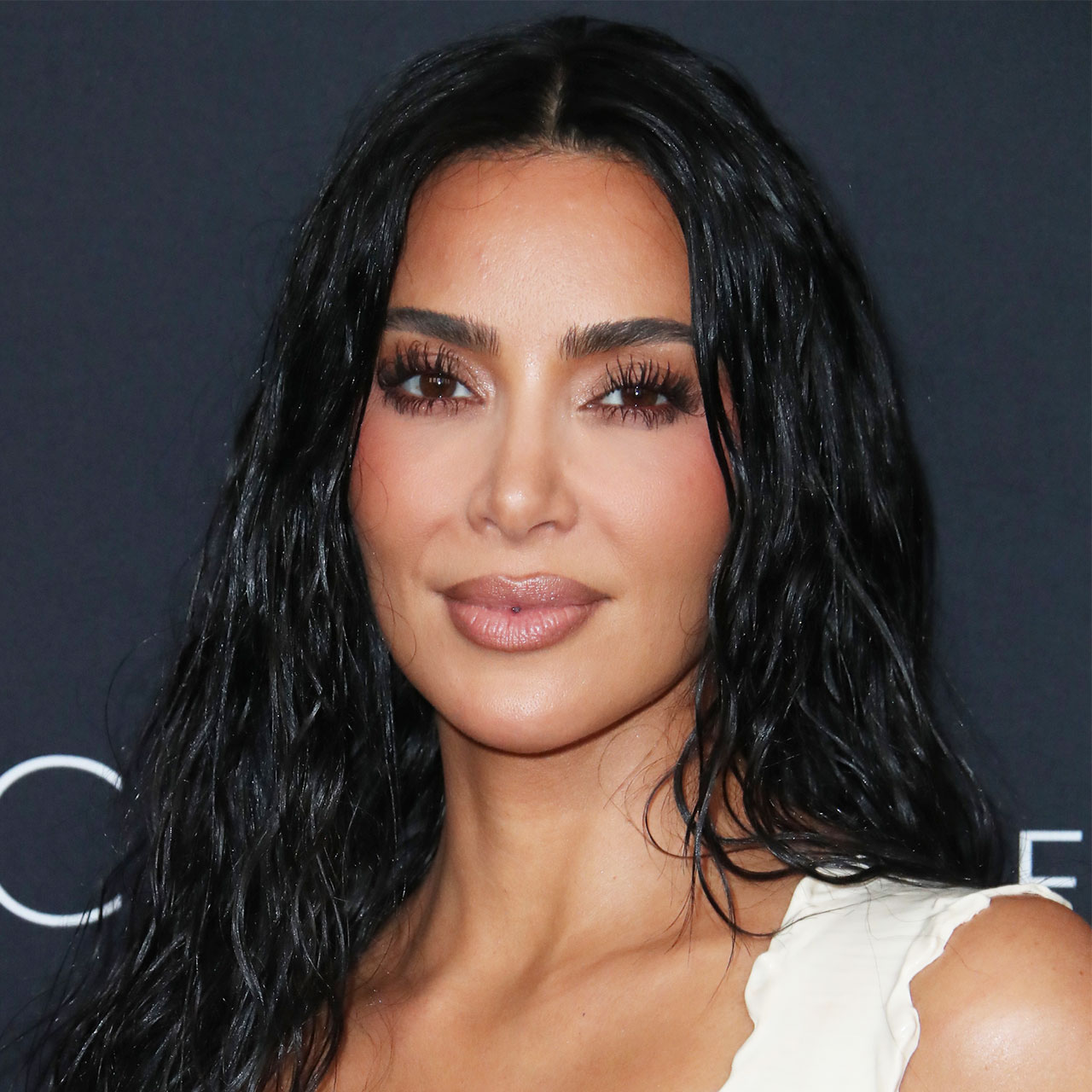
Curating a high-quality visual archive of one of pop culture’s most influential figures requires understanding the defining eras of her public evolution, from early red carpets and high-fashion breakthroughs to iconic magazine covers and influential social media milestones.
The pursuit of iconic visual imagery associated with global public figures often drives digital collectors, pop culture researchers, and mood-board curators to seek out defining snapshots. When assembling a curated archive centered around Kim Kardashian, identifying the top photographs involves evaluating cultural impact, aesthetic innovation, styling significance, and historical media reach. Rather than relying on random internet galleries, building a purposeful collection requires understanding which specific images shifted public perception, defined major fashion eras, or marked pivotal milestones in modern media history. This guide examines how to identify, verify, and secure the seven most significant visual representations for your personal or research-based collection.
Understanding the Scope of Visual Archives in Pop Culture
Before selecting individual pieces for a collection, collectors must define the scope and purpose of their archive. Visual preservation of contemporary icons involves tracking changes in styling, photography direction, and public branding over decades. Kim Kardashian’s public presence spans multiple distinct epochs: the early 2000s assistant and reality television debut, the high-fashion transition cemented by Kanye West and Riccardo Tisci, the global social media empire building of the mid-2010s, and her contemporary status as a legal advocate, billionaire entrepreneur, and Balenciaga/Dolce & Gabbana muse.
Evaluating a photograph's worthiness for a collection depends on several core criteria:
- Cultural Resonancy: Did the image spark global conversation, viral memes, or industry-wide trends?
- Photographic Merit: Who was the photographer (e.g., Annie Leibovitz, Steven Klein, Mert and Marcus), and what was the technical execution?
- Styling Significance: Does the image showcase a watershed moment in fashion history or haute couture partnership?
- Archival Rarity: Is the image part of a limited print run, a rare magazine editorial, or a widely distributed digital asset that holds historical weight?
Epochs of Visual Evolution
To build a balanced collection, images should ideally represent the chronological and stylistic shifts of her career. A one-dimensional collection lacks the narrative depth required to capture her full trajectory.
The Early Reality Television and Red Carpet Era (2006–2010)
During these formative years, visual documentation was defined by early digital photography flash, standard promotional headshots, and standard red carpet step-and-repeats. These images are essential for a collection because they establish the baseline aesthetic from which her multi-billion-dollar personal brand evolved. They capture the transition from Los Angeles boutique owner and socialite to mainstream television staple.
The Haute Couture and Met Gala Transition (2012–2018)
This period marked a radical shift driven by high-fashion adoption. Securing editorial spreads and red carpet images from this era—such as her landmark appearances at the Met Gala—demonstrates her entry into the upper echelons of the fashion industry. Photographers captured her working with legendary design houses, shifting public perception from reality star to recognized fashion icon.
The Global Mogul and Editorial Mastery Era (2019–Present)
Recent years feature high-concept, highly stylized commercial campaigns, minimalist editorial spreads, and powerful advocacy-driven imagery. These photographs highlight technical lighting, avant-garde styling, and absolute control over personal narrative and brand messaging.
Criteria for Selecting the 7 Best Images
To establish a definitive top-seven selection, curators look at images that transcended standard celebrity portraiture to become cultural artifacts. While personal preference varies, industry analysts and fashion historians consistently point to specific visual milestones.
| Image Category | Defining Characteristic | Historical Significance | Primary Visual Focus |
|---|---|---|---|
| Breakout Magazine Cover | Unconventional publishing concept | Shifted internet culture and print media dynamics | High-impact composition, lighting |
| Met Gala Architectural Statement | Total-coverage avant-garde styling | Redefined red carpet boundary-pushing | Silhouette, texture, anonymity |
| High-Fashion Editorial Debut | Validation by legacy luxury designers | Bridged reality TV with haute couture | Classic portraiture, high-end styling |
| The Naked Truth Campaign | Raw, stripped-down self-documentation | Sparked global debates on body autonomy and media privacy | Natural lighting, unfiltered aesthetic |
| Pivotal Campaign Imagery | Commercial luxury brand ambassadorship | Cemented status as a modern luxury muse | Architectural framing, designer apparel |
| The Historic First Vogue Cover | Mainstream fashion establishment validation | Validated internet-era celebrity in print royalty | Romantic styling, intimate portraiture |
| The Retrospective Document | Milestone birthday or career retrospection | Summarized decades of aesthetic transformation | Multi-era stylistic collage or bold focal point |
Sourcing and Verifying High-Resolution Assets
Securing these images for personal collections or digital mood boards requires navigating copyright laws, fair use doctrines, and digital asset management. High-resolution files demand careful verification to ensure authenticity and clarity.
Verifying Image Authenticity
In the digital age, heavily edited or AI-generated images frequently circulate online, masquerading as authentic photographs. Collectors must verify images against original publication sources:
- Check Publication Archives: Cross-reference images with official archives of publications like Vogue, Paper Magazine, or Harper's Bazaar.
- Examine Photographer Portfolios: Verify whether the image appears in the official portfolio of the credited photographer.
- Analyze Metadata: Inspect digital files for original creation dates, camera specifications, and copyright tags where applicable.
Legal and Ethical Considerations
When compiling images for a collection, understanding intellectual property rights is vital. While personal, non-commercial digital boards (such as private Pinterest collections or personal hard-drive archives) generally fall under flexible use norms, reproducing, selling, or publicly displaying copyrighted celebrity photography without licensing or permission from the copyright holder (typically the photographer or the publication) can infringe upon intellectual property laws. Collectors should always attribute photographers and publications correctly when sharing curated boards publicly.
Organizing and Preserving Your Collection
Once the images are gathered, proper organization ensures longevity and accessibility, whether maintained in a physical portfolio or a structured digital asset management (DAM) system.
Digital Storage Best Practices
- Resolution Standards: Maintain images in their native, uncompressed formats (TIFF or high-quality PNG/JPEG) whenever possible to prevent degradation.
- Folder Hierarchy: Organize files by era, photographer, and event type to maintain a clean taxonomic structure.
- Tagging and Metadata: Embed keywords into file properties to enable rapid searching across large archives.
Physical Preservation
For physical prints, editorial tear sheets, or vintage magazine copies:
- Acid-Free Materials: Store print materials in archival-grade, acid-free sleeves and boxes to prevent yellowing and paper degradation.
- Climate Control: Keep physical collections away from direct sunlight, high humidity, and extreme temperature fluctuations to preserve ink vibrancy and paper integrity.
Frequently Asked Questions
What makes an image historically significant for a pop culture collection?
Historical significance is determined by an image's ability to influence subsequent fashion trends, alter public perception, or break engagement records across media platforms. An iconic image often shifts industry standards regarding how public figures present themselves.
Are these images safe to download for personal use?
Downloading images for private, non-commercial viewing, personal inspiration, or academic research is standard practice among digital curators. However, publishing, monetizing, or redistributing copyrighted photography without explicit permission from the rights holder violates copyright regulations.
How can I distinguish original editorial photos from fan edits?
Original editorial photographs typically feature high dynamic range, professional color grading, official photographer credits in publication archives, and high-resolution clarity without artifacts common to upscaled or artificial intelligence-generated images.
Where can I find verified credits for famous celebrity portraits?
Verified credits are best sourced directly from the original print or digital publication mastheads, the photographer's official website or gallery representation, and major fashion database archives.
What is the best way to catalog a digital celebrity photo archive?
Using a dedicated digital asset management tool or a structured folder system categorized by chronological era, event type, and photographer name ensures long-term organization and ease of retrieval.
Final Recommendations for Curators
Building a definitive collection of the top visual milestones requires patience, attention to detail, and a commitment to historical accuracy. Focus on acquiring images that tell a cohesive story of evolution rather than accumulating duplicates. By prioritizing verified sources, respecting copyright boundaries, and maintaining clean archival practices, your curated collection will serve as a valuable and aesthetically compelling record of modern pop culture history.