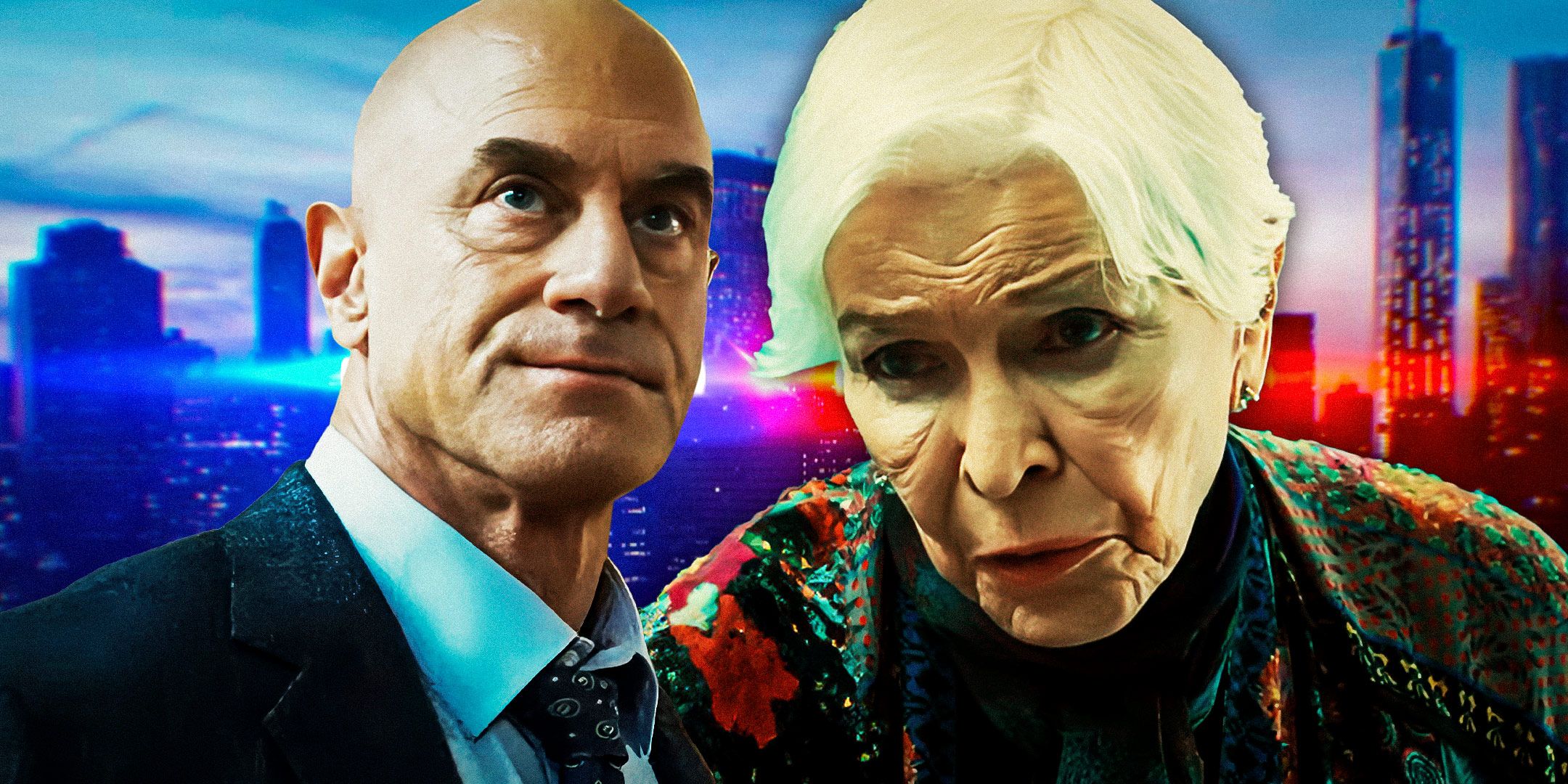
The inquiry surrounding a fifth season return of Law & Order: Organized Crime for the fall 2025 television schedule reflects widespread audience interest in the procedural drama's network transition to Peacock. While initial plans positioned the series for a fifth season on NBC, the network later shifted the show exclusively to the NBCUniversal streaming platform, a move that altered traditional broadcast timelines and streaming access models for viewers.
Understanding the Network Transition and Scheduling Realities
When television franchises undergo major structural shifts, audience expectations regarding release calendars often require careful calibration. Law & Order: Organized Crime, starring Christopher Meloni as Detective Elliot Stabler, established a gritty, serialized identity distinct from the traditional episodic format of its parent series and sister shows within the Wolf Entertainment umbrella. Navigating its fourth season on NBC, the production faced complex broadcast decisions, ultimately leading to the announcement that the series would find its fifth home on a streaming platform rather than the main television network schedule.
This transition fundamentally shifted the production and distribution timeline. Traditional network television operates on a rigid fall-to-spring broadcast cycle, wherein series debut in September or October and run weekly episodes through May. Streaming platforms, conversely, employ flexible release windows, unmoored from the strict scheduling constraints of autumn television slates. Consequently, anticipating a rigid fall 2025 broadcast return required understanding that streaming distribution models dictate different operational cadences, promotional cycles, and viewer accessibility requirements compared to standard linear television networks.
Historical Trajectory and Evolution of Organized Crime
To comprehend the structural shifts affecting the series, one must examine its origins within the broader Dick Wolf television universe. Launched in April 2021 as a direct spin-off of Law & Order: Special Victims Unit, Organized Crime brought back Elliot Stabler after a decade-long absence from television screens. Unlike the procedural format that resolves a case within a single hour, the series adopted multi-episode story arcs that delved deeply into long-form investigations of international syndicates, cybercrime rings, and institutional corruption.
This serialized approach created a dedicated viewership base that appreciated character-driven narratives, serialized emotional arcs, and complex villain dynamics. However, balancing multi-episode arcs within a traditional broadcast ecosystem presents distinct financial and logistical challenges for networks. As linear television viewership habits evolved, media conglomerates increasingly utilized high-profile cable and broadcast dramas to drive subscriber acquisition for their proprietary streaming services. This strategic pivot directly influenced the decision-making process behind moving the Stabler-led procedural away from linear television slots.
Key Milestones in the Series Broadcast History
- April 2021: Law & Order: Organized Crime premieres on NBC as part of a high-profile crossover event with Law & Order: Special Victims Unit.
- 2021–2024: The series completes four distinct broadcast seasons on NBC, anchoring the network's Thursday night crime block alongside other Wolf Entertainment properties.
- Spring 2024: NBC announces the renewal of the series for a fifth season, alongside confirmation that the program will transition from the broadcast network to Peacock.
- Post-Transition Phase: Production and writing teams adapt to streaming-specific formats, which often influence episode counts, narrative pacing, and post-production workflows.
Navigating Peacock Access and Streaming Requirements
For viewers tracking the progression of the series into its fifth iteration, accessing the content requires moving past traditional cable television subscriptions toward a digital streaming infrastructure. Peacock, operated by NBCUniversal, serves as the exclusive digital home for the continuation of Elliot Stabler's narrative. Understanding how to access, subscribe to, and navigate this platform is essential for anyone attempting to follow the series without relying on traditional over-the-air or cable broadcast guides.
Streaming platforms operate under different economic and technical frameworks than broadcast networks. Subscribers must maintain an active tier-based account to view new episodes upon release. Furthermore, the absence of weekly linear broadcast slots means that viewers must utilize the platform's user interface to locate specific seasons, manage watchlists, and stream content across compatible devices such as smart TVs, mobile phones, media streaming sticks, and web browsers.
Comparative Overview of Broadcast vs. Streaming Models
| Feature / Factor | Traditional NBC Broadcast (Seasons 1–4) | Peacock Streaming Platform (Season 5 Onward) |
|---|---|---|
| Delivery Mechanism | Over-the-air, cable, and satellite television networks | Internet-based video-on-demand streaming application |
| Release Schedule | Fixed weekly episodes during the fall-to-spring television calendar | Flexible deployment determined by production readiness and platform strategy |
| Viewer Accessibility | Standard television receiver or live-TV cable package | Compatible smart device, stable internet connection, and platform subscription |
| Narrative Structure | Commercial-break structured, designed for weekly episodic retention | Optimized for uninterrupted viewing, binge-watching, and serialized arcs |
Technical and Operational Factors Influencing Production Timelines
The timeline for producing television content in a streaming environment involves distinct technical considerations that differ from standard network television production. When a series migrates to a streaming platform, the writers' room and production crews often experience adjustments to episode lengths, budgetary allocations, and post-production visual standards.
Serialized dramas require meticulous continuity tracking, especially when dealing with complex syndicates, undercover operations, and multi-jurisdictional law enforcement entities. The transition to a digital-first distribution model allows creators greater flexibility regarding runtime constraints, as streaming platforms are not bound by the strict 42-minute window required by traditional commercial television broadcasting. Consequently, fans often notice shifts in narrative pacing and scene depth as the production team capitalizes on these structural freedoms.
Frequently Asked Questions
Is Law and Order Organized Crime airing on NBC for its fifth season?
No. While the first four seasons aired on NBC, the series shifted exclusively to Peacock for its fifth season. This means new episodes are released directly on the streaming platform rather than broadcasting on traditional television networks.
What do I need to watch the fifth season of the series?
To watch new episodes, you need a subscription to Peacock, a stable high-speed internet connection, and a supported streaming device such as a smart television, streaming media player, computer, or mobile device application.
Why did the series move from broadcast television to a streaming service?
Media networks frequently transition established programs to their proprietary streaming services to drive subscriber growth, retain audiences within digital ecosystems, and leverage the creative flexibility offered by streaming distribution models over traditional broadcast constraints.
Will previous seasons of Organized Crime be available to watch?
Yes. Peacock traditionally maintains back-catalogs of acquired and original series, allowing viewers to stream earlier seasons alongside the new episodes, though availability can occasionally be subject to licensing and distribution agreements.
How many episodes are typically included in a streaming season?
Streaming seasons often feature varied episode counts compared to traditional 22-episode broadcast television blocks. The exact episode count is determined by production agreements, narrative scope, and platform programming strategies.
Practical Next Actions for Viewers
To ensure uninterrupted viewing of the series, verify that your Peacock account is active and updated well in advance of new content releases. Check device compatibility across your household televisions and mobile devices to avoid last-minute technical hurdles. By familiarizing yourself with the platform's user interface and notification settings, you can ensure that you receive prompt alerts when new narrative chapters become available for streaming.